
Healthy Aging Month in Granville: How Cardiac Care Supports an Active Start to Fall at Granville Center
Healthy Aging Month gets treated like a marketing calendar item most years. September rolls around, someone posts about hydration and staying social, and the actual clinical stakes get buried under stock photography of people walking dogs. Worth saying plainly: for anyone with a cardiac history, the fall transition ranks among the riskier stretches of the year. Not flu-season risky. Structural risk — temperature swings, medication timing thrown off by earlier dark, walking routines abandoned somewhere around the first cold snap and never quite restarted.
Granville sees this pattern every year. Route 22 traffic slows once the leaf-peepers show up, porch conversations move indoors, and somewhere in that shuffle a resident’s evening walk stops happening. Three weeks later a family member notices swelling in the ankles and assumes it’s just getting older. Sometimes it is. Sometimes it’s a fluid balance shift that started the week the clocks and the thermostat both changed.
What Cardiac Care in Granville, NY Actually Tracks in September
Blood pressure monitoring frequency goes up this time of year, not down. Cold exposure causes blood vessels to constrict, which raises pressure on readings that looked fine all summer. A single elevated number rarely means much. Three readings trending upward across two weeks means a call to the cardiologist, and staff are trained to flag the trend rather than the isolated spike.
There’s a specific complaint that shows up in the notes every October around here, phrased almost the same way each time — someone got dizzy standing up from the recliner. Cold tightens the vessels, and that tightening doesn’t always release fast enough when a person stands, so pressure drops for a second right when balance needs it most. Fall data on geriatric falls clusters this way every year, not randomly spread across the calendar. The response is simple enough: pressure lying down, then standing, before anyone decides a resident’s just having an off day.
Medication timing is the other piece nobody talks about enough. Earlier sunsets throw off the internal cues people rely on for evening doses. A diuretic taken two hours late, three days running, is enough to shift fluid retention into something that looks like a cold. Beta blockers, anticoagulants, ACE inhibitors — none of them forgive a sloppy schedule, and reconciling the actual daily routine against the prescribed one is where a lot of preventable admissions get caught before they happen.
Nutrition and Sleep Don’t Get Enough Credit
Sodium sneaks into fall menus. Soup season does that — broths, casseroles, bread back on the table after a summer of salads. None of it looks dramatic on a single plate. Add it up across a week and a resident with heart failure history is retaining fluid before anyone notices the pattern. Potassium-rich foods help offset it, within whatever renal limits apply to that individual.
Nobody thinks to blame the clock. A resident gets short-tempered around the third week of September, sleep thins out from the time shift, and staff read it as mood before connecting it back to cortisol. That hormone doesn’t sit quietly once it’s elevated — it pushes blood pressure up on its own, separate from anything happening at meals or during physical therapy. Sorting out which explanation actually fits can take a couple weeks of watching, not one conversation at the nurses’ station.
Isolation carries physiological weight too, which surprises people who assume it’s purely emotional. Chronic loneliness correlates with measurably higher cardiac event risk in older adults, through inflammatory pathways that behave a lot like a slow-burning stress response. Group meals, a regular visitor, structured activity — this isn’t padding around the medical plan. It functions as part of it.
Recognizing a Cardiac or Stroke Emergency
Staff are trained to catch one side of a face going slack before a resident even mentions it, or an arm that won’t lift as high as the other when both go up, or speech that suddenly comes out thick, like the mouth stopped cooperating. Any single one of those is reason enough to call for help right then, no waiting to see if it passes. The first hours after a stroke largely determine how much recovery is possible, and that window is shorter than most families expect walking in.
Cardiac symptoms in seniors, particularly women, rarely show up as textbook chest pain. Disproportionate fatigue. Mild nausea. Discomfort that sits in the jaw or the back instead of the chest. These get missed constantly because they don’t match what people expect a heart attack to look like, and staff trained to recognize the atypical presentation catch things a less experienced observer would write off as a bad night’s sleep.
Care. Support. Positive Outcomes. Centers Health Care.
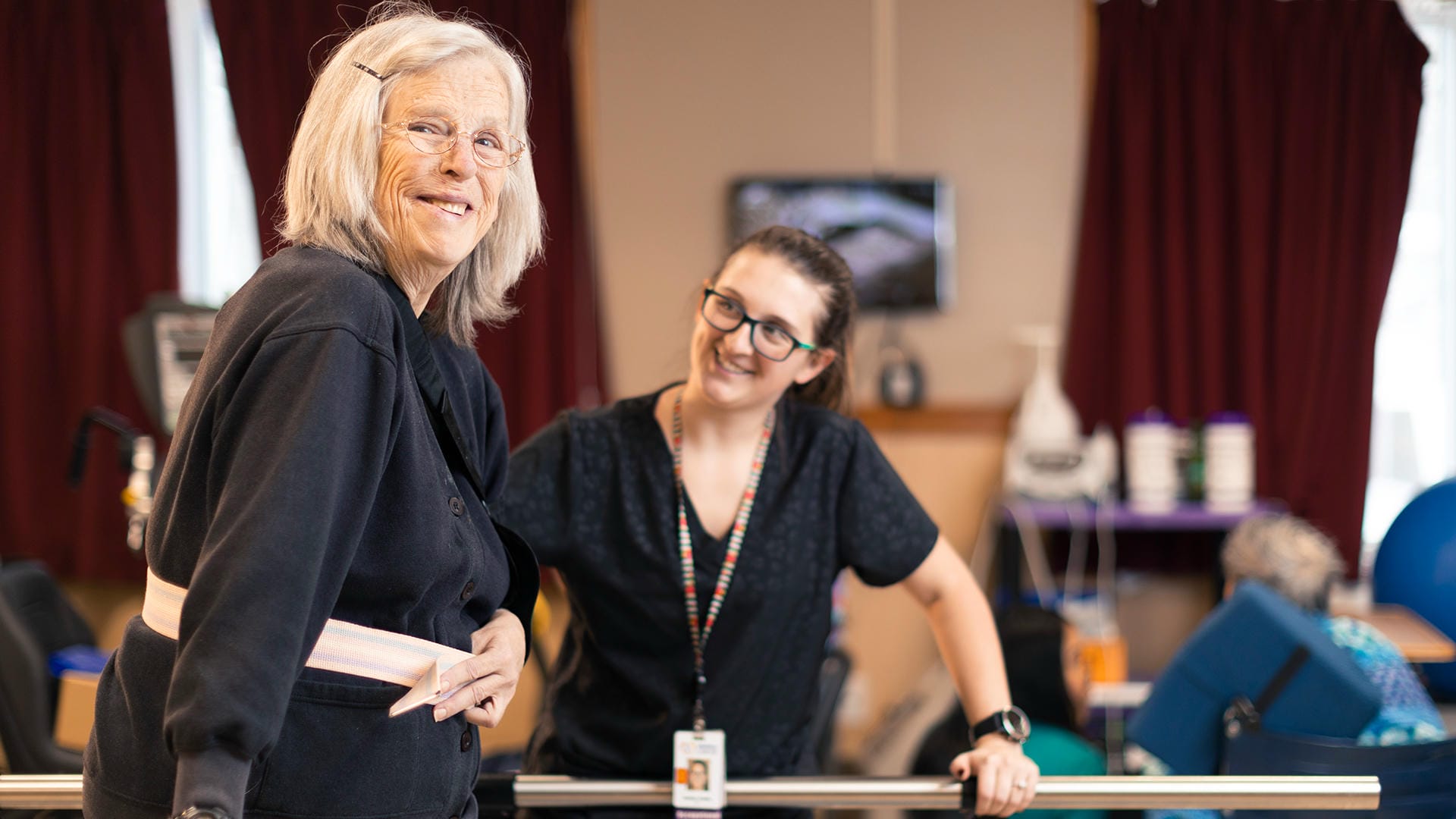
Granville Center, on Madison Street, offers cardiac care, stroke care, long-term care, short-term rehab, pain management, and wound care to residents across Washington County. A resident arriving after a cardiac event needs a rehab plan built around actual heart function, not a template pulled off a shelf. A resident managing a chronic condition at home may just need enough support to stay independent without losing ground. The goal isn’t identical for everyone — return home, rebuild strength, or simply feel steadier day to day. Progress stalls sometimes. There are setbacks, slow stretches, days where nothing visibly changes. Staff at Granville Center stay through those stretches too, adjusting the plan as a resident’s actual condition shifts rather than following a printed timeline.
Steps to Home
Discharge planning starts well before anyone feels ready for it. A cardiac rehab schedule gets built, medications get reconciled against what a resident was actually taking before admission — not just what the chart says — and family gets walked through what daily monitoring looks like once someone’s back in their own kitchen. Some residents leave stronger than they arrived. Others leave with a plan for holding steady. Both count as progress, even on the weeks it doesn’t look like it from the outside.
Our Steps to Home series follows patients through rehabilitation and the journey from hospital to home: