Stroke and Orthopedic Rehab in the Bronx: A Practical Look at Recovery Progress

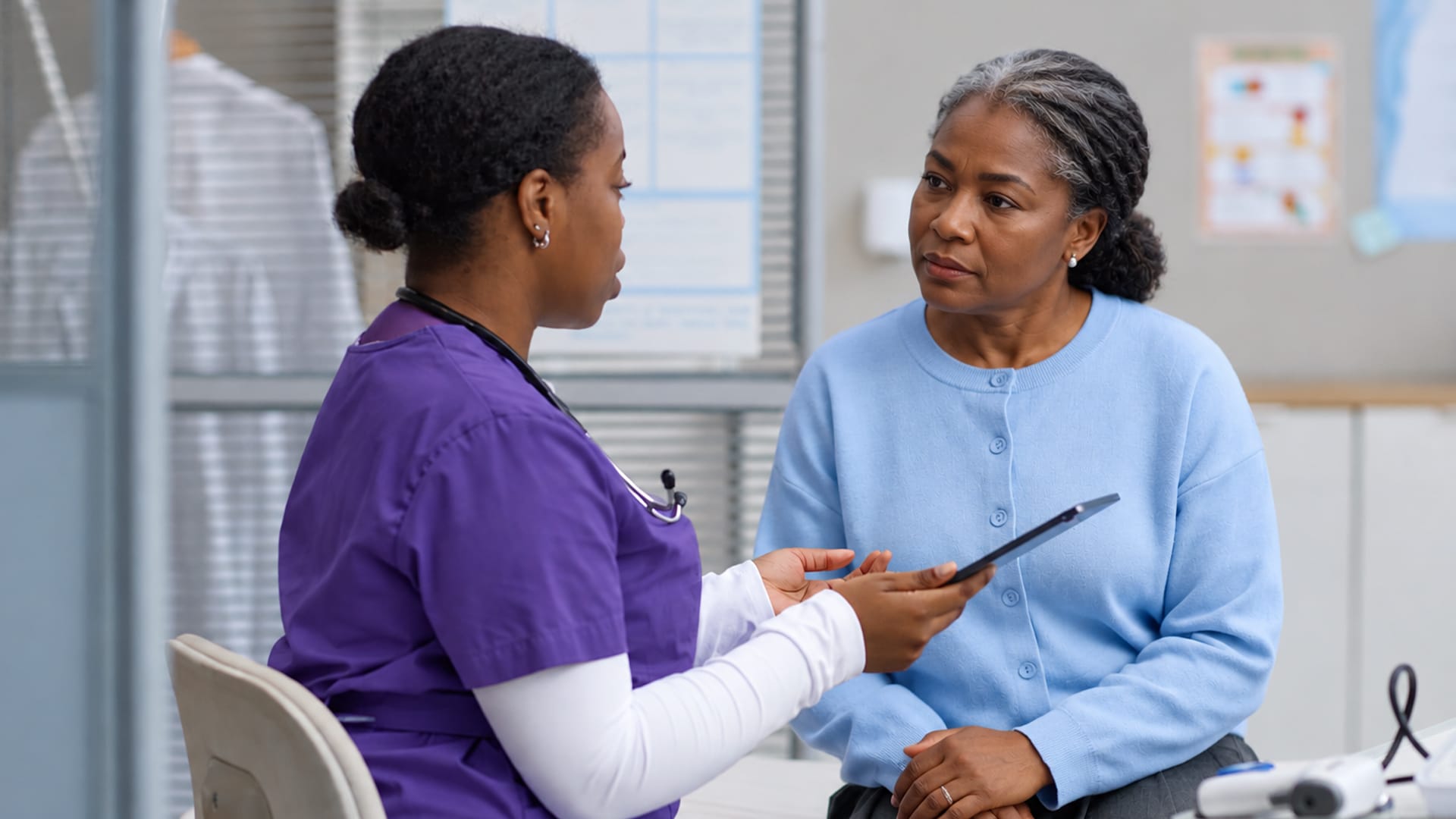
Ask a physical therapist which is harder to rebuild, a brain or a hip, and most won’t answer straight. Wrong question, they’ll say. The honest one is which patient shows up more scared. Usually it’s the stroke patient. The hip replacement at least knows what happened to him.
Stroke and orthopedic rehab get grouped on the same unit for a practical reason, not a poetic one. Therapists cross-train for both. A patient recovering from a stroke and a patient six days out from a total knee end up doing parallel bars at the same hour, for different reasons, under the same eyes. What nobody tells families going in: recovery isn’t a straight climb. It dips. It plateaus for a week and then jumps. Anyone promising a clean upward line is selling something.
What Stroke and Orthopedic Rehab Actually Track, Not Just Treat
Here’s what gets missed in most explanations of stroke recovery: the timeline matters more than the exercises. Somewhere in the first ninety days, the brain is doing its heaviest rewiring, what the literature calls spontaneous neuroplasticity. Miss that window and the same exercise, done a year later, does far less. So therapists front-load. Constraint-induced movement therapy is the blunt example: strap down the good arm, hours at a time, and force the weak side to do the work it’s been avoiding. It reads cruel on paper. It isn’t. It’s one of the few stroke interventions with published trial data behind it, and University Center builds it into a schedule within days when a patient can tolerate it.
Orthopedic recovery runs on a different engine entirely. Tissue heals on its own clock, and no amount of motivation speeds that up. A knee replacement needs roughly 90 to 110 degrees of flexion before stairs are realistic, and therapists chase that number with a goniometer, daily, sometimes twice. Hip precautions get repeated until they stop being instructions and start being habit: don’t cross the leg, don’t bend past a certain point, the exact angle depending on which approach the surgeon used. Some patients walk in already on an enhanced recovery protocol from before discharge. Rehab picks that plan up rather than rewriting it. Weight-bearing status changes weekly, sometimes faster, and gait training follows whatever the surgeon has cleared, not what the patient feels ready for. Feeling ready and being ready are two different conversations.
The Numbers Behind Stroke and Orthopedic Rehab Progress
Families want to know if it’s working. Fair question. The answer usually lives in a chart. Functional Independence Measure scores cover eighteen tasks, dressing and transferring and bladder control among them, tracked from admission through discharge so a therapist can point at a number from three weeks ago and a number from today and show the gap. Balance runs on the Berg scale, leaned on heavily with stroke patients relearning how to stand without pitching over. Foot drop or a weak grip sometimes brings in functional electrical stimulation, a small pulse timed to fire the muscle at the exact moment a patient is already trying to move it. Small technology, oddly satisfying to watch work.
Pain control stays layered rather than heavy-handed. Ice, positioning, nerve blocks ahead of certain orthopedic procedures, medication as one piece rather than the whole plan. Wound care matters just as much for patients arriving with fresh incisions or a pressure injury picked up during a hospital stay, staged on the standard four-level scale and photographed at each change now instead of only written up. Cardiac status gets checked in real time too, for anyone managing heart disease on top of a stroke or a joint replacement, blood pressure and heart rate logged before a session starts, mid-session, and after. Most patients clear short-term rehab and go home within weeks. Some don’t. Slower healers, or people juggling three or four conditions at once, sometimes move into long-term care instead, and that conversation happens directly. Nobody dresses it up as a failure.
Care. Support. Positive Outcomes. Centers Health Care.
University Center, in the Bronx, covers stroke care, orthopedic care, and short-term rehab, along with cardiac care, pain management, wound care, and long-term care, for people who need very different things. A patient relearning to walk after a stroke needs something different from one healing a fresh hip. Both get met where they are.
Nobody’s goal looks identical here. One person wants to go home. Another just wants to get through a day without help. Progress comes with setbacks built in, and there are hard days mixed with good ones. Staff stay through both kinds, and the job is helping each patient get as far as they’re able to go, whatever that distance turns out to be.
Some weeks that’s a big jump. Most weeks it’s smaller. Both count the same.
Steps to Home
Don’t wait until pain forces the question, or until a patient is simply worn out from needing help for everything. Reach out early. Referrals into stroke and orthopedic rehab at University Center move fast once the paperwork starts, and admissions staff handle the logistics directly rather than routing families through someone else. Recovery from a stroke or a joint replacement almost never runs in a straight line. Starting the process sooner beats waiting around for a week that feels more convenient. That week rarely comes on its own.
Our Steps to Home series follows patients through rehabilitation and the journey from hospital to home: