Stroke Care in Cooperstown NY: World Stroke Day 2026 and Why Every Minute Counts for Cooperstown Families

One side of a smile drops. A person who was talking normally a moment ago starts slurring words. The family may disagree about what’s happening, and the person affected may insist there’s nothing wrong. Call 911; you don’t need a diagnosis before picking up the phone.
October 29 brings World Stroke Day 2026 and its #ActFAST campaign. This year’s message, Every M1nute Counts, asks people to recognize the warning signs and seek emergency help promptly. It’s worth having that conversation before anyone needs an ambulance.
People searching for stroke care in Cooperstown NY may be looking ahead to a relative’s rehabilitation. That comes later. When new symptoms appear, the next call goes to emergency services.
Stroke Care in Cooperstown, NY: A call you shouldn’t put off
One arm drifts down when both should stay raised. A smile looks uneven. Someone tries to say a familiar phrase and can’t get it out properly. Call 911 for any of these sudden changes.
F: Face drooping.
A: Arm weakness.
S: Speech difficulty.
T: Time to call 911.
Your relative may start talking normally while you’re on the phone, perhaps wondering what all the fuss was about. Let the dispatcher know about the improvement and continue following the instructions. The person still needs emergency evaluation.
Start with where you are and what you’re seeing when the dispatcher answers. Say you suspect a stroke. New York’s health department advises calling an ambulance, whose crew can assess the person while traveling to emergency care.
If you watched the change begin, note the time. Say so if the problem was there when your relative woke. Nobody benefits from a confident guess about when it began.
While you wait, follow the instructions you’re given. There’s a particular trap with aspirin: people associate it with heart emergencies and may assume it belongs here. Some strokes involve bleeding, which aspirin can worsen. Don’t give it unless an emergency clinician tells you to. Water should wait, too, along with food and oral medicines, until swallowing safety has been assessed.
Four and a half hours includes the ride.
“About an hour ago” may be the best answer a family has. Give it honestly. If someone woke up with symptoms, tell the responders when the person was last known to be well, rather than assuming the stroke began on waking.
An eligible patient may receive a clot-dissolving medicine within 4.5 hours, under the January 2026 guideline. The drugs named are alteplase and tenecteplase. That window includes the time spent getting help and being assessed; it isn’t four and a half hours to make up your mind.
There are exceptions to the usual timing, guided by advanced imaging, and some people may have a clot removed by thrombectomy. A family cannot establish eligibility from the clock alone. Leave that determination to the team assessing the patient, even if the symptoms began quite a while ago.
Families searching “stroke care Cooperstown NY” have another set of questions
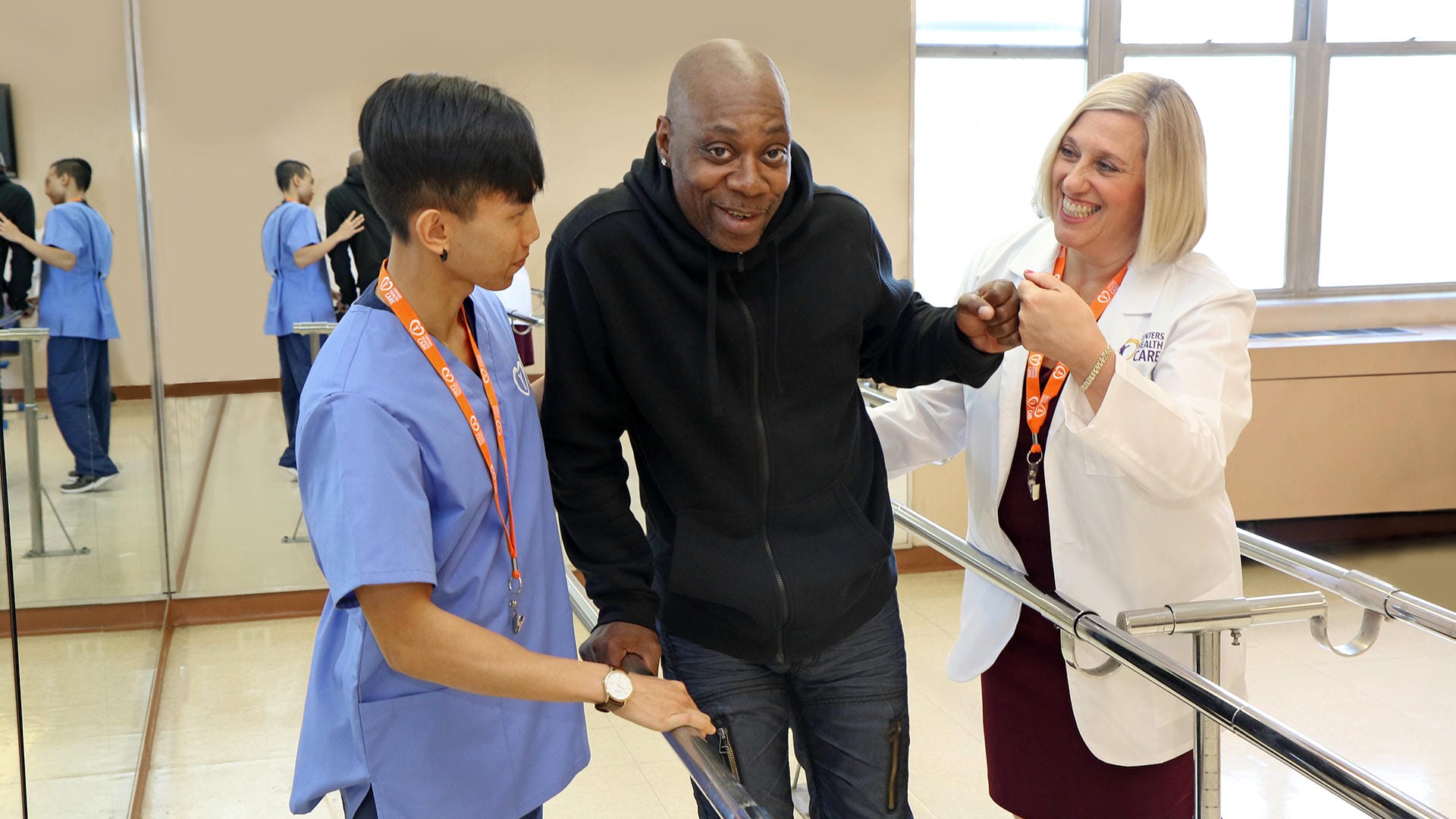
One good walk down a hallway can leave a family planning the ride home. I’d slow that conversation down a little. Was somebody holding the person’s arm? Could they turn, sit, and get up again? What happened when they got tired?
Those are fair questions to put to the treating team before choosing a rehabilitation setting. You’re trying to understand the amount of help needed, including the hours outside therapy. If a staff member says your father needs assistance with transfers, ask to see what that means. It’s easy to read “transfer” on a form without picturing the effort of getting a person upright.
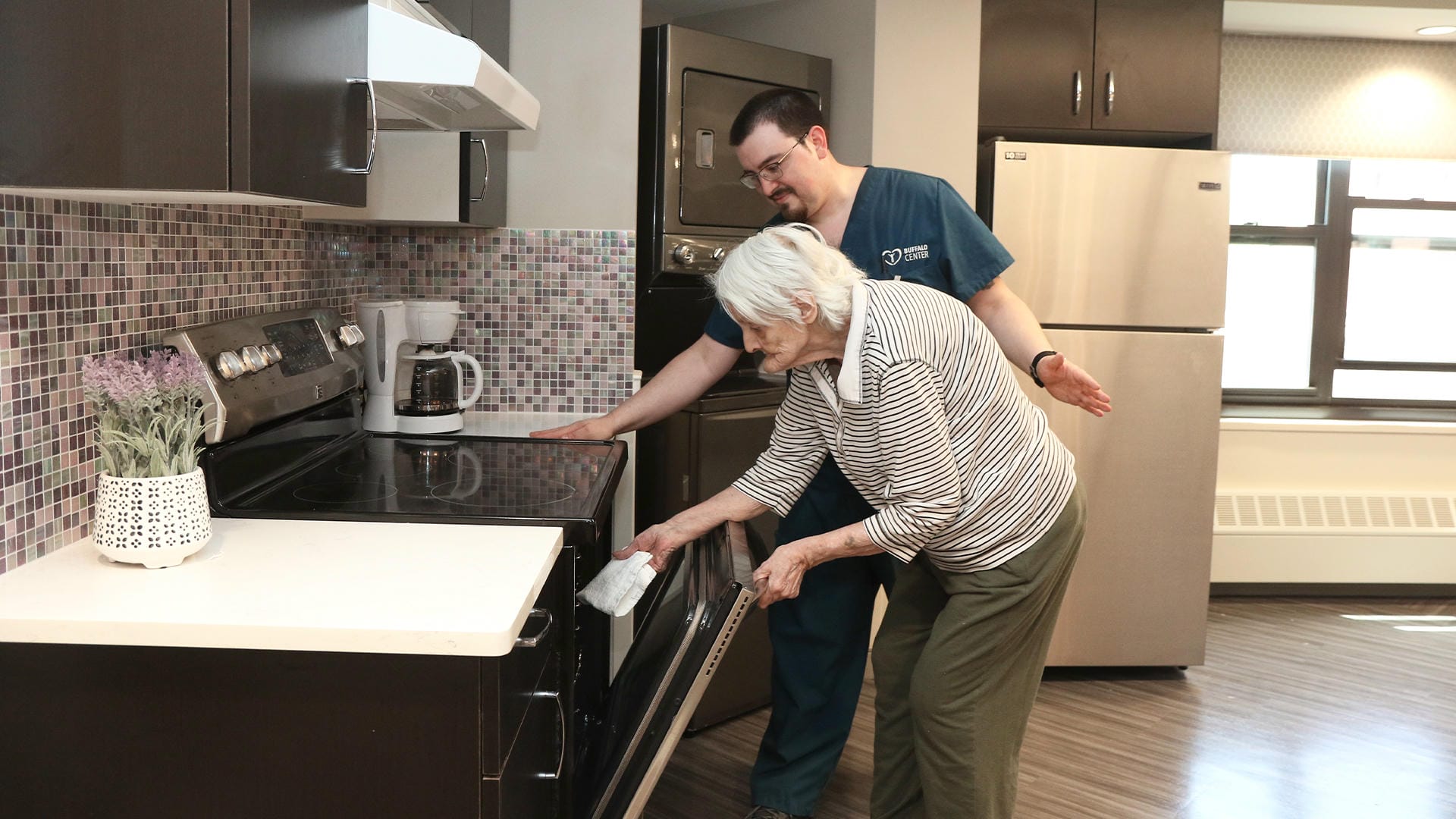
A visitor may spend an afternoon making soup, only to learn that it doesn’t fit the prescribed swallowing plan. The family needs those instructions on paper well before anyone starts cooking. I’d also tell the staff if my relative seemed unusually drained or downhearted.
A photo of the front steps can do a better job than a hurried description at a discharge meeting. That front step you barely notice may need a conversation of its own. Ask about the bedroom and bathroom before anyone starts arranging equipment.
Tell the team who will help, and when. If you’ll be assisting someone out of bed, have a clinician teach you how and watch you practice. Being willing doesn’t tell you whether you can do it safely.
In a search for stroke care in Cooperstown NY, don’t lose sight of the instructions you’ll need afterward. Before leaving, I’d want a written answer about the medicines, the next appointment, the exercises, and whatever equipment is coming home. Keep a contact name and number with those papers. A new episode of stroke symptoms still calls for 911.
Care. Support. Positive Outcomes. Centers Health Care.
At 128 Phoenix Mills Cross Road, Cooperstown Center is a place families can turn to discuss recovery after a hospital stay. Stroke Care and Short-Term Rehab are part of its services, alongside Long-Term Care, Cardiac Care, Wound Care, and Pain Management. Ask about physical, occupational, and speech therapies and how they would fit your relative’s needs. We don’t expect every person to have the same goal. One may be working toward home; another may need help with daily routines or greater comfort in long-term care. Some days bring progress, others frustration. Families should be able to ask what’s changed, what comes next, and how they can help.
Care. Support. Positive Outcomes. Centers Health Care.
Centers Health Care provides rehabilitation, skilled nursing and long-term care for people with a wide range of needs. Whether someone is recovering from surgery, managing an illness or simply needs more support than can be provided at home, our staff is there to help.
The goal is not exactly the same for everyone. It may be returning home, becoming stronger, staying independent or simply feeling better and more comfortable from one day to the next. There will be progress, setbacks and difficult days along the way. Our job is to be there through all of it, and to help each patient or resident get as far as he or she can.
Sometimes that progress comes in large steps. More often, it comes in small ones. Either way, every step matters.
Our Steps to Home series follows patients through rehabilitation and the journey from hospital to home: