
Stroke, Spine, and Orthopedic Rehab: What Families Should Track Each Week
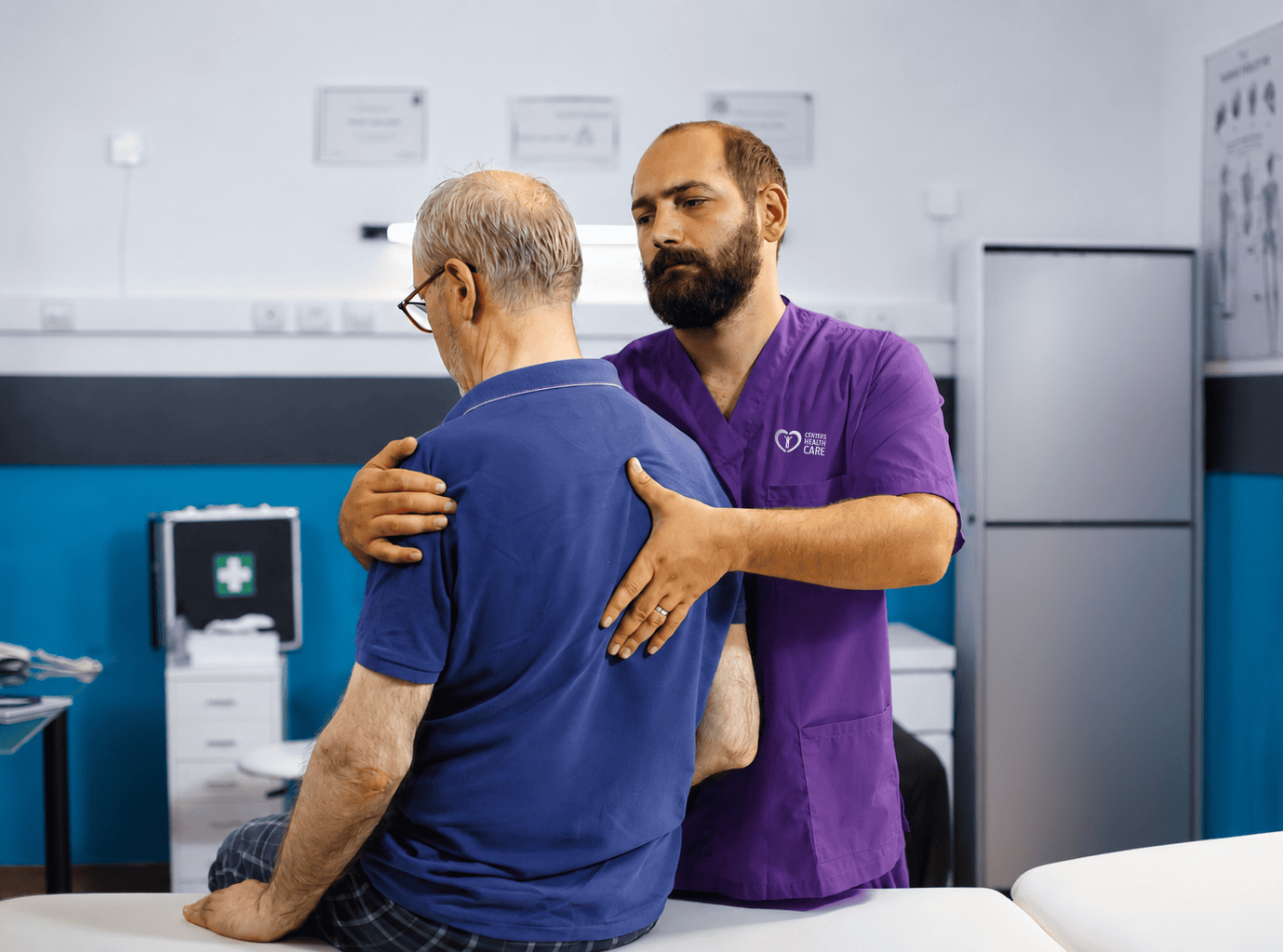
Week one looks nothing like week four. That’s the part nobody tells you at admission. A patient recovering from a hip replacement might be working on transfers from bed to chair while someone three doors down, recovering from a stroke, is relearning how to grip a spoon. Different timelines, different milestones, same building.
Families walk in wanting a single number — a discharge date, a percentage healed. Rehab doesn’t work that way. What it does offer is a set of markers, week over week, that tell you whether things are trending in the right direction. Orthopedic and stroke rehab both follow this logic, even though the clinical paths diverge almost immediately.
Week One: Establishing the Baseline for Orthopedic and Stroke Rehab
The first week is assessment-heavy. Physical therapists measure range of motion in degrees, not adjectives — a knee replacement patient’s flexion gets tracked against specific benchmarks, often 90 degrees by day five or six as a rough target, adjusted for age and prior mobility. Stroke patients undergo different scoring: gait speed, grip strength on the affected side, and standardized cognitive screens repeated at intervals to catch subtle shifts.
Pain management gets dialed in here too, and it’s more art than families expect. Too little control and a patient won’t tolerate therapy sessions. Too much and they’re groggy through the one hour of PT that actually moves the needle. Nurses and therapists coordinate on timing — session scheduled for mid-morning, medication timed accordingly.
Cardiac monitoring runs in the background for anyone with a cardiovascular history, which after a stroke is close to universal. Blood pressure checks before and after exertion, heart rate response to activity — these aren’t separate from the rehab plan, they’re baked into it.
Week Two Through Three: The Grind
This is where families get discouraged, oddly enough, because visible progress can stall even as function improves. A stroke patient might plateau on arm strength while making real gains in balance and gait — the kind of trade-off that doesn’t show up on a quick visit but matters enormously for going home safely.
Track these things specifically:
- Distance walked with assistive device (measured in feet, then yards)
- Number of repetitions completed without rest breaks
- Transfer independence — can they move from bed to wheelchair with one assist, or none?
- Speech clarity and word-finding, for stroke patients with any language involvement
- Wound status, for anyone with a surgical incision or pressure injury being monitored alongside rehab
Wound care intersects with orthopedic recovery more than people assume. A hip or spine surgical site needs daily inspection regardless of how well the joint itself is healing, and infection risk doesn’t announce itself politely. Redness that spreads, drainage that changes color — these get flagged immediately, not at the next scheduled check.
Pain scores should be trending down by week two, generally. Not gone — down. A patient reporting the exact same pain level at day fourteen as day one is a signal to reassess the plan, not to assume it’s just taking time.
Week Four and Beyond: Functional Testing
By the one-month mark, therapy shifts toward tasks that mirror actual home life. Can the patient climb three stairs with a rail? Get up from a low chair without using their arms? For stroke patients, this phase often includes cognitive-functional overlap: following a multi-step instruction while walking, managing a medication routine independently, judgment around safety in a kitchen setting.
Spine rehab in particular hinges on core stability testing here — not crunches, but the ability to maintain a neutral spine during transfers and light lifting, tested repeatedly under supervision before it’s cleared for home.
Families should ask for the specific numbers at this stage. Not “how’s she doing” — ask what the walking distance was last week versus this week. Ask what the therapist’s discharge criteria actually are, in writing if possible. Vague reassurance doesn’t help anyone plan for what home will require.
Oneida Center’s Approach to Orthopedic and Stroke Rehab
Oneida Center runs a full slate of services built around exactly this kind of week-by-week tracking — Stroke Care, Orthopedic Care, Pain Management, Short-Term Rehab, Cardiac Care, Wound Care, and Long-Term Care under one roof. That range matters clinically: a patient recovering from a stroke with a cardiac history and a healing wound isn’t juggling three separate providers, coordination happens internally, session to session. The pain management protocols run alongside the physical therapy schedule rather than as an afterthought, and the wound checks happen without a family needing to request them.
Steps to Home
Nobody should be discussing grab bars for the first time on discharge morning. That conversation needs to start around week two, while there’s still time to order equipment and not just improvise with what’s on hand. Raised toilet seat, shower chair, maybe a rail on the one step into the garage — whatever the specific patient’s mobility level actually demands, not a generic checklist.
Someone from the therapy team, ideally, walks through what the home setup requires before anyone commits to a date. Loose rugs. A bathroom that’s technically accessible but only if you’re not using a walker. Stairs with no rail on either side. These get caught in a proper assessment; they don’t get caught by a family assuming the house is fine because it always has been.
Then there’s what happens after the doors close behind them. A follow-up plan — outpatient sessions on the calendar, a primary care visit already scheduled, someone checking in on how week five is going. Whatever gains got made by week four don’t hold themselves. They need somewhere to keep going.
Care. Support. Positive Outcomes. Centers Health Care.
Centers Health Care provides rehabilitation, skilled nursing and long-term care for people with a wide range of needs. Whether someone is recovering from surgery, managing an illness or simply needs more support than can be provided at home, our staff is there to help.
The goal is not exactly the same for everyone. It may be returning home, becoming stronger, staying independent or simply feeling better and more comfortable from one day to the next. There will be progress, setbacks and difficult days along the way. Our job is to be there through all of it, and to help each patient or resident get as far as he or she can.
Sometimes that progress comes in large steps. More often, it comes in small ones. Either way, every step matters.
Our Steps to Home series follows patients through rehabilitation and the journey from hospital to home: