World Pneumonia Day 2026: Protecting Cardiac Recovery in Far Rockaway, NY, During Respiratory Illness Season at Far Rockaway Center
The lunch tray is still full, and your mother wants the visit cut short. She was chatting away on Sunday. Now she’s too tired, she says, and breathing looks harder than it did then. Before leaving, ask the nurse to see her.
World Pneumonia Day falls on November 12. Around cardiac recovery in Far Rockaway, NY, there’s good reason to pay attention to such ordinary-looking changes. Pneumonia occurs more often in adults over 65 and in people with chronic heart disease. Families don’t have to work out a diagnosis. They do need to speak up about what looks wrong.
Breathing Changes During Cardiac Recovery in Far Rockaway, NY
Three pillows are piled behind your father’s back, though he used to sleep with one. Ask whether lying down has become uncomfortable, and tell the nurse. In somebody with heart failure, that change can go along with fluid buildup. So can newly swollen ankles or much more effort needed to get dressed. A fever may never be the family’s first clue to pneumonia. An older adult can become weak or confused without the cough and fever the family expects. Mention a new cough or pain on breathing, even when your relative insists he’s only tired.
When the Call Cannot Wait
“I can’t wake him.” Get staff right away if you’re visiting the center. At home, call 911. Get the same emergency help for:
- Severe difficulty breathing.
- Chest pain or pressure that persists.
Stay with your relative while help is coming. Tell the responders when you first noticed the problem; calls to the rest of the family can come afterward.
An Untouched Meal and the Water Pitcher
“She ate about half yesterday, and today she wouldn’t touch it.” Give the nurse what you can remember about the meals, including whether your mother coughed when drinking. Appetite loss can go along with respiratory illness or heart failure. Staff need to know about it even if she’s telling you the food simply doesn’t appeal to her.
Before offering another drink, check the plan with nursing. For somebody with heart failure, a daily fluid limit may still apply during an illness. Don’t try to make up for poor intake by pouring more and more. Report how little she’s drinking, and mention reduced urine as well.
Ask which weight gain the team wants reported if she is weighed daily. More than 2–3 pounds in a day or 5 pounds in a week can be a warning sign with heart failure; the clinician should give you her own threshold. Any change to a water pill needs the prescriber’s directions. Keep those instructions with the rest of the care plan.
What to Say When You Call the Nurse
If your mother was halfway through breakfast when you arrived and still hasn’t finished when you leave, say so. “She’s tired” doesn’t give the nurse much to go on. The nurse may have seen her earlier, when she was doing better.
Staff may use an SBAR handoff to take that concern to the clinician. You can help by giving the immediate problem and the relevant history, then asking for an assessment. A family call might begin, “My mother is recovering from a heart problem. She’s been coughing since breakfast, and talking seems to tire her out. I’d like someone to check her before I go.”
Write the callback time beside the nurse’s name. If nobody is available to assess a new concern, ask for the charge nurse. Don’t save a worsening symptom for that callback; tell staff immediately if she’s getting worse.
Planning Visits During Cardiac Recovery in Far Rockaway, NY
October 26, 2026, was the date New York declared flu prevalent. So, heading into World Pneumonia Day on November 12, families in Queens are already dealing with respiratory season. If you’ve woken up with a cough or sore throat, phone your relative instead of visiting while sick. The grandchildren can wait a few days, too, if they’re ill.
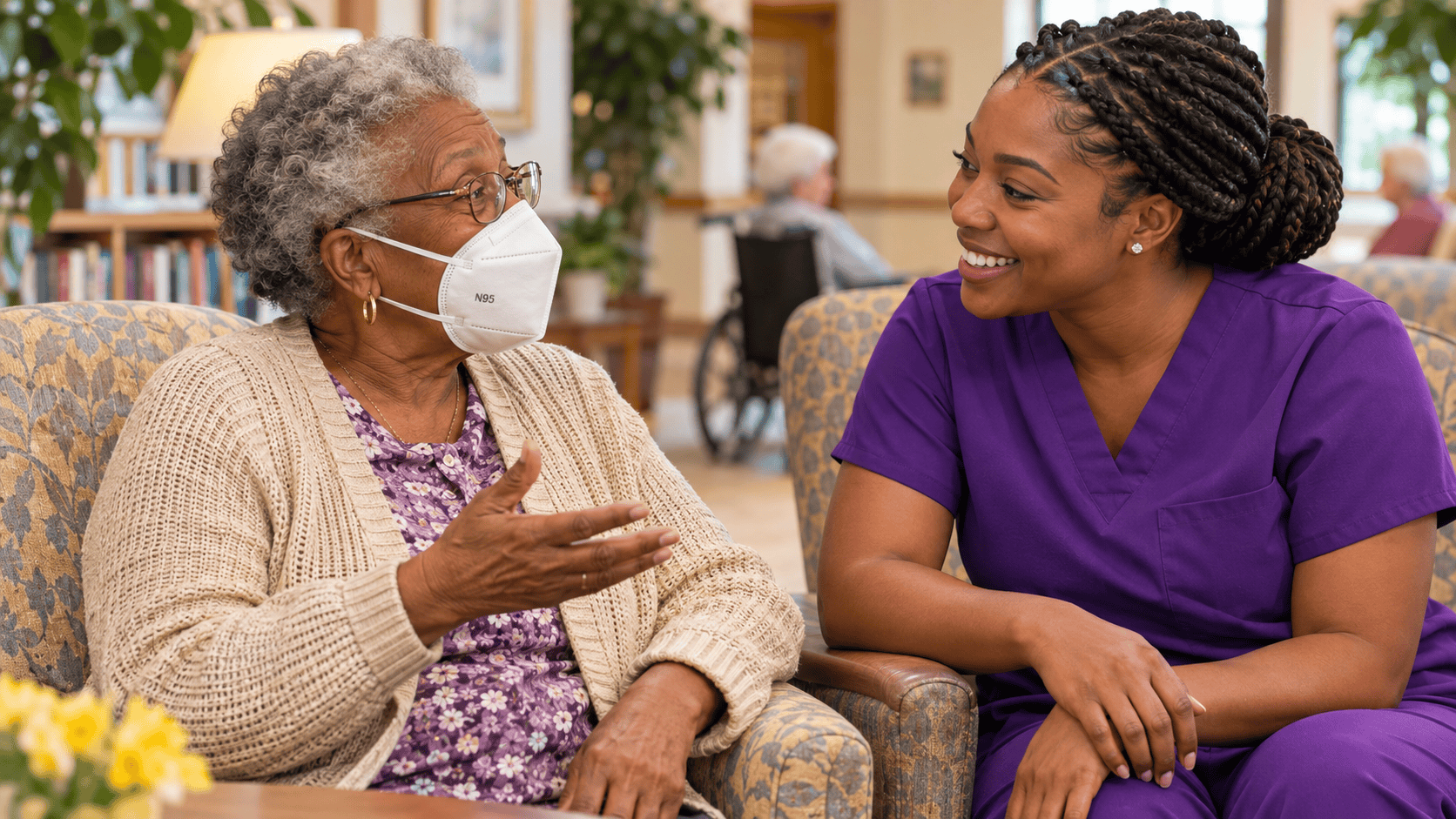
Check with the unit about masking and when you can return after being sick. Wash your hands when you arrive for a visit.
Take a copy of the vaccination record to the care discussion. Have the clinician check pneumococcal protection and what is due for flu and COVID-19, along with RSV eligibility. A remembered “pneumonia shot years ago” leaves out the date and the product. If the record is incomplete, ask which earlier provider might have the missing entry.
Care. Support. Positive Outcomes. Centers Health Care.
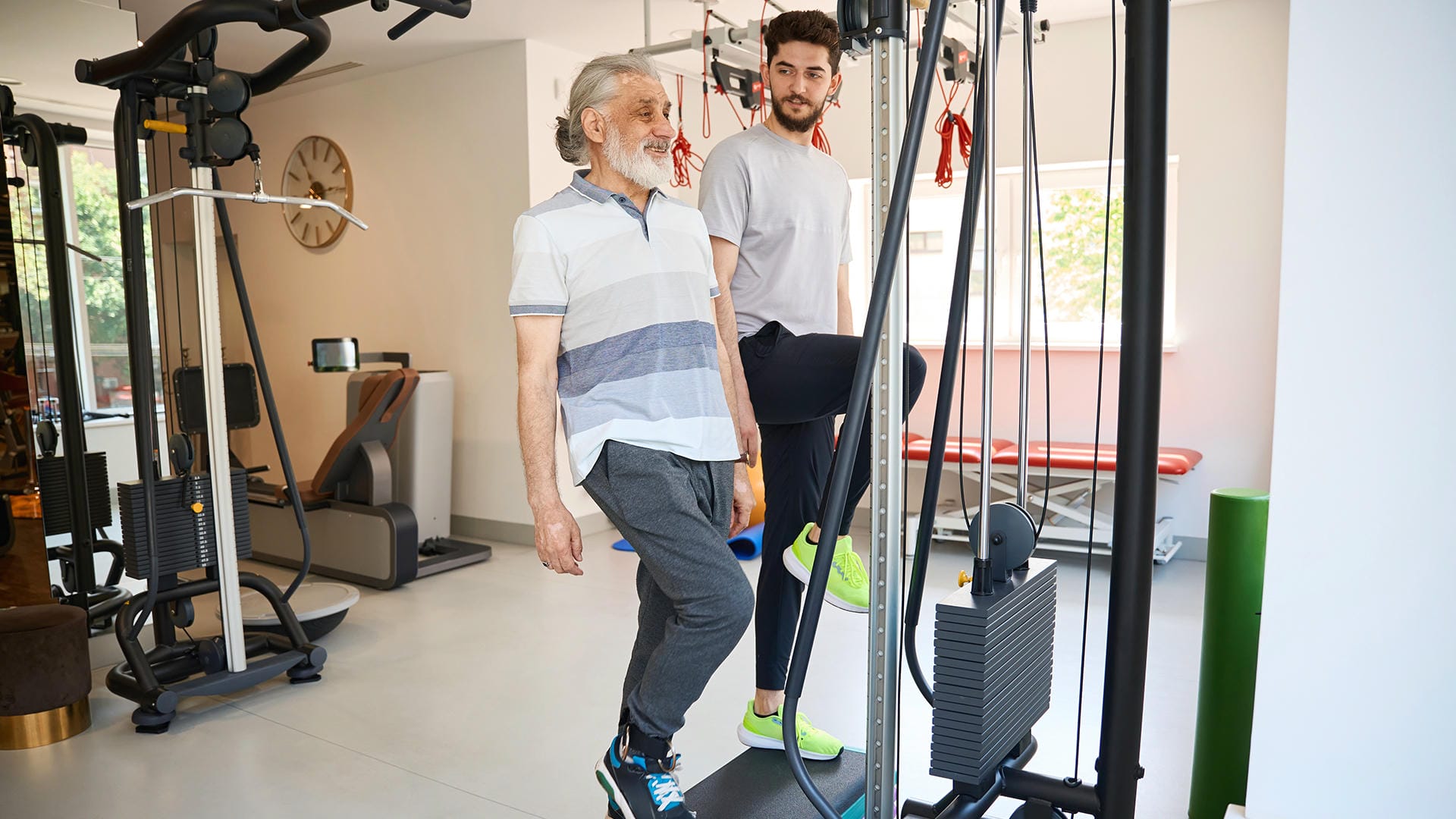
Buttoning a shirt may still take another person’s help after an illness. Rehabilitation, skilled nursing and long-term care are available through Centers Health Care’s affiliated facilities for people who need support after surgery, during recovery or from day to day.
We begin with what the patient or resident hopes to do. It may be returning home, becoming stronger, staying independent or feeling more comfortable from one day to the next. There will be progress, setbacks and difficult days. Our job is to be there through all of it and help each patient or resident get as far as he or she can.
Sometimes the improvement is easy to see. On other days, someone manages a few more steps or needs a little less help with lunch.
At Far Rockaway Center on Virginia Street, coastal Queens families can ask about Cardiac Care, Long-Term Care, Short-Term Rehab, Stroke Care, Pain Management and Wound Care. November 12 is a good time to review the contact plan with nursing: how to report breathing changes, fatigue, poor appetite or concerns about hydration, including after a family visit has ended.
Care. Support. Positive Outcomes. Centers Health Care.
Centers Health Care provides rehabilitation, skilled nursing and long-term care for people with a wide range of needs. Whether someone is recovering from surgery, managing an illness or simply needs more support than can be provided at home, our staff is there to help.
The goal is not exactly the same for everyone. It may be returning home, becoming stronger, staying independent or simply feeling better and more comfortable from one day to the next. There will be progress, setbacks and difficult days along the way. Our job is to be there through all of it, and to help each patient or resident get as far as he or she can.
Sometimes that progress comes in large steps. More often, it comes in small ones. Either way, every step matters.
Our Steps to Home series follows patients through rehabilitation and the journey from hospital to home: