World PT Day 2026: Stroke Rehabilitation Minoa NY at Onondaga Center
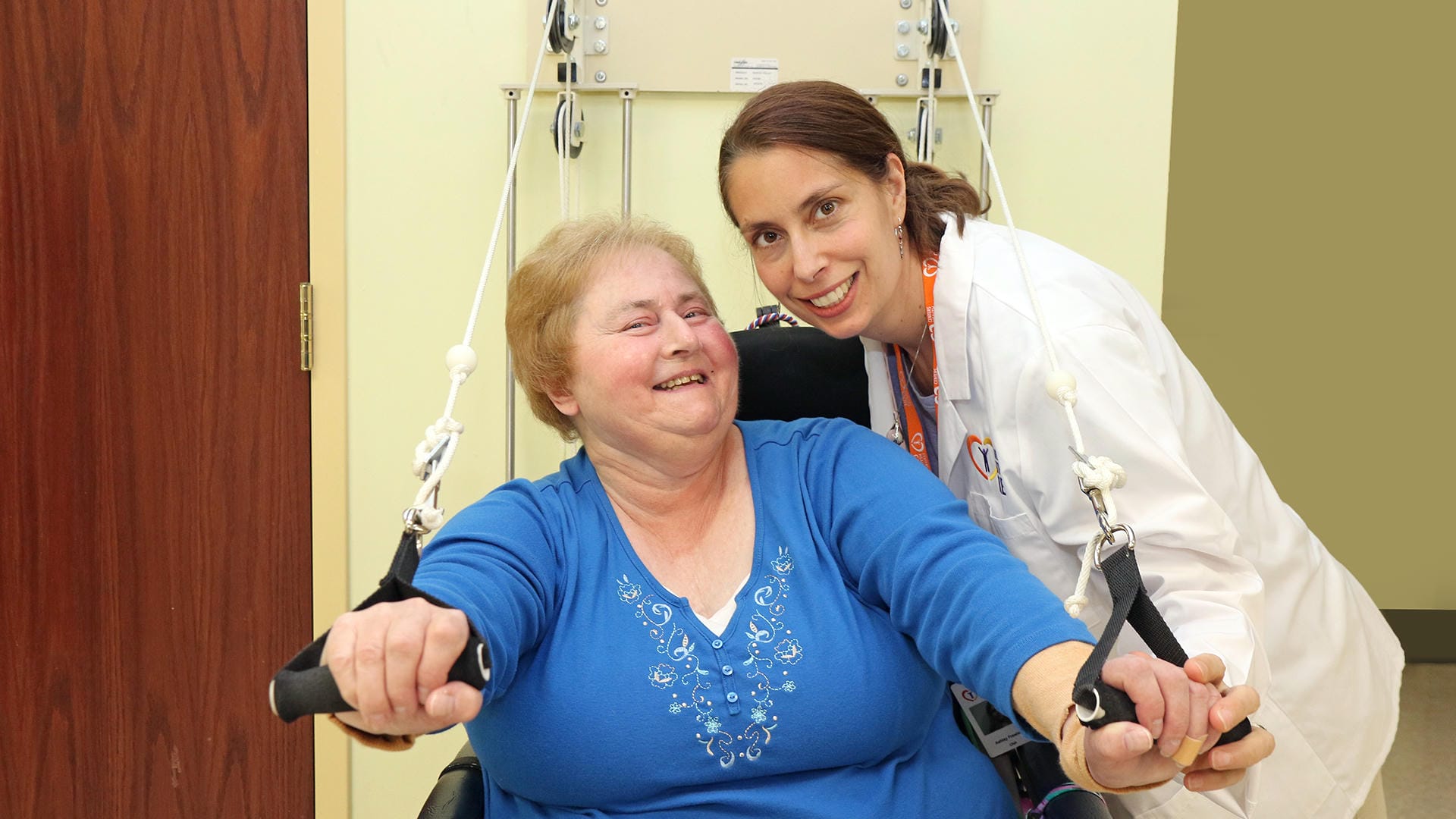
A trip from the bed to the sink can turn into a field test. The person has to stand, find balance while turning, judge the distance to the walker, clear the doorway and keep enough energy in reserve for the trip back. Someone who has never had to relearn that sequence may call it a short walk. The body has other ideas.
World PT Day is observed on September 8, and this year’s campaign centers on cardiovascular disease and stroke. That puts physical therapy in a rather useful frame: movement serves recovery, yet it also exposes the parts of recovery that still need work. The goal may be a longer walk, a safer shower, a steadier hand or a less exhausting afternoon. Those are specific jobs, not poster slogans.
Stroke Rehabilitation Minoa NY: A Theme With Consequences
Stroke hands clinicians a messy deck. One resident may take a good straight path down the hall, then lose the sequence during a turn. Another may have fair leg power and no confidence using it. Vision, sensation, attention, speech, endurance and mood can pull in different directions on the same afternoon. Cardiac history has a vote, too.
The early days call for restraint. Once medical stability is established, rehabilitation should get underway promptly, although hard exertion and demanding task drills are held back during the first 24 hours. Later sessions can become more ambitious. Supported standing may give way to a hall walk, then turning, a device, an obstacle or a flight of steps. Symptoms and response to activity decide the pace.
People looking up stroke rehabilitation Minoa NY tend to ask bluntly, and fairly so: Can she handle the bathroom? Can he get through the front door? Those answers are earned through assessment and repetition. Recovery does not consult a calendar before changing its mind.
Stroke Rehabilitation Minoa NY: Keep a Scorecard
Progress first appears in scraps. The marked distance in a 10-meter walk tells one story about pace. Six minutes of walking reveals what happens once the first burst of effort is gone. Timed Up and Go testing puts standing, walking, turning and sitting into one ordinary little chain. Balance measures, including the Berg Balance Scale and Functional Reach Test, look at another piece of the puzzle. Structured arm testing records changes in reach, grip and release.
Then someone has to interpret the results. A clean score on a hallway test means little if the person freezes when backing up to a chair. The reverse happens too: a slow walker may place the device well, take a sensible pause and transfer safely. What happens with a cup, a raised toilet seat, two instructions in a row or a change from lying down to standing belongs in the record.
The plan can stretch when it is safe to do so. Staff may check how exertion feels and review the clinical monitoring that applies to the person. Practice then grows through repetition: rising from a chair, working the legs against resistance, walking a purposeful route, turning around and doing it again. The eventual target is useful movement, not a pretty number in a chart.
The Work Between the Big Goals
A bathroom exposes the weak spots in an abstract recovery plan. A low seat, wet footing, a narrow turn and an ill-placed walker leave no room for vague advice. Bed mobility and transfers receive plenty of repetition for that reason. Feet, hands, trunk, device and destination all have to line up in the right order.
Post-stroke exhaustion has its own strange timetable. It can show up after a small effort, stay for hours and make the following morning harder. Planning helps: schedule the demanding task for the better part of the day, build in a chair, stop before form falls apart, then return to the job later. A seated session may be exactly right on a rough day.
Hand recovery is equally concrete. Try spreading toothpaste, pulling up a sock, steadying a bowl or picking up a phone after weakness on one side. Each job asks for a different response from the arm and shoulder. Therapy should keep returning to the actions people miss most.
Cardiovascular Education Has a Practical Job
The discharge folder is useful only if somebody can use it at 8 p.m. A family needs clear activity instructions, the phone number for questions, a sense of what the follow-up schedule is and a working medication routine. Regular movement, sleep, meals and smoking cessation when relevant fit into that picture. So does knowing the limits the care team has set.
Here is the emergency version. A face suddenly pulled to one side, words that come out scrambled, a new arm drift, abrupt trouble with sight or balance: treat those as a 911 problem. Sudden confusion and a crushing new headache belong in the same category. Ambulance transport starts the clock; a private car does not.
Care. Support. Positive Outcomes. Centers Health Care.
Onondaga Center in Minoa brings together Stroke Care and Cardiac Care with Short-Term Rehab, Orthopedic Care, Pain Management, Wound Care and Long-Term Care. That is helpful when one recovery touches several problems at once. Somebody may be restoring endurance after a cardiovascular event while also relearning a transfer, managing pain or preparing for home after surgery. Physical and occupational therapy have an ADL suite with a bedroom, bathroom, kitchen, washing machine and dryer for working through the awkward parts of daily living. Improvement shows itself in plain sight: less help needed at a chair, a more secure walk, an arm joining the task and fewer hours lost to exhaustion. Sometimes the family sees it before the chart does.
Steps to Home
Home is usually prepared in small decisions: which chair is easiest to rise from, where the walker will sit at night, who has practiced the transfer, what exercise belongs on the refrigerator and which symptoms deserve an immediate call. Before discharge, the plan should make those details plain to the person and the people helping. Then the next step is less of a leap.
Our Steps to Home series follows patients through rehabilitation and the journey from hospital to home: