Bone and Joint Action Week 2026: Orthopedic Recovery Goals for Glens Falls Patients
The front entrance has three steps, and the bathroom is upstairs. Someone recovering from an orthopedic operation may look at that familiar house and wonder how, exactly, getting home is supposed to work.
That is where I’d begin the conversation for Bone and Joint Action Week, October 12–20, 2026. Families researching orthopedic rehabilitation in Glens Falls NY can bring the awkward household details to the care team now, while there is time to practice. In the North Country, the same doorway may present a different problem once the landing is covered in ice.
Setting mobility goals for orthopedic rehabilitation Glens Falls NY
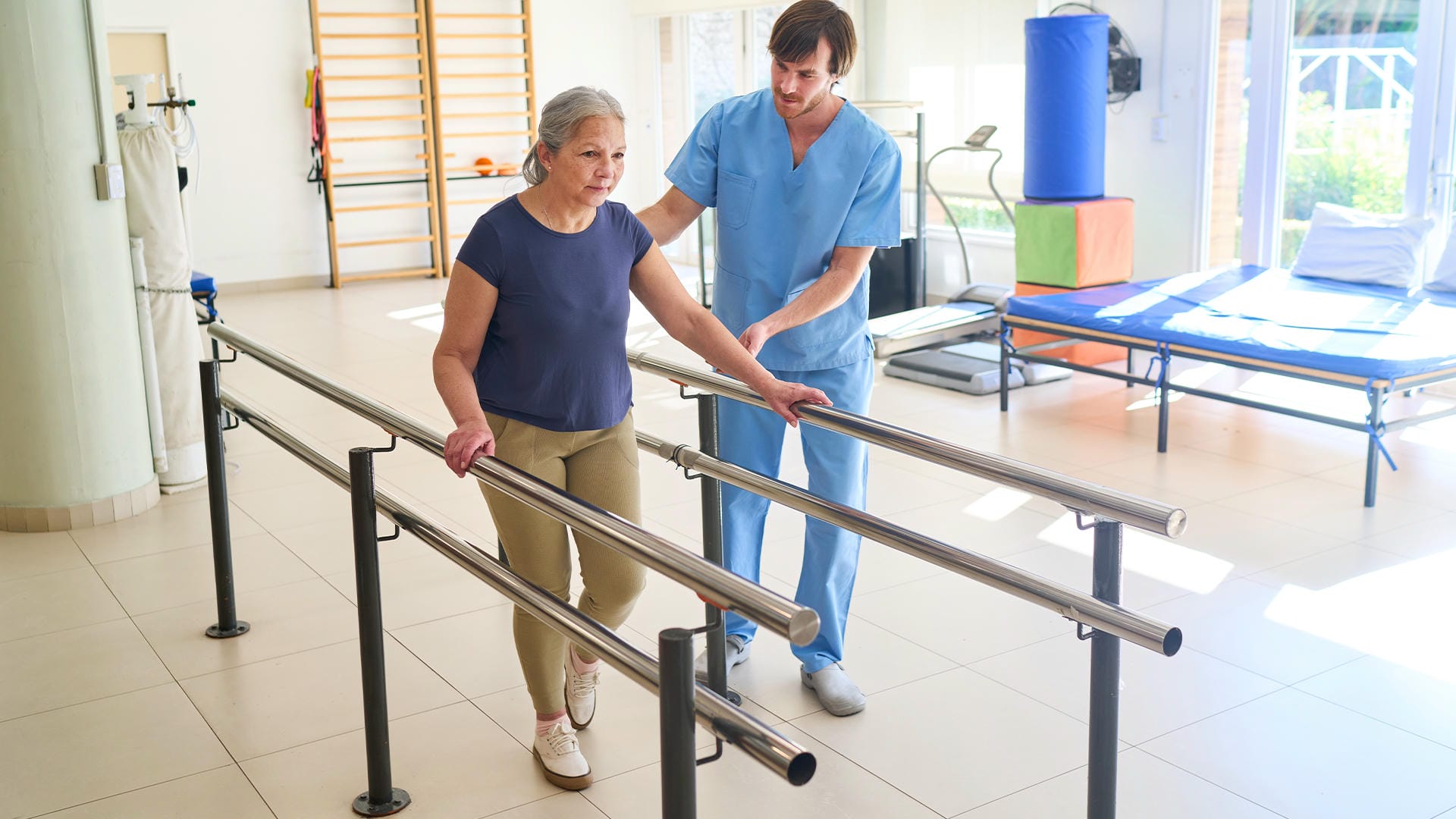
The bathroom is twenty feet away, say. Put that distance on the goal sheet, along with the walker prescribed and the assistance needed to make the trip. Now there is something the patient and therapist can check together at an agreed review date.
Getting up from bed may take more work than the walk itself. Another person might manage both and struggle at the threshold. Give each task its own entry rather than treating a longer hallway walk as evidence that everything else is going smoothly.
There is also the question of what the healing leg is allowed to bear. Ask the team to translate the surgeon’s order: how much weight, with which device, and under what restrictions? The permitted amount depends on the injury or procedure. A family member cannot change it because the patient seems eager to try more.
Watch the reminders. Someone who needs cues to position a walker correctly still needs that help after completing the distance. Ask whether fewer cues, a steadier turn, or less physical assistance would be the next useful target.
When the pain score leaves something out
A patient might say the pain is a three while lying down, then need to stop halfway through putting on a shoe. I’d put the shoe in the care-team conversation. What position brought on the ache? Did it ease when the task stopped? The familiar 0–10 scale is useful, provided the number travels with a description of what the person was doing. Otherwise, the score in the morning and the score after therapy may be talking about two different situations.
With the clinician, choose a goal around an activity that has been getting interrupted. Perhaps the person wants to finish dressing, or sit comfortably long enough to eat. Medication timing and approved comfort measures can be reviewed against that activity. Follow the team’s directions, including before trying another remedy. The next discussion should include how the attempt went, and any new symptoms need prompt attention. There is no benefit in keeping a worsening problem to oneself.
Checking balance during orthopedic rehabilitation Glens Falls NY
A chair and a marker 10 feet away are enough for the Timed Up and Go assessment. The clinician times an older adult rising, walking out to the marker, turning, and returning to sit. Staying alongside the patient is part of the safety instructions in CDC’s STEADI resources. Twelve seconds or longer flags fall risk.
That is one number for the care discussion. A surgical restriction might make this particular assessment unsuitable; the treating clinician decides. At home, nobody is going to announce “Go” before a trip to the bathroom.
Ask about the turn that has been giving the patient trouble. A possible target, agreed with the therapist, is approaching the chair and sitting safely with the prescribed walker and the specified level of help. Record whether reminders or physical assistance were needed. Dizziness and near-falls need reporting, including those that happened outside a session. The patient’s account of what went wrong can fill in something the hallway walk did not show.
Bring the front entrance into the conversation
“The entrance is fine” can mean three steps, a narrow landing, and a handrail that ends before the top. A photograph brings that description into focus for the occupational therapist. Add measurements of a tight doorway; the walker’s width will not become negotiable on discharge day.
I’d want the discussion to include the chair used after dinner and the route to the toilet at night. A soft sofa might be difficult to get out of. Cords and loose rugs in the walking route need attention before the homecoming. The therapist can help decide where bathing equipment should go and how to keep daily items accessible within movement restrictions.
Someone also has to deal with the front steps after snow falls. New York’s home-safety guidance calls for walkways clear of snow and ice. In Glens Falls, arrange that help before winter and talk about an approved indoor activity plan for bad-weather days.
The caregiver’s availability needs the same scrutiny as the doorway. Check the hours, rehearse the assistance recommended, and obtain written medication and any wound-care instructions. If a question comes up after supper, who gets the call?
Care. Support. Positive Outcomes. Centers Health Care.
Bring the surgeon’s restrictions and the questions about daily assistance to Glens Falls Center, at 152 Sherman Avenue. Orthopedic Care and Pain Management are listed there, alongside Short-Term Rehab. The center also offers Long-Term Care, Stroke Care, and Wound Care. Families comparing options for orthopedic rehabilitation Glens Falls NY can ask which services fit this particular recovery. Across the Centers Health Care network, rehabilitation and skilled nursing help after surgery or illness, with longer-term support when living at home is no longer practical. We may be working on an eventual return home, or helping a resident get through dressing with less difficulty. Either situation can bring a discouraging day. The staff’s work continues when the latest attempt did not go as hoped.
Care. Support. Positive Outcomes. Centers Health Care.
Centers Health Care provides rehabilitation, skilled nursing and long-term care for people with a wide range of needs. Whether someone is recovering from surgery, managing an illness or simply needs more support than can be provided at home, our staff is there to help.
The goal is not exactly the same for everyone. It may be returning home, becoming stronger, staying independent or simply feeling better and more comfortable from one day to the next. There will be progress, setbacks and difficult days along the way. Our job is to be there through all of it, and to help each patient or resident get as far as he or she can.
Sometimes that progress comes in large steps. More often, it comes in small ones. Either way, every step matters.
Our Steps to Home series follows patients through rehabilitation and the journey from hospital to home: