
World Hospice and Palliative Care Day 2026: What Families in Granville Should Know About Comfort-Focused Care
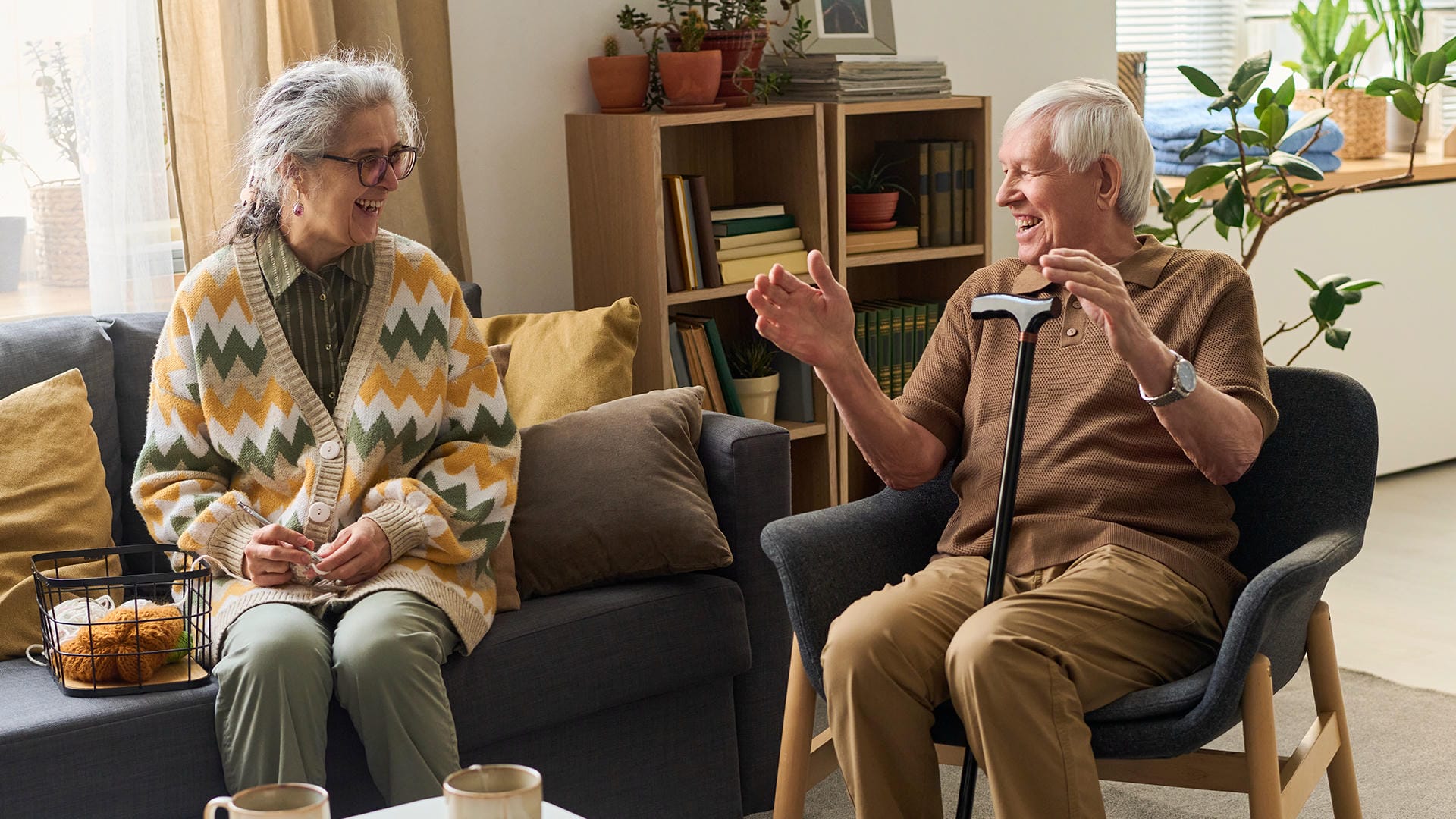
“Can we go back to what you said about the medicine?” It is a reasonable interruption. A family can understand the diagnosis and still be unsure what will happen when a relative needs help turning tonight. Put that question to the clinician while the plan is being discussed. Say what you’ve noticed, and give the patient a chance to answer before everyone answers for him.
With the 2026 observance of World Hospice and Palliative Care Day having passed on October 10, we choose to use the occasion to reopen a conversation that may have been hurried the first time around. People searching for hospice care in Granville, NY need an explanation of what the proposed approach means for this resident. He may want less discomfort during washing, or have questions about being awake when somebody visits. Let him finish the question.
Hospice care in Granville NY: Ask what is being proposed
“What about the nausea during treatment?” That question can lead to a palliative consultation while the treating clinician carries on addressing the illness. New York’s patient guidance allows this overlap, including for illnesses that aren’t terminal. we’d get the caller to explain the proposed referral before the family begins guessing what it means for the rest of the treatment plan.
You may still be trying to understand what a hospice referral would change for your relative. we’d have the clinician explain the terminal illness and eligibility assessment in this particular case. The patient is choosing to organize care around comfort; go through the proposed changes to medicines and other treatments before that phrase acquires a meaning nobody intended.
One familiar prescription may be causing most of the family’s worry. Write its name down. The clinician can explain what it is accomplishing now, whether taking it has become burdensome, and what the patient could expect if it were changed. The general phrase “comfort-focused” leaves those questions open.
The answer after a quiet half-hour
I wouldn’t leave a “fine” on the page without mentioning that the resident pulled away during washing. He may be comfortable now. The earlier movement still needs a description, with its time, the location of the discomfort and anything he said about it. Burning, aching, only when turning: those are different things for the nurse to hear.
Ask about the number on the assessment. A resident’s own 0-to-10 rating needs to be understood in context. With advanced dementia, the clinician may have used observations instead, through a tool such as PAINAD, Pain Assessment in Advanced Dementia. We’d want to know what the nurse saw and what other cause of distress was considered. A score doesn’t settle that question.
The last prescribed dose, the change afterward and the reassessment belong in the discussion too. There may be less discomfort at rest and still a problem when the person needs help getting into a chair.
Before the family leaves for the night
“Who gets the call tonight?” We’d put the answer in the same notebook as the questions about pain. Get the contact instructions before leaving, including what the family should do if prescribed measures give little relief. New trouble breathing or abrupt confusion needs prompt clinical assessment.
A dry mouth or uncomfortable position in bed may have occupied most of the visit. Mention it. Ask what help with mouth care, clothing, skin and repositioning the person can tolerate, and how that will fit tonight’s routine.
A preference needs to reach the person writing the orders
“This is the newer copy,” you tell the nurse, pulling a document from the folder. Make sure the team has it. With a New York health care proxy, an appointed agent takes on health decisions when the patient loses decision-making capacity. Before that, the resident continues to decide, including when relatives would prefer another answer.
We’d ask separately about MOLST, the Medical Orders for Life-Sustaining Treatment document. Its orders concern the patient’s current condition and choices; the clinician signing them must have the required discussion and consent with the patient or authorized decision-maker. The appointment made in a proxy still needs its own record.
A preference voiced today needs to reach whoever will review those orders. So does a request for clergy to join a discussion. Families can ask where the current documents are kept and what will accompany the resident if the care setting changes. There may be an older answer in the chart that the patient no longer wants followed.
Care. Support. Positive Outcomes. Centers Health Care.
Getting up the stairs at home may be a useful goal after surgery. For a person with advanced illness, personal care with less distress may be the immediate priority. Centers Health Care’s affiliated facilities provide rehabilitation, skilled nursing and long-term support for people with a range of needs, including needs that change during a stay.
At Slate Valley Center, services for recovery after surgery or stroke sit alongside ongoing support, hospice care and pain management. We need to discuss the aim with the resident and family. There will be difficult days, and sometimes the plan needs another look. Tell us when what you understood at the last meeting no longer seems to fit your relative’s experience. That belongs in the discussion while the next day’s care is being arranged.
Hospice care in Granville, NY: A conversation with Slate Valley Center
The question list can start with something as specific as pain during washing. At Slate Valley Center, on State Route 40 in Granville, families can discuss how that observation would reach the clinician responsible for treatment. Hospice Care and Pain Management are available, with Long-Term Care, Orthopedic Care, Short-Term Rehab, Stroke Care and Wound Care also among the center’s services. We’d include the resident’s religious preferences and visiting routine while discussing who would coordinate hospice involvement. Families comparing hospice care in Granville NY should also go over telephone updates, particularly when relatives live farther away. The October 10 observance can start the conversation. A change noticed afterward is reason to reopen it. Use the facility website for contact information.
Care. Support. Positive Outcomes. Centers Health Care.
Centers Health Care provides rehabilitation, skilled nursing and long-term care for people with a wide range of needs. Whether someone is recovering from surgery, managing an illness or simply needs more support than can be provided at home, our staff is there to help.
The goal is not exactly the same for everyone. It may be returning home, becoming stronger, staying independent or simply feeling better and more comfortable from one day to the next. There will be progress, setbacks and difficult days along the way. Our job is to be there through all of it, and to help each patient or resident get as far as he or she can.
Sometimes that progress comes in large steps. More often, it comes in small ones. Either way, every step matters.
Our Steps to Home series follows patients through rehabilitation and the journey from hospital to home: