Cardiac Care After a Summer Hospital Stay: Questions Families Forget to Ask

Ask a cardiac nurse in upstate New York what worries her most about a July discharge, and it isn’t the discharge itself. It’s the three days after, when a patient goes home to a house that isn’t quite cool enough, skips the salt restriction because it’s cookout season, and doesn’t notice two extra pounds on the scale until the ankles start to swell.
Nationally, close to one in four heart failure patients ends up back in a hospital bed within thirty days of walking out the front doors. Cardiac care after hospitalization is supposed to close that gap. Often it doesn’t. The medicine rarely fails. What fails is translation — nobody turns a discharge folder into an actual Tuesday.
What Cardiac Care After Hospitalization Actually Requires at Home
Six medications is not unusual for someone leaving with a diagnosis of heart failure or a recent stent. A beta blocker, an ACE inhibitor or ARNI, a diuretic, sometimes an SGLT2 inhibitor added in because current heart failure guidelines call for it regardless of diabetes status. Dosages shift mid-hospitalization. Pharmacy labels don’t always match what the discharge nurse explained at 7am while someone was still parking the car outside.
Medication reconciliation, sitting down and comparing what a person was taking before admission against what they’re sent home with, catches errors that would otherwise surface in an emergency room three weeks later. Unglamorous work. Also, by a wide margin, one of the single interventions with the strongest evidence behind it for preventing early readmission.
Weighing in every morning, same scale, same spot on the floor, feels like overkill until the one week it isn’t. Two pounds overnight or five in a week means fluid is building before anyone’s ankles look different or a flight of stairs gets harder. Most families get sent home with some version of a color-coded chart for this — green, call nobody, yellow, call the nurse line, red, go to the ER — taped to a fridge somewhere and mostly ignored by the third week, right about when a person starts feeling like themselves again and stops bothering to step on the scale.
The Seven-Day Follow-Up Window, and Why New York Summers Complicate It
Seven days. That’s the window where a follow-up visit actually moves the needle on readmission, according to most of the cardiology literature on this — not two weeks, not whenever the primary care office has an opening. Try scheduling that in real life. Someone still needs a ride, the family doctor is booked till the following Thursday, and the patient can barely make it from the bedroom to the bathroom without sitting down halfway.
Heat complicates the math. A diuretic pulling two liters of fluid off a body per day doesn’t distinguish between fluid causing congestion and fluid a person needs to survive a heat index over 95. Dehydration in July can mimic the electrolyte disturbances of heart failure itself, low sodium, low potassium, and a family working only from the “watch your salt” instruction given three weeks earlier can end up pushing in the wrong direction entirely. Air conditioning access becomes part of the actual medical plan whether or not it appears anywhere on the discharge paperwork.
Cardiac Rehab Is Still Part of Cardiac Care After Hospitalization
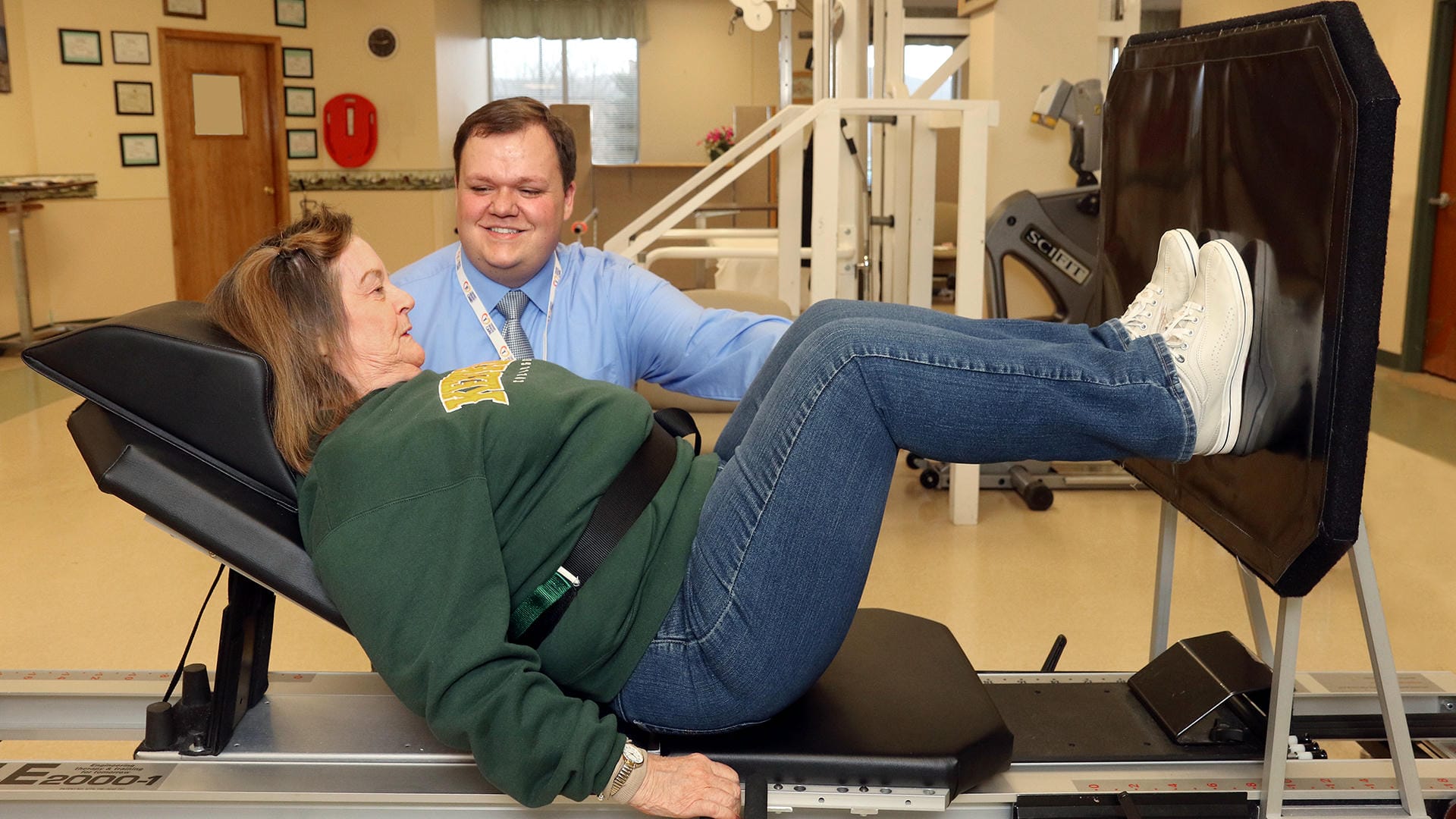
Thirty-six sessions, three times a week for twelve weeks, if someone actually finishes it. That’s Phase II, the outpatient stage, the one where a physiologist clips a telemetry monitor to your shirt and slowly cranks up resistance on a bike while watching your heart rate on a screen. People who stick with the whole thing die less often in the following year. It isn’t a small effect either. If a pill did that, it’d be front-page news; instead it’s a program half the referred patients never finish.
Completion rates still hover distressingly low. Scheduling conflicts, transportation, a vague sense that the danger passed once the hospital gown came off, all of it chips away at attendance over twelve weeks. Families who treat the first six rehab visits like a new medication, non-negotiable, tend to see different outcomes than families who treat rehab as optional the moment symptoms improve.
Signs You Don’t Sit On
Some symptoms can wait till morning. Chest pressure coming back can’t. Neither can sudden breathlessness the second someone lies flat, or confusion that wasn’t there the day before, or a pulse that suddenly feels like it’s stuttering instead of beating. Call the rehab staff or the home health nurse the same day, not next week when there happens to be an opening. Most of them can sort a phone triage out in under five minutes anyway.
Families tend to get this wrong in both directions. Some wait too long, assuming fatigue after a hospitalization is just recovery running its course. Others call about every twinge, which wears everyone down and eventually gets genuine warning signs treated like background noise. Cardiac care after hospitalization comes down less to any single follow-up visit than to the small daily decisions in between visits: which weight change earns a phone call, which fatigue is expected, which isn’t.
Care. Support. Positive Outcomes. Centers Health Care.
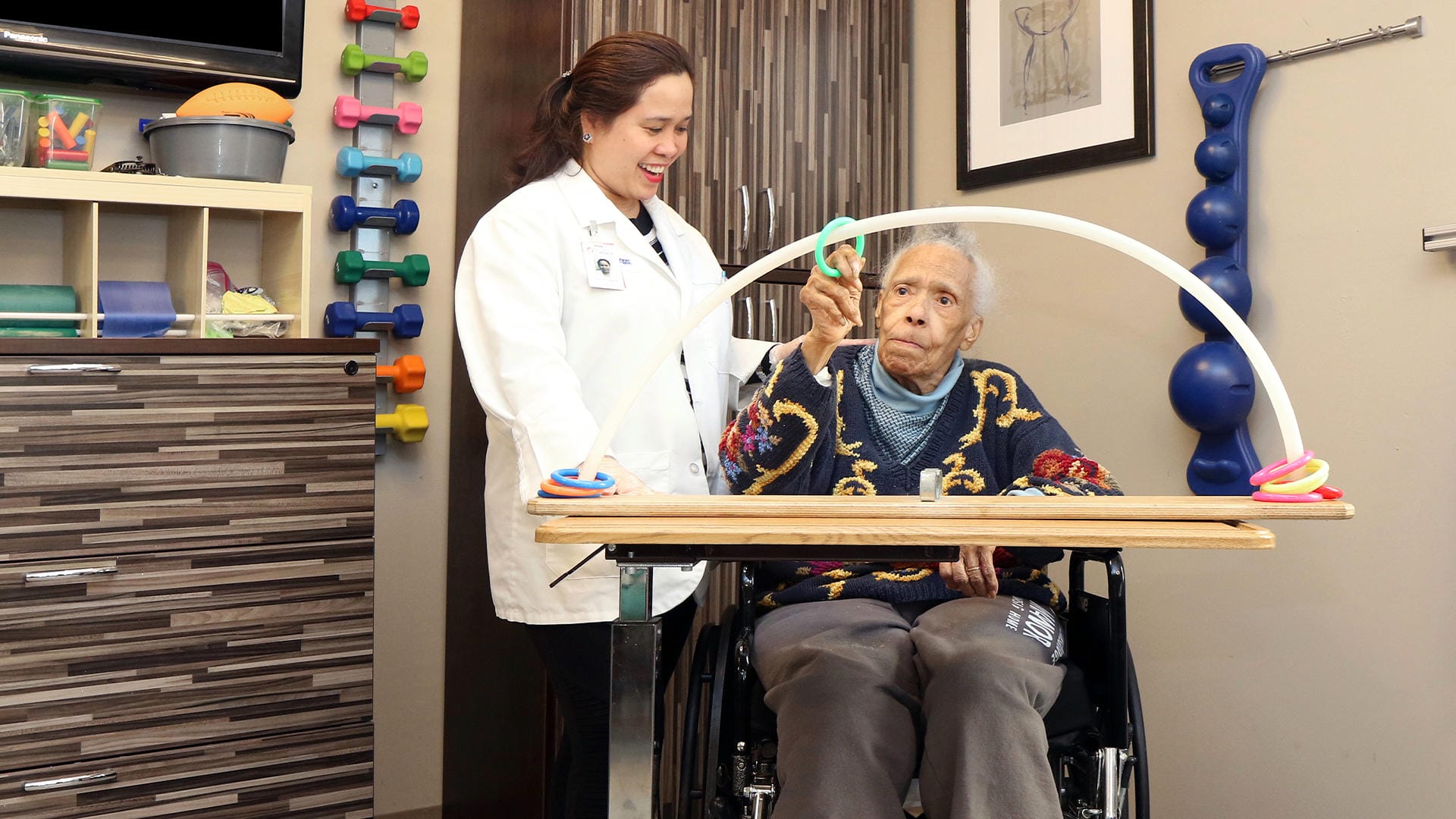
Troy Center handles this exact stretch: cardiac care and short-term rehab for people who just got out of a hospital and aren’t quite ready to be fully on their own yet. Stroke recovery, ortho cases, wound care and long-term residents share the building too, but the cardiac and short-term rehab side is built around exactly what’s in this article — someone gets sent home to the same weight checks, the same medication list that needs sorting out, the same follow-up window that’s supposed to happen inside a week.
Not every patient there is working toward the same finish line. Some are trying to get back to an apartment down the road and manage on their own. Others just need enough strength back to handle outpatient rehab three times a week without collapsing on the treadmill by session four. Troy Center‘s short-term rehab unit exists for that gap between the hospital bed and whichever of those two turns out to be true.
Steps to Home
No discharge folder handed over at 9pm on a Friday covers everything a cardiac recovery actually needs. Troy Center’s cardiac care and short-term rehab teams pick up from there: supervised rehab sessions, medication follow-through, daily weight and symptom monitoring, built around an actual New York summer instead of a generic one.
If a hospitalization just happened, or if a family’s still trying to piece together what an outpatient rehab schedule would even look like, calling Troy Center directly is faster than waiting for someone else to make the referral. Better to make that call in the first week than to still be figuring it out by week three.
Our Steps to Home series follows patients through rehabilitation and the journey from hospital to home: