National Family Caregivers Month 2026: Supporting Cardiac and Stroke Recovery at Beth Abraham Center
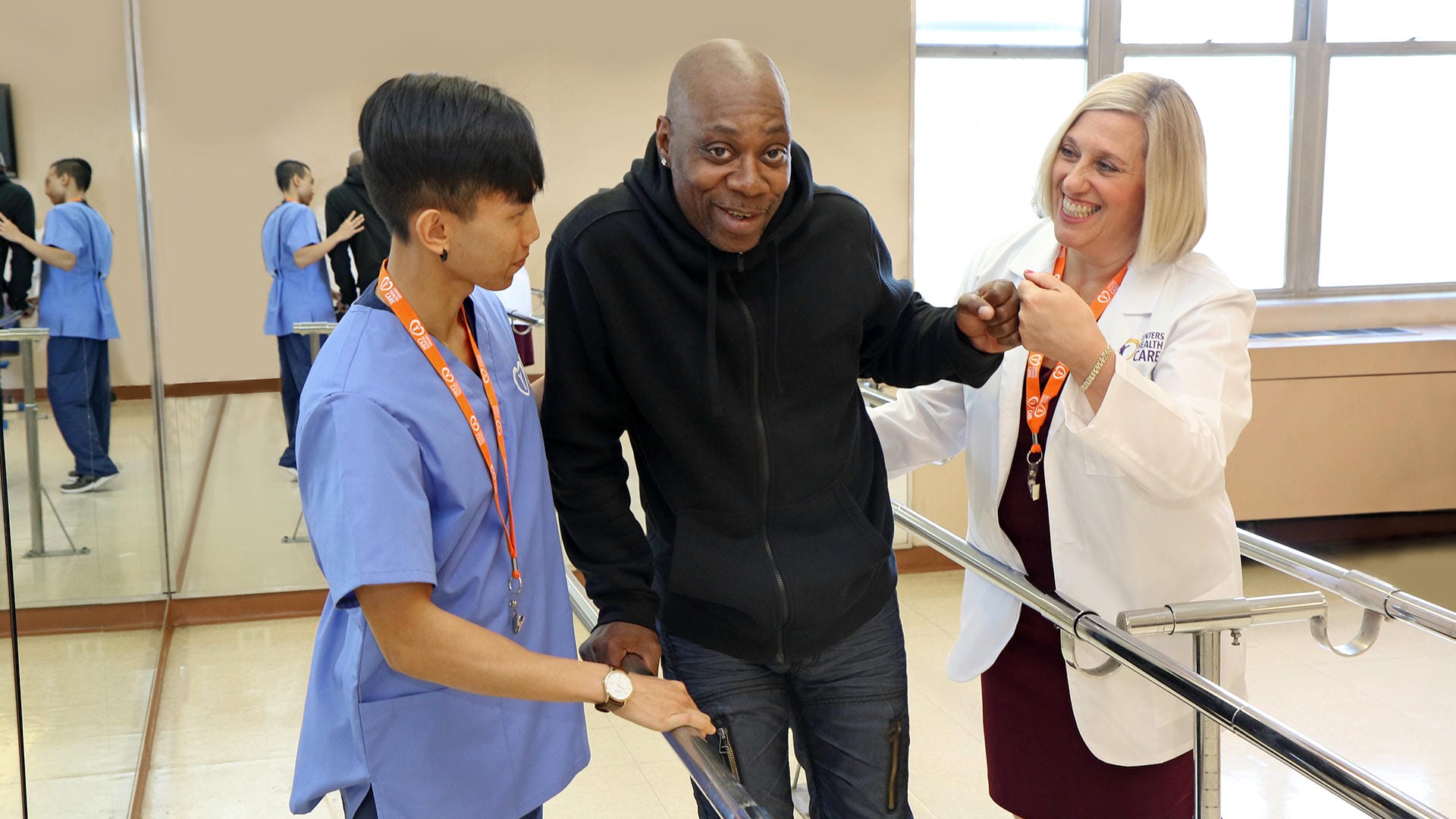
“What should I leave alone?” I’d put that question near the top of the list for a first rehabilitation visit. You can know your father better than anyone in the building and still need somebody to show you how to help him out of a chair.
November brings National Family Caregivers Month. For relatives considering cardiac and stroke care in the Bronx residents can receive at Beth Abraham Center, there’s plenty to do without appointing yourself the substitute therapist. Bring what you know about the person before the illness. Get the unanswered questions onto paper. And before promising daily visits through Thanksgiving, take a look at your own calendar. The enthusiasm of the first week needs a workable second week.
Cardiac and Stroke Care in Bronx: What Was Usual Before?
Don’t tidy up the account of life at home to spare anybody’s pride. If your mother said she managed the stairs, mention whether that happened once a week with somebody beside her.
The walker parked in the hallway may never have been used. A relative may have been laying out clothes every morning without anybody describing that as assistance. Those details belong in the admission conversation, along with the person’s own account. I’d ask them first; relatives have blind spots, too.
Put the medicine list and allergies with the discharge paperwork so staff can review them. Then distinguish the old difficulties from anything that has appeared since the illness. Even a rough time helps: before breakfast, after a nap, during yesterday’s visit. Let the team assess the change instead of deciding among yourselves that it’s probably tiredness.
Keep the Question on the Page
“Was that medicine stopped, or moved to a different time?” Write the question before the name of the tablet escapes you. The answer needs a date and a person attached to it; a family group chat can keep an old version alive for weeks.
With your relative’s permission, choose one contact for updates. Keep the unresolved questions on the same page. Someone still has to ask them, even after a cheerful conversation about progress.
Try a little teach-back while you’re there: give the nurse your account of what you’re supposed to do, as though you were explaining it to another relative. You want the misunderstanding caught now. A correction is useful, and you’re allowed to ask for the explanation again.
Physical help needs practice under supervision. “I understand” is an optimistic answer if nobody has watched you attempt the transfer yet.
Leave Room for the Person to Try
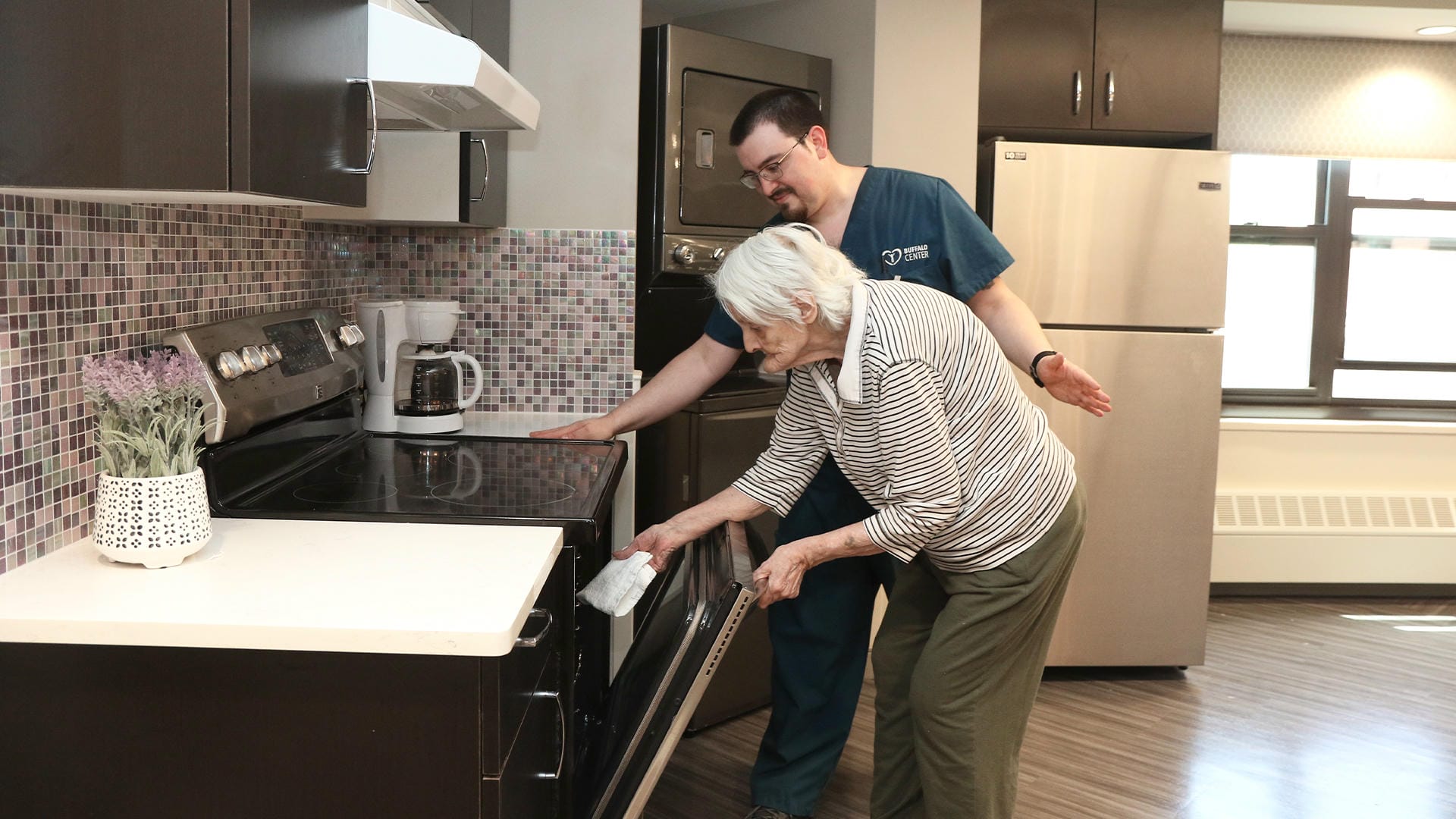
“Here, let me.” Three words, and the shirt is buttoned before your father has had a chance to try. I get the impulse. Ask the occupational therapist where help belongs in that particular task, including how long to wait and what to say if he gets stuck.
He may have a goal you haven’t asked about. Getting through the bathroom door can outrank another stretch of corridor walking. Find out what he wants to attempt and get the therapist’s instructions for practicing it.
Food needs a separate conversation after stroke. Check with the speech-language pathologist before bringing soup, a sandwich or a drink; swallowing instructions may specify texture or thickness. And however well yesterday’s walk went, a relative doesn’t get to prescribe today’s extra lap. Cardiac activity limits, stopping symptoms and any medicine changes belong with the treating team.
When to Call for Help
I’d want the weight instructions written down before relying on memory. For somebody with heart failure, what increase should bring a call to the clinician? Ask about the figures in the American Heart Association’s guidance: a rise exceeding 2–3 pounds within 24 hours, or more than 5 pounds over a week, can signal fluid buildup. Your relative needs an individual threshold from the treating team. Report new swelling or worsening breathlessness promptly, even if the weight hasn’t reached that number.
An earlier stroke can make families too ready to explain away another change. Please don’t. If there’s a new droop to the face, weakness in an arm or trouble with speech, get emergency help through 911 and alert staff immediately. FAST pairs those three signs with a fourth instruction: Time to call. Give the onset time if you know it; otherwise report when the person was last known well. Symptoms disappearing doesn’t make waiting safe.
Cardiac and Stroke Care in Bronx: Visits You Can Sustain
Tuesday at six may be what you can manage. Say that, rather than volunteering for every afternoon and cancelling by the end of the week. Check with your relative and staff about rest and therapy before filling in the family calendar.
There’s no requirement to turn the room into a reunion. Too many conversations at once can be tiring, and a person who enjoyed company yesterday may want quiet today. Ask. Talk about the ballgame or the neighbor if that’s what they’d rather hear; a visit needn’t become another examination.
The harder conversation is about home. If you can’t lift someone safely or stay overnight, bring it up during planning. Ask about phone updates for days you can’t get there. The American Stroke Association advises sharing caregiving and taking breaks, advice that belongs on the calendar alongside everybody else’s appointments.
Care. Support. Positive Outcomes. Centers Health Care.
Getting from bed to a chair may be enough to work on today. At Beth Abraham Center, our staff provide rehabilitation, skilled nursing and long-term care within Centers Health Care, including support after surgery and for people whose daily needs can no longer be managed at home. Orthopedic Care, Pain Management and Wound Care may be part of the picture alongside recovery from a heart problem or stroke.
We have to ask what the person wants to be able to do. Returning home may be the plan; for another resident, doing more of the dressing or getting comfortable takes priority. Some days the team has to reconsider what is reasonable. Ask about the smaller changes as well as the setbacks, and about the help your relative still needs.
Beth Abraham Center on Allerton Avenue
Before heading to 612 Allerton Avenue in the Bronx, jot down something the team may not know about your relative’s usual day. Beth Abraham Center offers Cardiac Care, Stroke Care and Short-Term Rehab, so November’s caregiver observance has a practical connection here. Bring the question you’ve been meaning to ask and explain what visits you can sustain. Perhaps you can join a therapy session with your relative’s consent; perhaps a scheduled update works better. Ask staff how to support the current goal without taking over the task.
Care. Support. Positive Outcomes. Centers Health Care.
Centers Health Care provides rehabilitation, skilled nursing and long-term care for people with a wide range of needs. Whether someone is recovering from surgery, managing an illness or simply needs more support than can be provided at home, our staff is there to help.
The goal is not exactly the same for everyone. It may be returning home, becoming stronger, staying independent or simply feeling better and more comfortable from one day to the next. There will be progress, setbacks and difficult days along the way. Our job is to be there through all of it, and to help each patient or resident get as far as he or she can.
Sometimes that progress comes in large steps. More often, it comes in small ones. Either way, every step matters.
Our Steps to Home series follows patients through rehabilitation and the journey from hospital to home: