
Falls Prevention Awareness Week: Protecting an Orthopedic Recovery at Schenectady Center | Fall Prevention Schenectady NY
The bathmat shifted maybe half an inch. Nobody noticed. Then came a groggy 2 a.m. bathroom trip, made without switching on the light. That is how an orthopedic recovery can be knocked backward by something ridiculously ordinary.
Falls Prevention Awareness Week runs September 21–25, 2026. For anyone searching fall prevention Schenectady NY resources, this is a useful week to look around the house with fresh eyes. Less pain does not automatically mean a person is ready for every old routine. Home was arranged before the injury; recovery arrives with different rules.
Fall prevention Schenectady NY: strength before speed
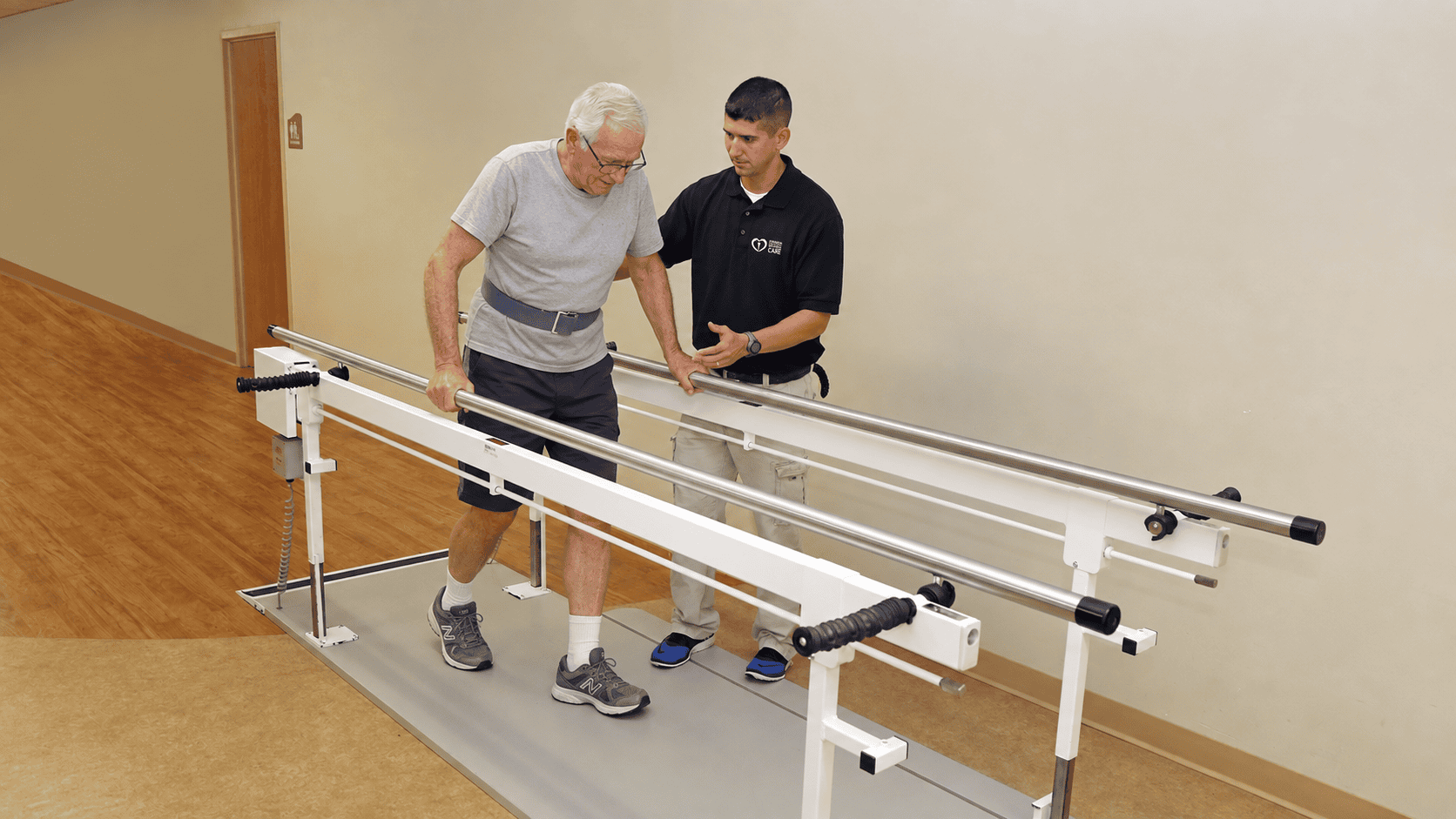
After surgery, a fracture or a long stretch of limited activity, muscles may tire well before the patient notices a problem. The last few steps to a chair can be shakier than the first few. Therapists watch the whole task: rising from a surface, turning, controlling the descent and recovering balance after a distraction.
That is close to the logic behind STEADI, the Centers for Disease Control and Prevention framework for screening fall risk, assessing modifiable risks and intervening. A useful plan may include repeated sit-to-stand practice, lower-body strengthening, balance work and gait training. The exact exercise, number of repetitions and level of assistance belong to the clinical team. A sore knee, stroke-related weakness and impaired judgment do not call for the same drill.
Speed is a poor scorecard by itself. A patient who walks slowly with sound foot placement and the prescribed device may be making better progress than someone rushing through a turn. Families can help by praising control. That is less exciting than counting hallway laps, but it tells us more.
A medication list can explain an unsteady morning
The pill organizer deserves a place in the fall discussion. Prescription medicines, over-the-counter products and supplements should all appear on one current list. Some drugs, or combinations of them, may contribute to drowsiness, dizziness, blurred vision, slowed reactions or a drop in blood pressure when standing.
Bring the list to the prescriber or pharmacist and mention when symptoms occur. “Dizzy sometimes” gives little to work with. “Lightheaded for about thirty seconds after standing for breakfast” is far more useful. No one should stop or change a medicine without clinical direction.
Pain management needs the same careful attention. Poorly controlled pain can alter gait and make a person guard one side. Certain pain medicines may affect alertness. The answer is an individualized review, followed by a plan the patient can actually follow.
Fall prevention Schenectady NY starts at floor level
Shoes are medical equipment in plain clothes. They should fit securely, provide traction and stay on the heel. Loose slippers, socks on smooth flooring and worn soles can undo a great deal of careful practice. If swelling changes during the day, fit may need a second look.
Vision enters the picture too. New glasses, bifocals and poor contrast can make a step edge hard to judge. New York State guidance recommends an annual vision check. At home, brighter bulbs, night-lights and switches reachable from the doorway can remove guesswork. Keep a clear route from bed to bathroom.
Then inspect the floor without sentimentality. Remove loose rugs or secure them. Move cords and pet items out of walking paths. Put frequently used objects between waist and shoulder height so no one needs a step stool or a deep bend. Stairs need stable handrails and good lighting. The device prescribed in therapy should move through the actual doorway; an assistive device that lives across the room is decor.
The bathroom needs its own rehearsal
Bathrooms combine hard surfaces, water, tight turns and clothing changes. That combination deserves more than a quick glance. Grab bars should be properly installed near the toilet and bathing area. A towel rack is not a substitute. Nonslip surfaces, a suitable shower seat and a handheld showerhead may help when recommended for that patient.
Practice the sequence while everyone is alert: approach, turn, reach, sit and stand. Where does the walker go? Can the door stay clear? Is soap within reach? If the answer involves leaning, twisting or abandoning the support device, revise the setup.
A middle-of-the-night plan can be wonderfully boring. Glasses in the same place. Light within reach. Walking device beside the bed. No laundry basket waiting in the route.
Household tasks return in stages
Homecoming energy can be deceptive. Preparing tea, carrying a plate and folding clothes each involve standing tolerance, reaching and divided attention. Start with one task at counter height. Sit for food preparation if advised. Use a bag or walker basket when the clinical team recommends one; carrying objects in both hands leaves nothing for support.
Add difficulty only after the easier version is steady. First a light item, then a short route. First an empty countertop, later a simple meal. Laundry in a basement may need to wait. So may vacuuming, step stools and the heroic decision to reorganize a closet on day two.
If pain rises, the leg begins to buckle, balance changes or fatigue arrives sooner than expected, stop and report the change. A new fall, a head strike or sudden neurologic symptoms need prompt medical evaluation. Pride is allowed. So is asking for help.
Care. Support. Positive Outcomes. Centers Health Care.
At Schenectady Center on Altamont Avenue, Orthopedic Care, Short-Term Rehab and Pain Management can support the work of rebuilding strength and mobility after injury or surgery. Stroke Care and Dementia Care add another layer when weakness, perception, memory or judgment affects safety, while Long-Term Care and Wound Care serve patients whose needs extend beyond a brief recovery. The practical aim is to help each person use safer movement strategies, the appropriate assistive device and a staged plan for returning to daily life.
Centers Health Care provides rehabilitation, skilled nursing and long-term care for people with a wide range of needs. Whether someone is recovering from surgery, managing an illness or simply needs more support than can be provided at home, our staff is there to help.
The goal is not exactly the same for everyone. It may be returning home, becoming stronger, staying independent or simply feeling better and more comfortable from one day to the next. There will be progress, setbacks and difficult days along the way. Our job is to be there through all of it, and to help each patient or resident get as far as he or she can.
Sometimes that progress comes in large steps. More often, it comes in small ones. Either way, every step matters.
Care. Support. Positive Outcomes. Centers Health Care.
Centers Health Care provides rehabilitation, skilled nursing and long-term care for people with a wide range of needs. Whether someone is recovering from surgery, managing an illness or simply needs more support than can be provided at home, our staff is there to help.
The goal is not exactly the same for everyone. It may be returning home, becoming stronger, staying independent or simply feeling better and more comfortable from one day to the next. There will be progress, setbacks and difficult days along the way. Our job is to be there through all of it, and to help each patient or resident get as far as he or she can.
Sometimes that progress comes in large steps. More often, it comes in small ones. Either way, every step matters.
Our Steps to Home series follows patients through rehabilitation and the journey from hospital to home: