
Labor Day Weekend in Cooperstown: Building Walking Endurance After Cardiac Rehab at Cooperstown Center | Cardiac Rehabilitation Cooperstown NY
By eleven in the morning, a holiday stroll can stop feeling like a stroll. The car is farther away than expected. Someone wants one more shop. There is a slope on the next block, nowhere obvious to sit, and lunch is late. A person who handled 20 minutes on a level treadmill may suddenly face an hour out.
That does not make a Labor Day visit a poor idea. Cardiac rehab builds capacity under controlled conditions; a busy village adds curbs, conversation, heat, hills and the pressure to keep up. Bring the rehab plan along, even when the equipment stays behind.
Cardiac Rehabilitation Cooperstown NY: Start With the Walk You Know
Tuesday’s rehab note says 15 comfortable minutes on a level surface. That figure has earned some respect; a hopeful guess has not. Use it to sketch the Labor Day route.
Start slowly for five to 10 minutes. Do the same near the finish. In between, eight minutes of ordinary walking can end at a bench. Sit. Talk. Check breathing and any symptoms before getting up again.
One adjustment per outing is plenty. A few extra minutes, a gentle slope or a quicker pace each adds work. Toss all three into the same afternoon and, if the walk goes badly, nobody knows what did it.
A Talk-Test Check for Cardiac Rehabilitation Cooperstown NY
A pulse of 84 looks precise. It still needs context. Beta blockers may keep the number low. Heat, pain, nerves and poor sleep can send it elsewhere. Generic age tables never met the walker.
Try discussing lunch while moving. A normal sentence can come out at a moderate effort. If the reply arrives three words at a time between gasps, back off. The rehab plan may also list a working zone on the Borg 6-to-20 effort scale; use that patient’s zone.
Later, write four scraps in a notebook: time, surface, effort and symptoms. “20 minutes; flat sidewalk; RPE 12; felt fine.” Now the next clinical conversation has somewhere to begin.
The Hill Counts Even When the Watch Does Not
Cooperstown asks more of the legs than a flat corridor. Inclines raise the workload. Cracked pavement, curbs, grass and crowds also demand balance and attention, so a slower pace may still feel hard.
Shorten the stride on an incline. Skip the race across an intersection. On a questionable surface, use the available rail or a prescribed walking aid, and let the group go ahead. Pride is a strange piece of exercise equipment.
Put the important stop first, identify a level turnaround point, and know where the next seat is. Take a break before symptoms begin. With a fall history, new dizziness, foot wound, pain flare or stroke-related balance change, the surface may deserve more attention than the mileage.
Meals, Medicines and the Labor Day Schedule
Lunch was supposed to be at noon. Now the table will not be ready until 2:30. For somebody whose glucose or medication routine rides on a meal, that is more than an annoyance. Stay near the usual eating time and pack the snack already approved by the clinician. A large lunch directly before a climb rarely improves the afternoon.
The water bottle has a footnote. Certain heart patients have a fluid limit; their existing instructions win over casual advice to keep drinking.
Phone alarms and pill schedules do not observe Labor Day. A diuretic puts restrooms on the map. A beta blocker can make the watch’s pulse reading less revealing. Anyone prescribed nitroglycerin should review the written plan with a companion before leaving, especially its 911 instruction.
September can be muggy in central New York. Pick the cooler hours and available shade. Dizziness, nausea, faintness, odd weakness or cold, clammy skin sends everyone home.
When Chest Discomfort Changes the Plan
“Tight.” One word, halfway up the block, cancels the walk. So does fresh chest pressure, squeezing, pain or peculiar breathlessness. Sit immediately; the care team’s paper plan decides what follows. New, worsening or lingering symptoms belong to 911. Let an ambulance come to the person. The family car stays parked.
Cardiac Rehabilitation Cooperstown NY at Cooperstown Center
At Cooperstown Center, Cardiac Care and Short-Term Rehab can connect supervised recovery with ordinary goals such as getting through a local outing without overreaching. Its cardiac approach includes exercise, nutrition, behavior change and resident education, while rehabilitation equipment allows walking progress to be observed in a controlled setting. Long-Term Care, Pain Management, Stroke Care and Wound Care add context when endurance is only one part of the case. Before Labor Day, a therapist or nurse can turn “I want to walk around Cooperstown” into a route, duration, rest plan and symptom threshold.
Care. Support. Positive Outcomes. Centers Health Care.
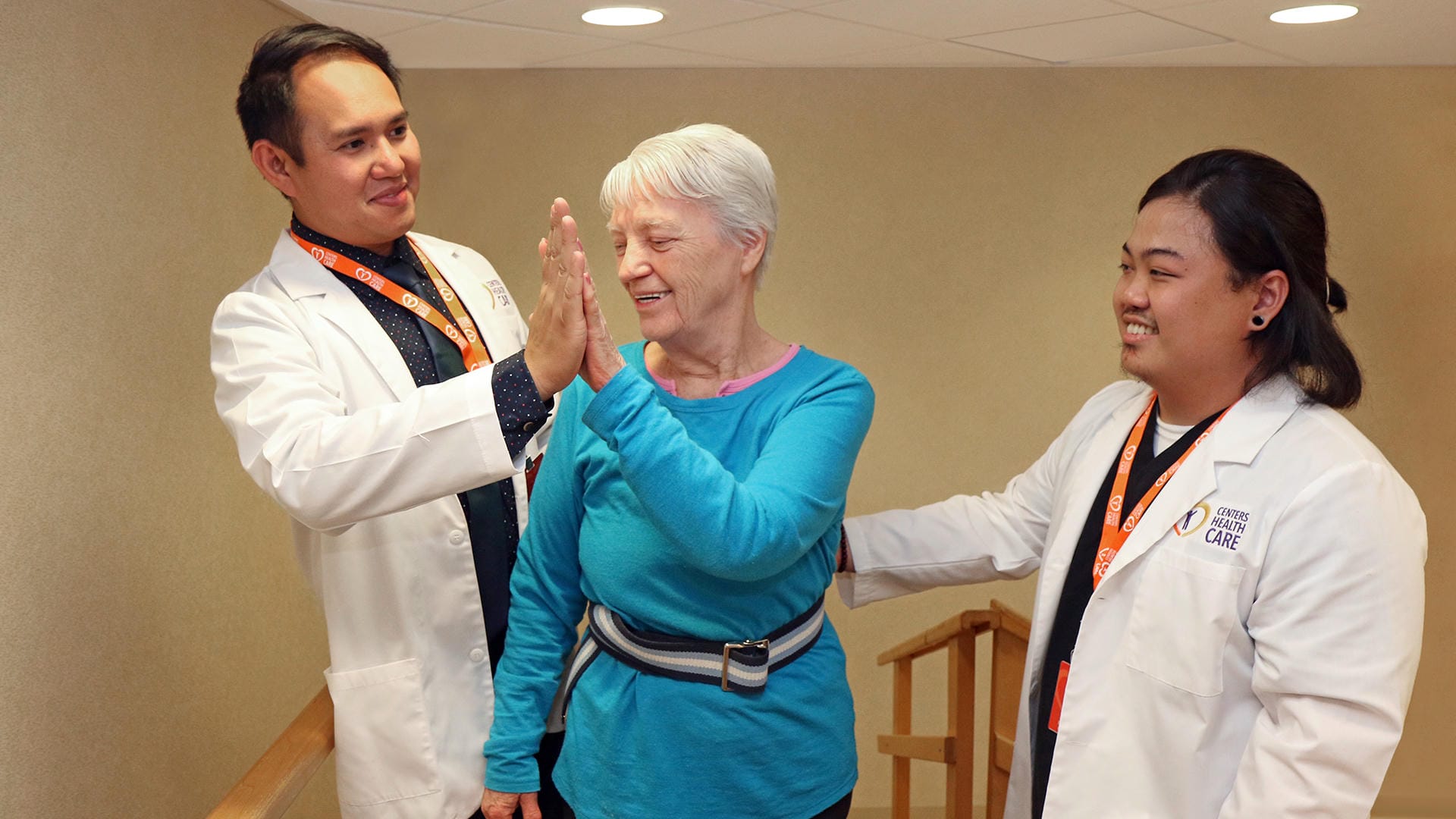
One Cooperstown Center resident may be counting comfortable walking minutes after a cardiac event. Down the hall, somebody else is working on balance after a stroke, living with pain, tending a wound or settling into long-term nursing care. Centers Health Care’s rehabilitation and skilled nursing work has to accommodate all of them.
Home is the next stop for some people. For others, the immediate target is steadier movement, an easier transfer or enough energy to sit through an afternoon with family. A rough day can follow a good one. Staff members keep adjusting the work with the patient or resident instead of pretending recovery travels in a straight line.
Steps to Home puts those therapy gains against ordinary life: the front steps, the next appointment, lunch on time, a curb downtown. On Labor Day, it might mean eight comfortable minutes, a bench, and eight more.
Our Steps to Home series follows patients through rehabilitation and the journey from hospital to home: