Rehab for Seniors With Multiple Health Needs: Why Coordination Matters

A patient recovering from a hip fracture at 84 rarely has just a hip fracture. She might be three days post cardiac event, showing early signs of vascular dementia, and nursing a stage two pressure injury from a hospital stay that ran longer than anyone planned. Physical therapy alone doesn’t touch that picture.
Rehab plans built around a single diagnosis tend to unravel the moment a second condition shows up, and in seniors, a second condition almost always shows up.
When One Diagnosis Isn’t the Whole Story
A knee replacement patient with atrial fibrillation isn’t unusual — it’s closer to the norm than the exception on most rehab floors. Someone healing a wound might also be dealing with memory changes that make it hard to remember not to bear weight on the affected leg. Frailty complicates cardiac reconditioning timelines more often than clean textbook cases would suggest. Treat each condition in isolation and the therapy for one starts working against the recovery of another. Overly aggressive mobilization for a hip can spike heart rate past what a cardiac patient can safely handle. Aggressive offloading for a wound can conflict with fall-risk protocols built for dementia care.
What Coordinated Rehab Care Looks Like Day to Day
This is where coordinated rehab care stops being a phrase on a brochure and becomes an actual operational habit. Physical therapists, occupational therapists, nursing staff, and physicians reviewing the same chart on the same day, before decisions get made independently of each other. Early mobilization protocols for orthopedic recovery, modeled on enhanced-recovery frameworks used nationally, get adjusted in real time against telemetry data from cardiac monitoring. Wound staging follows NPUAP/EPUAP classification, and dressing schedules get built around therapy sessions instead of interrupting them. None of this happens by accident. Someone is tracking four treatment plans at once and adjusting all of them together.
Cardiac Recovery That Doesn’t Wait for Everything Else to Heal First
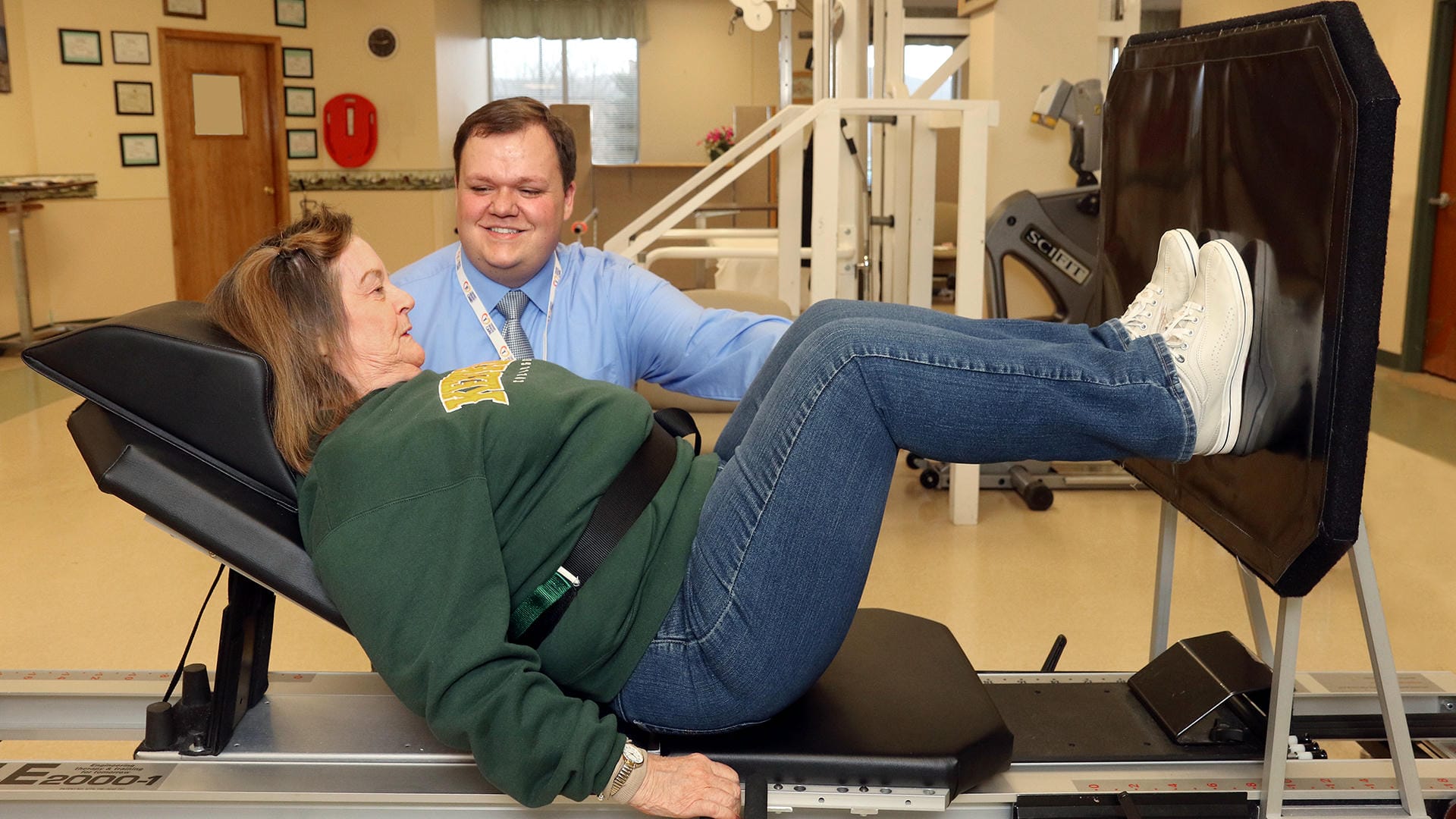
Push gait training too hard before cardiac clearance and the setback costs more time than the slower approach would have. Standard cardiac reconditioning calls for exertion increased gradually, closely monitored, day over day. Stack an orthopedic recovery on top and the exertion targets for one condition can undercut the pacing the other one needs. Coordinated teams build exertion ceilings that account for both at the same time. Nobody waits for the heart to fully stabilize before starting orthopedic work. Nobody ignores cardiac limits to hit an orthopedic milestone on schedule either.
Cognitive Decline Changes How Every Other Therapy Gets Delivered
A resident who forgets a hip precaution five times in one afternoon isn’t being difficult. The instruction needs reframing, cued differently, sometimes paired with a physical landmark instead of a verbal reminder. Dementia care doesn’t run alongside physical and cardiac rehab as a separate track. It changes how those other therapies get delivered, day to day. Staff trained in redirection-based approaches, steering attention instead of confronting confusion head-on, tend to get further with mobility goals than staff relying on repeated verbal correction. Wound care shifts too. A resident who can’t reliably report pain or discomfort needs more frequent visual checks, not fewer, since the usual early-warning signal isn’t there.
Wound Care Inside a Coordinated Rehab Care Plan
Offload pressure long enough to heal a stage two wound, and the muscle group physical therapy is working to strengthen sits idle for weeks at a stretch. Healing tissue and healing mobility pull in different directions more than people expect. Positioning schedules have to be built jointly, with nursing and rehab staff comparing notes on turn schedules, offloading devices, and therapy timing, so nobody undoes what the other side is working toward. A wound improving on paper can stall out fast if the coordinated rehab care plan running alongside it isn’t paying attention.
Care. Support. Positive Outcomes. Centers Health Care.
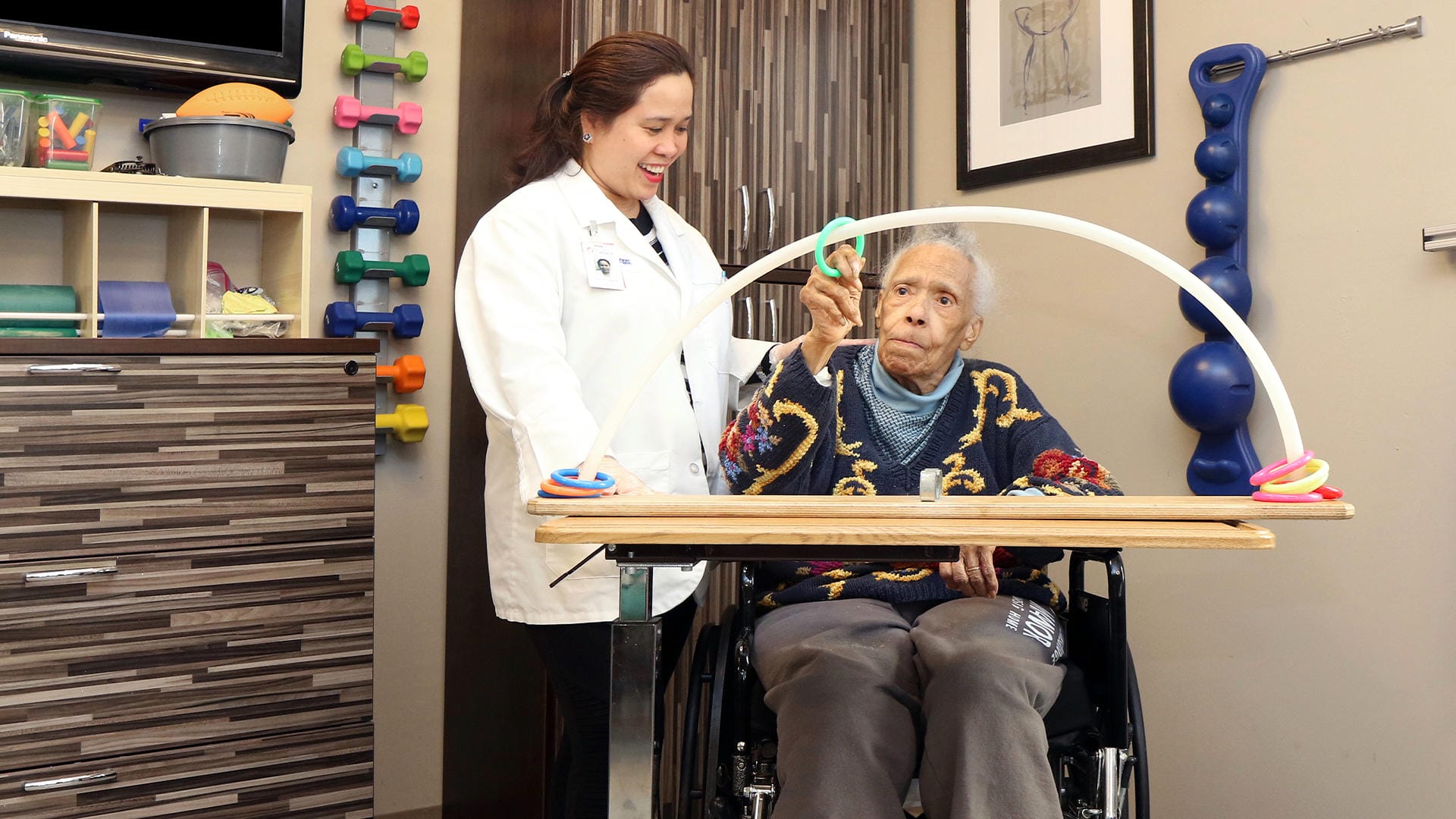
Centers Health Care runs rehabilitation, skilled nursing, and long-term care programs across its facilities. At Oneida Center that plays out in the daily schedule. A resident three weeks past a cardiac event might work on gait training the same afternoon someone two doors down gets a wound check and a cognitive screening back to back. Overlapping needs show up constantly on this floor.
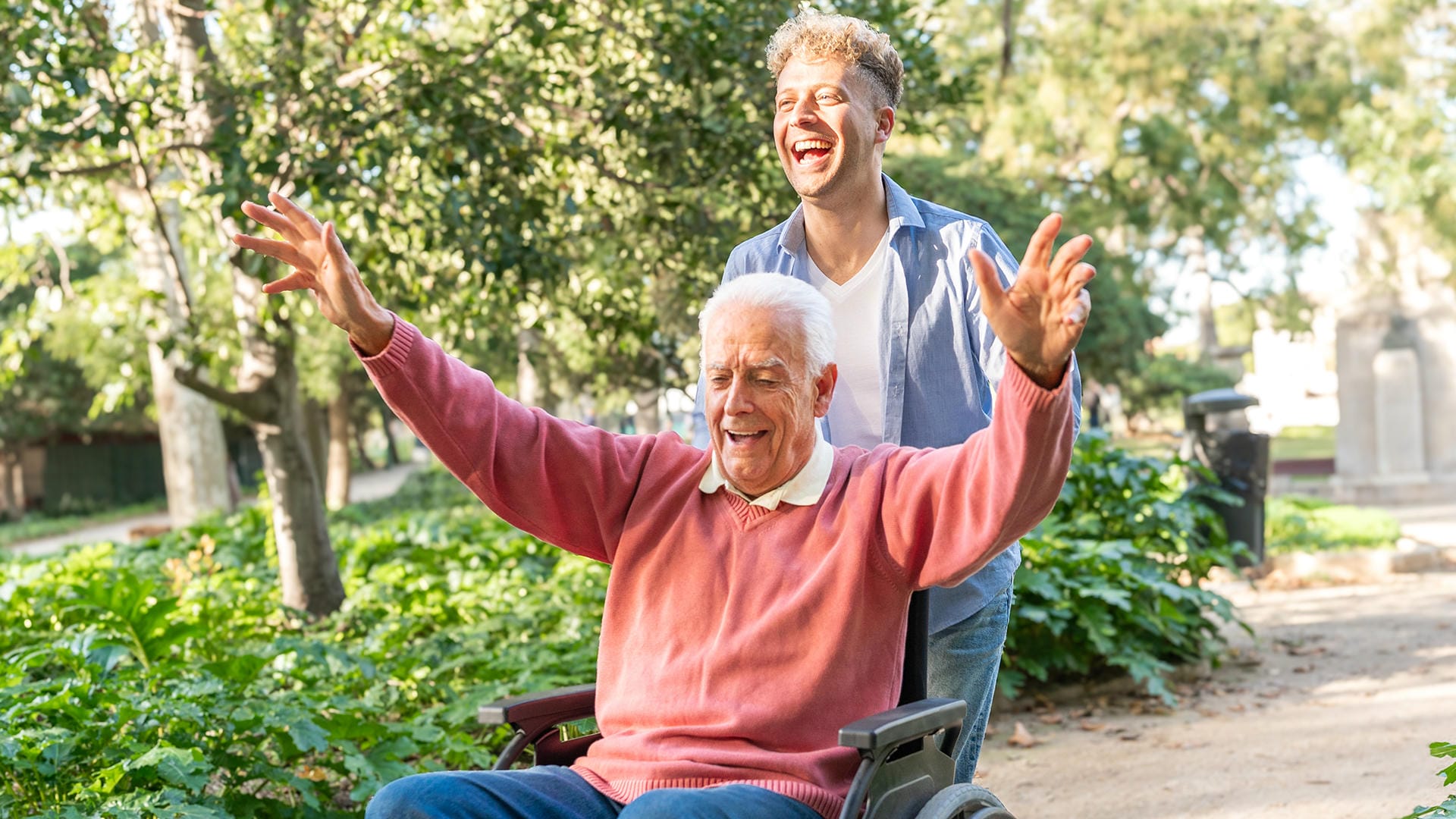
The goal isn’t identical from one person to the next. For some it’s returning home. For others it’s building enough strength to stay independent, or simply feeling steadier and more comfortable day to day. Progress comes with setbacks built in. Some days move fast, some days don’t move at all, and the job is staying present through both kinds.
Small steps outnumber big ones by a wide margin. Every one of them counts toward something.
Oneida Center offers dementia care, cardiac care, orthopedic care, short-term rehabilitation and wound care under one coordinated rehab care plan, with clinical teams reviewing overlapping needs together rather than treating each condition as a separate case file. Residents managing more than one health concern at a time get a plan built around all of them, not just the one that happens to be most visible. Learn more about the programs available at Oneida Center.
Nobody discharges on a fixed calendar day just because two weeks have passed. A resident might hit every strength benchmark for the hip and still need three more days before a wound closes enough to travel safely in a car. Another clears the wound stage early but still can’t manage a medication schedule reliably enough to handle it alone at home, so occupational therapy stays in the picture longer. Progress toward home gets tracked across every discipline involved, all pulling from the same chart. Sometimes a resident is ready in every way but one, and that one holds up the whole plan until it doesn’t anymore.
Our Steps to Home series follows patients through rehabilitation and the journey from hospital to home: