Spine, Stroke, and Orthopedic Rehab: What Families Should Track Week by Week

Nobody hands you a checklist when your parent gets discharged to a rehab facility. There’s a diagnosis, a care plan summary, maybe a five-minute conversation in a hallway — and then you’re trying to figure out whether what you’re seeing is progress or a plateau. Orthopedic and stroke rehab both operate on timelines, but those timelines don’t announce themselves. Week one looks a lot like week two if you don’t know what you’re watching for.
This is the guide that should exist.
What the First Two Weeks of Orthopedic and Stroke Rehab Actually Look Like
After a total knee or hip replacement, the short-term rehab clock starts almost immediately. Patients who land in a skilled nursing facility are typically there because they couldn’t clear the discharge criteria for going straight home — couldn’t safely get in and out of bed unassisted, couldn’t walk a meaningful distance with a walker, couldn’t manage stairs. That’s not a failure. It means the surgical intervention was significant enough to require a structured environment for the next phase.
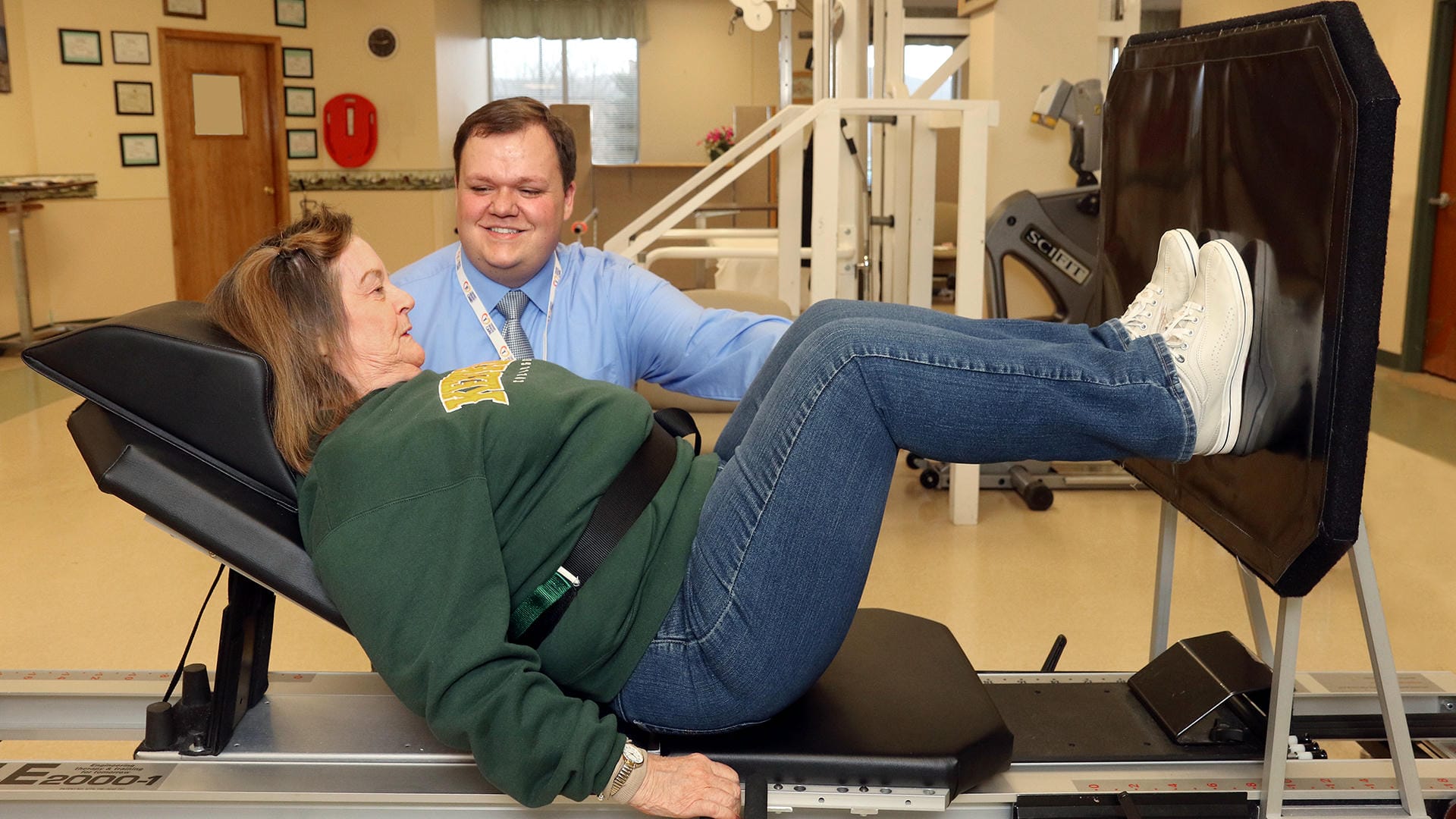
Week one is mostly sedation by another name. Pain is the clinical priority, and that’s not a criticism — it’s just physiology. PT sessions run somewhere in the half-hour range, sometimes longer, zeroing in on how much the joint tolerates before it stops cooperating. Range of motion, weight-bearing, getting from bed to chair without incident. For orthopedic patients specifically, swelling is doing most of the talking — edema management, icing protocols, and elevation are unglamorous but clinically significant.
Stroke rehab in the first two weeks operates on a different logic entirely. The first three months after a stroke are when patients tend to see the most marked improvement, and the early weeks inside that window are where spontaneous recovery sometimes surfaces — skills that appeared lost return without explicit retraining, as the brain reroutes around damaged tissue. Therapists are watching for it. You should be too.
What families often miss: fatigue is not the same as lack of effort. Both orthopedic and stroke patients are metabolically working hard even when nothing looks like it’s happening.
Weeks Three Through Six: The Shift Families Should Notice
Three weeks in, something shifts. The walker starts to feel optional, at least for short distances. Cane trials begin. Current protocols put unassisted walking somewhere between week four and six for most joint replacement patients, though anyone who’s watched a 78-year-old with poorly controlled diabetes go through this knows the timeline bends. Pre-surgical fitness matters more than most families expect.
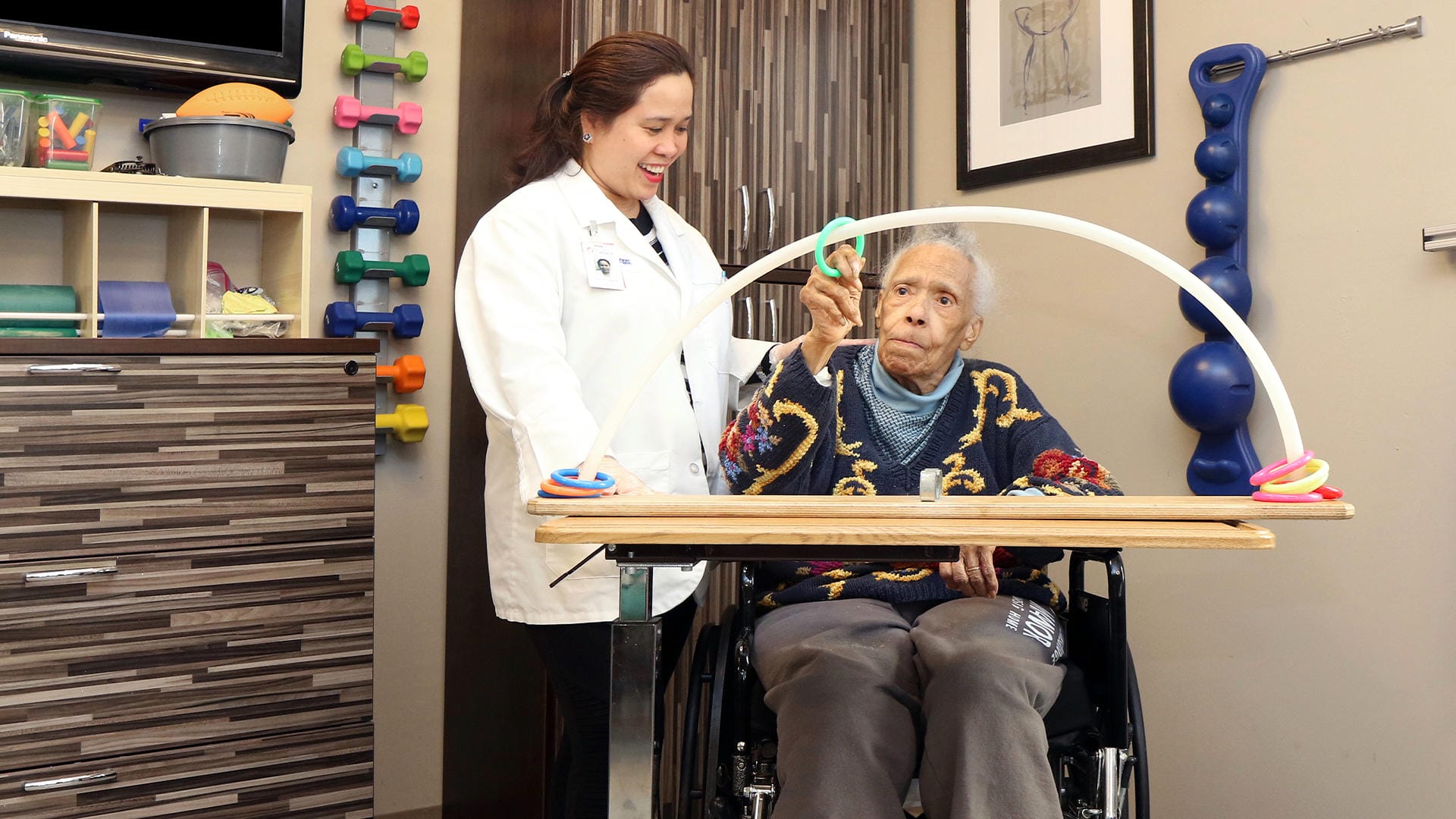
For stroke patients, this period is when occupational therapy starts targeting functional independence — dressing, grooming, meal prep at an adaptive level. What the team is documenting isn’t just what a patient can do but what they need prompting to do. There’s a difference. A patient who can complete a task with verbal cues scores differently than one who initiates independently, and those distinctions drive the next phase of the plan.
Pain management doesn’t disappear after the first couple of weeks either. Post-orthopedic pain that’s being undermanaged suppresses participation in therapy — patients move less, stiffen faster, and fall behind on functional benchmarks. The question to ask the care team isn’t “is she in pain?” but “how is her pain being managed relative to her therapy schedule?”
Spine Rehab: The Odd One Out
Spine cases — post-laminectomy, spinal fusion, herniated disc surgery — follow a stricter timeline than hip or knee procedures because the stakes for premature loading are higher. In the first four weeks, the emphasis is almost entirely on pain control and protected mobility. Core activation work doesn’t really begin until the surgical site has stabilized enough that it won’t be aggravated by trunk movement.
Neurological symptoms complicate spine rehab in ways orthopedic cases usually don’t. Radiculopathy, nerve root irritation, tingling or weakness in the extremities — these can persist well past the surgical correction and sometimes get worse before they improve as the nerve heals. Families who interpret continued leg symptoms as a failed surgery are often wrong. The nerve timeline is simply slower than the structural repair timeline.
Tracking Progress Without Driving the Care Team Crazy
Useful family involvement is blunt and specific. Did she bear weight on the affected side today? Is the FIM score actually moving, or has it been flat for a week? What’s blocking discharge? The clinical team tracks function; families track mood and motivation, which aren’t the same thing but aren’t separable either. Roughly a third of stroke survivors develop depression or apathy — and it tends to surface right when the obvious gains stop coming. A family member who notices that shift early is doing something the chart doesn’t capture.
The version that doesn’t help is comparing one patient’s recovery to another’s. Stroke presentation varies enormously depending on which vascular territory was affected. An orthopedic patient with significant osteoporosis or cardiovascular disease is working with a different substrate than someone who was otherwise healthy going in. Week-by-week benchmarks are reference points, not verdicts.
What you’re tracking, ultimately, is directionality. Small, uneven, inconsistent improvement is still improvement. The weeks that feel static are often when consolidation is happening underneath the surface.
About Oneida Center
Oneida Center provides orthopedic and stroke rehab alongside a full range of short-term and long-term care services, including cardiac care, pain management, wound care, and more. Located in Oneida, New York, the facility is equipped to support patients through every phase of recovery, from initial post-acute stabilization to functional independence. To learn more about their rehabilitation programs, visit Oneida Center.
Care. Support. Positive Outcomes. Centers Health Care.
Centers Health Care provides rehabilitation, skilled nursing and long-term care for people with a wide range of needs. Whether someone is recovering from surgery, managing an illness or simply needs more support than can be provided at home, our staff is there to help.
The goal is not exactly the same for everyone. It may be returning home, becoming stronger, staying independent or simply feeling better and more comfortable from one day to the next. There will be progress, setbacks and difficult days along the way. Our job is to be there through all of it, and to help each patient or resident get as far as he or she can.
Sometimes that progress comes in large steps. More often, it comes in small ones. Either way, every step matters.
Our Steps to Home series follows patients through rehabilitation and the journey from hospital to home: