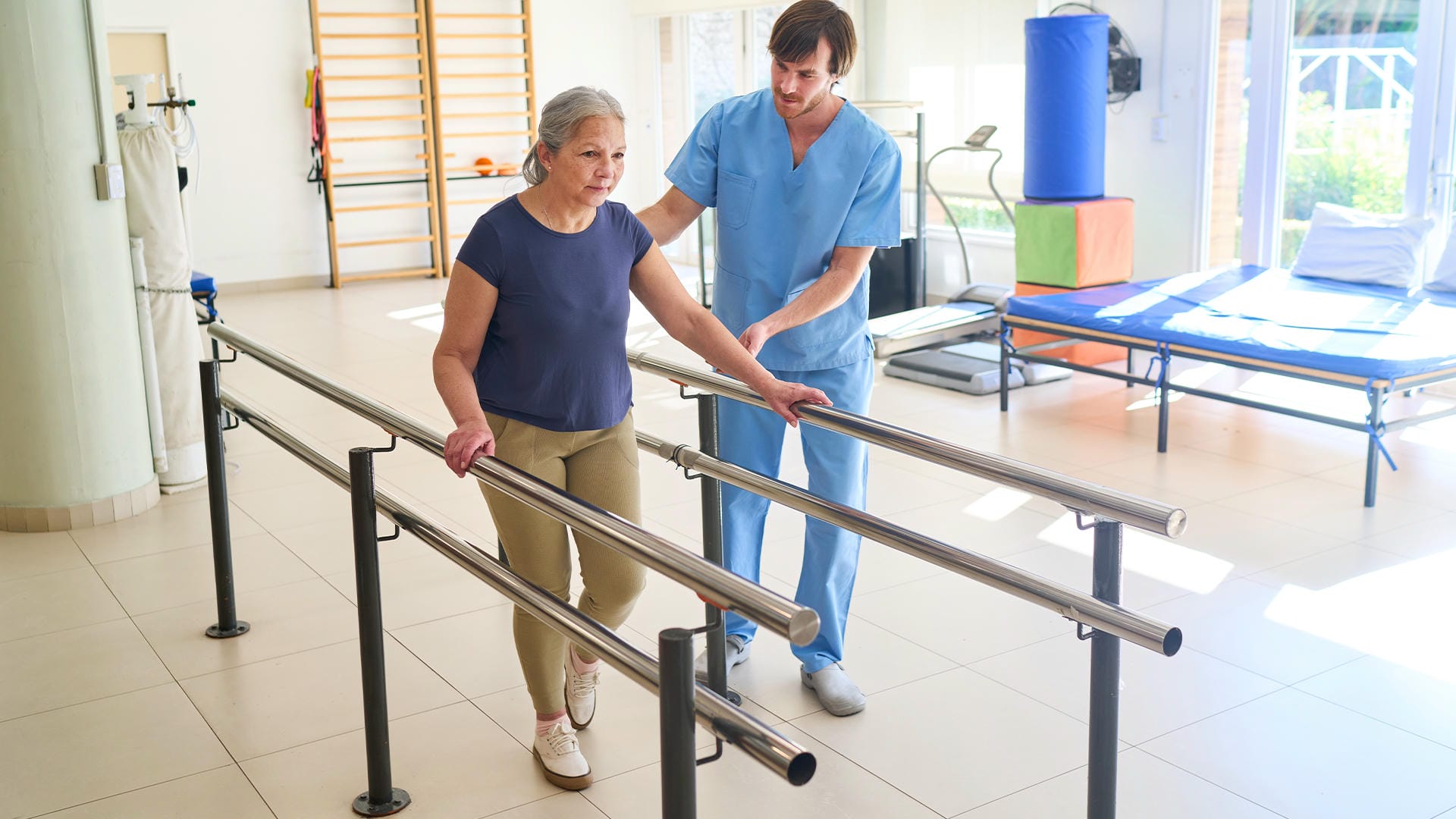
World Arthritis Day 2026: Managing Pain and Mobility During Orthopedic Rehab at Holliswood Center

Across the room, a relative is walking better than last week. Then the visit moves to a low chair, and standing up takes two attempts. Arthritis can complicate recovery in small, inconvenient ways that a successful hallway walk leaves out. Describe those difficulties during the next discussion with the care team.
With World Arthritis Day on October 12, families have a reason to revisit the joint symptoms that accompany an injury or operation. Someone searching for orthopedic rehab in Jamaica Queens may want to discuss both problems together at Holliswood Center, which lists Orthopedic Care, Pain Management, and Short-Term Rehab. I’d start with the task that keeps causing trouble. Getting dressed, managing a doorway, or finding a comfortable position after exercise gives the conversation somewhere concrete to go.
Planning orthopedic rehab Jamaica Queens around a sore day
Before the second walk, count what has already happened that morning. Therapy, dressing, and the trip to lunch may have left the patient ready to sit. The visitor who arrived ten minutes ago has missed most of it.
I’d want the instructions for activity outside appointments to spell out repetitions or duration, the assistance required, and the point at which to stop. That removes some guesswork for the family. It also leaves room for the therapist to revise the assignment after hearing that a joint stayed sore through dinner.
CDC guidance includes brief activity periods of five or ten minutes among the options for people with arthritis. In a postoperative plan, the starting amount has to come from the clinical assessment. Restrictions on bearing weight, existing symptoms, and the person’s response to yesterday’s effort can all affect today’s prescription. A family visit should fit around that plan, including whatever rest the team has advised.
The pain report needs more than a number
A useful hypothetical note might read: “10:20 a.m., left knee hurt during the turn at the sink; sat down; aching eased after the break.” The same report could include a zero-to-ten rating requested by the nurse. There is a location, an activity, and a sequence to work from.
Compare it with a note about pain that kept the person awake or a new limp during a previously manageable walk. Those changes belong with the nurse and therapist before the next attempt. Ask for stop instructions specific to the patient; a number on the pain scale cannot supply them. The clinician also needs to know the arthritis diagnosis. With rheumatoid arthritis, an immune attack drives the disease and medical treatment accompanies rehab. Osteoarthritis involves changes in the tissues of a joint.
For sudden severe pain, stop and get prompt medical assessment. Redness, swelling, or fever makes the situation particularly concerning: infection can injure a joint if treatment is delayed. An abrupt inability to bear weight also requires evaluation. Report the change without trying to diagnose it first.
Practicing with walking aids during orthopedic rehab Jamaica Queens
The walker clears the doorway, barely. Once inside, the person still has to turn and get positioned beside the toilet. Let a therapist watch the entire attempt; the difficult moment may come after the doorway everyone was worried about.
Start with the equipment the clinician recommends and have its fit checked. For a right leg needing support, a cane is ordinarily used in the left hand. Arthritis in that hand may complicate the choice. Say so, and discuss whether a walker or another aid would be more suitable.
After surgery, follow the instructions about how much weight the leg can bear. A previous operation, even one that sounds similar, is no basis for changing them.
Rising and sitting need rehearsal along with walking. Invite the person who expects to help at home to join a session and demonstrate the assistance under supervision. A family member may mean well and still pull against a sore shoulder. Get the technique corrected there. Then discuss the stretch of the day when that relative will be at work.
The doorway, the stairs, and the October rain
The front entrance has a rail; the patient usually uses the side door. Tell the team that before supplying photographs of the wrong set of steps. Measurements help, particularly where a walking aid must get through a narrow opening.
Move leaves away from the steps and check the outdoor lighting as October settles over Queens. Indoors, examine the route someone will use at night to reach the bathroom. A cord crossing it, an unsecured rug, or furniture too close together can interfere with the walking aid. Put regularly used items within reach and discuss bathroom supports with the therapist.
In CDC’s STEADI resources, the Timed Up and Go assessment uses a three-meter walk with a turn, bracketed by rising from a chair and sitting back down. Clinicians supervise the task and observe balance and gait. For older adults, a result of 12 seconds or longer flags fall risk. It is one assessment among several; a faster time cannot establish readiness for home.
Holliswood lists an activities-of-daily-living suite with household features, including a bathroom and kitchen. Ask how practice there could accommodate the home’s narrow doorway or the chair the patient usually uses.
Care. Support. Positive Outcomes. Centers Health Care.
At 195-44 Woodhull Avenue in Jamaica, Queens, Holliswood Center offers Orthopedic Care, Pain Management, and Short-Term Rehab, with Cardiac Care, Stroke Care, Wound Care, and Long-Term Care also listed. Families researching orthopedic rehab Jamaica Queens can contact Holliswood Center about the patient’s condition and the assistance needed. Across its affiliated facilities, Centers Health Care supports people who need rehabilitation, skilled nursing, or care beyond what their household can provide. For one person, we may be working toward a return home after surgery. Another resident needs help preserving everyday abilities or managing an illness with greater comfort. Our staff stays involved when recovery slows, when symptoms interfere, and when an earlier plan needs revision. An extra few feet of walking can be encouraging. So can washing at the sink with less assistance. The next goal should come from the person’s circumstances, including what remains difficult on an otherwise decent day.
Care. Support. Positive Outcomes. Centers Health Care.
Centers Health Care provides rehabilitation, skilled nursing and long-term care for people with a wide range of needs. Whether someone is recovering from surgery, managing an illness or simply needs more support than can be provided at home, our staff is there to help.
The goal is not exactly the same for everyone. It may be returning home, becoming stronger, staying independent or simply feeling better and more comfortable from one day to the next. There will be progress, setbacks and difficult days along the way. Our job is to be there through all of it, and to help each patient or resident get as far as he or she can.
Sometimes that progress comes in large steps. More often, it comes in small ones. Either way, every step matters.
Our Steps to Home series follows patients through rehabilitation and the journey from hospital to home: