Bone and Joint Action Week 2026: Preparing for Safer Fall Mobility at New Paltz Center | Orthopedic Rehab New Paltz NY
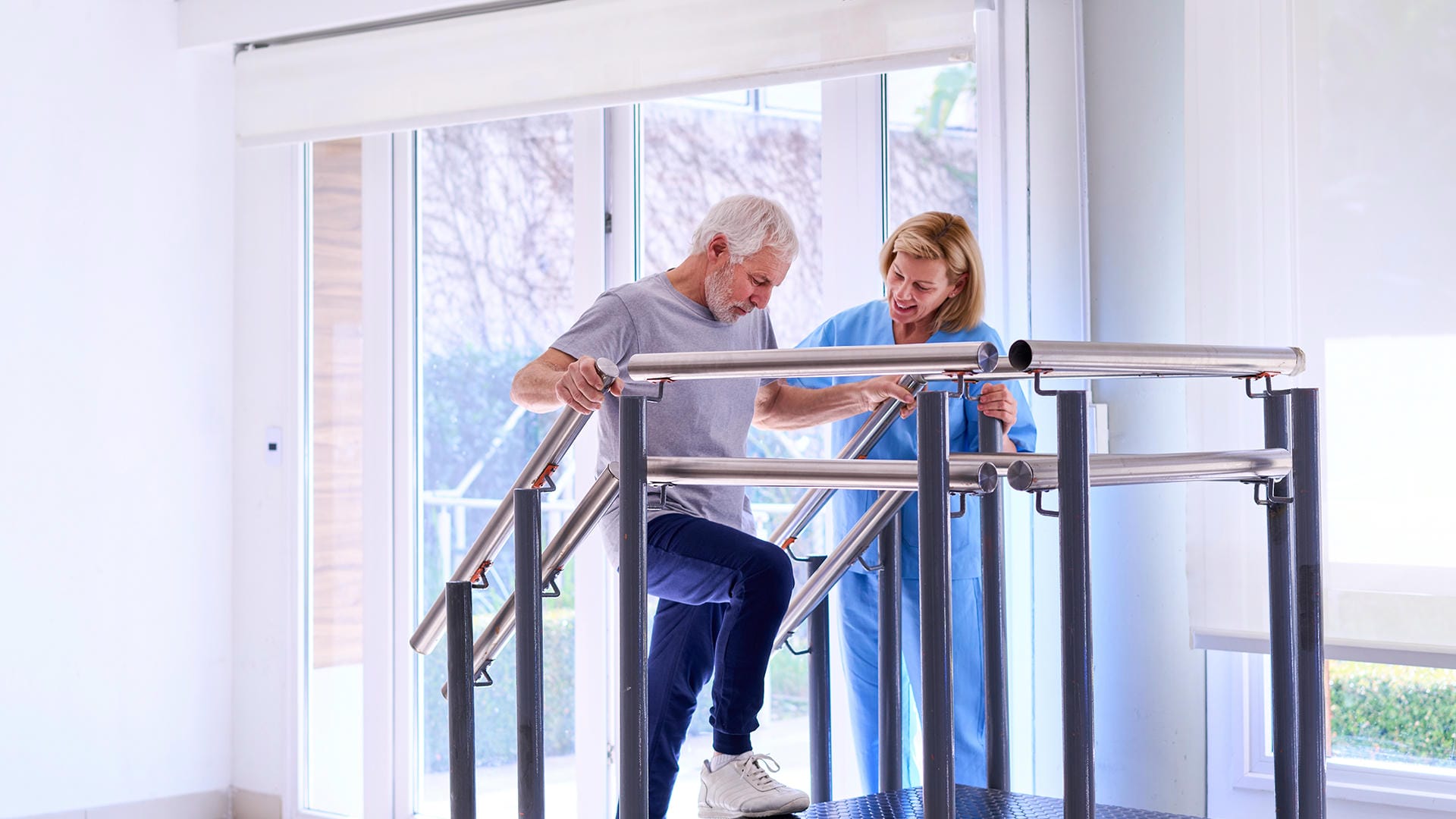
Before we get to bones and joints, look at the front steps. Three of them, perhaps. A railing on the left, a loose bit of paving at the bottom, leaves nobody has swept since Sunday. Getting home after an operation means dealing with whatever is actually there.
I like the timing of Bone and Joint Action Week for that reason. October 12 through 20 puts the discussion right in the middle of Hudson Valley fall. Arthritis, back problems and osteoporosis are among the campaign’s subjects; meanwhile, somebody still has to figure out how to get from the driveway into the house.
CDC’s September 2026 resources put annual falls at more than one in four older adults. So when a family searches for orthopedic rehab in New Paltz NY, I’d want the conversation to include that loose paving stone. And who’s fixing it.
Orthopedic Rehab New Paltz NY: Start With the Chair
Imagine the family update says, “Dad did the whole corridor today.” I’d be pleased to hear it. I’d also ask how he got up at the start, and whether anyone helped when he turned.
For a more structured look, a clinician might use the Timed Up and Go. There’s a chair and a mark ten feet away. The clock runs from getting up to sitting down again, with a walk to the mark and a turn in between. Nobody is asking for a race; it’s done at the person’s normal pace. Their walking aid is allowed, and the clinician stays close.
Twelve seconds or longer is CDC’s threshold for flagging fall risk in older adults. You don’t get permission to tackle stairs by beating the clock. The healing leg, any weight-bearing orders and the stairs themselves still need consideration.
The Shoes by the Door
Please bring the shoes. The ones the person expects to wear at home, including the old pair everyone calls comfortable.
Turn them over. If the tread is worn smooth, comfort won’t give it back. Check whether the heel slips out, whether a strap closes properly, whether there’s room for the toes. CDC’s footwear sheet recommends low heels, support and traction, with a fit that keeps the shoe on the foot. It also cautions against walking in socks alone or wearing shoes without a secure back.
A shoe can be perfectly respectable and still be wrong for this foot. Pain? Numbness? Mention it to the clinician. I’d much rather have that conversation before the first wet walk across the driveway.
A Sore Knee, a Rushed Morning
“Just to the mailbox” could mean a short, level walk. Or a slope, a broken path and nowhere to sit. I’d be careful about the word “just.”
Before discharge, tell the therapist what the route is like. Ask about the distance and where a break belongs. You may need to start with less than the person wants to do. Have the conversation before everyone is outside, watching the light fade.
Pain deserves some detail here. Does the knee ache while sitting, when first standing, or after several minutes on your feet? Can you get your shoes on? Mention those differences when discussing pain management with the clinician. Dizziness and unusual drowsiness need reporting as well; guessing what’s causing them won’t help.
Another question I’d ask: after getting back indoors, is there still enough energy for the next task? Lunch, perhaps. Or the trip upstairs. A walk can go well and still use up more of the afternoon than expected.
The Bathroom Door Is Narrower Than You Remember
The shower has a little lip at the entrance. Nothing you’d have given much thought to a month ago. After an injury, you might find yourself staring at it.
I’d take that problem to occupational therapy. Washing, dressing, getting into bed, sitting on the toilet: ask about the actual tasks in the actual rooms. A photograph with some measurements gives the therapist something to work from. Leave the usual clutter in the picture. Better to hear about it now than discover at home that the walker has nowhere to go.
There may be equipment to consider, such as a reacher or a different seat. Ask for advice on what works with this person’s restrictions. Don’t count on a towel bar for support.
CDC’s home checklist will send you looking at lights, stairs, railings, rugs and cords. I’d go out to the path afterward. Somebody needs to clear those leaves, and somebody needs to deal with whatever they’re covering.
Orthopedic Rehab New Paltz NY: Questions Before Discharge
“My daughter will help” needs a little unpacking. Does she live upstairs or forty minutes away? Is she home at lunchtime? Can she safely give the assistance being discussed?
New York’s guidance on transitional-care planning includes the person’s abilities, the living arrangement and the support available. I’d bring a calendar to that conversation. Promising to pop in is easier than covering Tuesday morning.
A few questions to put on paper:
- Which stairs still need someone nearby?
- What can the person do alone in the bathroom?
- Are there restrictions on movement or putting weight on the leg?
- Can the family member try the taught technique while staff watches?
Then get the medication directions, appointments and phone numbers straight. Ask whom to ring if something changes. Your neighbor may have been walking without a cane in no time; your surgeon’s instructions still apply to your leg.
Care. Support. Positive Outcomes. Centers Health Care.
The leaves will keep falling after the awareness campaign ends. I’d keep the discussion going with New Paltz Center, at 1 Jansen Road, especially if home means a steep path or an awkward set of stairs. Orthopedic Care, Pain Management, Short-Term Rehab: those are three of the center’s services to ask about in that conversation. And ask about ongoing help if the person’s needs have changed. Centers Health Care provides skilled nursing, rehabilitation and long-term care for people with quite different hopes for the next few weeks. Somebody wants to be back in their own kitchen. Somebody else would settle for a less painful morning. You can discuss both, and you can bring up the bad days along with the encouraging ones. I’d want to know what help the resident still needs getting out of bed, even after a good afternoon in therapy.
Care. Support. Positive Outcomes. Centers Health Care.
Centers Health Care provides rehabilitation, skilled nursing and long-term care for people with a wide range of needs. Whether someone is recovering from surgery, managing an illness or simply needs more support than can be provided at home, our staff is there to help.
The goal is not exactly the same for everyone. It may be returning home, becoming stronger, staying independent or simply feeling better and more comfortable from one day to the next. There will be progress, setbacks and difficult days along the way. Our job is to be there through all of it, and to help each patient or resident get as far as he or she can.
Sometimes that progress comes in large steps. More often, it comes in small ones. Either way, every step matters.
Our Steps to Home series follows patients through rehabilitation and the journey from hospital to home: