Dementia Care in Argyle, NY: Meaningful Recognition for Veterans Day 2026 at Washington Center

Someone holds up an old photograph and asks Dad for a name. Before long, three other people are trying to help. He may have an answer. He may be tired of the question. I’d leave a little room for either possibility before someone asks what year the picture was taken.
Dementia Care in Argyle, NY: Leave Room for an Answer
“I brought a picture of you and your sister.” Say that, and let your relative look. There is no need to follow it with a question about names or dates. They can talk about something in the photograph if they want to. Give them a chance to decide.
Pull up a chair where your relative can see and hear you. Say who you are if an introduction is needed, then speak to the person you came to visit. It is surprisingly easy for a slow conversation to become a conversation over somebody’s head. The communication guidance for dementia caregivers recommends allowing time for an answer.
Before blaming a difficult visit on memory loss, look around the room. A television, several conversations and people coming through the doorway can make an afternoon tiring. New York’s EDGE dementia resources include an Environmental Considerations Checklist and one-to-one person-centered care planning forms. Families can ask staff what might be worth changing for the next visit.
One Photograph, With Space Around It
Six little photographs on a scrapbook page can be hard to make out, especially if somebody is holding the album across the table. Try a clear copy of one picture. Keep the original at home, and let your relative have a look before explaining who everybody is.
“Your brother Joe” may be quite enough for a caption. If you put together a little memory book, leave room for words large enough to read. A page crowded with names and dates gives everyone more to sort through. There is no deadline for getting to the back cover.
A Familiar Recording
Turn off the television before playing a recording, and check the volume. Ask your relative what they would like to hear if they can choose. The dementia caregiving guidance on music recommends familiar selections and less competing noise. You can stop the song halfway through. There is no requirement to get to the last verse.
A Letter From the Family
Read a few lines of a family letter, then ask whether your relative would like the rest. A note from a grandchild can mention school, a pet or a recent visit along with a thank-you for military service. It needn’t ask the resident to remember an event or write anything back.
A Story Without a Quiz
You can tell a short story of your own without asking your relative to fill in the missing names. Maybe you are thinking of a family picnic, or the time somebody missed a train. If they join in, listen. If they don’t, there is no need to explain that you are trying to help them remember. They may prefer another subject, and they don’t have to supply a reason.
Dementia Care in Argyle, NY: When a Resident Wants to Leave
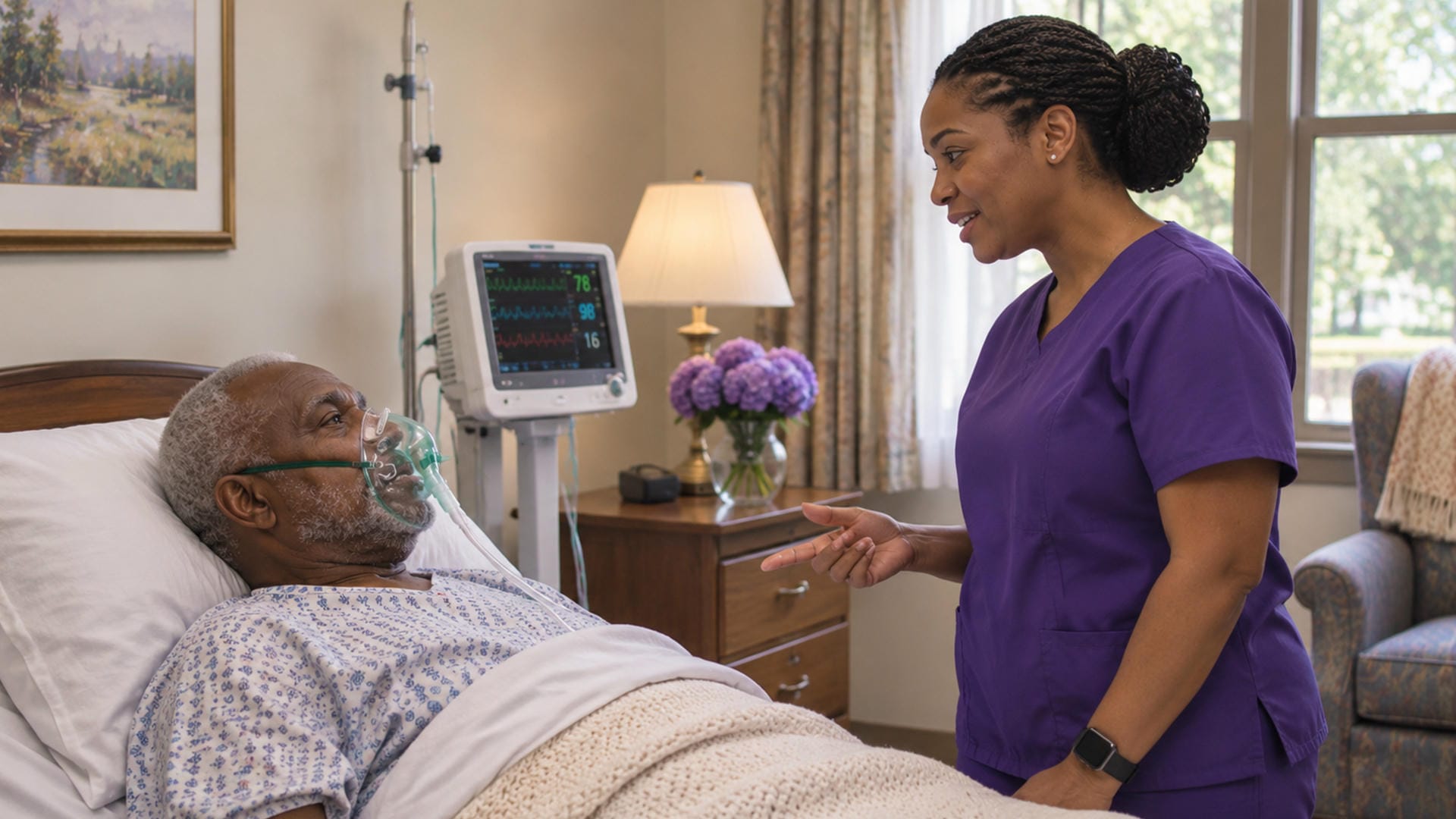
Ask staff where you could go if your relative wants to leave a gathering. Work that out before the room fills up. Arrange help with getting there safely when a break is wanted. There is no need to sit through the final speech simply because somebody has gone to the trouble of preparing it.
Tell staff about any sounds, photographs or subjects your relative has asked to avoid. Guidance on recurring trauma reminders includes Veterans Day among potentially difficult occasions for some veterans. Military service alone doesn’t tell you whether someone experienced combat or has posttraumatic stress disorder.
Care. Support. Positive Outcomes. Centers Health Care.
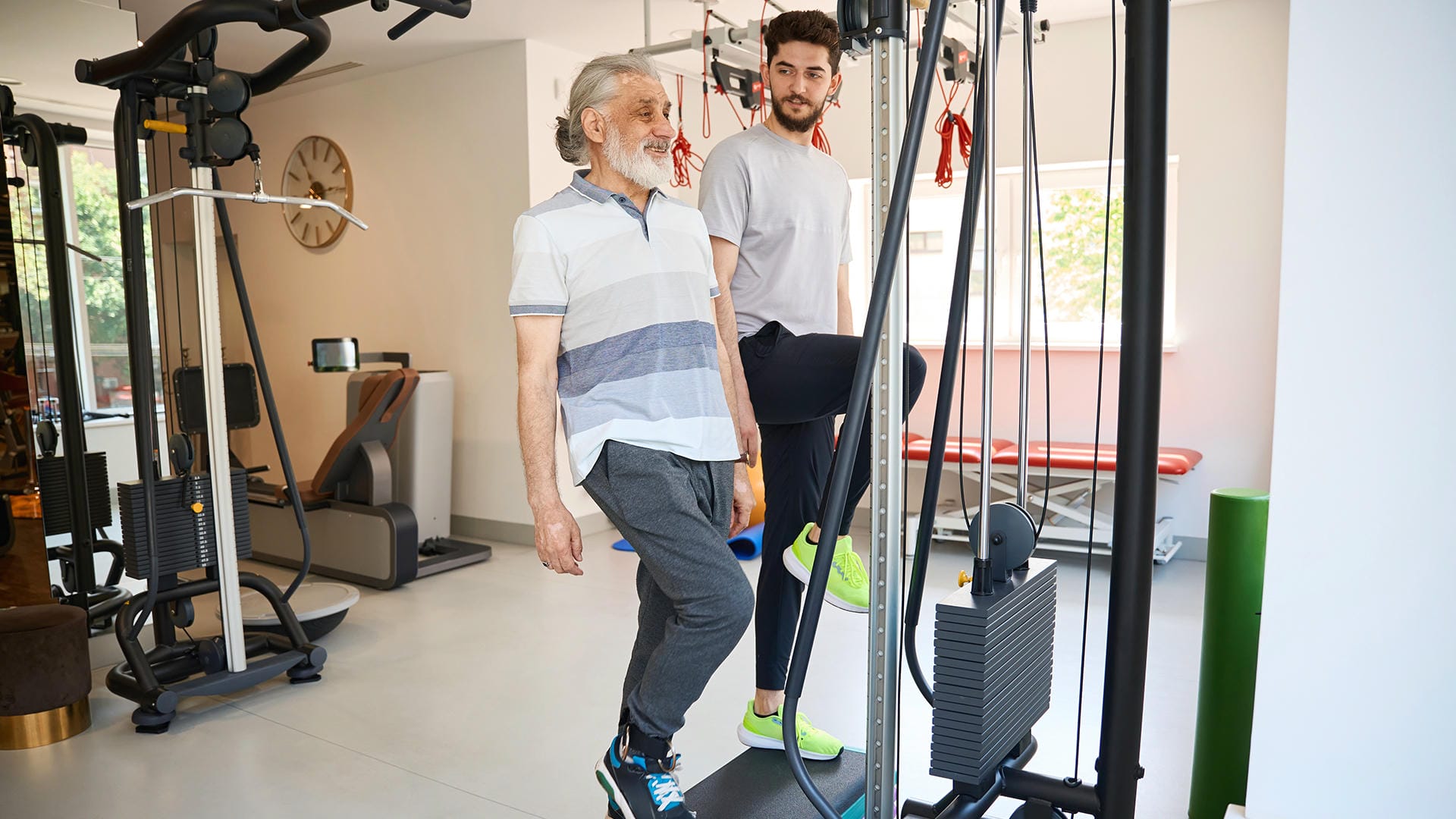
Getting dressed after surgery can take more effort than a family expected. So can managing an illness or living with memory changes. Centers Health Care provides rehabilitation, skilled nursing and long-term care for people who need that support.
Ask the Washington Center team about dementia care in Argyle, NY, and how long-term care would fit your relative’s situation. Cardiac care, pain management, short-term rehab, stroke care and wound care are also among its services. Mention any difficulty with dressing or moving around, and the help currently needed to get through an ordinary day.
A person’s goal may be getting home, becoming stronger, keeping some independence or feeling more comfortable from day to day. Progress can include setbacks and difficult stretches.
Sometimes that progress comes in large steps. More often, it comes in small ones. Our job is to be there through all of it, and to help each patient or resident get as far as he or she can.
A Familiar Visit at Washington Center
Bring a few photos or a letter if they would be welcome during a visit to Washington Center, at 4573 State Route 40 in Argyle. The center offers dementia care and long-term care. Discuss music, personal stories and individual conversation with staff, then allow your relative to set the pace or choose another way to spend the visit.
Care. Support. Positive Outcomes. Centers Health Care.
Centers Health Care provides rehabilitation, skilled nursing and long-term care for people with a wide range of needs. Whether someone is recovering from surgery, managing an illness or simply needs more support than can be provided at home, our staff is there to help.
The goal is not exactly the same for everyone. It may be returning home, becoming stronger, staying independent or simply feeling better and more comfortable from one day to the next. There will be progress, setbacks and difficult days along the way. Our job is to be there through all of it, and to help each patient or resident get as far as he or she can.
Sometimes that progress comes in large steps. More often, it comes in small ones. Either way, every step matters.
Our Steps to Home series follows patients through rehabilitation and the journey from hospital to home: