Bronx Rehab After Hospitalization: How Families Can Compare Options

Ask five families who’ve been through it and they’ll tell you the discharge paperwork never once mentioned therapy hours. Or staffing per shift. Or which of the seven things listed under a facility’s services page a place actually built a program around, versus the one they just also happen to offer. Bronx rehab after hospitalization gets chosen off two pages of intake forms and a rushed conversation with a discharge planner most families meet exactly once. Backwards, maybe. It’s also just how the Tuesday after a hospital stay tends to go.
Why Bronx Rehab After Hospitalization Splits Into So Many Tracks
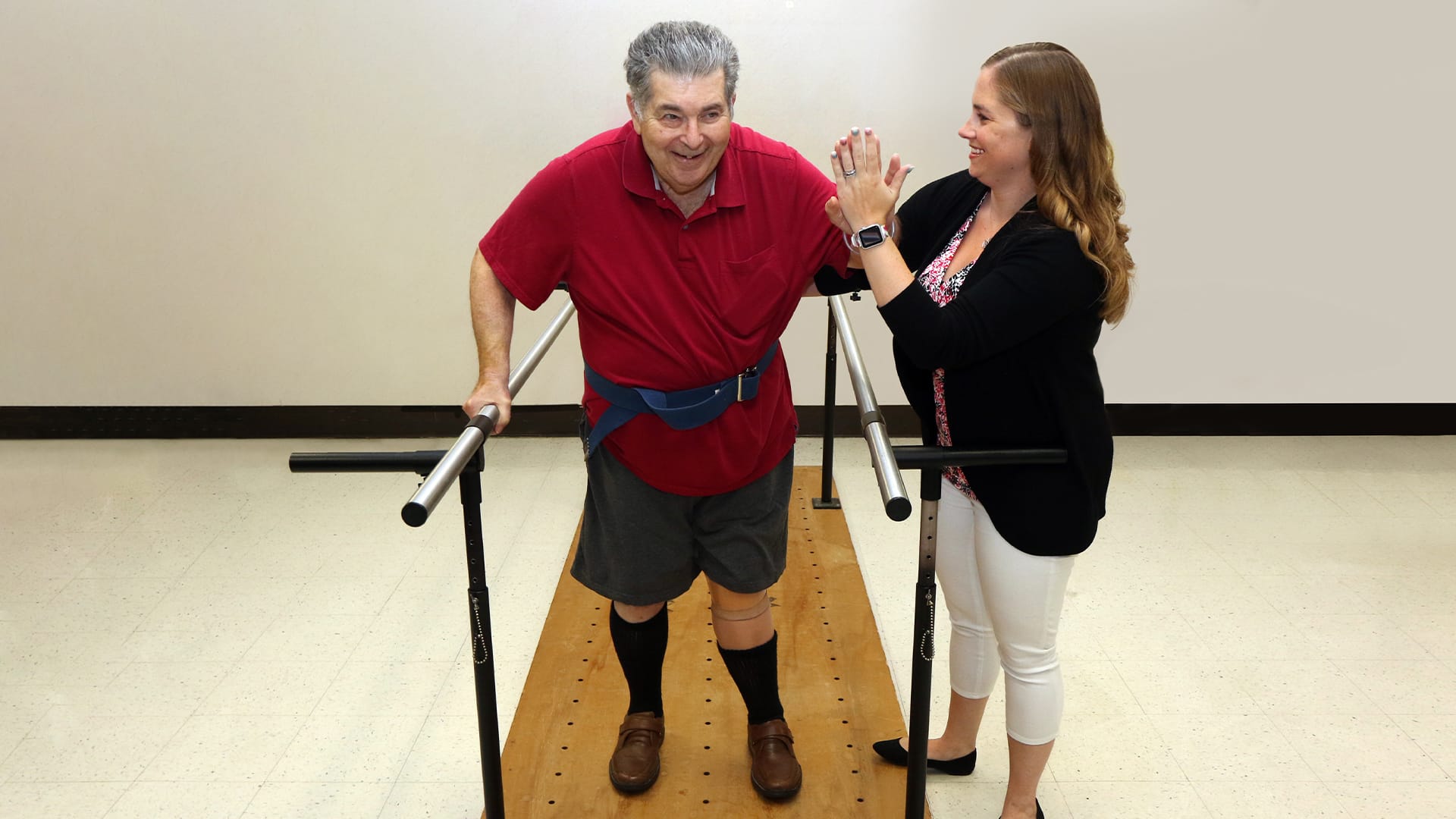
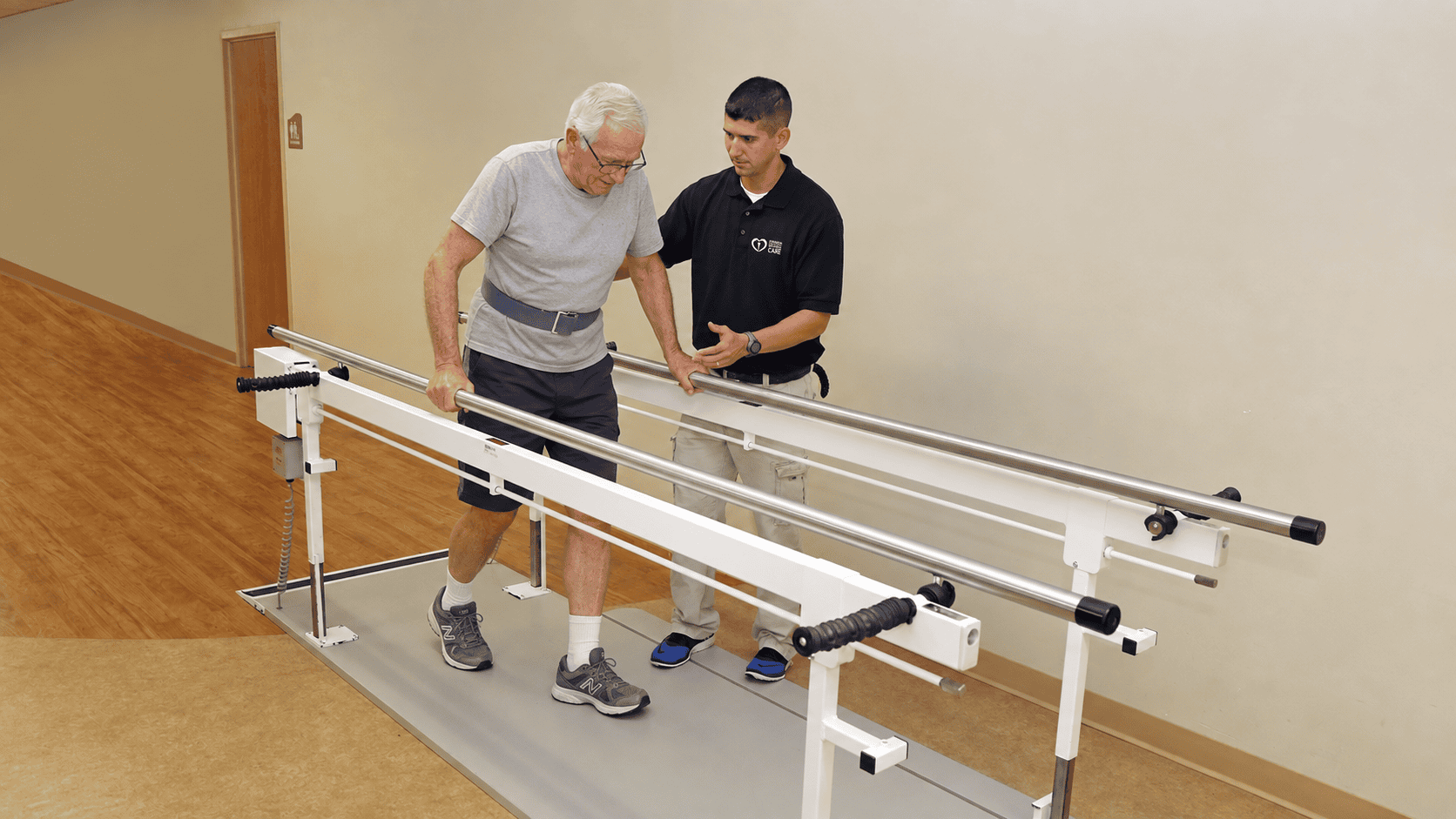
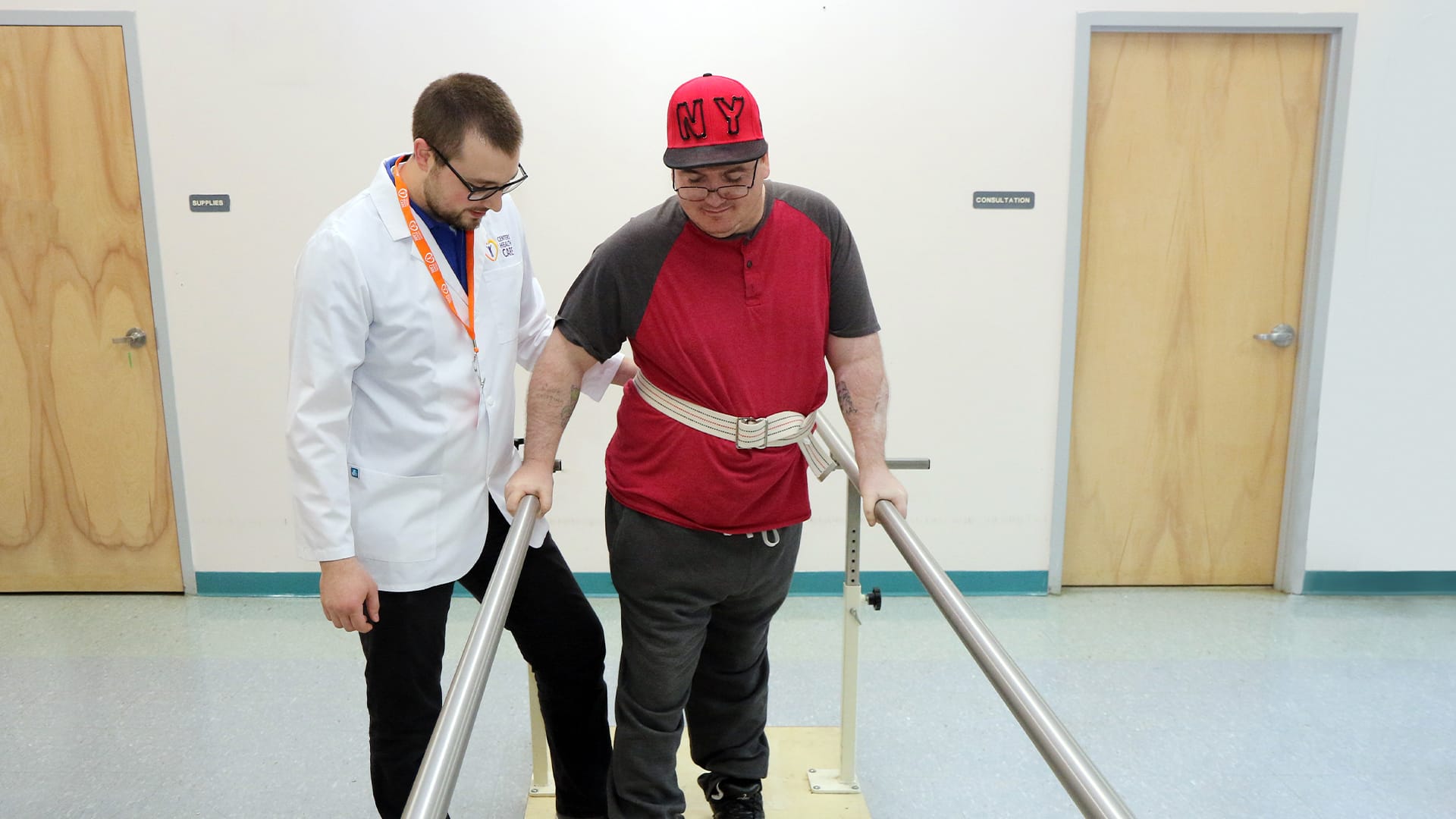
Short-term rehab after a hip replacement and recovery from a stroke aren’t cousins. They’re barely related. One tracks weight-bearing status day by day, often using orthopedic protocols like ERAS, Enhanced Recovery After Surgery, that push early mobilization even on the first day post-op if the surgeon clears it. The other measures progress through FIM scores, the Functional Independence Measure used across inpatient rehab to track whether someone’s regaining the ability to dress, transfer, or get to the bathroom without help. Long-term care runs slower still, less about hitting milestones and more about sustaining whatever function someone has left.
A facility listing seven service lines on its website isn’t necessarily running seven distinct programs. Sometimes it’s one generalist team stretched across all of them.
Cardiac and Stroke Timelines Don’t Match
Cardiac rehab moves in phases: monitored activity, gradually increasing exertion, education on thresholds a patient needs to watch for the rest of their life. It’s about as predictable as recovery gets.
Stroke works on a narrower clock. Neuroplasticity, the brain rerouting function around damaged tissue, front-loads most of its gains into the first three to six months, and a program that treats that window casually is gambling with something that doesn’t come back around a second time. Berg Balance Scale scores, gait speed, grip strength — a serious stroke program tracks these weekly. A program that isn’t might get to it monthly, if at all.
Wound Care and Pain Don’t Get the Same Attention Everywhere
Pressure injuries get staged, Stage 1 through Stage 4 depending on depth, and the Braden Scale is the standard tool most programs run at admission to flag who’s at risk before a wound even forms. Repositioning schedules follow from that score. So does the support surface a patient gets, and how closely nutrition, protein intake specifically, gets watched, since a wound doesn’t close on an inadequate diet no matter how good the dressing technique is.
Pain works on a similar logic but gets less attention. A numeric rating scale covers patients who can self-report; an observational tool, something like PAINAD, covers residents who can’t communicate that clearly. Whether that gets documented every shift or only when someone speaks up is the clearest sign of whether a program is built around managing pain or just responding to complaints.
What to Actually Ask About a Bronx Rehab After Hospitalization
Staffing ratios matter more than most tours reveal, so it’s worth asking directly how many patients each physical therapist carries in a day. Whether occupational and speech therapy run on-site or get contracted out changes how fast something gets adjusted mid-week. Fall risk gets assessed on admission almost everywhere, usually through the Morse Fall Scale, checking gait, medication load, and mental status, though how often that gets rerun once someone’s already admitted varies more than families assume.
Fall risk scores and staffing ratios don’t decide everything on their own. Three or four of these questions stacked together, though, tend to expose whether a building treats recovery as the point or as something that just happens near the beds.
Ask about care conferences too. Existence isn’t the useful question, since nearly every program claims to hold them. Frequency is the more useful one, and so is who actually shows up. A physician, a therapist, a social worker, and someone from the family meeting once a month reads nothing like a nurse mentioning progress between two other conversations in a hallway. Families juggling a job and a commute across the Bronx don’t have the bandwidth to chase down information nobody offers up front.
Where Triboro Center Fits Into the Picture
Triboro Center runs seven of these service lines out of one Bronx building: short-term rehab, cardiac care, stroke care, orthopedic care, pain management, wound care, and long-term care. Whatever a family walks in needing, odds are decent it shows up somewhere on that list. What’s worth a phone call is whether staff trained in cardiac protocols are the same people handling stroke recovery down the hall, or whether specialization actually splits by unit the way it should. Their program details sit at Triboro Center.
Care. Support. Positive Outcomes. Centers Health Care.
Centers Health Care runs rehabilitation, skilled nursing, and long-term care across a wide range of needs, and at Triboro Center that covers cardiac recovery, stroke rehabilitation, orthopedic care, pain management, wound care, and long-term support depending on what a person walks in with. Surgery recovery looks different from managing a cardiac condition, which looks different again from someone who just needs more help than a house alone can provide, but staff handle all of it.
Nobody arrives with the same finish line in mind. One resident wants to get back to an apartment in Riverdale. Another is just trying to walk to the bathroom unassisted by December. A third has stopped aiming for home and just wants Tuesdays to feel a little less hard than Mondays did. Progress skips around more than it climbs in a straight line, and some stretches are rough regardless of how good the program is.
Whatever shape it takes, staff show up for whichever stretch someone’s on, quiet weeks included.
Our Steps to Home series follows patients through rehabilitation and the journey from hospital to home: