
Cardiac Rehab After Hospitalization: What to Look for in a Heart Recovery Nursing Home
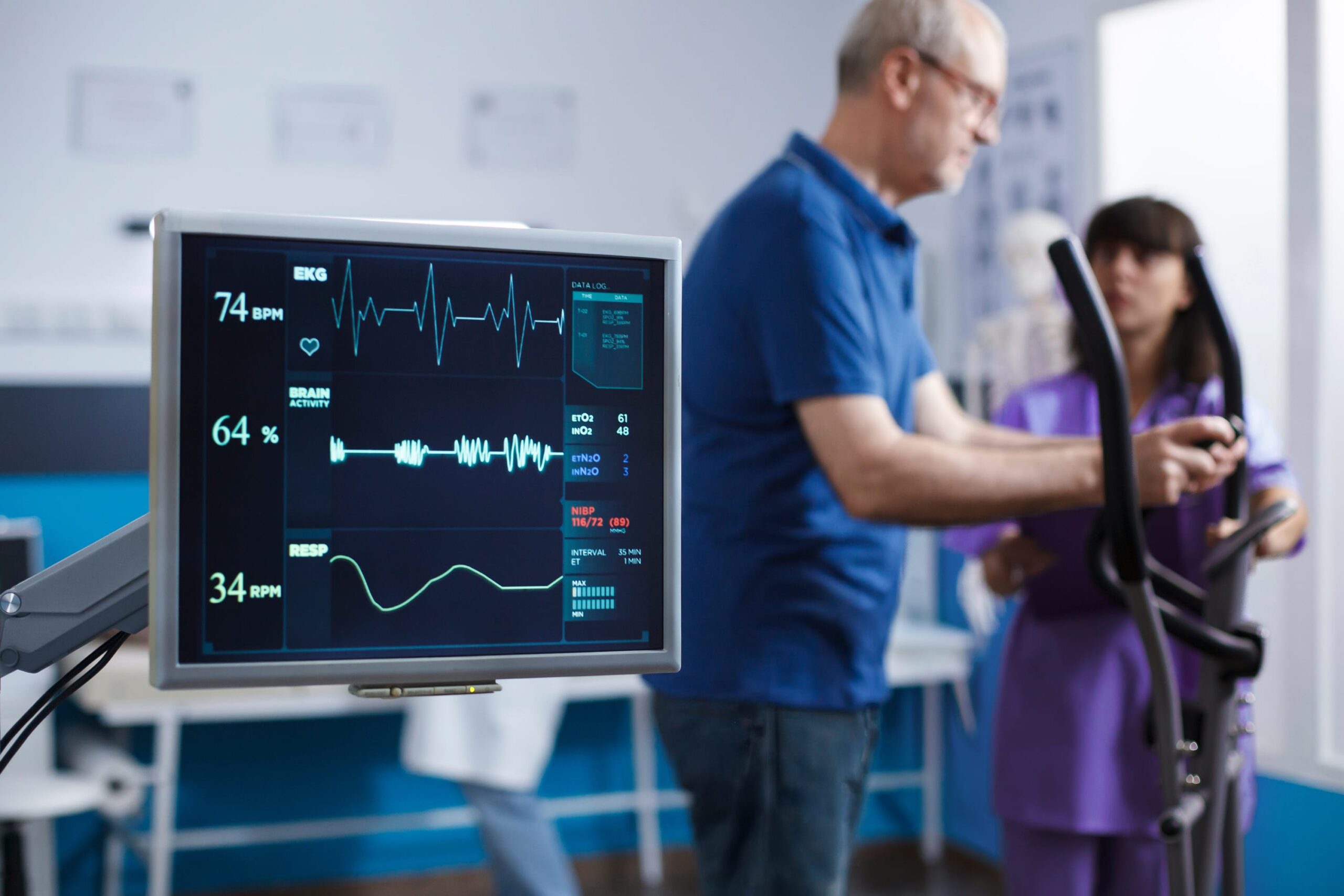
Let’s say that your father had a heart attack last week. Or a triple bypass, or he just got a new stent put in. Thursday afternoon the hospital hands you a discharge plan, and by Friday morning you’re calling nursing homes across the Bronx and Queens trying to figure out which ones actually run a cardiac rehab program versus which ones just have the words sitting on a webpage.
Most list it. Fewer run one that means anything.
Cardiac rehab inside a skilled nursing facility is its own separate thing. It isn’t outpatient cardiac rehab (that comes later, assuming the patient gets strong enough for it), and it isn’t regular physical therapy with a blood pressure cuff thrown in either. The clinical term is Phase 1B. Structured recovery after hospital discharge, before the patient qualifies for outpatient. A real program has, at minimum, monitored exercise, nutrition counseling, medication reconciliation done with the cardiologist, and some education component so the patient and family understand what just happened and what the next six months look like. If none of that is in writing anywhere, you’re looking at physical therapy with marketing copy attached.
An HCPLive analysis from earlier this year found that heart failure patients released from an SNF after stays of two days or less were readmitted to the hospital up to four times more often than patients who stayed a week or two. Which is a polite way of saying: if the SNF is pushing for a short turnaround and the cardiologist hasn’t signed off, something’s off.
Certifications are a starting point, not the answer
AACVPR. That’s the big one on the outpatient side, and the one that comes up first if you Google. Not really the credential for an SNF. What you’re looking for at the nursing home level is AHA post-acute heart failure certification, or Joint Commission post-acute heart failure accreditation. Neither is common in New York. You can count the facilities holding one or the other on maybe two hands across the five boroughs. When a place has it, the admissions director volunteers it in the first five minutes of the tour. When they don’t have it, the conversation tends to drift – CMS star ratings come up, the renovated therapy gym comes up, the new chef comes up. Fine things. Not cardiac rehab credentials.
The cardiologist question is where facility tours usually get awkward. Ask by name. Who is the doctor writing exercise progression orders for this unit on a Tuesday morning? Sometimes you’ll get a clear answer and a bio. Sometimes you’ll get “our medical director oversees all of that,” which is not an answer to the question you asked. Sometimes you’ll get a shrug passed up the chain. The CMS rule finalized for 2026 still says only a physician can establish or sign a cardiac rehab treatment plan – NPs and PAs supervise sessions, including virtually now, but the plan needs a doctor’s name on it. A program that can’t produce that name quickly is a program where the signature and the clinical reality may not be the same person.
Telemetry is another one. Whether the unit has functional cardiac monitoring equipment actively in use during therapy sessions, not sitting in a storage closet from a purchasing decision three administrators ago. Real-time monitoring is how a team picks up an arrhythmia or a pressure drop during exercise before it becomes the next hospital transfer. Older NIH research on cardiac monitoring in SNFs found equipment was often physically present but rarely in consistent use. Some facilities have improved a great deal since. Others haven’t moved much.
What changed for 2026
A few things shifted this year. Virtual supervision of cardiac rehab is now permanent, which sounds minor but affects staffing continuity at places that had been running thin. CMS reimbursement for most cardiac rehab service lines went up slightly for 2026 (outpatient respiratory code G0239 is the exception, and went down). And the SNF Value-Based Purchasing program is expanding its quality measure set in 2027, which means facilities already know they’ll soon be judged on infection control, nurse staffing turnover, and total nursing hours per resident day, on top of readmission rates.
One to two weeks in an SNF dropped 30-day readmission risk by roughly half compared to stays under 48 hours. That’s the HCPLive number. Nobody in the family is enthusiastic about grandpa spending an extra week in a nursing home – the rooms are small, the food is what it is, and everyone wants him in his recliner watching his shows. But the alternative is an ambulance trip back to the hospital on day eight with chest pain, because nobody had time to properly titrate the new beta blocker and the Lasix dose turned out to be wrong. Short stays look efficient on a discharge summary. The patient’s second hospitalization is when you find out whether they actually were.
Discharge planning – when does it start? That’s the question to ask on the tour. The day the patient is admitted is the right answer. Anything fuzzier, and the family is going to end up doing that work from home. A good nursing home rehab has the social worker in the intake meeting, not just the nursing assessment. By the time your father is a week in, somebody on staff should already have called the home health agency, already put the cardiologist follow-up on the calendar, already figured out whether the Medicare Advantage plan is going to balk at the new rivaroxaban script before it becomes a problem at a Rite Aid on a Sunday. Nobody running around the day before discharge trying to locate a wheelchair. Plenty of families end up stitching it together themselves – a sister who happens to be a nurse, a son-in-law who handled his own mother’s discharge two years ago and still has the number of a decent home health coordinator saved in his phone. The nursing home becomes a partner in the transition or it becomes a place where paperwork gets generated. Two different experiences. Worth knowing which one you’re signing up for.
About Bronx Center
For families looking at heart recovery options in the Bronx specifically, Bronx Center has run one of the more substantive post-acute cardiac programs in the borough for years. The program pulls together monitored exercise, behavior modification, dietary counseling, medication oversight, and patient and family education, which are the actual components of a Phase 1B program rather than a PT schedule with a different label on it. Staff continuing education is treated as a priority, which matters because cardiac rehab protocols have shifted noticeably over the last few years. The team coordinates with referring hospitals and with the patient’s outside cardiologist directly during the admission process, which is the part most facilities handle poorly. For anyone recovering from an MI, a bypass, a valve replacement, or a heart failure exacerbation, a tour of Bronx Center before signing admission paperwork anywhere else is time well spent.