
Nursing Home Activities That Do More Than Fill Time: The Value of Recreation Therapy
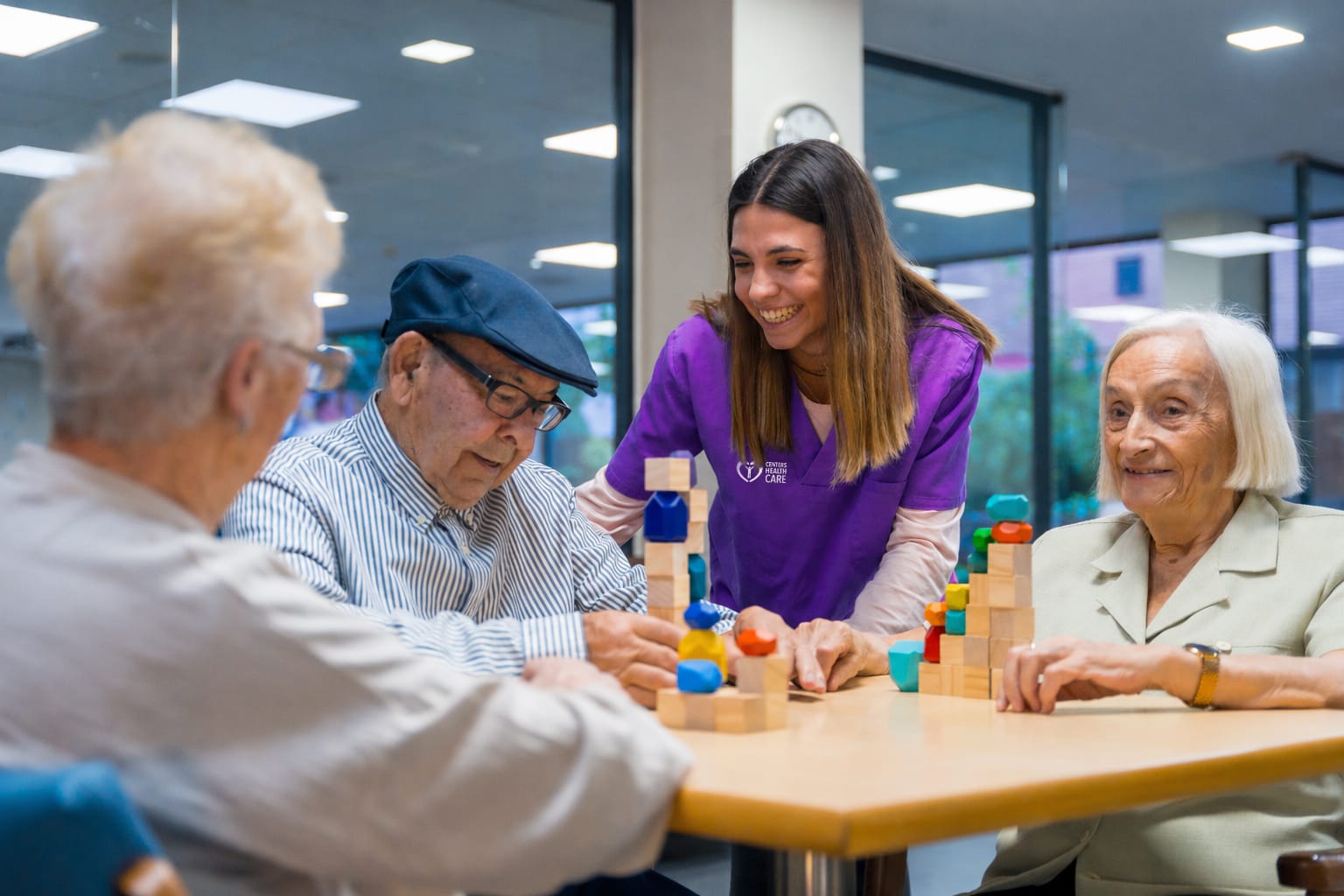
Walk into a skilled nursing facility around 10am and you’ll usually find something going on in the day room. Trivia maybe. A music program. Someone with a cart of supplies setting up for crafts. To a visitor it can read like a way to keep people busy until lunch. It shouldn’t be, anyway. Recreation therapy is a clinical service with its own credentialing, its own regulatory framework, its own evidence base, and its own line on the resident’s care plan.
That last part trips up a lot of families. They assume “activities” means bingo and singalongs. Bingo is fine. Bingo isn’t the discipline.
Where nursing home activities got their rules
The discipline traces back to OBRA ’87, which is the law that pulled the rug out from under a lot of how nursing homes used to operate. Among many other things, it required facilities to run activity programs led by qualified professionals. The Minimum Data Set, or MDS, was built out of that same overhaul, and the current 3.0 version (rolled out in October 2010) actually asks residents about their preferences directly. Do you want books in your room. Do you want to listen to music. Do you want to go outside. Do you want religious services. Straightforward questionnaire, but it changed things, because the answers feed into care planning instead of sitting in a binder somewhere.
The credential to know about is CTRS, Certified Therapeutic Recreation Specialist, issued through the NCTRC. A CTRS handles assessment, treatment planning, intervention, and documentation, much like any other allied health discipline. They sit at care conferences. They write notes that feed into Medicare Part A billing under MDS Section O for residents on subacute stays.
Why nursing home activities matter more in 2026
Why this all matters more in 2026 than it used to: roughly half of long-stay residents have dementia or Alzheimer’s, and depression rates run high enough that you can almost assume a resident is dealing with at least mild symptoms unless told otherwise. Pharmacology covers some of that ground, not all of it. CMS guideline F679 specifically calls out non-pharmacological interventions for behavioral symptoms in dementia, and lists the resident profiles a facility needs to address: pacers, wanderers, rummagers, withdrawers, residents who hallucinate or seek attention. F679 is not a suggestion. It’s a survey item.
What nursing home activities actually look like on a Wednesday
So what does any of this look like on a Wednesday afternoon in a real building.
For one resident, it might be horticulture at a raised bed. For another, music therapy where a CTRS plays songs from the resident’s teenage years and watches the response. For a third, chair yoga twice a week, which is fall prevention even if nobody calls it that on the calendar. An outdoor walk for the residents who can manage it. A book group for the ones who still read. Card games. Cooking, when the facility has the setup for it.
The unglamorous truth is that a lot of recreation therapy happens in small one-on-one moments that never make it into a brochure. A resident who refuses every group event might still come alive over a crossword puzzle with one aide. A man who hasn’t said much in weeks turns out to remember every player on the 1969 Mets. The CTRS notices that, writes it up, and now there’s a small treatment plan around it. The aides know. The family hears. Other staff start showing up with sports trivia of their own.
Some of the gains are easy to measure. Fall rates. Antipsychotic use. Behavioral incidents per resident per month. Other gains are softer and family members tend to recognize them faster than data does. A resident who started smiling again. A resident sleeping through the night. A resident who has, somehow, made a friend in the dining room and now eats with him every day instead of in her room with the door closed.
Nursing home activities and the tech that wasn’t around five years ago
There’s also a tech layer that’s grown noticeably in New York facilities over the past few years. Sensory rooms. VR programs that take residents through Central Park or the Catskills or the streets of pre-war Brooklyn, which works surprisingly well for residents whose long-term memory is intact but whose mobility isn’t. Light therapy boxes for the winter months, when programming has to live mostly indoors. Tablets loaded with prayer services, audiobooks, and old radio shows, for the residents who would rather be alone with something familiar than in a group.
The staffing problem behind nursing home activities
The real weak spot is staffing. Recreation departments are often the first line trimmed when budgets get tight, and the CTRS pipeline has not kept pace with demand. The American Therapeutic Recreation Association has been pointing this out for years. If you are touring a facility for a parent, ask how many CTRSs they have on staff, what the resident-to-recreation-staff ratio actually is, and whether they can hand you a current week’s calendar without going to look for it. The fluency of that answer tells you a lot.
Cultural fit and nursing home activities
Cultural fit is its own conversation, and a more central one than it used to be. Diverse populations have diverse preferences, and the research that came out after the MDS 3.0 revision found minority residents tend to place higher importance on group activities, religious practice, and keeping up with the news than was previously assumed. A facility where Friday afternoon programming includes Shabbos preparation, or where Sunday morning includes a chaplain who actually knows the residents, is a facility paying attention. So is one with kosher options, halal options, Spanish-language activities, or anything else that signals the staff knows who is actually living there.
None of this fixes everything. Some residents won’t engage. Some afternoons the room is mostly empty. The CTRS runs the program anyway because the two residents who did show up are why she’s there.
Nursing home activities, done seriously, are not entertainment. They are clinical care wrapped in something that looks like fun. The fun part is the point.
A Note on Recreation at Martine Center
Martine Center is at 12 Tibbits Avenue in White Plains. Walk a few minutes east and you’re at White Plains Hospital. The building runs around 200 beds split between long-term care and short-term rehab.
Recreation gets actual weight in the building. Pull up reviews on any of the third-party sites and the pattern is hard to miss — residents naming staff. One staffer in particular, Jessica R from the recreation team, gets called out by name in more than one unrelated review, which doesn’t really happen unless somebody’s doing the work. Other reviews mention the cooking program. The arts and crafts. The strawberry shortcake. The free Netflix in the rooms (this one comes up more often than you’d expect).
Senior Night Out is the annual one. Held the last week of July inside the event lobby. There’s a DJ. A photo booth too. Food is your standard summer cookout fare, burgers and hot dogs, mac and cheese, watermelon, sodas to wash it down. Centers Health Care leadership ran the event under the banner “Care That Moves You,” and the stated reason was bluntly to push back against resident loneliness and isolation. Most facilities won’t say that part out loud on a flyer. Outside of the big summer night, the rhythm of the week is quieter. Yoga. Stretching. Spiritual programming for residents who want it. Time on the secured lawn out back when the weather cooperates. Family is encouraged to come at mealtimes, not just visiting hours.