Dementia Care and Family Visits: Making Late-Summer Visits More Meaningful

Peaches sounded like a good idea. So did bringing both grandchildren. By 3:20, Dad had pushed away the fruit, mistaken Eli for his brother and begun asking for parents dead for forty years. The television supplied a game-show buzzer every few seconds. Nobody knew whether to stay.
Recognition makes a poor scorecard. A forgotten name can coexist with pleasure in a familiar voice, a warm hand or an old tune hummed badly. Dementia is uneven that way. Sometimes six settled minutes is what the day has to give.
Plan Dementia Family Visits Around the Resident’s Day
Call ahead. Ask when the resident is usually alert and whether therapy or personal care is scheduled. Ten in the morning may work beautifully for one person and collide with another person’s nap. A dependable 25-minute visit can be kinder than a two-hour production.
Crowds are harder to sort out. Start with one or two visitors, especially when children are coming. The first words should supply information instead of demanding it: “Hi, Dad. It’s Ruth. I came to sit with you for a while.” “Do you remember me?” turns a greeting into an exam.
Bring one small thing with a known connection: three labeled photographs, a prayer book or the hand cream she used for years. Twelve photos and three simultaneous questions is a lot of traffic.
What Dementia Family Visits Can Sound Like
Mom points to a man in the photograph and calls Cousin Jack “Abe.” The family historian in you wants to fix it. Let this one go. “He always wore that hat” keeps the exchange alive; a lesson on the family tree probably ends it.
Make questions small enough to hold. Blue sweater or gray? Tea now or later? After asking, count slowly to ten in your head. Answers can take the scenic route. One person speaks at a time, close enough that Mom can catch the face and voice together.
If a story repeats, listen for its feeling. “You miss your sister” can answer more than another correction about the year she died. Skip baby talk and conversations over her head. Some days the words quit early. Sitting there still counts.
Late-August Light Changes the Timing
The wall clock has not moved; sunset has. By late August in Gloversville, a familiar evening appointment can land in a resident’s difficult part of the day. Aunt Rose checks the window, finds her purse and insists that a bus is due. Her son thinks the visit upset her. Perhaps the timing did.
Ask an aide, “When did she begin looking for the door yesterday?” Try well before that hour. Morning may work. So may the quiet stretch after lunch.
Check the temperature before promising the courtyard. Heat can hit an older person quickly; medication sometimes changes how the body cools itself. Keep it short and shaded. Follow the nurse’s fluid and swallowing directions. New dizziness, dry mouth, fast heartbeat or muddled thinking gets reported, even if the ice cream is melting.
Bring Something to Do, Then Drop the Agenda
Hands sometimes find a route that questions cannot. Fold washcloths. Sort postcards. Sing one chorus. A former gardener may enjoy rubbing mint between his fingers even when its name is gone.
Watch the response. A clenched jaw, glances toward the door, closed eyes or a hand pulled away can mean “enough.” Any walk should fit the care plan and use the prescribed mobility aid. Never improvise a transfer because it looks easy.
Give a grandchild one job: show a drawing or place napkins on the table. Explain first that Grandpa may use the wrong name, repeat himself or be done after six minutes.
The Cookie Box Has Conditions
Cookies from the old neighborhood bakery can unlock quite a memory. Before opening the box, ask about the ordered food texture, drink consistency and allergies. IDDSI labels drinks and foods across Levels 0 through 7. A brittle cookie or juicy peach may fall outside the swallowing plan, however beloved it once was. Appearance is a poor guide.
An untouched treat might point to discomfort. Watch what happens as the person shifts, reaches or swallows. PAINAD organizes five observations: breathing, vocalization, expression, body language and consolability. Give the nurse the scene: “At 2:10, she grimaced three times while lifting her right arm.”
A Sudden Change Is a Clinical Clue
Write down the last ordinary moment: “At noon she fed herself and argued about the television. At 2:30, we could barely wake her.” That clock helps staff far more than “She seems off.”
Confusion that appears within hours or several days, or alertness that swings during one afternoon, may be delirium. Infection, fever, too little fluid and medication effects all belong on the list of possible reasons. Bring the nurse in promptly.
A crooked smile that was not there before, one weak arm or suddenly garbled speech gets an immediate staff alert. Regular visitors know the resident’s usual walk, face and voice. Use that knowledge.
Leave Without Turning It Into a Test
Repeatedly asking, “Are you okay if I go?” may produce an answer the resident cannot hold onto. Use a plain cue and known handoff: “I’m heading home. I’ll see you Sunday after lunch. Maria is taking you to music.”
Keep promises exact. Afterward, jot down the best time of day, what engaged the resident and any discomfort. The next visit starts there, more or less.
Care. Support. Positive Outcomes. Centers Health Care.
Inside Fulton Center, a long-term resident with dementia and a patient rebuilding speech after a stroke live on different calendars. The Gloversville team provides dementia care, long-term care, pain management, short-term rehab and stroke care. One plan may aim toward home. Another concentrates on comfort, function and familiar human contact.
Progress refuses one measuring stick. It might be a safer transfer, less pain during grooming, a recovered word or ten settled minutes with a daughter. Staff watch the smaller changes, revise a stalled plan and help each resident or patient get as far as possible.
Steps to Home
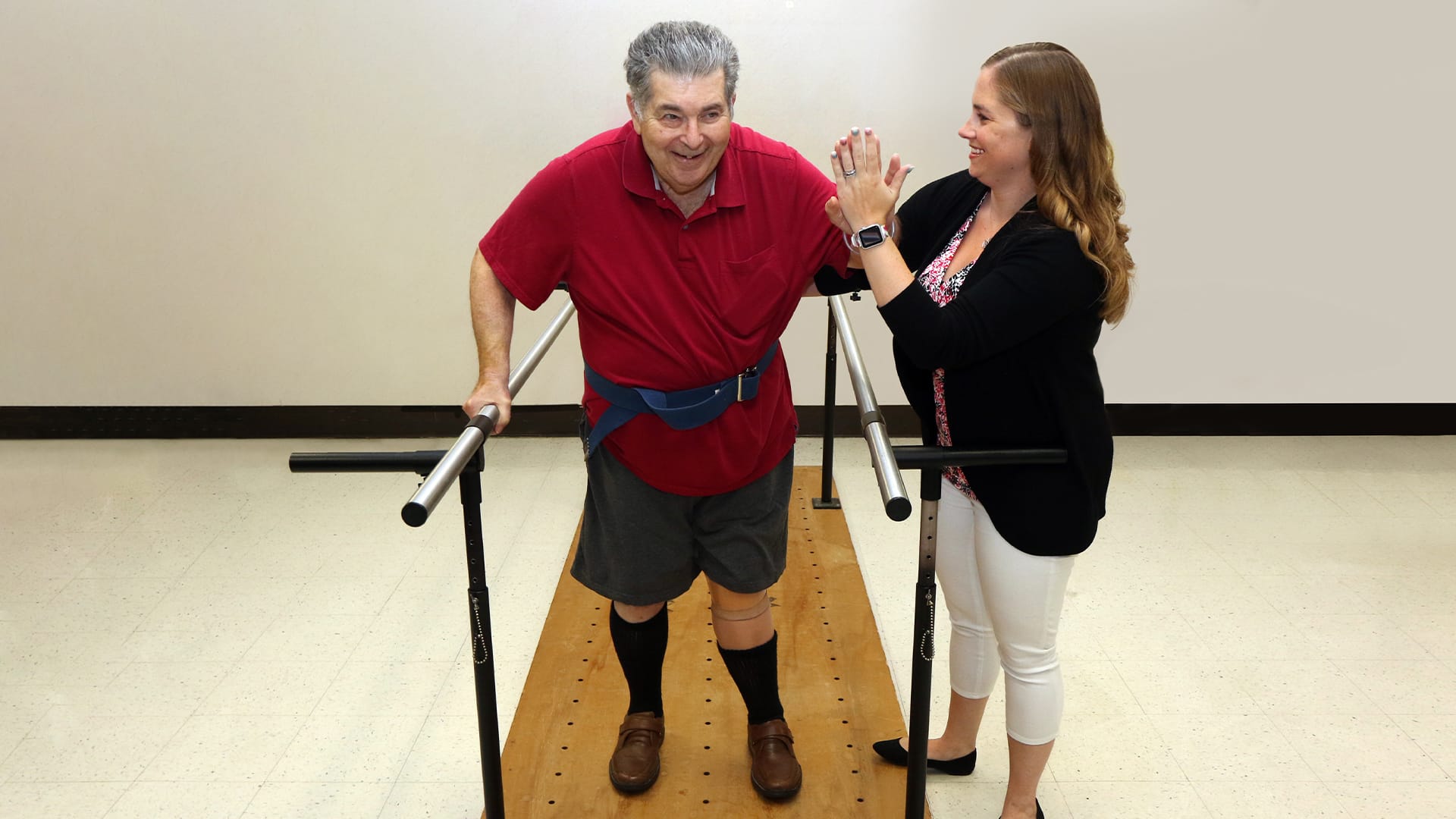
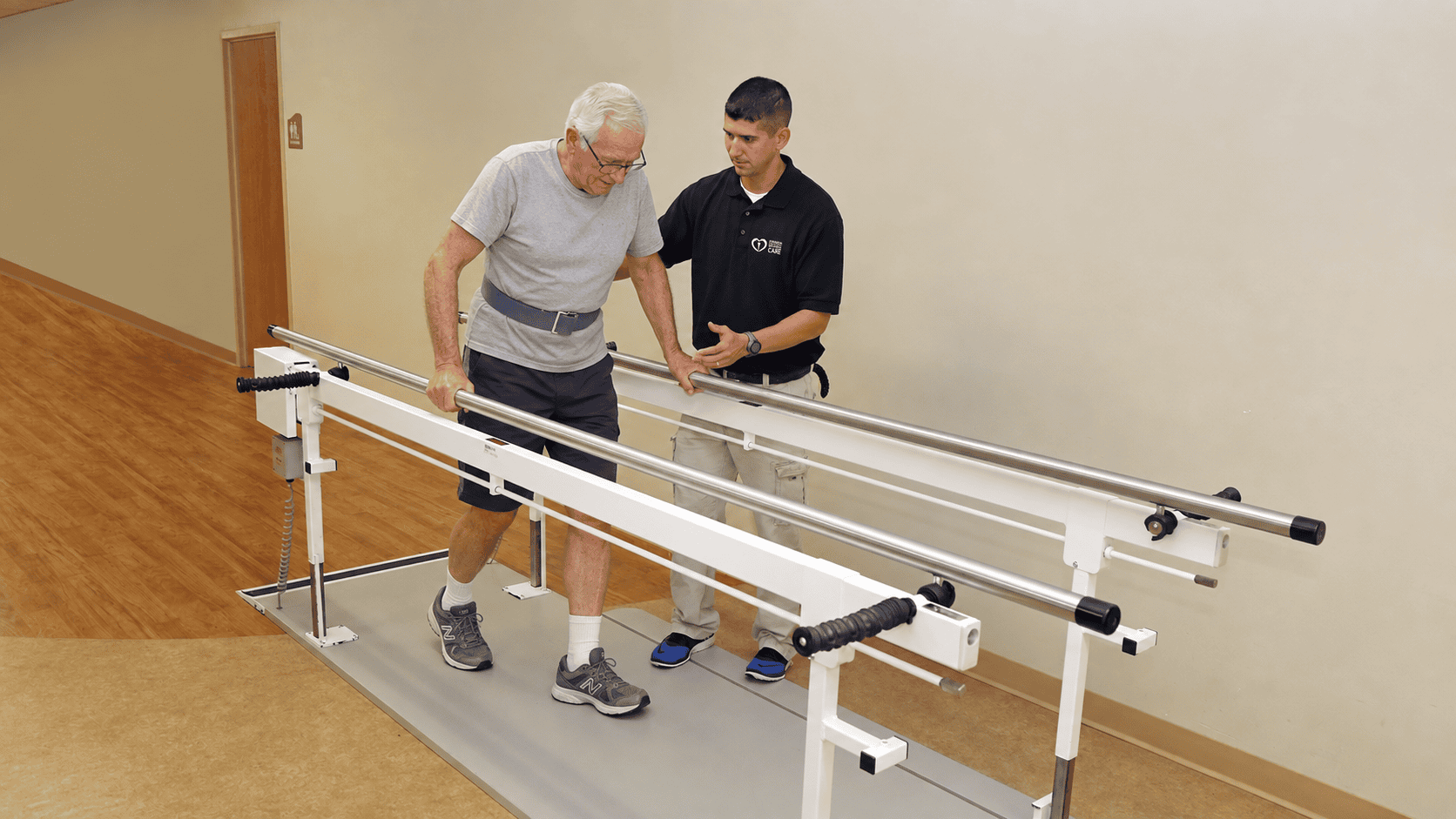
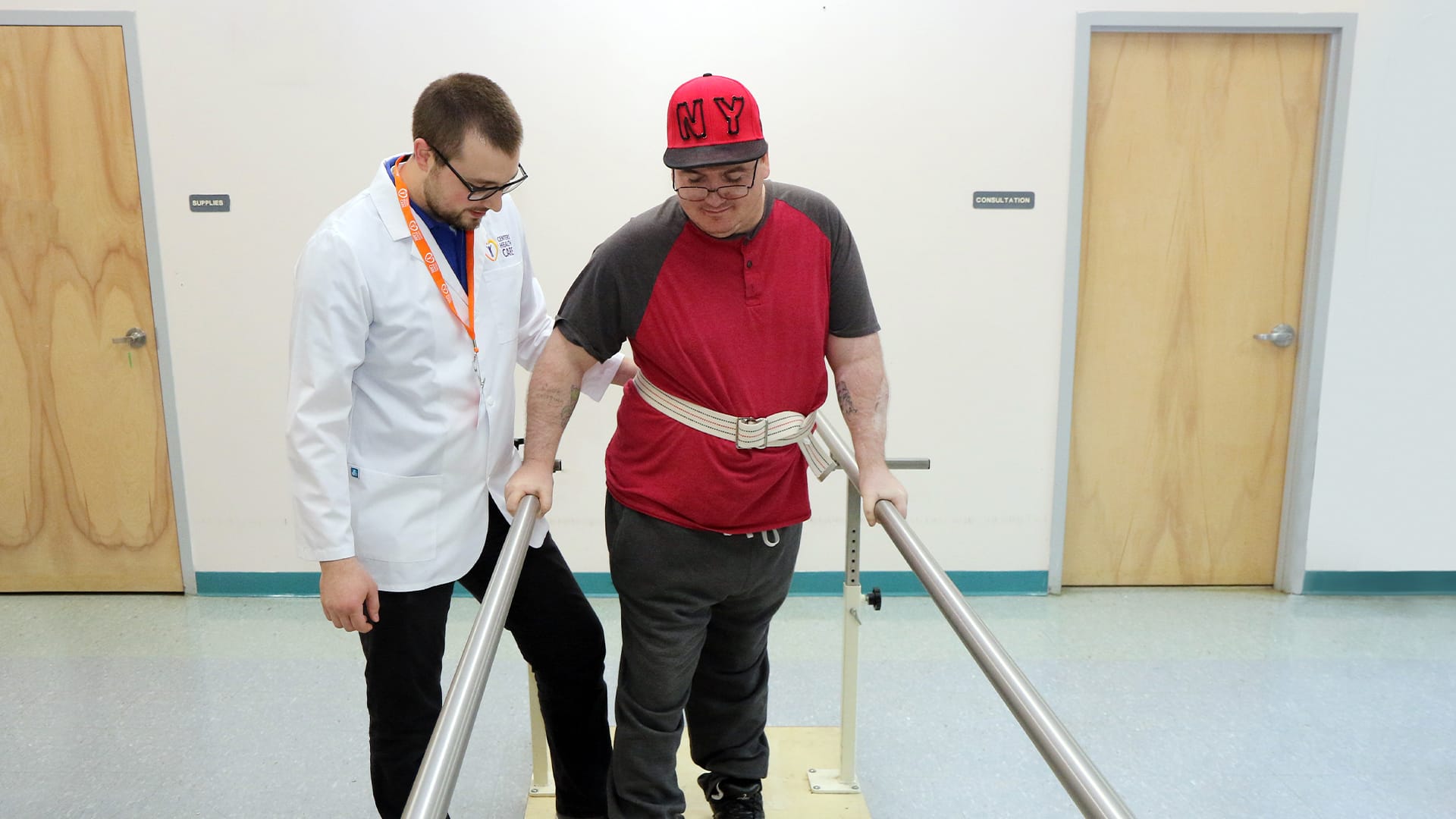
For short-term rehab patients, Steps to Home begins with the return destination in view. Therapy, nursing, social work, nutrition staff, the patient and family compare session progress with what home will require. Walking, dressing, stairs, communication and caregiver instruction are worked through before discharge. Home should not arrive as a last-day surprise.
Our Steps to Home series follows patients through rehabilitation and the journey from hospital to home: