Falls Prevention Awareness Week: Safer Steps After Orthopedic Rehabilitation in Troy, NY
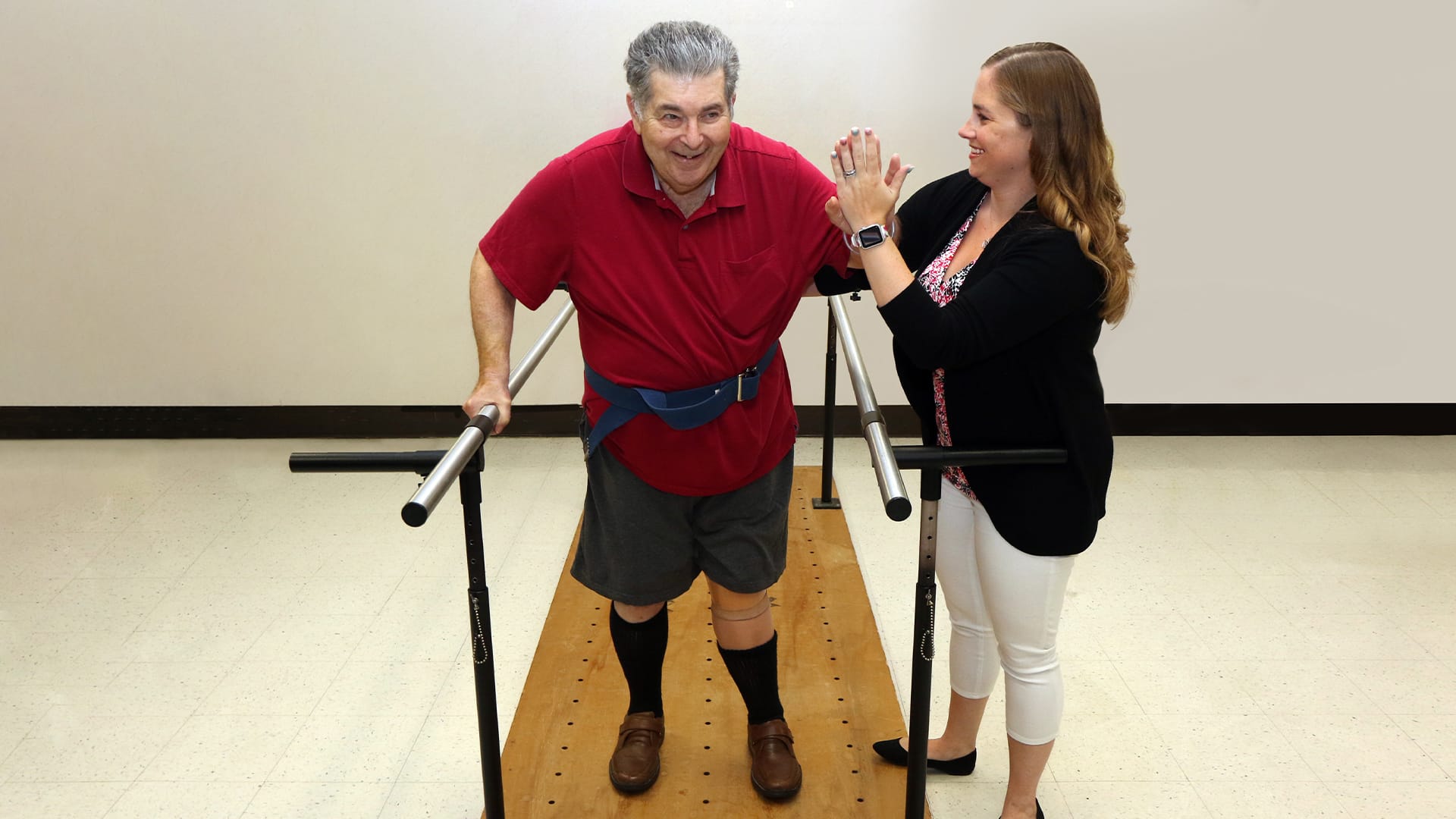
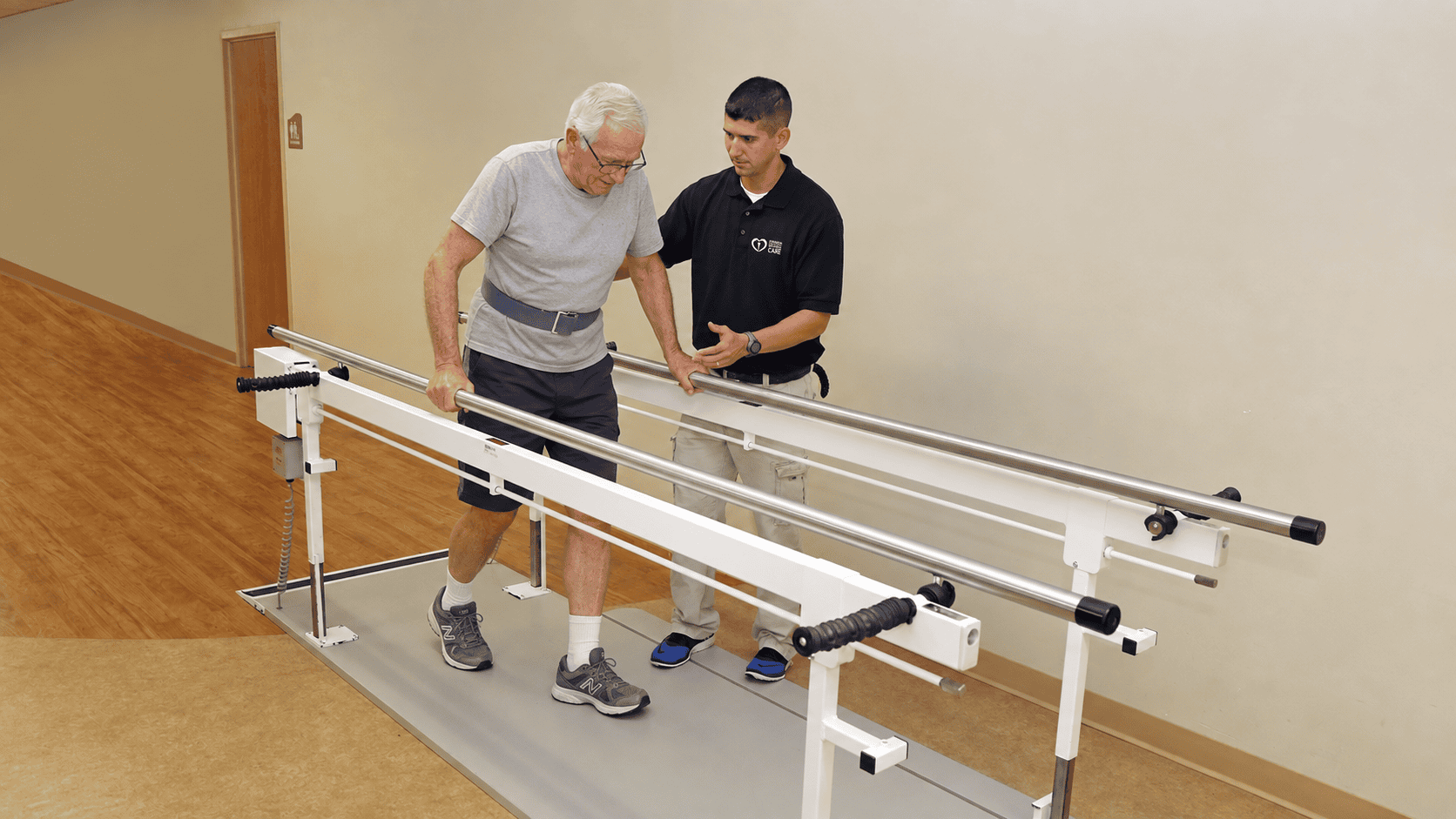
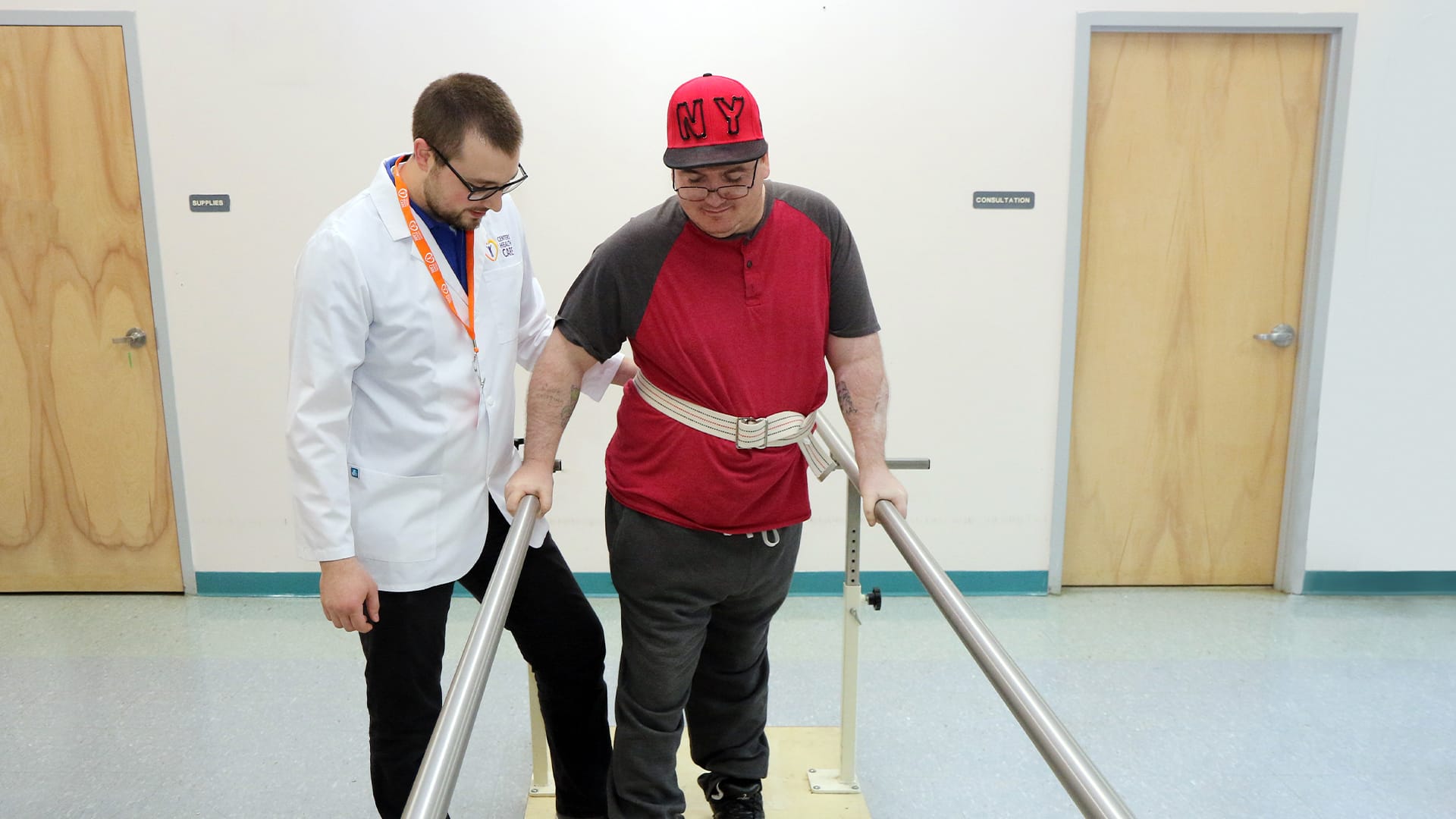
The first walk through the front door after rehab can feel like a finish line. Then comes the loose threshold, the narrow turn toward the kitchen and the staircase that looked perfectly ordinary a few weeks earlier. Home has a way of presenting its own therapy test.
Falls Prevention Awareness Week runs September 21–25, 2026. The timing is useful in upstate New York, where September can put rain, damp leaves and earlier dusk into the same afternoon. According to the Centers for Disease Control and Prevention, more than 14 million adults age 65 and older report a fall each year. New York State identifies falls as the leading cause of injury deaths, hospitalizations and emergency department visits among adults 65 and older.
Those numbers are serious. They still do not make falling an unavoidable part of age. Strength, balance, medication effects, eyesight, foot pain and the physical setup of a home can all be addressed. After orthopedic rehabilitation, Troy NY residents often have one more factor in the mix: a body that is improving but has not yet returned to its old habits.
Orthopedic Rehabilitation in Troy NY: The House Is Part of the Plan
Before discharge, picture an ordinary day rather than a perfect one. How many steps lead to the entrance? Is there a railing on both sides? Does the walker fit through the bathroom doorway? A person may handle a level therapy floor confidently and still struggle with a soft rug, a high tub wall or groceries placed on a low shelf.
A room-by-room check works better than a general promise to “be careful.” Start at the entrance. Repair loose boards, uneven paving and curled mats. Railings should be secure enough to bear weight, and outdoor lighting should reach the lock, threshold and first step. Marking the edge of a step with high-contrast tape may help when depth perception is limited.
Inside, clear a route wide enough for the prescribed assistive device. Electrical cords, pet toys, small tables and throw rugs tend to occupy exactly the space needed for a turn. In the bathroom, grab bars must be properly installed into suitable support; a towel bar is not a substitute. Keep frequently used kitchen items between waist and shoulder height. Reaching overhead or bending deeply can shift the center of gravity fast.
Stairs, Sidewalks and Wet Leaves
Stairs ask for strength, joint motion, balance and sequencing at once. Use the technique practiced with the therapy team, including the recommended order for the stronger leg, affected leg and device. Do not improvise by carrying the walker on the stairs or leaning on an untested banister. If the home setup differs from the practice stairs, tell the therapist before discharge so the problem can be worked through.
Outside is less predictable. Troy sidewalks may have cracks, sloped driveway aprons and patches hidden under leaves. A dry leaf can conceal an uneven edge; a wet one can behave like a slick layer underfoot. Slow down, leave one hand free and choose a cleared route even when it adds a minute. At dusk, a phone flashlight is a poor replacement for adequate outdoor lighting because it occupies a hand and narrows attention.
Footwear deserves a look too. The CDC points to foot pain and poor footwear as fall-risk factors. Shoes should fit securely, have a low heel and provide traction without catching abruptly on the floor. Backless slippers, worn soles and socks on smooth wood can undo a very good afternoon of walking practice.
Orthopedic Rehabilitation Troy NY: Pace for Pain, Fatigue and Medication Changes
Pain can alter a person’s gait before he or she notices it. A shortened step, a guarded knee or a quick grab for furniture may show up as discomfort increases. Follow the pain-management plan provided by the care team and use the prescribed device. Furniture walking is unreliable; chairs move, counters end and the distance between supports changes.
Fatigue deserves the same respect. Many falls happen during an ordinary transfer or a hurried trip to the bathroom, not during a formal exercise session. Plan rest stops before exhaustion arrives. Sit for dressing when advised. Keep the phone within reach, and avoid rushing to answer a bell or door.
Medication changes can also affect steadiness. The CDC’s STEADI program uses a “Screen, Assess, Intervene” approach and includes medication review among its clinical tools. Dizziness, sleepiness, blurred vision or a lightheaded feeling on standing should be reported promptly to the appropriate clinician. Do not stop or change a medicine independently. A prescriber or pharmacist can review the full list, including over-the-counter products, for effects that may increase fall risk.
A Five-Minute Check Before the First Night Home
Walk the actual route from bed to bathroom. Turn on the lighting that will be used at 2 a.m. Can the switch be reached before stepping into the dark? Is there enough room for the walker beside the bed? Place glasses, the phone and water where they can be reached without leaning. Night-lights can help, though they should illuminate the floor without producing glare.
Next, test chairs and the toilet height with the therapy recommendations in mind. Very low, soft seating can make standing harder and tempt someone to pull on a nearby table. Check that mobility equipment is in good condition and adjusted to the height set by the clinical team. Tennis balls, loose rubber tips and folding mechanisms need a quick inspection.
Finally, listen to hesitation. Fear of falling may cause a person to move less, lose conditioning and become less steady. It should be discussed, not brushed aside. A follow-up plan can include the exercises, supervision level and assistive device already recommended, along with vision, hearing and foot-care appointments when appropriate.
Care. Support. Positive Outcomes. Centers Health Care.
Centers Health Care provides rehabilitation, skilled nursing and long-term care for people with a wide range of needs. Whether someone is recovering from surgery, managing an illness or simply needs more support than can be provided at home, our staff is there to help.
The goal is not exactly the same for everyone. It may be returning home, becoming stronger, staying independent or simply feeling better and more comfortable from one day to the next. There will be progress, setbacks and difficult days along the way. Our job is to be there through all of it, and to help each patient or resident get as far as he or she can.
Sometimes that progress comes in large steps. More often, it comes in small ones. Either way, every step matters.
Our Steps to Home series follows patients through rehabilitation and the journey from hospital to home: