
Dialysis Care Made Easier — Inside the Clearview Dialysis Recovery Suite
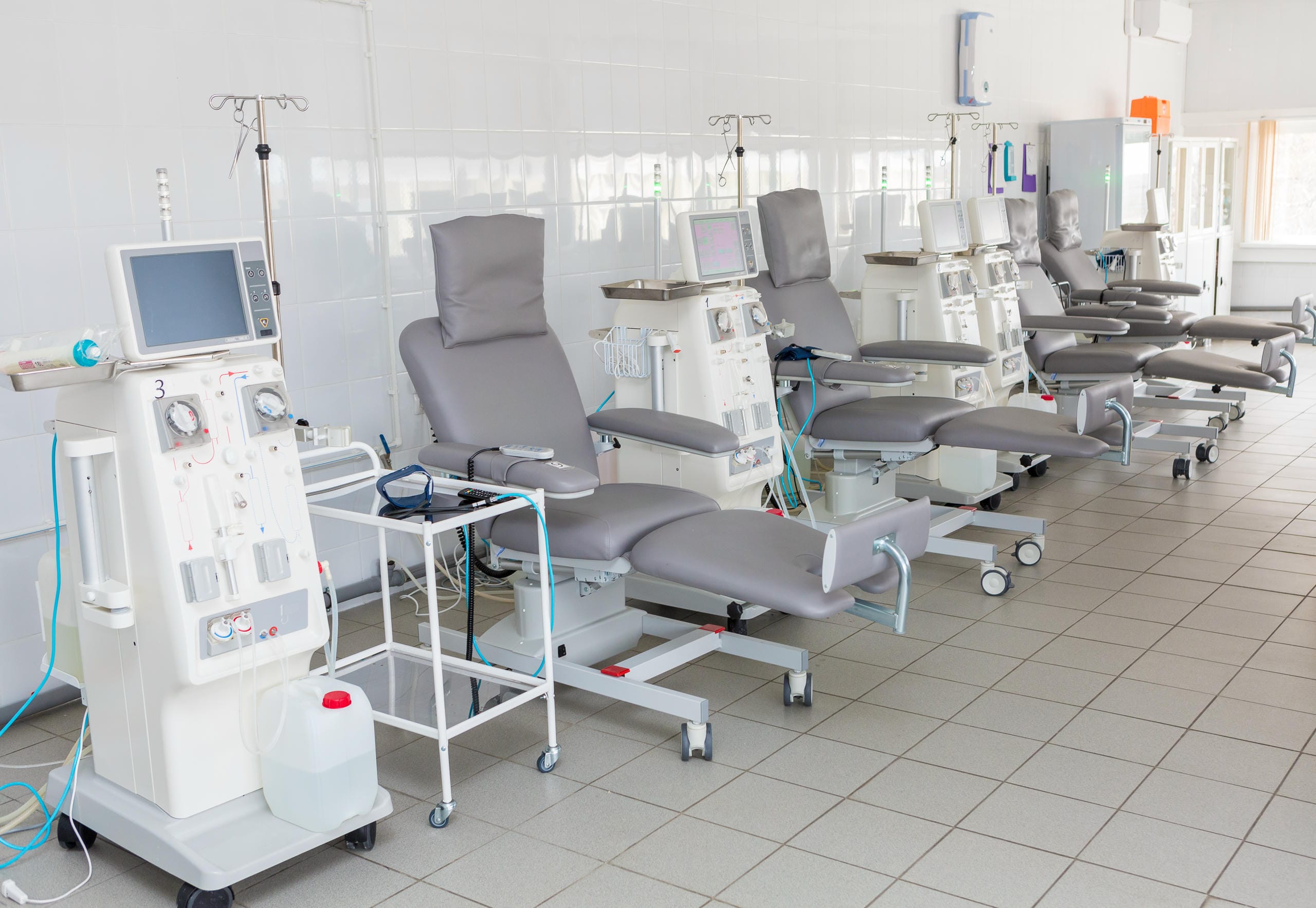
Dialysis care can take over a person’s week fast. Three treatments a week, early pickups, waiting rooms, then the ride back—by the time someone returns to the nursing home or rehab floor, the day can feel “spent.” And if you’re also trying to rebuild strength after a hospital stay, that lost time matters.
That’s the problem Clearview was built to solve.
At Centers Health Care, the Clearview Dialysis Recovery Suite brings dialysis on-site, inside the same facility where a patient is receiving skilled nursing and rehabilitation. The idea is straightforward: make treatment more comfortable, more convenient, and better coordinated—without turning the rest of the day into a write-off.
Why “on-site” matters in New York
In New York, dialysis often depends on transportation working exactly as planned. But real life doesn’t do “exactly as planned.” Rides run late. Weather hits. A driver can’t find the entrance. A patient is ready… and the van isn’t.
That’s more than a nuisance. Recent research continues to tie transportation insecurity to missed dialysis treatments and worse outcomes. For patients in rehab, there’s an extra issue: “dialysis day” can crowd out therapy. Rehab isn’t something you can do “when you get a chance.” It’s repetition. When dialysis trips start wiping out therapy slots, it adds up fast—less practice, more stiffness, and a longer road back. It’s not complicated.
Seamless, on-site dialysis care with Clearview
Clearview is designed so dialysis fits into a person’s care plan—not the other way around.
With on-site dialysis, there’s no van ride, no waiting around off the unit, and no “we’ll figure it out later” handoff when the patient gets back. Treatment happens right in the building, with a dialysis team that’s used to working alongside skilled nursing and rehab. That cuts down on the back-and-forth—and it gives patients more of their day back.
Hemodialysis is still typically three days a week for many people. The difference here isn’t the schedule itself. It’s what surrounds it: less travel, less disruption, and fewer moving parts that can derail the day.
What makes Clearview different
Clearview was created around four practical features that matter to patients and families:
- Private, spa-like treatment suites
Dialysis is personal. Privacy helps. A lot of people arrive at dialysis already running on empty. Add a loud, busy environment and it can feel like too much. A quieter room doesn’t “fix” dialysis, but it makes the session more manageable. - Certified dialysis nurses on-site
Dialysis nursing is its own lane. When dialysis-trained nurses are on-site, they’re watching the things that can swing a session—blood pressure dips, cramping, access issues, how someone looks and feels—not just running a timer and moving on. And when something’s off, the follow-up happens right away. - Integrated scheduling between rehab and treatment
Your therapy team and dialysis team shouldn’t be operating on separate calendars. Clearview is built around coordinated scheduling so patients aren’t forced to choose between dialysis and rehab. - Less “dialysis-day” fatigue, more usable time
When you remove the travel piece, the day doesn’t get swallowed up as easily. Patients may have a little more left in the tank afterward—for lunch, for therapy, even for something simple like not needing a long “recovery nap” just because they spent hours in transit.
Dialysis spills into the rest of the day: what someone can drink, what meals make sense, when certain meds should be given, and whether they’ll have any energy left for therapy afterward. When treatment is on-site, fewer things fall through the cracks. The kitchen isn’t guessing. Med timing doesn’t collide with treatment. And if the dialysis plan changes, the rehab and nursing teams actually hear about it.
On safety: this is not the place for shortcuts. The basics—clean technique, careful access handling, steady routines—are what keep patients safe.
Safety isn’t a tagline. It’s the whole job.
On safety: dialysis patients do carry higher infection risk, especially around vascular access. That’s why the routine has to be strict—clean technique, careful access handling, and staff who don’t rush the basics even when the day is busy.
Dialysis is also heavily regulated. Programs follow federal requirements around infection prevention and quality monitoring (including QAPI), so there’s ongoing oversight—not a loose, “we’ll see how it goes” setup. In plain English: you don’t run dialysis on vibes. You run it with protocols, oversight, training, and continuous review.
And in New York, offering dialysis in a nursing home setting has been tied to a state licensing approach that uses a Limited Review Application pathway and relies on an outside, licensed dialysis provider—so care isn’t improvised, it’s structured.
Clearview is built with that reality in mind. On-site dialysis care only works if it’s done under the right clinical oversight, with the right protocols, and with real communication between teams. That includes:
- Clean, controlled treatment areas
- Careful handling and monitoring of vascular access
- Regular staff refreshers and spot-checks (so the basics stay tight)
- Clean, consistent handoffs between dialysis, nursing, and rehab—no guessing, no “someone else will call”
(Note: specific services and availability can vary by location, and dialysis is provided under medical direction and applicable licensing requirements.)
What a “good” dialysis day looks like when care is integrated
The doctor can set the dialysis orders, but the real test is the day-to-day: who calls who, who documents what, and whether the schedule actually holds. It’s usually the small stuff done well, like:
- A quick check-in before treatment that catches problems early—cramps starting up, nausea, lightheadedness, shortness of breath, that sort of thing
- Post-treatment recovery time that happens right where nursing support is available
- Rehab scheduling that’s built around dialysis, not constantly interrupted by it
That’s not flashy. It’s just how care should run.
Who may benefit most from on-site dialysis care?
Clearview is often a strong fit for patients who:
- Are receiving short-term rehab after a hospitalization
- Need regular hemodialysis and struggle with transport fatigue
- Have mobility challenges or high fall risk
- Benefit from tighter coordination between dialysis and skilled nursing care
When dialysis happens on-site, families don’t have to wait for a paper trail to catch up. Staff can tell you, in plain terms, how the session went, how the patient looked afterward, and what they’re keeping an eye on the rest of the day.
Questions families should ask
Don’t wait until week two to ask this stuff. Get it clear on day one:
- Who provides the dialysis here (which company/partner), and who’s my point person if we have questions after a treatment?
- How do you plan PT/OT around dialysis so rehab doesn’t keep getting canceled?
- What infection prevention standards are followed?
- What happens if a patient feels unwell during or after treatment?
A final word: making dialysis care livable
Dialysis is serious. No one is pretending it’s easy. But the experience around it can be handled better—or worse. In 2026, with transportation still a weak link for many patients, “better logistics” is not a small thing.
Clearview is Centers Health Care’s way of tightening that chain: on-site dialysis care, a calmer treatment setting, and scheduling that respects rehab goals instead of bulldozing them.
To learn whether Clearview is available at a Centers Health Care location near you—and whether it fits a patient’s clinical needs—reach out to our admissions team. We’ll walk you through the options.
Care. Support. Positive Outcomes. Centers Health Care.
Centers Health Care provides rehabilitation, skilled nursing and long-term care for people with a wide range of needs. Whether someone is recovering from surgery, managing an illness or simply needs more support than can be provided at home, our staff is there to help.
The goal is not exactly the same for everyone. It may be returning home, becoming stronger, staying independent or simply feeling better and more comfortable from one day to the next. There will be progress, setbacks and difficult days along the way. Our job is to be there through all of it, and to help each patient or resident get as far as he or she can.
Sometimes that progress comes in large steps. More often, it comes in small ones. Either way, every step matters.
Our Steps to Home series follows patients through rehabilitation and the journey from hospital to home: