
Fall Prevention Rehab Starts Before Fall: Tips for Safer Mobility
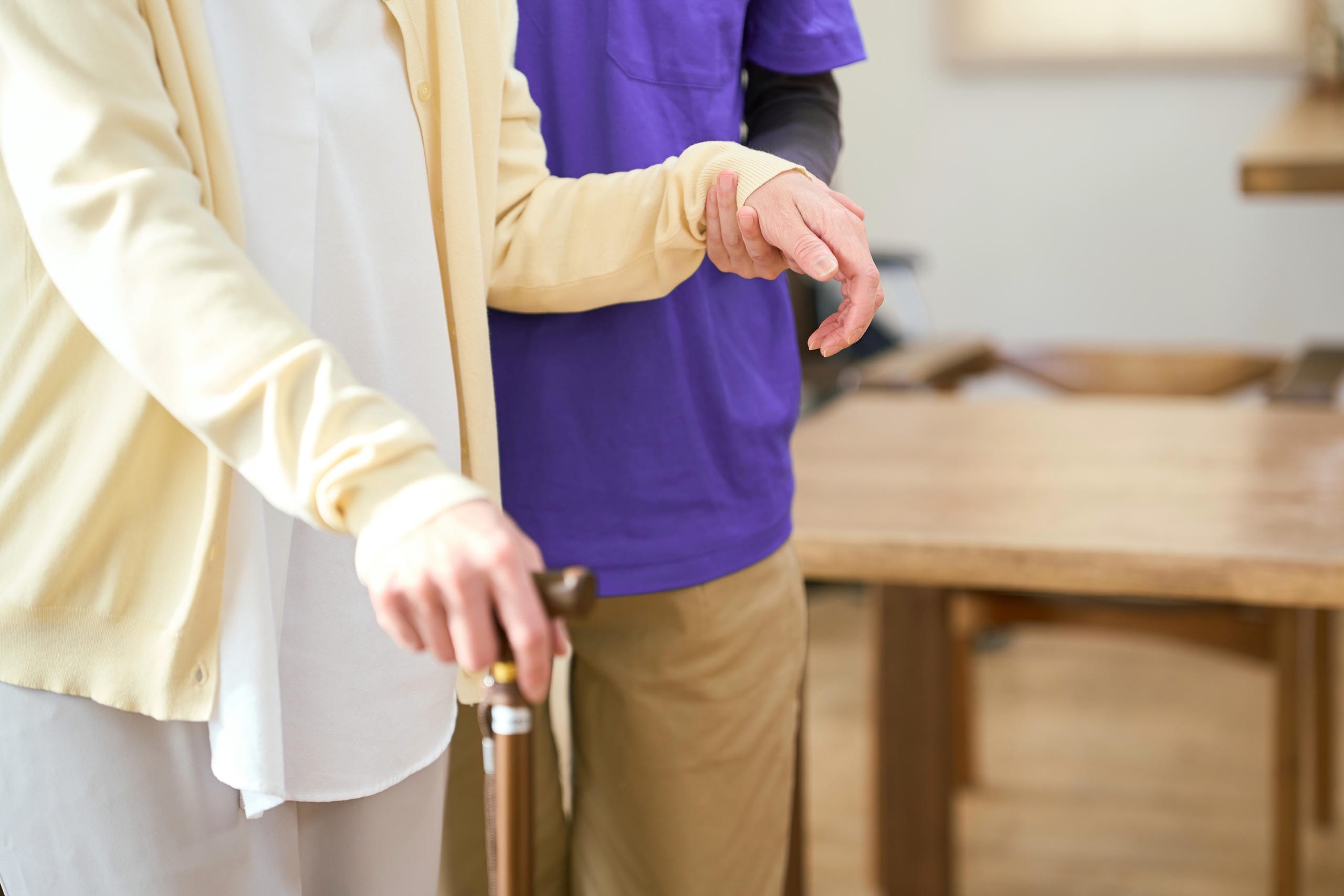
September gets the awareness campaign. August is when the useful work can begin.
Falls Prevention Awareness Week runs September 21–25 in 2026, and New York has placed older-adult fall prevention in its 2025–2030 Prevention Agenda. The timing is apt for Western New York. Daylight will shrink, wet leaves will collect near curbs, and winter footwear will soon come out of the closet. Still, the loose rug and the weak left leg were there in July.
More than one in four adults age 65 and older falls each year, according to the CDC’s STEADI initiative. Prevention has to get more personal than “be careful.” Fall prevention rehab identifies the moment someone becomes unstable, then rehearses a safer response.
Fall Prevention Rehab Begins With What Changed
Start with the route that disappeared. Maybe it is the basement laundry, maybe the shower without another person nearby. “No falls” remains true while the person’s usable world gets one room smaller.
The CDC’s STEADI screen asks about a fall in the past year, unsteadiness and worry. Fear often shows up as a new rule about where and when somebody will walk.
Formal testing should answer narrower questions. Does the trouble appear while rising? During the turn? With the feet close together? The Timed Up and Go, 30-Second Chair Stand and 4-Stage Balance Test put those moments under observation instead of bundling them into “weakness.” Orthostatic blood pressure belongs in the assessment when standing brings a wave of lightheadedness.
Repeated trouble at the same part of a task tells rehab where to spend its time.
Train the Awkward Moments, Too
A patient may cross a level therapy floor neatly and still get into trouble while turning toward a ringing phone. Kitchens, curbs and crowded hallways rarely cooperate with a demonstration.
Useful sessions combine progressive strengthening with gait, balance and functional practice. Sit-to-stand repetitions expose a chair that is too low. Direction changes test foot clearance. Step-ups prepare for a curb. Walking while answering a simple question adds one complication of ordinary life. The current U.S. Preventive Services Task Force recommendation gives structured exercise a B grade for community-dwelling adults 65 and older at increased fall risk.
A cane or walker changes the mechanics. Height, hand placement and turning need practice. Leaning the device beside the coat rack is a rather expensive form of interior decorating.
Some Falls Begin in the Medicine Cabinet
Breakfast is when the room tilts. The obvious suspect is walking, yet the first question may belong to last night: What was taken before bed?
Sleep remedies and sedating medicines can leave a person drowsy or slow to react. Certain antidepressants have similar effects. A blood-pressure drug may enter the picture when lightheadedness follows standing. Let a clinician or pharmacist compare every bottle, including occasional remedies and supplements, against the timing of symptoms. No prescription changes without medical guidance.
A painful knee steals time from one leg. After stroke, reduced sensation, weakness or a missed visual field may pull the body off course. A foot wound can dictate shoe choice or weight-bearing. Some mornings, the balance exercise begins there.
The House After Dark
A home assessment is remarkably good at embarrassing everybody’s assumptions. The cane stays beside the sofa although the difficult transfer is from bed. Nightlights illuminate the hallway and leave the bathroom threshold in shadow. A low chair requires a small launch to escape it.
Follow the person. Watch the shower entry, turn beside the bed, high reach and first outdoor step. Occupational therapy may recommend another rail, a shower seat or stronger task lighting. Moving one daily item within reach can solve a problem with considerably less hardware.
Fall changes the route outside in Buffalo. Leaves stick to uneven pavement; usable daylight retreats; the winter boots return. Extra sole weight and a bulky coat can expose a foot-clearance or reaching problem that never appeared in July. Rehab is a sensible place to try the full outfit. The hallway will survive the fashion show.
Fear Can Quietly Shrink a Person’s World
One frightening slip can lead to fewer walks and a grip on every available arm. Family members may reinforce the retreat because hovering feels responsible. Less activity soon means weaker legs.
Confidence returns in measured doses: supported standing, then reaching, turning or a busier setting as control improves. Families can use the agreed cue and level of assistance instead of grabbing without warning. Some days the hallway is far enough.
A Fall Prevention Rehab Check-In for the Next Six Weeks
Where did the person grab for support? What was on his feet? Did the room move first? Write it down. Patterns disappear when every near-fall gets dismissed.
At medication review, “everything” includes prescriptions, vitamins, nighttime remedies and occasional pills. Worn soles, painful feet and an overdue vision check deserve attention too.
Practice can stay ordinary: reach the bathroom in low light, clear the outside step, prepare something at the counter. Families should learn whether the prescribed help is a verbal cue, light contact or taking the person’s weight.
Some events do not wait for the next appointment. Seek prompt medical attention after loss of consciousness, new confusion, severe pain, inability to bear weight or a head strike of concern. Blood-thinning medicine lowers the threshold for having a blow to the head evaluated, even when the first report is “I’m fine.”
Fall Prevention Rehab at Ellicott Center
Parallel bars have their place. So does a washing machine.
Ellicott Center in Buffalo has a short-term rehab gym with a step-up staircase, adjustable weights, parallel bars and gait technology. Its activities-of-daily-living suite recreates a bedroom, bathroom, kitchen and laundry area, allowing ordinary chores to enter the mobility plan.
Stroke recovery, pain management and wound care each alter the safe-mobility calculation, sometimes from one day to the next. Ellicott also provides long-term care, where a new hesitation during transfers or change in footwear deserves attention before it becomes an incident. The midnight bathroom trip remains stubbornly uninterested in a patient’s best lap of the gym.
Steps to Home
Homecoming looks simple from the curb. Inside, it is a sequence: the right device in reach, a clear nighttime path, medication instructions understood, follow-up therapy arranged and a family member who knows when to assist. Before discharge, each weak link should be named and rehearsed. The first evening home is a poor time to discover that the walker does not fit through the bathroom door.
Our Steps to Home series follows patients through rehabilitation and the journey from hospital to home: