Falls Prevention Awareness Week: Safer Fall Walking After Orthopedic Rehab New Paltz NY
Yesterday’s easy walk is no contract with today’s legs. Anyone who has spent September in the Hudson Valley knows the trick: pleasant air at four, long shadows surprisingly soon after, and leaves that look harmless until a shoe lands on them. The root across the path did not move. Your ability to clear it may have.
That is the practical point behind Falls Prevention Awareness Week, observed September 21–25 in 2026. Recovery from a joint operation or fracture eventually leaves the polished therapy floor. Outside, the ground has opinions.
Orthopedic Rehab New Paltz NY: Start With the Route, Not the View
A beautiful destination can still be the wrong first outing. Grade, surface and distance count more than scenery during early recovery. A paved village loop with benches may make sense before a sloped trail with loose gravel, exposed roots or narrow shoulders. Even a route that was easy last year may be too ambitious today.
The best test is unglamorous. Can the person walk the planned distance, turn safely and still have enough strength for the return? If there is a steep descent near the end, that portion arrives when the hip and thigh muscles may be fatigued. Downhill walking also asks the quadriceps to control the body as it lowers with each step. That can expose weakness that did not show up on level flooring.
Build in an exit plan. Know where the benches are. Choose a loop that can be shortened. Walk with someone at first, especially if the route is new or the person has recently changed from a walker to a cane. Outdoor mileage should follow the individual plan provided by the rehabilitation and medical team.
Wet Leaves Are a Surface, Not a Decoration
Freshly fallen leaves can hide cracks, curbs, stones and changes in pavement height. Once wet, they may slide as a layer. A person who is concentrating on posture or device placement has less spare attention for a surprise underfoot.
Slow down before the leaf-covered section. Shorter steps usually give the body more time to respond. Avoid sudden pivots; turn with several controlled steps instead. If the footing cannot be seen, the smarter move may be to cross the street at a safe point or choose another path.
Rain brings a second problem. Cane and walker tips wear down, and a smooth rubber tip may grip poorly on damp stone or tile. Check for cracking, uneven wear and looseness. The device should stand squarely, without wobbling. Replacement tips are simple equipment, yet they are easy to forget until a slick entryway exposes the problem.
The September Light Changes the Walk
A 5:30 p.m. route can feel generous in midsummer and rushed by late September. Shadows also deepen earlier near buildings, wooded stretches and the Wallkill. Depth changes become harder to judge when bright sun and shade alternate across the same path.
Leave more daylight than you think you need. Sunglasses can help with glare, but dark lenses may make shaded ground difficult to read. Clean prescription lenses before going out. If vision has changed, or curbs seem harder to judge, mention it to the care team rather than quietly compensating.
There is no prize for finishing the usual loop after the light has gone. Turn around.
Footwear, Cane Height and the Details People Skip
The old loose sneakers may be comfortable around the house and still be a poor choice outdoors. Look for a secure heel, a stable sole and enough room for swelling without allowing the foot to slide. Long laces should be tied away from the opposite shoe. Open-backed slippers belong indoors, if anywhere.
A cane generally works best when its handle reaches roughly the wrist crease while the person stands upright with arms relaxed. The elbow should retain a slight bend. A walker set too low can pull the torso forward; one set too high may encourage raised shoulders and awkward steps. Those are general markers, not a home fitting protocol. A therapist should check the device, observe the gait and make the adjustment.
Also watch the sequence. After lower-extremity surgery, people sometimes move the cane from hand to hand based on convenience. The prescribed side and step pattern have a purpose. If the pattern is fuzzy, ask for a quick review before taking it onto uneven ground.
Strength and Balance Before Orthopedic Rehab New Paltz NY Walks
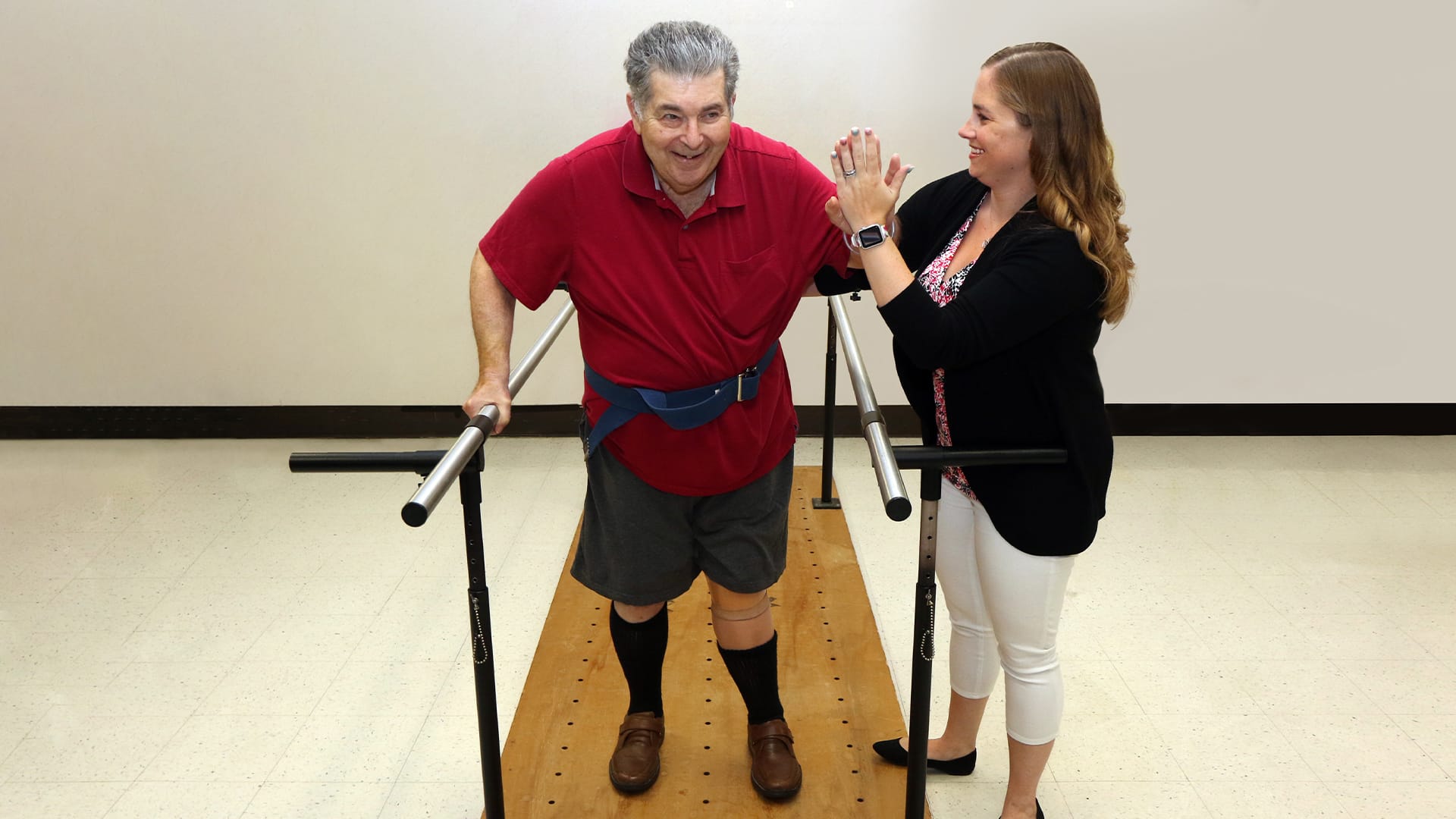
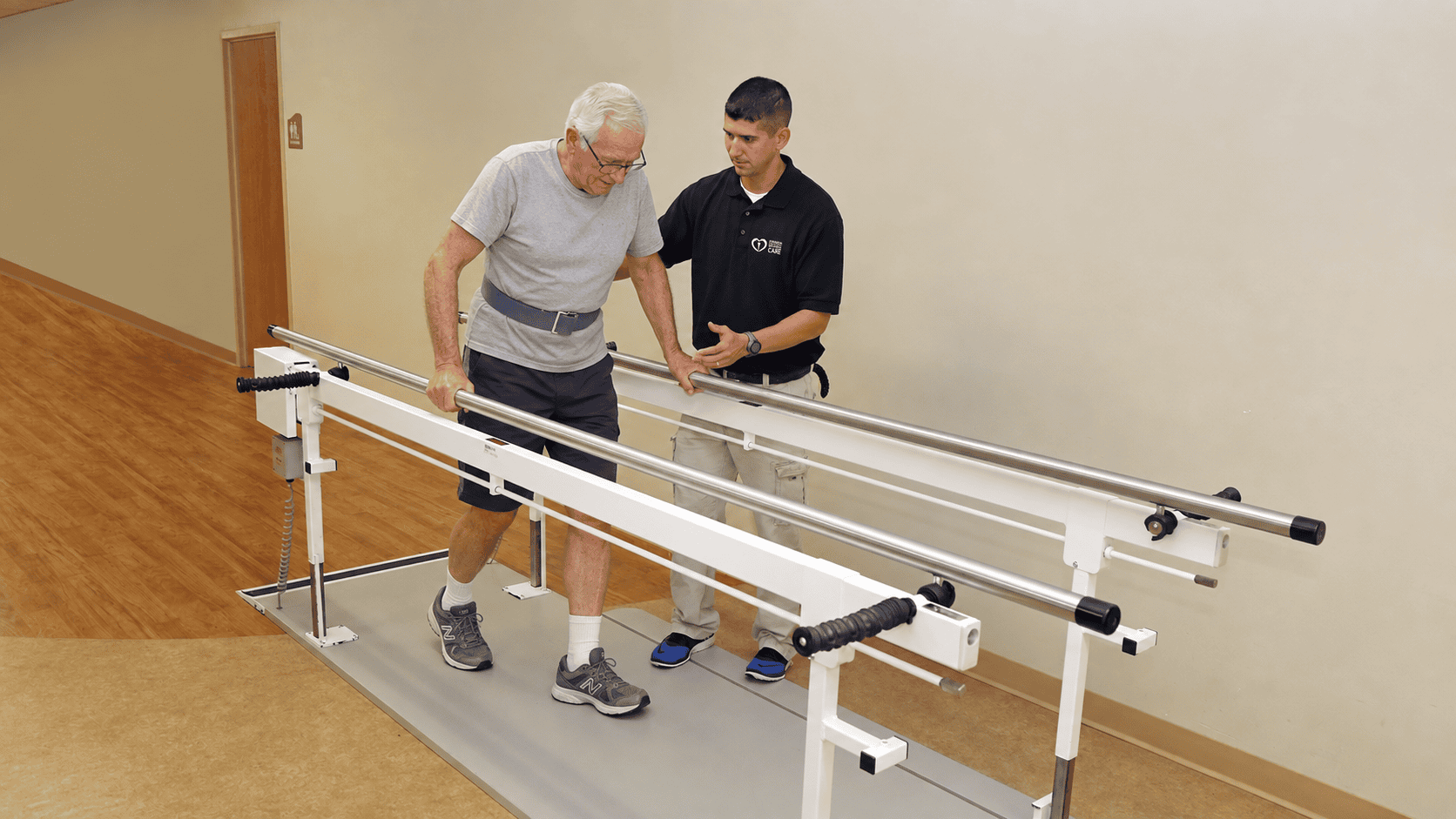
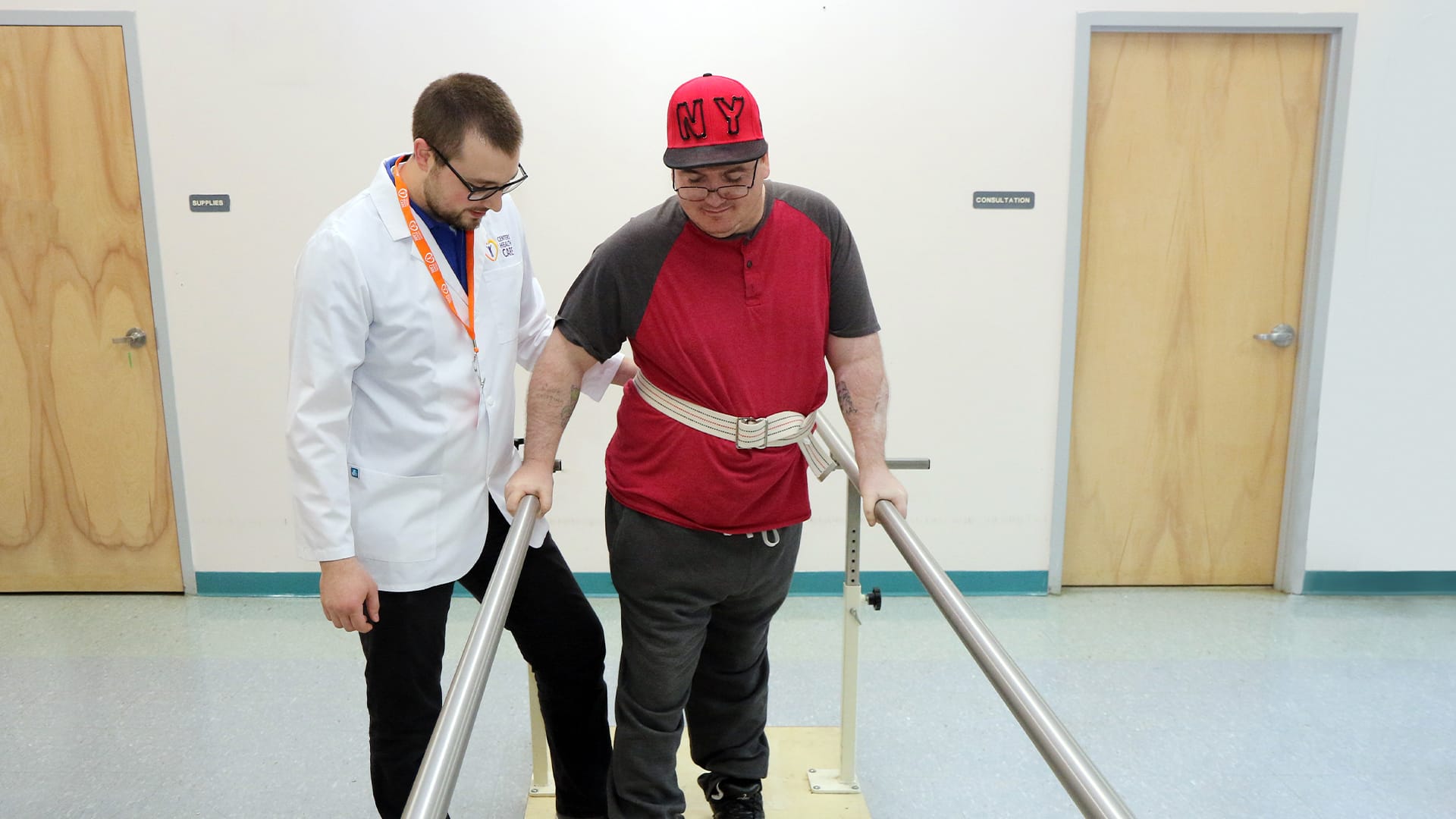
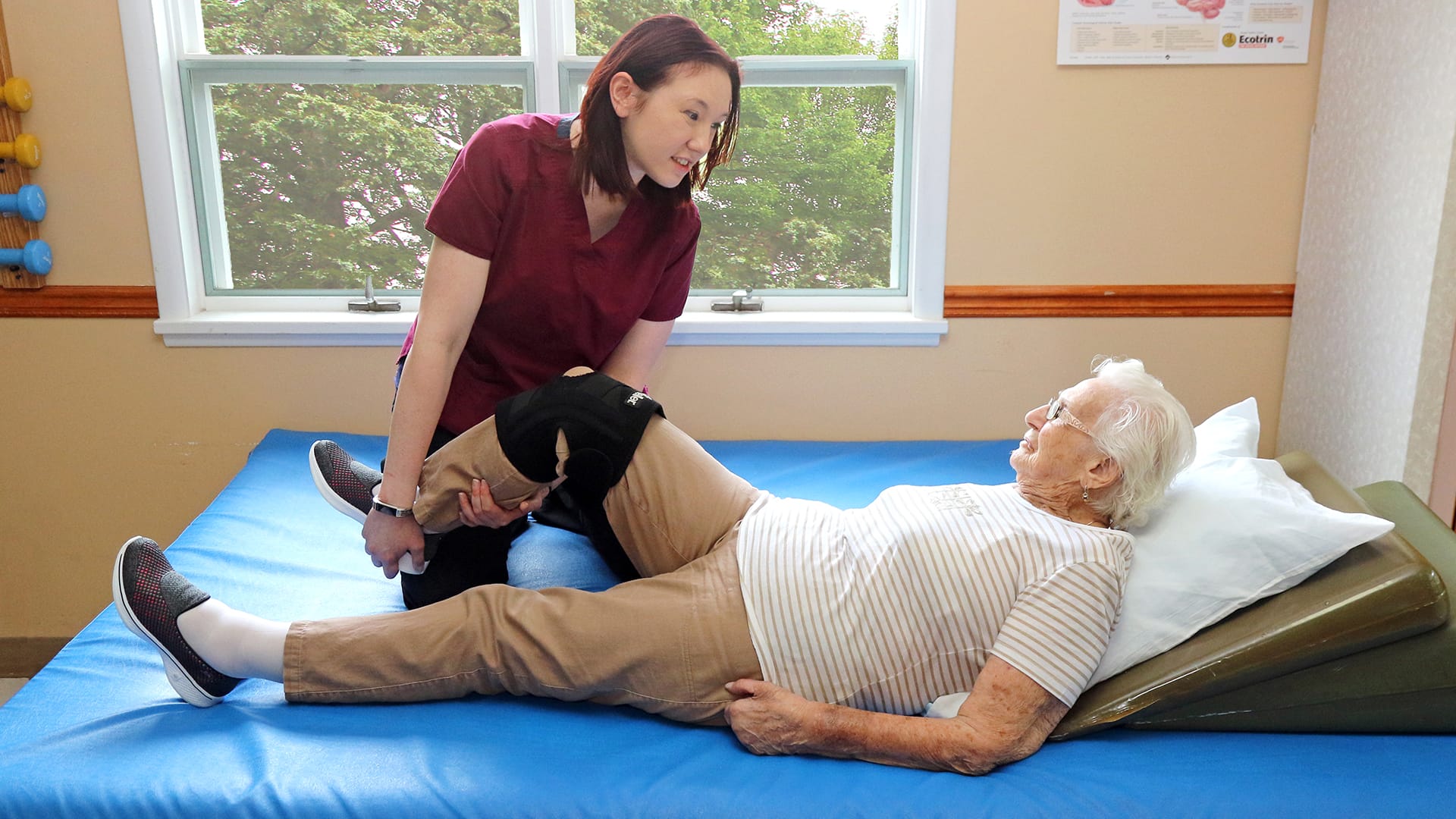
A trail is a poor place to discover that sit-to-stand control has slipped. Rehabilitation may include repeated chair rises, supported weight shifts, heel raises, marching, step practice and other exercises selected for the person’s condition and precautions. These movements can train the strength and balance used for curbs, inclines and changing terrain.
More is not automatically better. Pain that alters the walking pattern, new swelling, dizziness, unusual shortness of breath or a sudden loss of confidence should pause the outing. Report new symptoms to the appropriate clinician. Call 911 for urgent warning signs such as chest pain, severe breathing difficulty, fainting, sudden weakness on one side or a serious fall with possible head, neck or hip injury.
Medication effects belong in this conversation too. Some prescription and over-the-counter products may contribute to sleepiness, dizziness or unsteadiness. A clinician or pharmacist can review the full list, including products taken only occasionally. Do not stop prescribed medicine independently.
A Quick Pre-Walk Check
Before heading out, take sixty seconds:
- Is the chosen route level enough for today’s ability?
- Are the shoes secure and dry, with intact soles?
- Are cane or walker tips firm and unworn?
- Is there enough daylight for the full return trip?
- Does someone know the route, or should a companion come along?
- Is the phone charged and easy to reach?
- Are pain, fatigue, dizziness or swelling already changing the gait?
One answer may change the plan. That is good judgment, not failure.
Fall Walking After Orthopedic Rehab at New Paltz Center
September walking around New Paltz can be a rewarding part of recovery, provided the route fits the person. Uneven surfaces, damp leaves and changing daylight make footwear, assistive-device fit, lower-body strength and balance work especially relevant. New Paltz Center offers Orthopedic Care, Pain Management and Short-Term Rehab, along with Cardiac Care, Stroke Care, Wound Care and Long-Term Care, so mobility goals can be considered alongside the person’s broader health needs.
Care. Support. Positive Outcomes. Centers Health Care.
Centers Health Care provides rehabilitation, skilled nursing and long-term care for people with a wide range of needs. Whether someone is recovering from surgery, managing an illness or simply needs more support than can be provided at home, our staff is there to help.
The goal is not exactly the same for everyone. It may be returning home, becoming stronger, staying independent or simply feeling better and more comfortable from one day to the next. There will be progress, setbacks and difficult days along the way. Our job is to be there through all of it, and to help each patient or resident get as far as he or she can.
Sometimes that progress comes in large steps. More often, it comes in small ones. Either way, every step matters.
Our Steps to Home series follows patients through rehabilitation and the journey from hospital to home: