Grandparents Day 2026: Supporting Family Connection in Dementia Care at Washington Center in Argyle

On Sunday, September 13, a familiar Grandparents Day question could make a room suddenly awkward. “Who is in this picture?” a child asks. Grandma studies it. The adults lean in. Her name will not come.
That scene is easy to prevent. Dementia can interfere with recall, but affection and social response do not disappear on anybody’s timetable. Families around Argyle can have a worthwhile visit without proving what a grandparent remembers.
Bring less. Pay attention to mood. Sit with the answer that arrives, including no answer. Fifteen calm minutes, one old song or a shared joke may be the whole celebration. That is still a visit.
Why Dementia Care Argyle NY Visits Need a Lighter Script
Keep the national numbers in the background, with one exception. The Alzheimer’s Association estimates that 7.4 million Americans age 65 and older have Alzheimer’s in 2026. The resident at Washington Center is not an average of those 7.4 million people.
Talk with staff before promising the children an afternoon-long visit. Ask when Grandma was most herself today. The reply might be 10 a.m., just after lunch or, honestly, not much today. Pain, a bad night, medication timing and bustle on the unit all move the target.
Put the end time in pencil. Twenty lively minutes may be generous. On another day, an hour slips by easily. Person-centered care starts with that resident on that day; the family calendar is secondary.
The First Minute Sets the Temperature
Come into view from the front. Use the person’s preferred name, make comfortable eye contact and identify yourself without waiting to be recognized: “Hi, Grandma. It’s Leah, your granddaughter. I’m happy to sit with you.” A calm introduction removes a small but needless piece of work.
One speaker at a time helps. So does turning off the television. If the resident uses glasses or hearing aids, check with staff that they are in place and working. What looks like confusion may be a missed word.
Keep questions concrete and offer one choice at a time. “Would you like the blue card or the green one?” is easier to process than “What should we do today?” Then wait. Ten quiet seconds can feel long to a visitor, but rushing in with another question makes the first one harder.
If Grandpa says the photograph was taken in Albany when it was actually Saratoga, correction gains very little. Respond to the feeling or the larger story. “You always liked those family outings” leaves room for companionship without starting an argument over geography.
A Grandparents Day Plan for Dementia Care Argyle NY Families
Five photographs are plenty. The thick album can wait for another day. Pick images with familiar faces and uncluttered backgrounds, then offer the story yourself: “Here is our picnic by the lake.” Asking for everybody’s name turns a picture into homework.
A two-song playlist may be enough, too. Use music the grandparent once chose, rather than whatever happens to be labeled “oldies.” Keep the volume easy. Humming, tapping one finger or simply listening are all responses; nobody has to perform.
Conversation also gets easier when hands are busy. A child can sort postcards by color, slip family pictures into sleeves, decorate a card or fold a few washcloths. Large materials are less frustrating. Check any food or drink with staff beforehand. Texture, fluid consistency, allergies and swallowing directions are individual clinical issues, even when the treat looks harmless.
Quit while the activity still has some life in it. Adults are strangely bad at this.
Give Grandchildren a Few Useful Words
Children usually handle the visit better when an adult explains the changes plainly beforehand. Their grandparent may repeat a story, call them by another name, lose the thread or prefer to sit quietly. None of that means the child did anything wrong.
Three directions are enough: say who you are, speak slowly and follow the grandparent’s lead. Do not require a hug. A wave, smile or seat nearby may be more comfortable that afternoon. Teenagers can bring a short playlist or one object tied to a family hobby. Younger children might show a drawing and describe it instead of asking the grandparent to identify every person in it.
For relatives who cannot reach Argyle, a five- or ten-minute video call may work better than a long virtual gathering. Have one person on screen, reduce background noise and hold up a single item to discuss. “I brought the red scarf you gave me” is a stronger opening than “Do you know what this is?”
When the Visit Changes Course
At 3:40, Grandpa may be laughing. By 3:55 he is looking toward the door and pulling at his sleeve. The family planned to stay until five; his face has offered a revision.
Closed eyes, fidgeting, a grimace or suddenly sharp replies deserve attention. Turn down the music. Put the project aside and wait. If the strain remains, call it a day. An early goodbye does not spoil the part that went well.
For some residents, confusion or agitation shows up more often toward late afternoon. The pattern is commonly called sundowning. Plenty of people with dementia never experience it. Staff may know that 11 a.m. has recently gone better than 4 p.m., a far more useful clue than the original holiday plan.
Say, “I enjoyed sitting with you today,” and go. Memory does not need to be reviewed at the door.
Dementia Care Argyle NY Families Can Find at Washington Center
Washington Center is in Argyle, close to the families it serves across rural Washington County. The setting supports residents receiving dementia care or long-term care, including people who need clinical oversight and help with daily routines. Cardiac care, stroke care, wound care, pain management and short-term rehabilitation are available as well. Before the Grandparents Day crowd gets in the car, the care team can offer the useful details: the resident’s better hour, current energy, communication needs and any diet instructions.
Care. Support. Positive Outcomes. Centers Health Care.
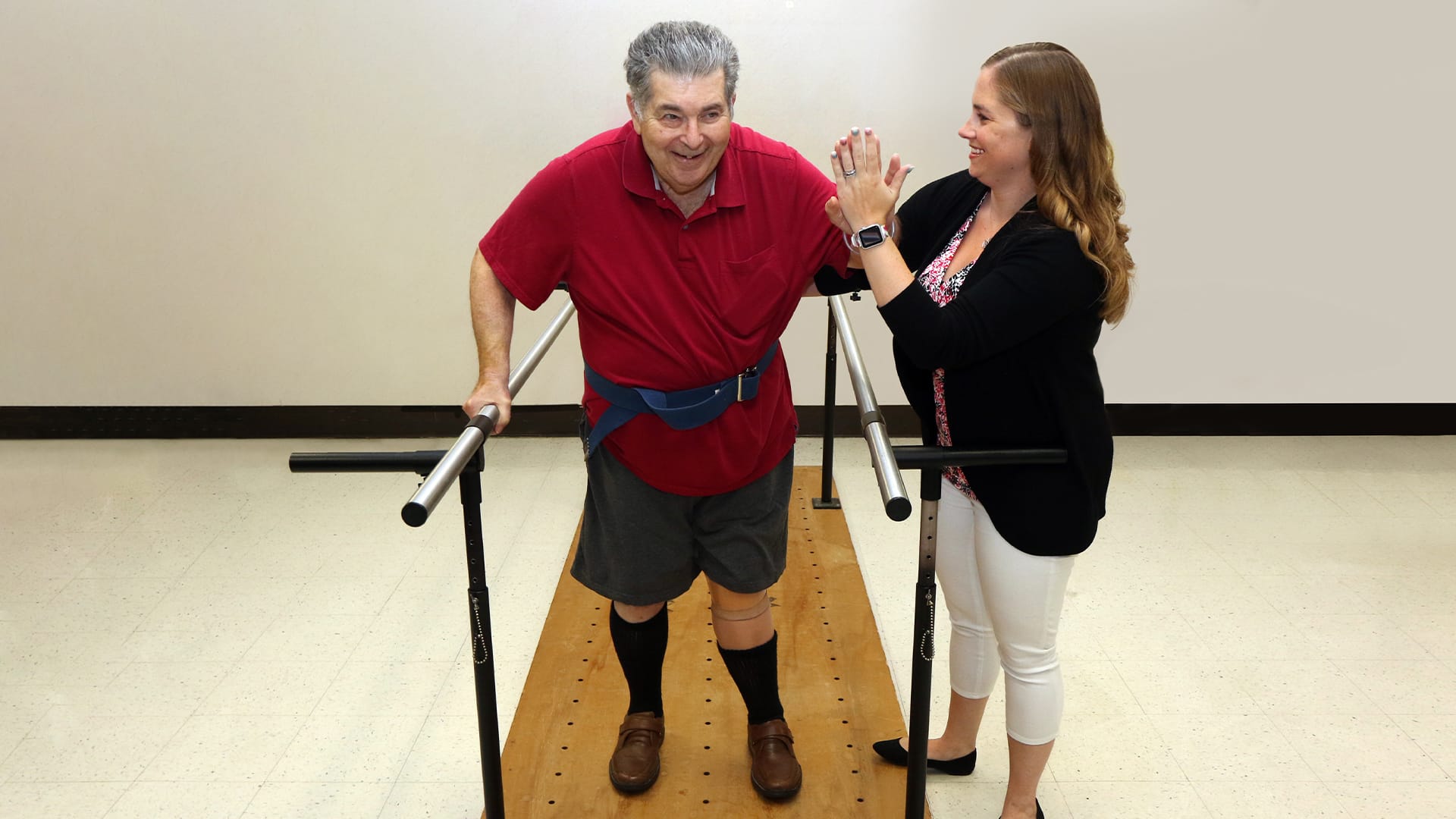
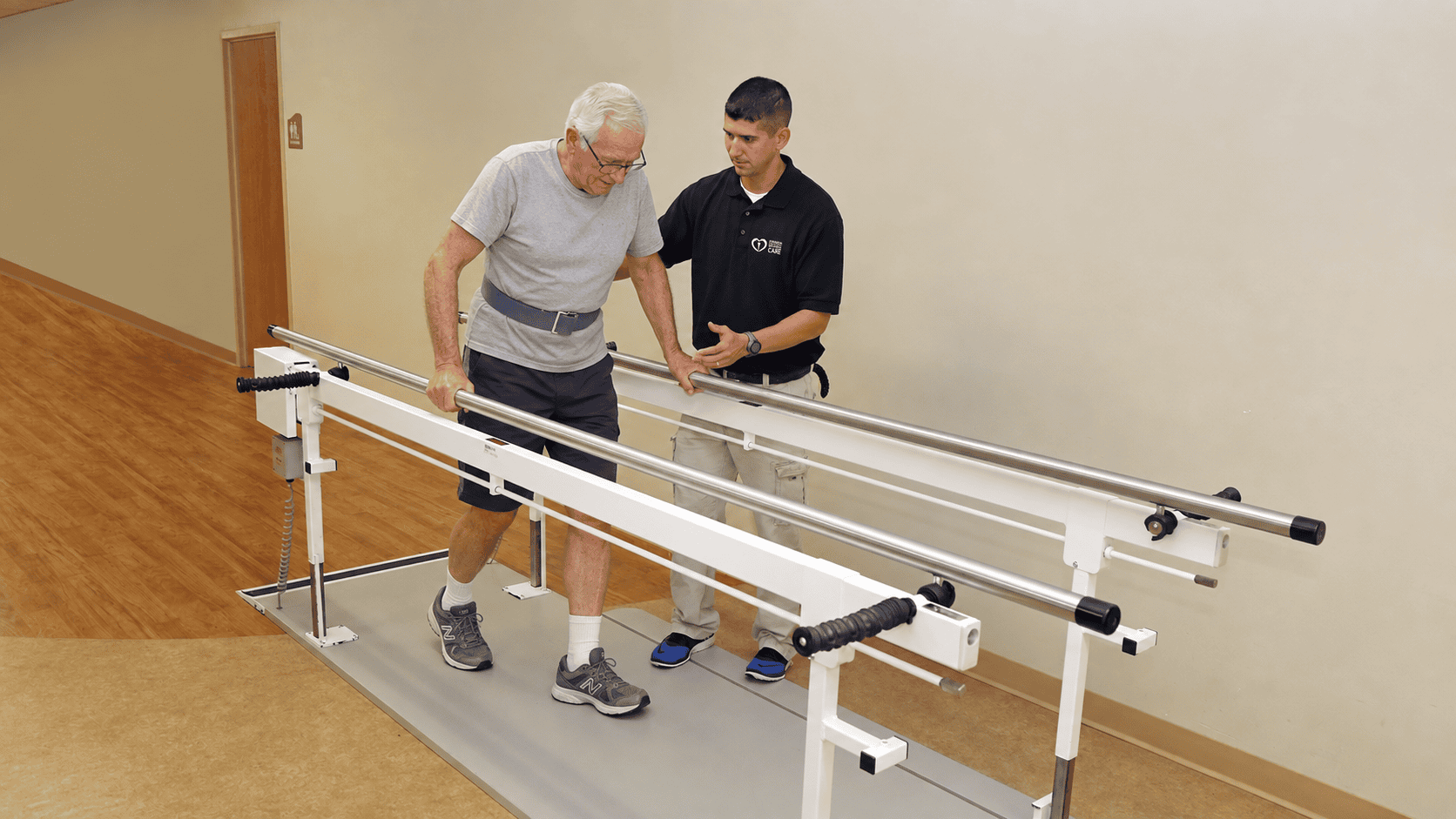
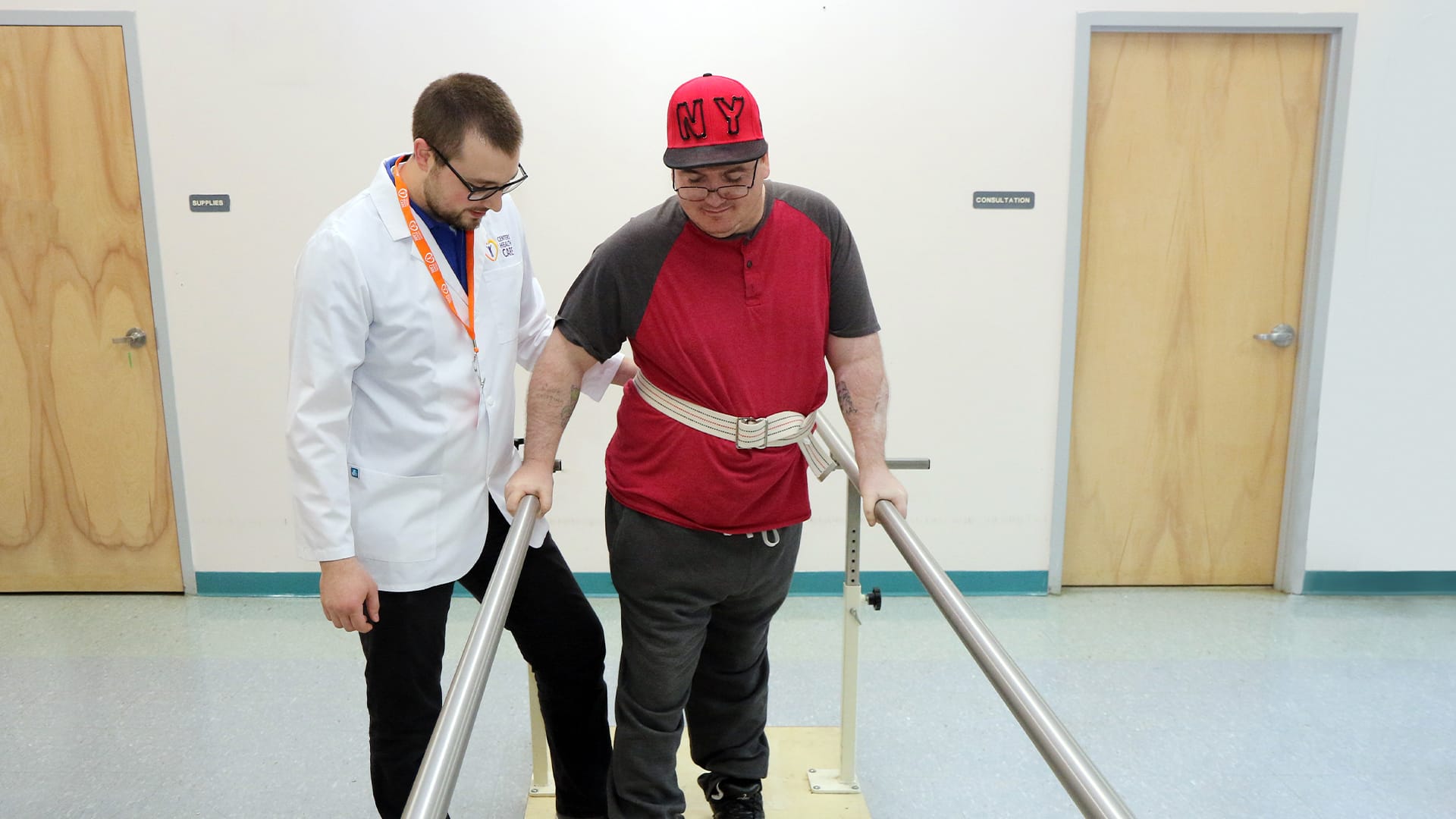
Some residents arrive at Washington Center after surgery or illness and are working toward home. Others need skilled nursing or long-term support. Centers Health Care serves both situations, and plenty in between. Here, the clinical picture may involve dementia, cardiac or stroke needs, a wound, pain management or a course of short-term rehabilitation.
A useful goal has to belong to the patient or resident. One person may be rebuilding enough strength to manage safely at home. Another is trying to keep an existing level of independence. Someone else wants Tuesday to hurt less. There will be gains, setbacks and difficult days, and the staff remains present through all three.
A dramatic improvement is welcome. Most progress is quieter: one safer transfer, a little more strength, a calmer afternoon. The work continues, step after step.
Our Steps to Home series follows patients through rehabilitation and the journey from hospital to home: