Healthy Aging Tips for Spring: Senior Mobility Exercises That Support Independence

Ask any geriatric PT in the Bronx what they hear in late March and you’ll get some version of the same line: I want to get back to where I was last summer. It comes from patients who basically went underground in January. Cold sidewalks, 4:30 sunset, an icy stoop, and a recliner that started looking better than the gym. Three months later they want their old life back in two weeks.
Doesn’t work that way. But it can work, if the comeback is run with some patience.
Healthy aging tips for spring tend to lump every senior into one bucket, and that’s where most of them fall apart. The 78-year-old who kept walking the Grand Concourse all winter is not in the same conversation as her neighbor who didn’t leave the apartment past Hanukkah. They might do some of the same exercises. The dose, supervision, and starting line are different.
Why Muscle Goes First
Mobility, in clinical use, isn’t just flexibility. It’s the ability to do the actual things. Get out of a low chair. Climb a flight. Carry groceries up to a fourth-floor walkup without sitting on the landing halfway up. That’s the version of mobility that decides whether someone stays in their own apartment or doesn’t, and it disappears faster than people expect once movement stops.
Sarcopenia. That’s the term for the muscle loss. Starts around 30, accelerates after 60. Most people in their seventies are running on 25 to 30 percent less muscle than they had at peak. The number sounds abstract until a parent can’t push themselves up out of the recliner without a hand.
Then the falls. CDC data has the U.S. logging more than 800,000 fall-related hospitalizations a year for older adults. Mobility training brings that risk down something like 40 percent in recent reviews. That’s a serious effect. The kind of number that should change how a family talks about Mom’s weekly schedule.
Start With the Chair
Sit-to-stands. Boring. Effective. The single most-prescribed thing in geriatric PT for a reason. Dr. Silvia Tee at Stanford gives this to patients who aren’t ready for resistance work yet: settle into a sturdy chair, stand up, sit back down, ten times. Hands as needed at first, fewer hands later. Build to fifteen. It loads the glutes, quads, and core in one move, and seniors who can do it confidently are not the ones ending up in the ER after a stumble in the kitchen.
Walking, and the Dose Question
A 2025 JAMA Network Open study put higher physical activity in older adults at a more than 40 percent lower dementia risk. The newer guidance lands near 7,000 steps a day. A separate 2025 paper looked at how those steps are accumulated and found stretches of 10 minutes or longer do more for cardiovascular outcomes than the same total chopped into one-minute errands around the apartment. For New Yorkers this is almost convenient. Walk to shul. Loop Joyce Kilmer Park twice. Hudson Greenway from 79th up to 96th, then back. Two of those a day gets it done.
Where Resistance Work Sits Now
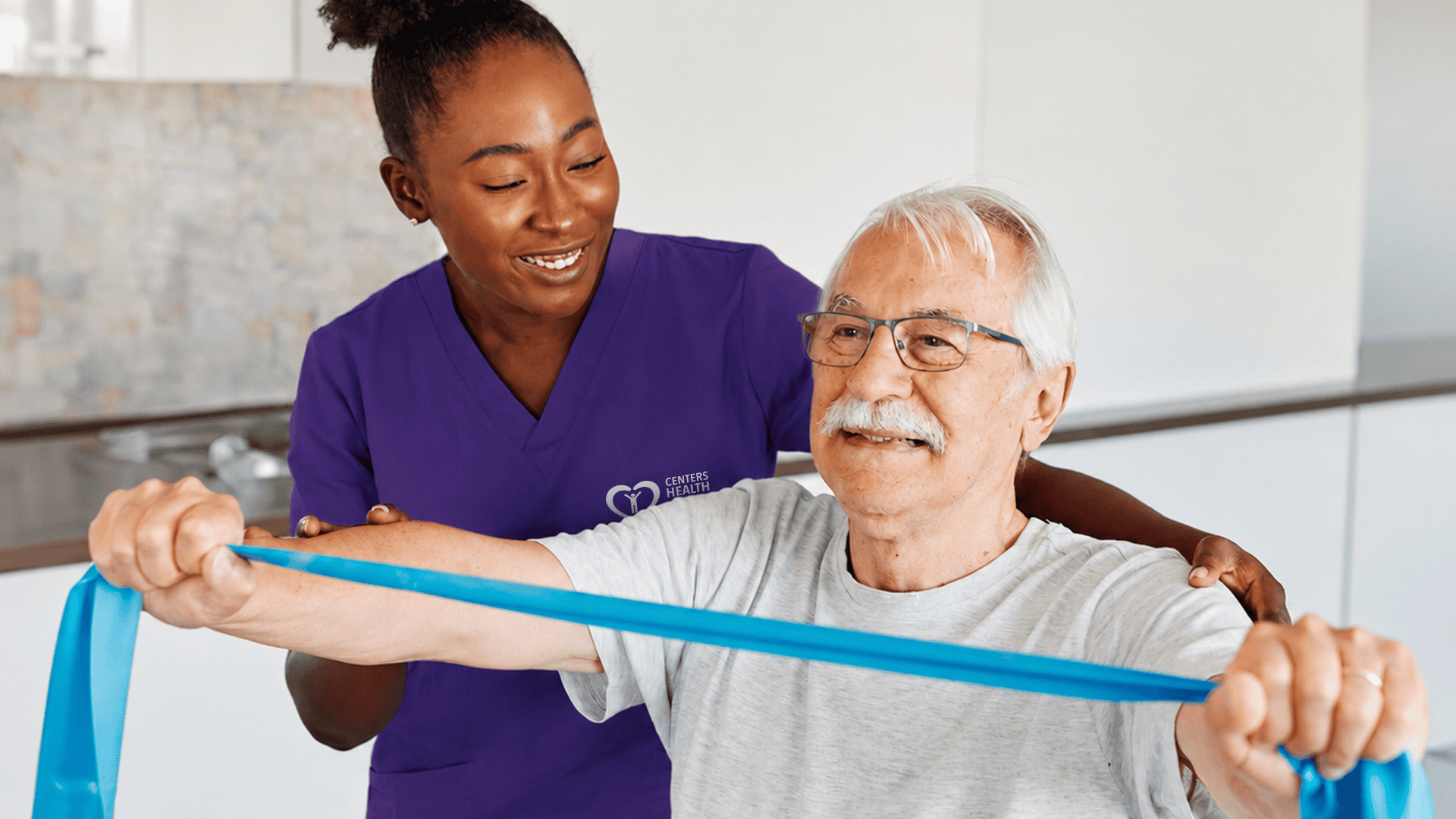
This is the piece that’s shifted most in senior fitness guidance over the last decade. Strength training was treated, not long ago, as something for athletes and slightly suspicious for anyone over 70. The American College of Sports Medicine and the National Institute on Aging now both put it at the center of how to hold onto independence in the eighties. No gym required. Bands, two-pound dumbbells, a couple of full Poland Spring bottles. Twice a week. Hips and legs first. Six weeks of honest, modest sessions show up visibly on someone previously sedentary.
The Part Almost Everyone Skips
Balance. They shouldn’t skip it. Standing on one leg while you brush your teeth is silly and it works. Tai chi has good evidence for fall prevention and several JCCs in the metro run weekday-morning senior classes; the social dimension is part of the benefit, not a side effect, since loneliness carries mortality risk in this population in roughly the same range as smoking. Not a sentence anyone wants to write. Data’s been consistent for years.
A Few April-in-NYC Practicalities
Old sneakers are a fall risk. If the heel is sloped or the tread is shiny, replace them before the routine starts, not after the first stumble. Drink water on a schedule, because thirst signals weaken with age and most older adults are running mildly dehydrated by mid-afternoon without registering it. And the morning chill in March and April fools people every single year. Layer until lunchtime.
When There’s Already Been a Setback
A hip replacement. A stroke. A pneumonia hospitalization that left someone deconditioned and unsteady. These are not situations where a YouTube routine is going to do the work. The literature on sub-acute recovery is fairly clear: outcomes correlate with whether the patient gets structured, supervised rehab in the weeks immediately following the event. Trying to push through it alone at home tends to plateau, or worse.
Healthy aging tips that ignore that distinction don’t help the people who most need help. A 75-year-old recovering from a femur fracture and a 75-year-old who walked four miles a day all winter need different plans even if a few of the exercises overlap.
What Spring Actually Looks Like for Most Seniors
For most older New Yorkers, the move is some version of: outside again, rebuild slow, stay consistent. Three quiet sessions a week beats one heroic Sunday push every time. The seniors who hold their independence into their late eighties aren’t, as a group, the dramatic ones. They’re the ones who showed up Tuesday and then showed up Tuesday again the next week.
About Hope Center
For seniors in the Bronx working their way back from a hospital stay or a fall, Hope Center on University Avenue runs one of the more individualized short-term rehab programs in the borough. Their RehabStrong approach pairs each patient with a tailored plan — physical, occupational, and speech therapy as needed — rather than the template some larger facilities default to. The team is small enough that staff actually know the residents by name, which sounds like a soft point and turns out to be a clinical one: continuity of care in a sub-acute setting is one of the better predictors of functional recovery. Anyone evaluating Bronx rehab options post-orthopedic or post-stroke can book a tour at Hope Center, 1401 University Ave, or call 718.408.6333.