Short-Term Rehab for Seniors After a Summer Setback: Helping Them Rebuild Strength

A few hot weeks can knock an older adult badly off course. It may begin with dehydration, an infection, a fall on the front steps or several days in bed after a hospital stay. Then comes the surprise: the medical problem settles down, yet standing at the sink feels exhausting. The trip from bed to bathroom suddenly needs another person and a walker.
That gap between “stable” and ready to manage at home is where short-term rehab for seniors can help. Progress has to be measured. “She seems a little stronger” is encouraging, but it does not tell a family whether she can get off the toilet at 2 a.m.
August Is Over. The Weakness May Not Be.
In August, “a little dizzy” can disappear into conversation. It should not. Nausea, weakness and lightheadedness sit on the current heat-warning list, especially for older people whose bodies do not adapt as quickly to a sharp temperature change.
Bring the pill bottles into the review, though nobody should improvise a dose change. A drowsy side effect, a blood-pressure dip and extra fluid loss are three separate problems, although heat can make each one less forgiving. Any medication decision stays with the prescriber or pharmacist.
Once the infection has cleared or the bruise has faded, ordinary movement may still be several rungs below July. Dad used to make lunch and take the stairs. Now he reaches for the wall after standing. Give the rehab team that before-picture. “Improve mobility” is foggy. Getting from the bedroom to his own kitchen before breakfast is a target.
What Short-Term Rehab for Seniors Measures First
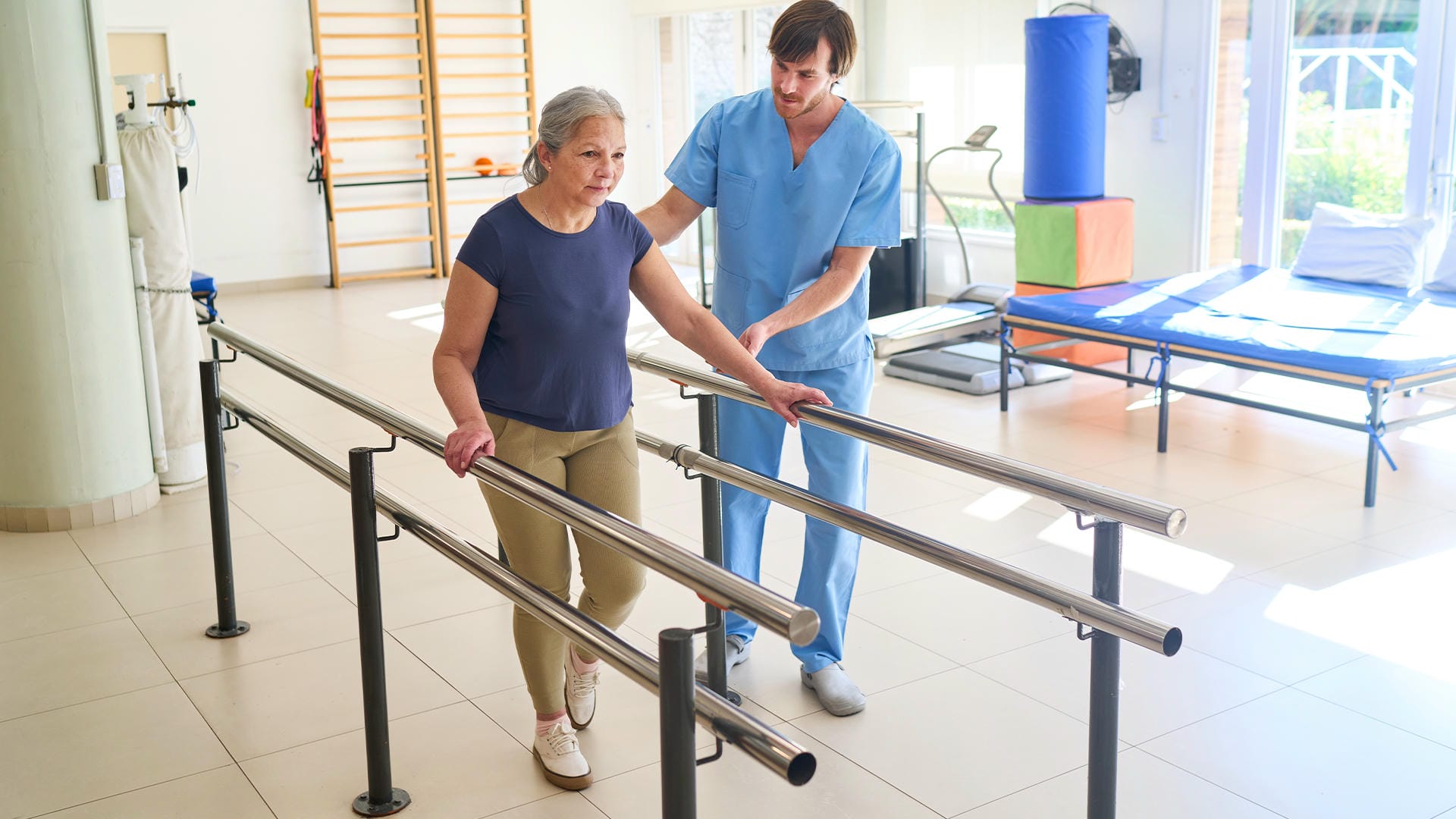
“Can she walk?” is too broad. Watch the chair rise. Does she push off with both arms, sway once upright, or sit down hard? Physical therapy works from those clues into walking, turning, balance and stamina. In occupational therapy, the test might be a shirt button, a toilet transfer or the order of steps in washing up. A change in swallowing, memory, speech or voice can bring speech-language therapy into the room.
Three brief screens put numbers beside what staff sees. For the Timed Up and Go, the stopwatch starts at the chair, follows a ten-foot out-and-back and stops only after the patient sits again. Twelve seconds or longer signals increased fall risk. The 30-Second Chair Stand counts repeated rises from a 17-inch chair without using the arms. Then there is the four-stage balance screen; failure to hold the heel-to-toe position for ten seconds raises concern.
Dizziness calls for another comparison: blood pressure at rest, then upright. Meanwhile, a rushed turn toward the bathroom or one hand sliding along the wall may say more about Tuesday morning than a respectable score recorded Monday afternoon.
A Stronger Leg Still Has to Work in the Apartment
Exercise repetitions look fine on paper. Home is less cooperative. There may be a low couch, a walker that barely clears the dresser and a shower lip waiting at the end of a narrow bathroom.
One patient works on standing without hauling on his daughter’s arm. Another learns the turn needed to bring a walker through a tight doorway. After a stroke, the sequence may have to be retaught from the beginning; with a healing wound, pressure and positioning can limit the method. Away from the therapy gym, nursing observations fill in the gaps. Maybe a poor night’s sleep or a painful dressing change explains why the afternoon session went sideways.
“Zero pain” sounds decisive, but function gives the number context. Can the patient sleep, think clearly and take part in therapy? Prescribed pain treatment may be timed ahead of activity. Positioning, pauses and a less awkward way of moving are quieter tools. Grogginess and unsteadiness deserve as much attention as the rating itself.
Put the 75-Foot Walk in Context
“Mom walked 75 feet today” sounds wonderfully definite. It leaves out the walker, the two rest stops and the steadying hand at her elbow. Ask whether she could do it again near dinnertime. One successful trip down a hall does not answer the bathroom question at home.
Ask:
- How does she get in and out of bed, the shower and the particular kind of chair she owns?
- When a session ends early, what usually happened five minutes beforehand?
- Is the walker now automatic, or does somebody still have to remind her where to place it?
- At home, who is expected to help before breakfast, after dinner and overnight?
- Which change calls for the regular clinician, and which one cannot wait?
Bring the apartment along in photographs. Count the entry steps; measure the bed, doorway and toilet height. Mention that loose rug the family stopped noticing years ago. It will become interesting again very quickly.
How Short-Term Rehab for Seniors Prepares for Home
Week one is a sensible time to talk about home, even if discharge feels distant. New York guidance treats the expected nursing, medical and day-to-day needs after departure as part of that planning. The stair count, ride to a follow-up visit and available family help cannot be solved in the final hour.
Then rehearse. Let the patient use the recommended device until the sequence feels familiar. Have the future caregiver try the transfer while trained staff can correct a hand position. Lay the final instructions beside the current pill list and sort out discrepancies before leaving. Four flights of stairs are a fact, rather than a footnote, when climbing remains difficult.
Performance wanders. A person who moves confidently after breakfast may fade late in the day, particularly after a difficult illness. Ask what staff has seen across several shifts, rooms and therapy sessions. Wednesday morning gets a vote as well.
Care. Support. Positive Outcomes. Centers Health Care.
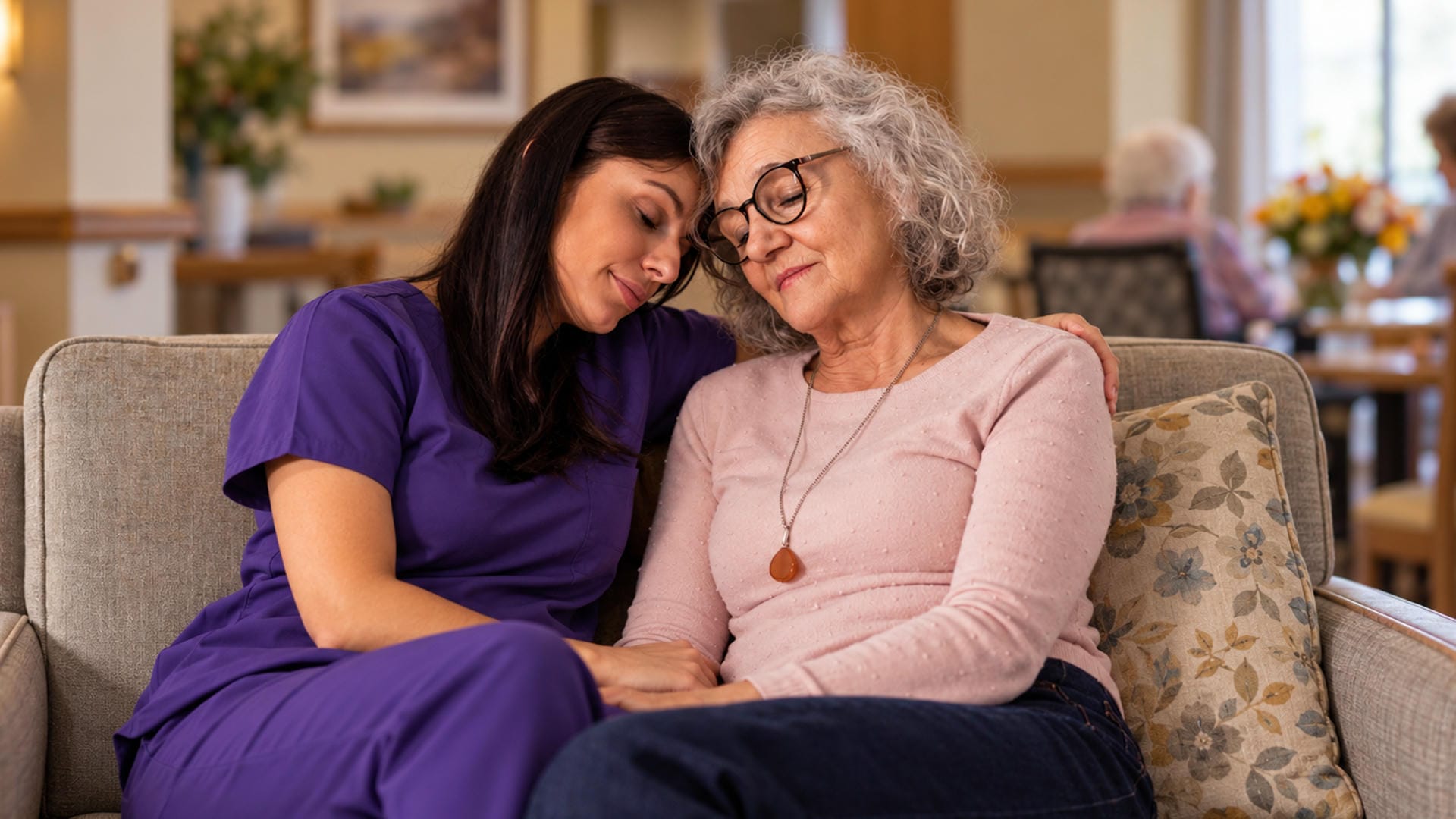
People arrive at Bushwick Center with different versions of a good outcome in mind. One hopes to go back to a Brooklyn apartment after short-term rehab. Another needs help living with the effects of a stroke, persistent pain or a wound that changes how the day is organized. Some residents need long-term nursing care. Staff works within those differences, pairing skilled nursing with the appropriate rehabilitation and clinical support. There will be strong mornings and discouraging ones. A steadier transfer, a better turn with the walker, one task done with less help; progress is often that plain.
Steps to Home
Long before the car pulls up, lay the plan over an ordinary day at home. Who is there when the senior gets out of bed? Will the walker clear the bathroom door? Where are the morning pills, and how does lunch get made? The answers reveal the hours that still need supervision and the tasks that can be handled alone. Families should practice the taught techniques and keep the phone numbers and written directions in sight. At nine that evening, nobody will thank the tote bag that swallowed the instructions.
Our Steps to Home series follows patients through rehabilitation and the journey from hospital to home: