Healthy Aging Tips from Our Rehab Experts

People talk about aging well as if it were some soft, abstract thing. It usually is not.
Most of the time, it comes down to a handful of very ordinary moments. You usually notice it in passing. A chair in a waiting room feels lower than it used to. A grocery bag pulls a little harder on the shoulder. At the doctor’s office, half the instructions are clear in the moment and fuzzy by the time you get home. Having enough energy left at 4 p.m. to still feel like yourself.
That is how rehab teams tend to look at it.
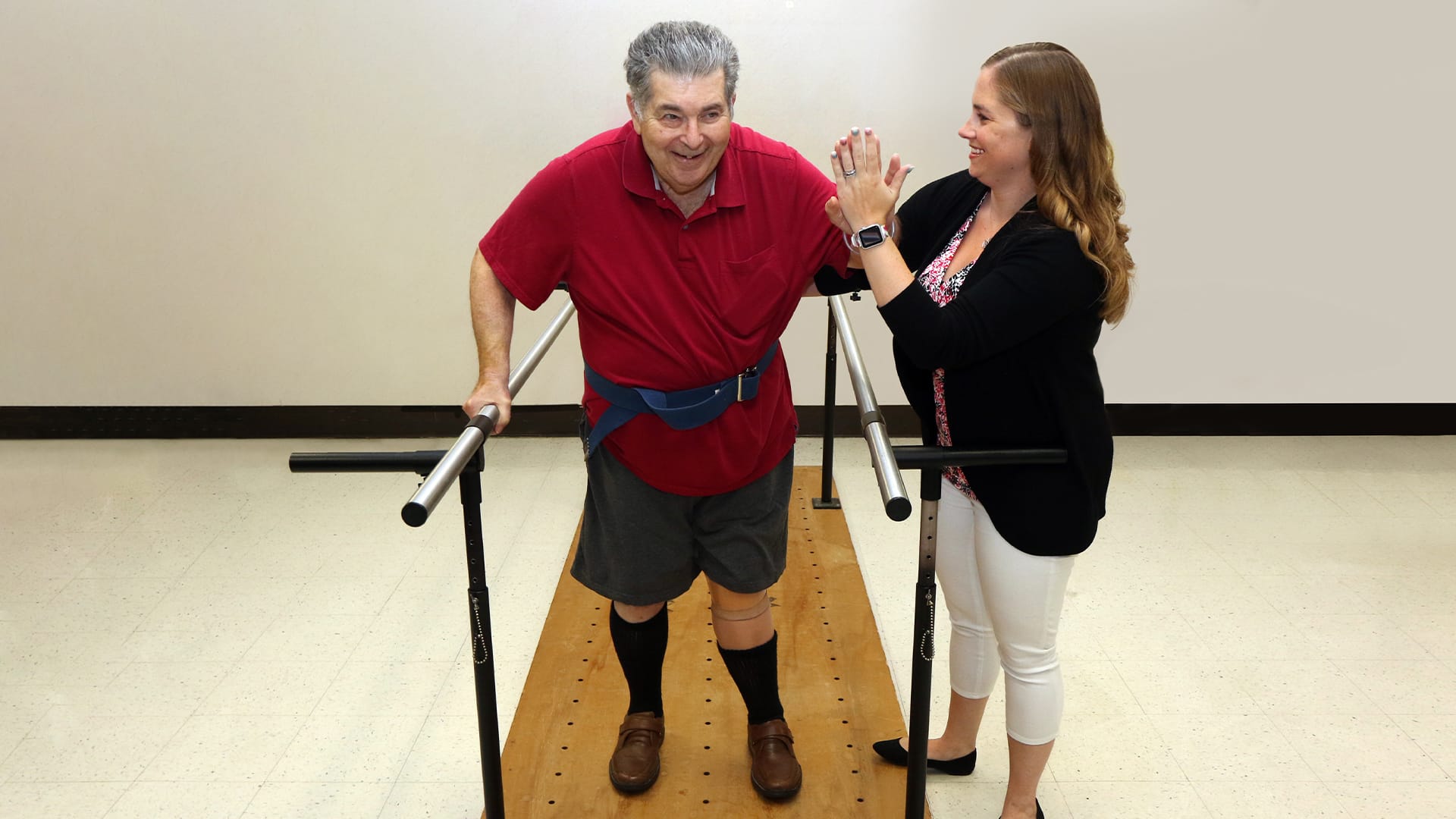
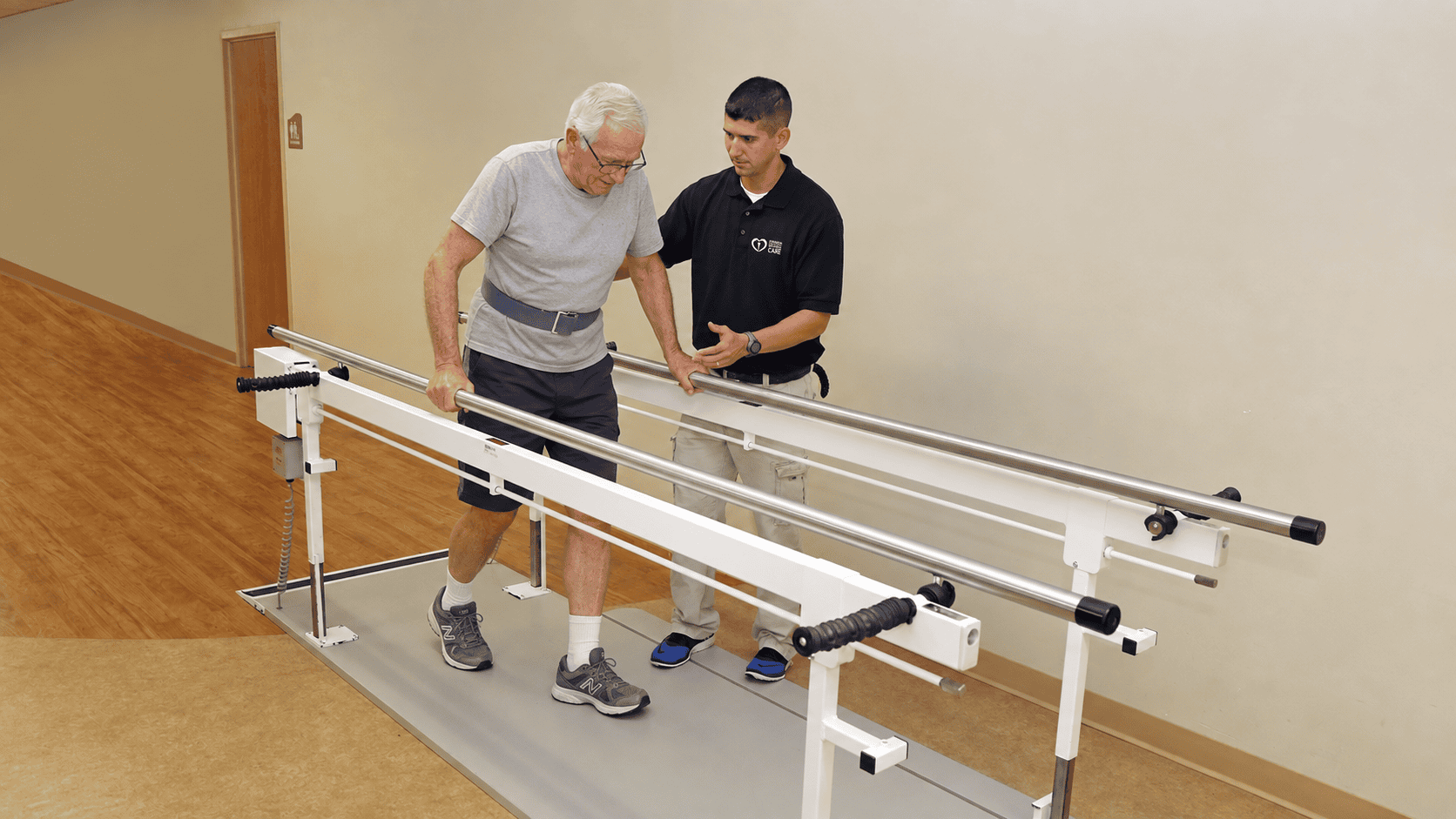
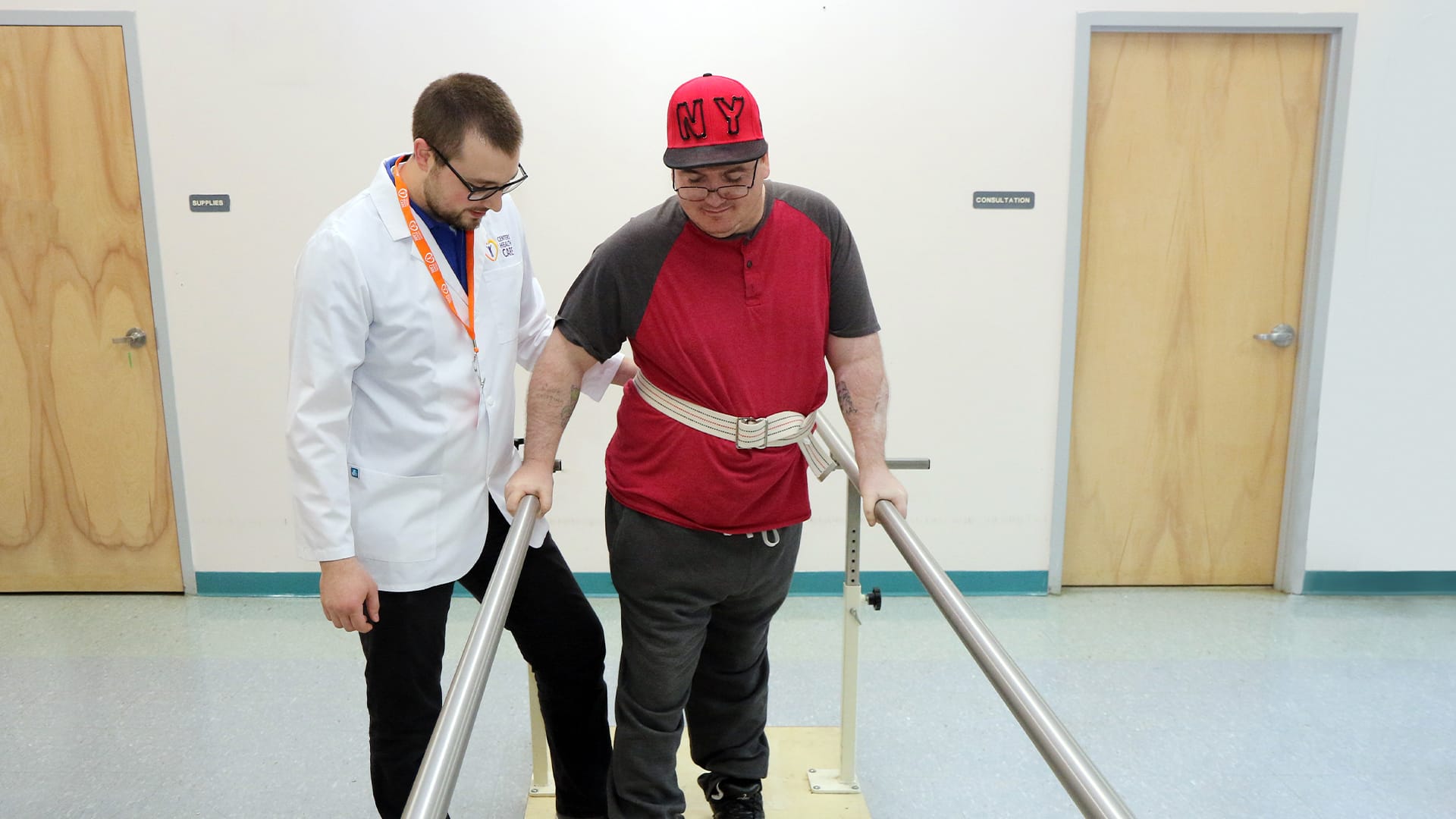
When physical therapists, occupational therapists, speech therapists, nurses, and physicians talk about healthy aging tips, we are usually not talking about chasing youth. We are talking about preserving function. Keeping people steady, clear, strong enough, and confident enough to keep living their actual lives.
And in New York, “actual life” is not always gentle. It can mean apartment stairs, long corridors, icy sidewalks, winter boots, crowded lobbies, noisy dining rooms, uneven curbs, and bathrooms that were clearly designed by someone who never had knee pain.
So let’s keep this practical. Here are the healthy aging tips our rehab experts would give, without the fluff.
Do not wait for a crisis to start moving more
One of the biggest mistakes people make is assuming exercise only matters after something goes wrong. After the hospitalization. After the fall. After the doctor says strength is slipping.
By then, the work is harder.
The better move is to treat movement as routine maintenance. Not punishment. Not a whole new identity. Just maintenance.
The guidance itself is not complicated: move during the week, do some strength work, and do not ignore balance. That time does not have to be done in long, formal workouts. It can be spread out. It does not have to look like a formal gym plan to count. (CDC)
That matters, because real people do not live inside exercise brochures. They live in time chunks. Ten minutes after breakfast. A short walk in the hallway. Repeated sit-to-stands from a solid chair. Some people work movement into the edges of the day without making a whole production out of it. A few calf raises while tea heats up. An extra pass down the hallway before sitting for the evening. That kind of thing sounds minor until it is repeated often enough to matter. More important, they feel doable. That is half the battle.
Build strength where life actually happens
Aging does not usually announce itself all at once. It shows up in little negotiations.
You start planning around the stairs. You stop carrying the laundry basket full. You use both hands to push off the sofa. You avoid certain shoes because you do not feel as sure on them anymore. People notice that stuff late, if they notice it at all.
Rehab notices it fast.
That is why strength training for older adults should not be framed as some vanity project. It is about keeping enough reserve in the system so ordinary tasks stay ordinary. Standing. Turning. Reaching. Getting in and out of a car. Recovering if you trip and do not land perfectly.
A lot of healthy aging tips sound more convincing when stripped of the health-club language. Strength work can mean resistance bands, body-weight exercises, light hand weights, step practice, or repeated standing from a chair with good form. Nothing glamorous. Still works.
Slow and repeatable usually wins. The plan that works is usually the one a person will still be doing next month.
Treat balance like a real warning system
People will tell you, “I didn’t fall. I just had a little slip.”
Sometimes they say it while describing a full-body grab of the kitchen counter.
That counts.
Falls are not rare, and they are not somebody else’s problem. CDC says more than one in four older adults falls each year, and many never bring it up with their doctor. The trouble usually starts earlier than the actual fall. A person begins moving more cautiously. Their turns get slower. They hesitate at curbs. They stop carrying things while walking. They avoid the shower unless someone is nearby. They sit down to get dressed because standing on one leg for pants or socks feels shaky now.
That is the moment to say something.
Not because every balance issue is dramatic, but because the cause might be fixable. Weakness. Joint pain. A medication change. Poor footwear. Dehydration. Vision issues. An inner-ear problem. Low blood pressure. Sometimes it is a messy combination of three or four things at once.
New Yorkers know this problem gets worse in winter. Slush at the entrance, wet tile, heavy coats, rushed steps, bad light by late afternoon. You do not need a major medical event for that mix to get dangerous.
Stop shrugging off sleep, hearing, and vision
Here is another trap: people separate these things from function when they should not.
Sleep affects steadiness. Hearing affects safety. Vision affects confidence and speed. If any of those begin to slip, the body often compensates in awkward ways. People move slower. Miss part of a conversation. Get more mentally fatigued. Withdraw a little. Then they move less, and that starts feeding other problems.
Sleep and hearing get brushed aside more than they should. Older adults still generally need seven to nine hours of sleep, and hearing loss is common enough that NIA says about one-third of older adults have it. When either one slips, daily life often gets harder in ways that do not look dramatic at first. (National Institute on Aging)
That does not mean every bad night is a medical mystery, or every missed word means a hearing aid tomorrow. It does mean these issues deserve more respect than they usually get.
If someone is suddenly more tired, more irritable, less steady, or less engaged, rehab will not only look at muscles and joints. We will ask how they are sleeping. Whether they are hearing people clearly. Whether their glasses are current. Because sometimes the “aging problem” is really a fixable sensory or fatigue problem wearing a disguise.
Eat like muscle matters, because it does
A lot of older adults do not eat terribly. The issue is often less about “bad eating” and more about a slow drift downward. Meals get smaller. Protein gets patchy. Water gets forgotten. It often becomes obvious only when life gets interrupted for a while and the person does not bounce back the way they used to. Appetite changes. Cooking feels like a hassle. Meals get smaller. Protein gets inconsistent. Water intake gets lazy. Then strength drops further, which makes shopping, cooking, and carrying food home harder, which of course makes the whole problem worse.
NIA’s guidance leans practical here: choose nutrient-dense foods, and make sure protein shows up through the day instead of all at once or barely at all. That becomes more important, not less, with age.(National Institute on Aging)
This is not about chasing a perfect diet. It is about not running the body on fumes. Eggs. Yogurt. Fish. Beans. Chicken. Soups that actually have substance. Easy foods kept around on purpose instead of by accident. Sometimes that kind of adjustment does more for stamina than people expect.
Use the help that already exists in New York
A lot of people in New York wait too long to ask for help because they think those services are meant for somebody in worse shape. Usually that assumption is wrong.
New York has real aging services, and they are meant to be used before things go off the rails. NYC Aging says there are more than 300 Older Adult Centers and affiliated sites across the five boroughs offering meals, classes, activities, fitness programs, and social services. New York State’s NY Connects is a statewide entry point for information on long-term services and supports, and programs such as EISEP are designed to help older adults stay independent at home. (NYC Government)
That matters. Isolation makes everything heavier. A missed meal, a skipped errand, a weaker week, less confidence going outside, and suddenly somebody’s world gets smaller without anyone naming it out loud.
Healthy aging is partly physical. It is also logistical. Social. Environmental. Sometimes the right class, center, home support, or community contact keeps a small decline from turning into a big one.
Put more plainly: The goal is not to be younger. It is to stay capable.
The best healthy aging tips are rarely fancy. Move on purpose. Keep some strength in the legs and hips. Pay attention to balance before you hit the floor. Do not dismiss bad sleep, fuzzy hearing, or outdated glasses. Eat like function matters. Speak up sooner. Use the help around you.
Aging well is not winning a contest. It is keeping enough ability, enough steadiness, and enough margin that everyday life still feels manageable.
That is the kind of outcome rehab people care about.
And honestly, it is the kind most families care about too.
Beth Abraham Center
At Beth Abraham Center in the Bronx, healthy aging is approached in a practical way: keep people moving, keep them connected, and build a plan around the person in front of you. The facility emphasizes individualized rehab, onsite clinical support, and close communication across the care team, but it also leans into the part people sometimes overlook — community. That matters, because aging well is not only about strength on paper. It is also about confidence, routine, social energy, and having the support to keep doing everyday things safely and well.