Heart Month 2026: Winter Heart Risks for Older Adults

While the worst of February chills have passed, we are not out of the woods yet and the remaining winter months bring more than snow—they also bring increased cardiac risk, particularly for older adults. February is Heart Month, and families and caretakers should be aware of the risks for older adults in their life during the winter months and take steps to prevent cardiac events for this vulnerable population.
What Are the Risks?
According to the American Heart Association, physical responses to colder weather such as increased blood pressure and heart rate are proven to increase the risk of cardiac events in older adults by as much as 30% in the winter months.
These physical responses are more likely to occur as a result of outdoor winter activities, such as shoveling snow and walking through snow. These activities can also increase the risk of falls, back strains, and aching joints.
Other seasonal cardiac risks include respiratory infections such as the flu or pneumonia, and dehydration from dry air and heavy clothing.
Minimizing Risk
Limit Strenuous Outdoor Activity
You can minimize the risk of cardiac events for older adults in your life by making sure sidewalks and driveways are shoveled and de-iced and safely planning transportation to family events and errands.
Combatting Isolation
Lack of connection during the winter months can contribute to both physical and mental decline. Regular visits or phone calls provide reassurance and an opportunity for loved ones to spot any warning signs of cardiac events.
Encouraging Movement
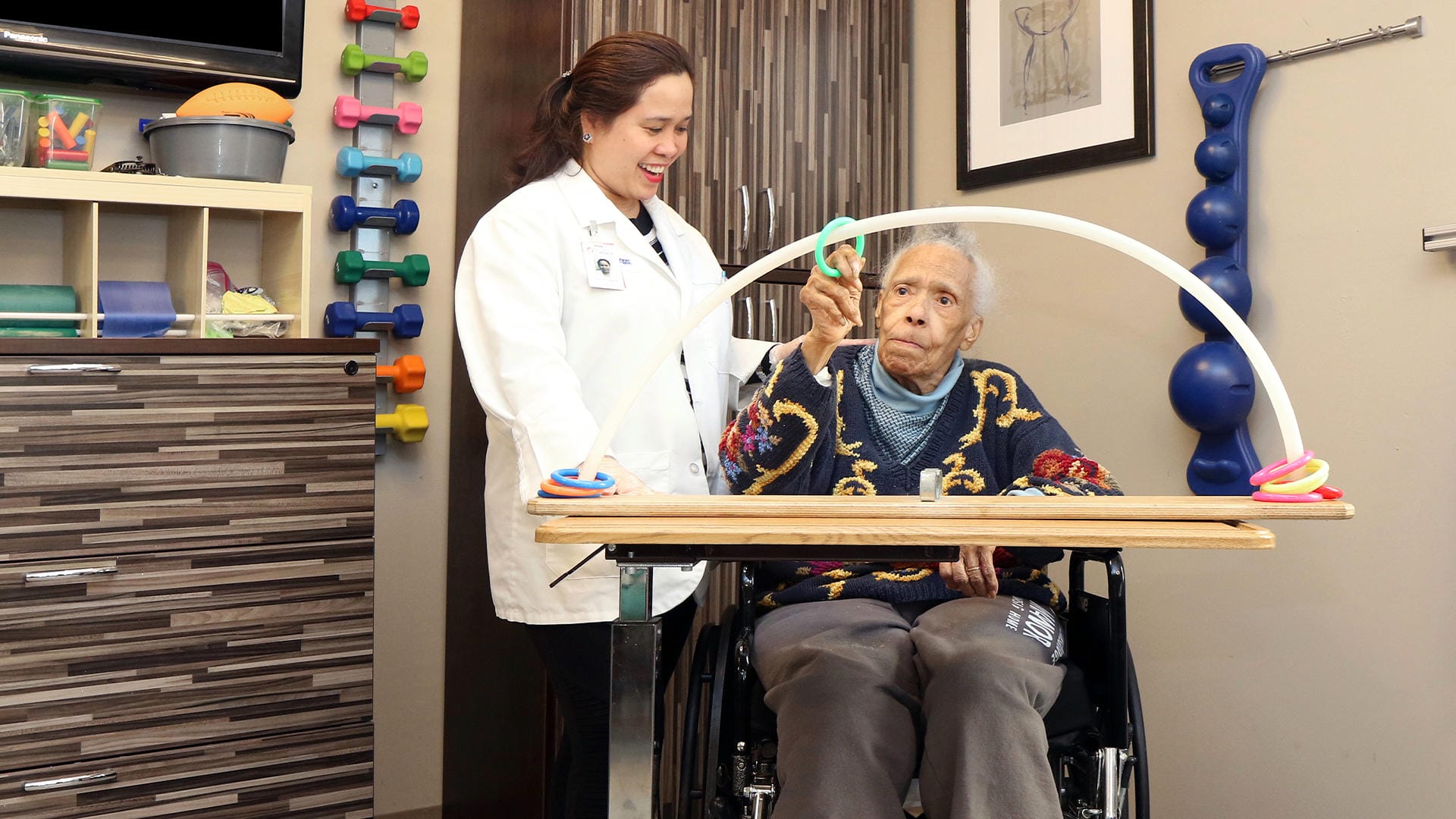
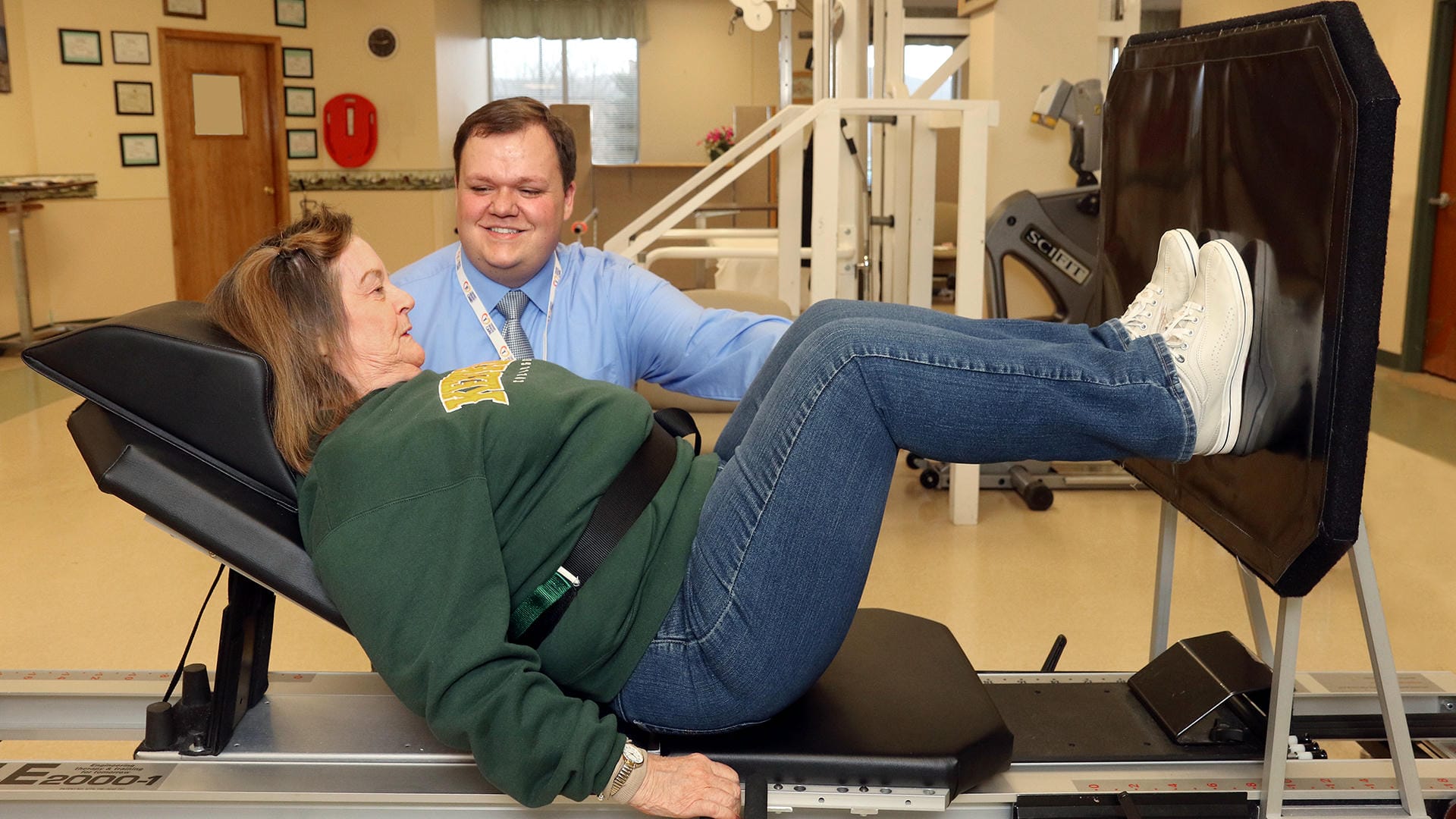
While it may be too cold to run a 5k, light aerobic activity such as walking or chair exercises not only improves cardiovascular health, but also bone density and coordination. As always, make sure that your loved ones are drinking enough fluids to support this movement.
With millions of Americans over 65 living with heart disease or related conditions, Centers Health Care remains steadfast in its mission to deliver exceptional, evidence-based care. By prioritizing prevention, early intervention, and continuous improvement, the organization is redefining cardiovascular care in long-term care settings.