Neurologic Rehab Goals: How Families Can Support Progress in July
Nobody explains the calendar shift. One week you’re living around a hospital discharge date, the next you’re structuring entire days around a 45-minute PT slot. Families adjust fast. Patients adjust slower, and that gap is where most of the frustration around neurologic rehab goals, especially concerning short-term rehab, actually lives.
Heat throws a wrench into things this time of year. A patient relearning gait after a stroke can handle ten minutes of walking just fine at 9am and be completely gassed by the same distance at 2pm in July humidity. So sessions move earlier. Outdoor practice — curbs, grass, the slope of a driveway — gets scheduled for whenever the temperature cooperates. Families sometimes read the schedule change as a setback against their neurologic rehab goals. It isn’t. It’s just weather.
FIM scores. Functional Independence Measure. Ugly acronym, boring on paper, but it’s the number that actually tells you something about where the neurologic rehab goals stand this week versus last week. Going from moderate assistance to supervision-only on a bed-to-chair transfer sounds small until you’ve watched someone need two people to move six feet for a month straight. Ask for the number. “Doing great” is not a number.
What Actually Counts As Progress in Neurologic Rehab Goals
Clinical teams build goals in layers most families never hear described that way — impairment level (strength, sensation, spasticity), activity level (walking, dressing, swallowing), and participation level. That last one gets skipped in casual conversation, which is a shame, because it’s the layer that gets people out of bed on the hard days. Good neurologic rehab goals lean on that layer more than clinicians usually admit out loud. “Ambulate 150 feet with a rolling walker” is a chart note. “Walk into my grandson’s bar mitzvah without the walker” is a reason.
Constraint-induced movement therapy shows up a lot with hemiparesis — the stronger arm gets restrained on purpose, hours at a stretch, so the weaker one has no choice but to work. Patients hate it at first. Spouses hate watching it. The research behind it is decades deep regardless, and it feeds directly into how a team sets realistic upper-limb neurologic rehab goals for the weeks ahead.
Swallowing gets less attention than it should. Aphasia and slurred speech are visible, obvious, easy to worry about out loud. Silent aspiration isn’t. No coughing, no drama, just a real risk that shows up on a modified barium swallow study and nowhere else. Ask if one’s been done. Don’t assume dinner went fine just because nobody choked at the table — this piece belongs in the neurologic rehab goals conversation just as much as the walking distance does.
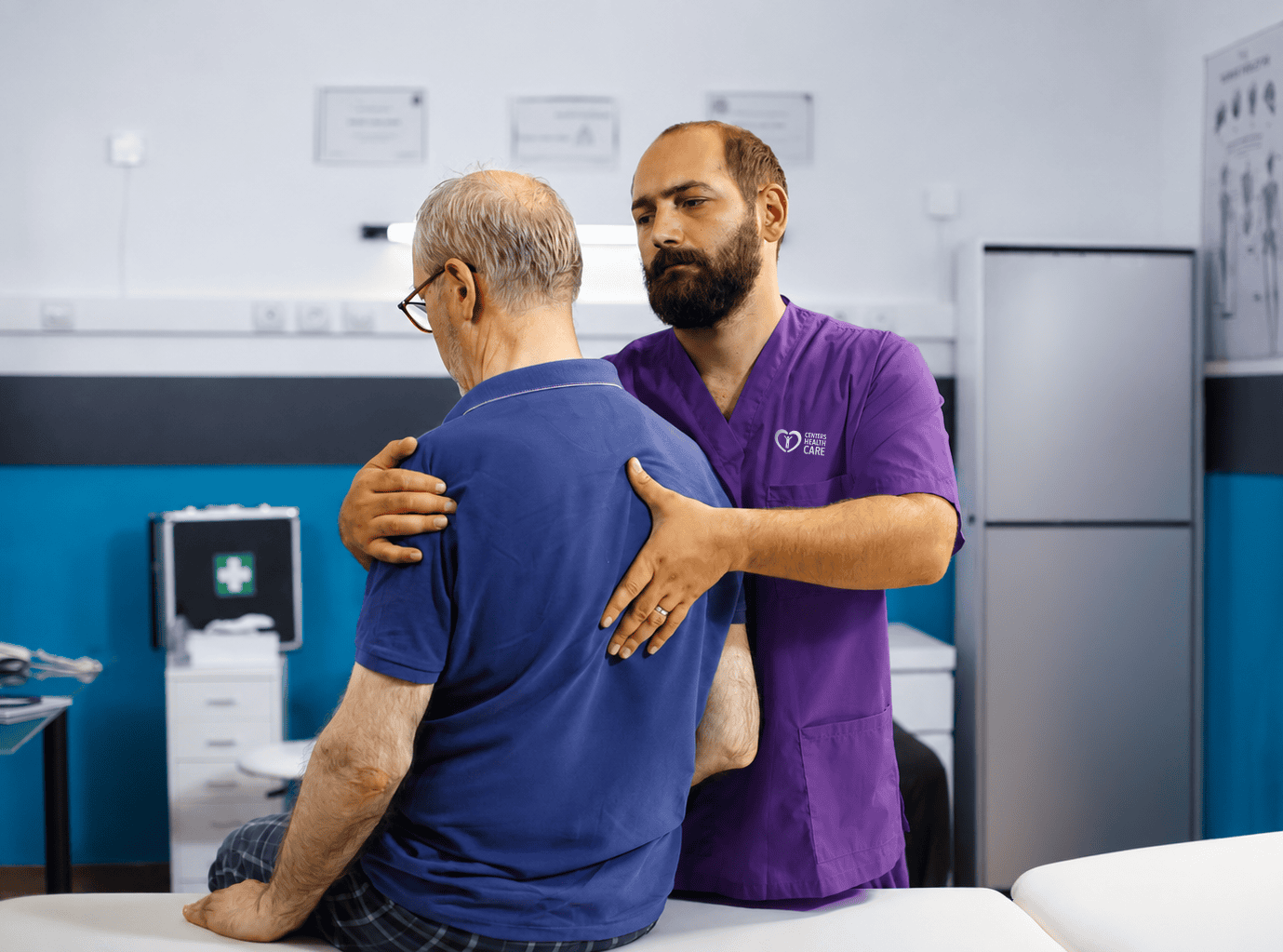
Treadmill gait training with body-weight support, sometimes robotic stepping assist where a facility has the equipment — none of it replaces a therapist’s hands on a hip or ankle, but it racks up repetitions faster than floor walking with a fall risk attached to every step. Reps matter more than any single exercise. That’s what the neuroplasticity literature keeps saying, over and over, in study after study on stroke motor recovery, and it’s the quiet engine behind most neurologic rehab goals that actually get hit on schedule.
Where Families Actually Move Neurologic Rehab Goals Forward
Boring wins here. Not intensity — repetition. The exact sit-to-stand cue from Tuesday’s session, repeated at home five times a day in the exact same words, does more for weekly neurologic rehab goals than a heroic hour-long visit once a week. Write the cues down. “Nose over toes.” “Push through the heel.” Whatever phrase the therapist actually used — use that phrase, not your own version of it. Patients working through aphasia especially need the language to stay consistent, or every rep becomes a small negotiation.
Sleep gets overlooked constantly. A bad night doesn’t just make someone tired — it lowers the point where frustration turns into giving up mid-rep, and a string of bad nights can stall neurologic rehab goals that were on track the week before. If nights have been rough, say so at the next session. It changes how the day’s therapy gets paced. It’s not a separate complaint for later.
Care. Support. Positive Outcomes. Centers Health Care.
Onondaga Center runs stroke care and short-term rehab alongside cardiac care, orthopedic care, pain management, and wound care under the same roof — useful when a recovery touches more than one system, which it usually does. The goal isn’t identical for every patient. Sometimes it’s walking out the front door. Sometimes it’s just a better Tuesday than last Tuesday. There will be setbacks mixed in with the progress, no way around that. Staff stay through both. Some steps are big. Most aren’t. They still count.
Steps to Home
Discharge planning for neurologic rehab goals starts earlier than most families expect — well before anyone feels ready for it, honestly. Someone walks through the home layout: stairs, bathroom clearance, whether a walker fits through the bedroom door. Equipment gets ordered with real lead time, not the week before discharge when everything’s rushed. Family members practice transfers hands-on, supervised, so the first unsupervised attempt at home isn’t also the very first attempt period. And an outpatient follow-up schedule gets locked in before anyone leaves the building — because six weeks of inpatient momentum disappears fast without something on the calendar to catch it.
Our Steps to Home series follows patients through rehabilitation and the journey from hospital to home: