Orthopedic Fall Prevention and Rehab: Preparing Seniors for a Safer Fall Season

A senior may walk 100 feet in the therapy gym and still be unready for the wet leaves outside the front door. Gym floors are level, lighting is good, and somebody is nearby. Home brings the narrow bathroom turn, a dog nosing around the walker, and the low chair everyone has meant to replace for ten years.
August is a useful time to look at those details. More than 14 million adults age 65 and older report a fall each year, according to the CDC’s latest data; 37% of them sustain an injury requiring medical attention or limiting activity. New York reported a 25% increase in fall-related death rates among residents 60 and older from 2018 through 2023.
After a fracture, joint replacement, or other orthopedic setback, preventing the next fall belongs inside the recovery plan from the start, consistent with orthopedic care.
Orthopedic Fall Prevention Starts With the Turn
Watch the turn at the end of a hallway. Straight-ahead walking can look smooth while a change in direction exposes short steps, hesitation, poor weight shift, or a foot that does not quite clear the floor. Getting up at night adds another layer. So does fatigue after lunch.
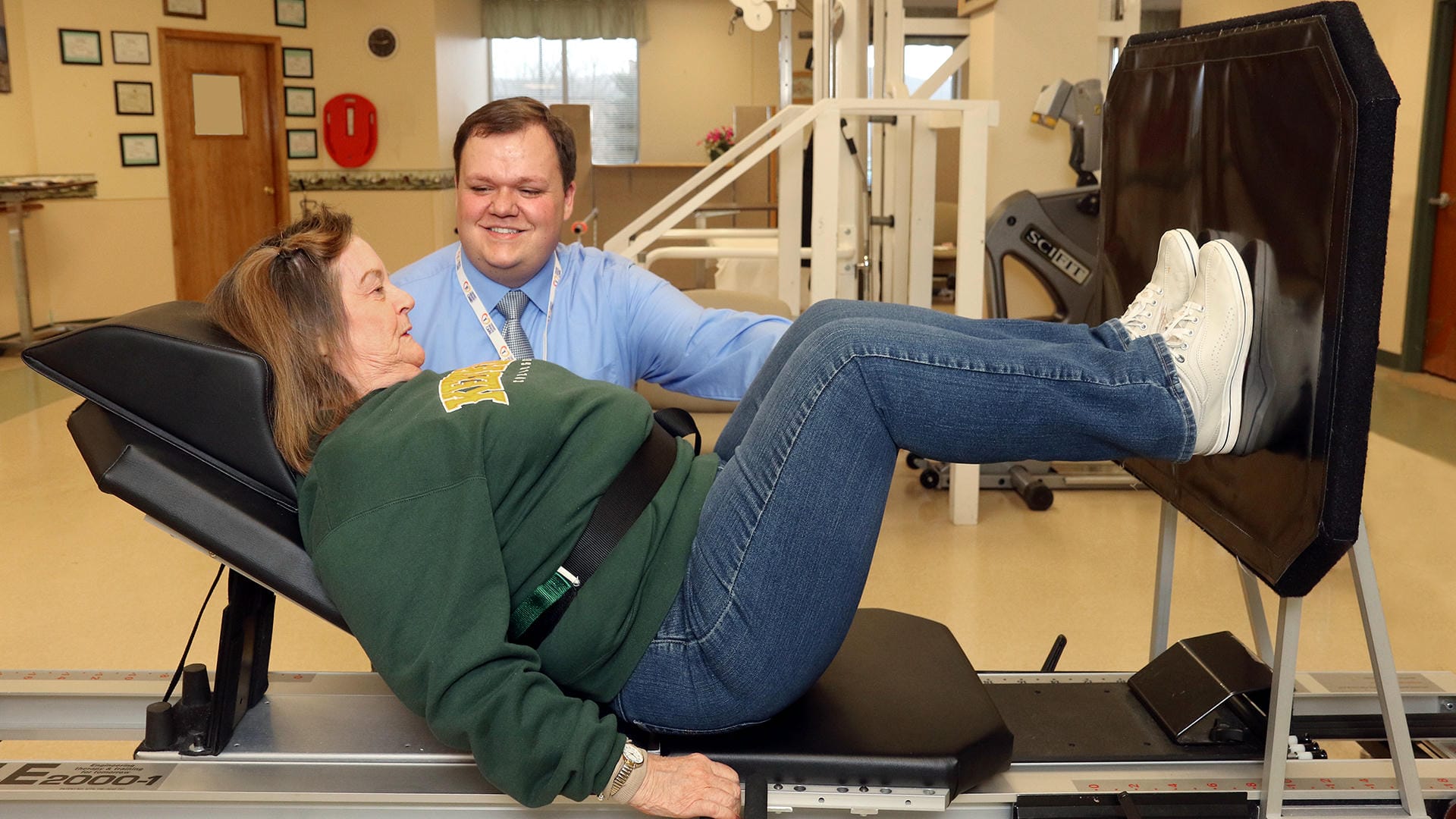
Therapists therefore look beyond distance. Sit-to-stand practice tests whether the legs can produce enough force without a hard pull on the walker. Stepping, reaching, controlled lowering and direction changes reveal what happens when movement gets awkward. Weight-bearing precautions remain in force while strength is built around them.
The CDC’s STEADI toolkit gives clinicians several practical measures. The Timed Up and Go observes standing, walking, turning and sitting. The 30-Second Chair Stand examines leg strength and endurance; the Four-Stage Balance Test raises the balance challenge in increments. Orthostatic blood-pressure readings can uncover a drop after standing, a problem easily mistaken for simple unsteadiness. None of these scores tells the whole story. Together, they make vague impressions harder to hide behind.
A Walker Is Useful Only When It Is Used Properly
One loose rubber tip can undo a respectable afternoon of therapy. Height, hand placement and sequence count, too. A walker set too high may encourage raised shoulders and poor control; too low, it can pull the body forward. Will the person reach back before sitting? Does she park it across the room because the kitchen is tight?
Shoes deserve the same blunt attention. Slippers may slide, twist or catch. A secure heel, proper fit and suitable traction are less exciting, granted, but useful. Families should bring the footwear and mobility aid intended for home so the therapy team sees the actual setup.
Bringing Orthopedic Fall Prevention Into the House
A polished rehab corridor tells us very little about somebody’s bathroom at 2 a.m. Before discharge, the discussion should get specific: the number and height of steps, railings, floor surfaces, bed height, shower entry, pets, clutter and the path from bed to toilet. “There’s a railing” is a beginning. Which side is it on?
Loose rugs and electrical cords are familiar hazards. The subtler trouble sits in transitions: carpet to tile, a doorway lip, one unmarked step into a sunroom. Better lighting helps at stair landings and along the nighttime route. Keep kitchen staples within reach. Chairs should allow a controlled rise. Grab bars and other equipment need secure installation; guesswork beside a wet shower is a poor strategy.
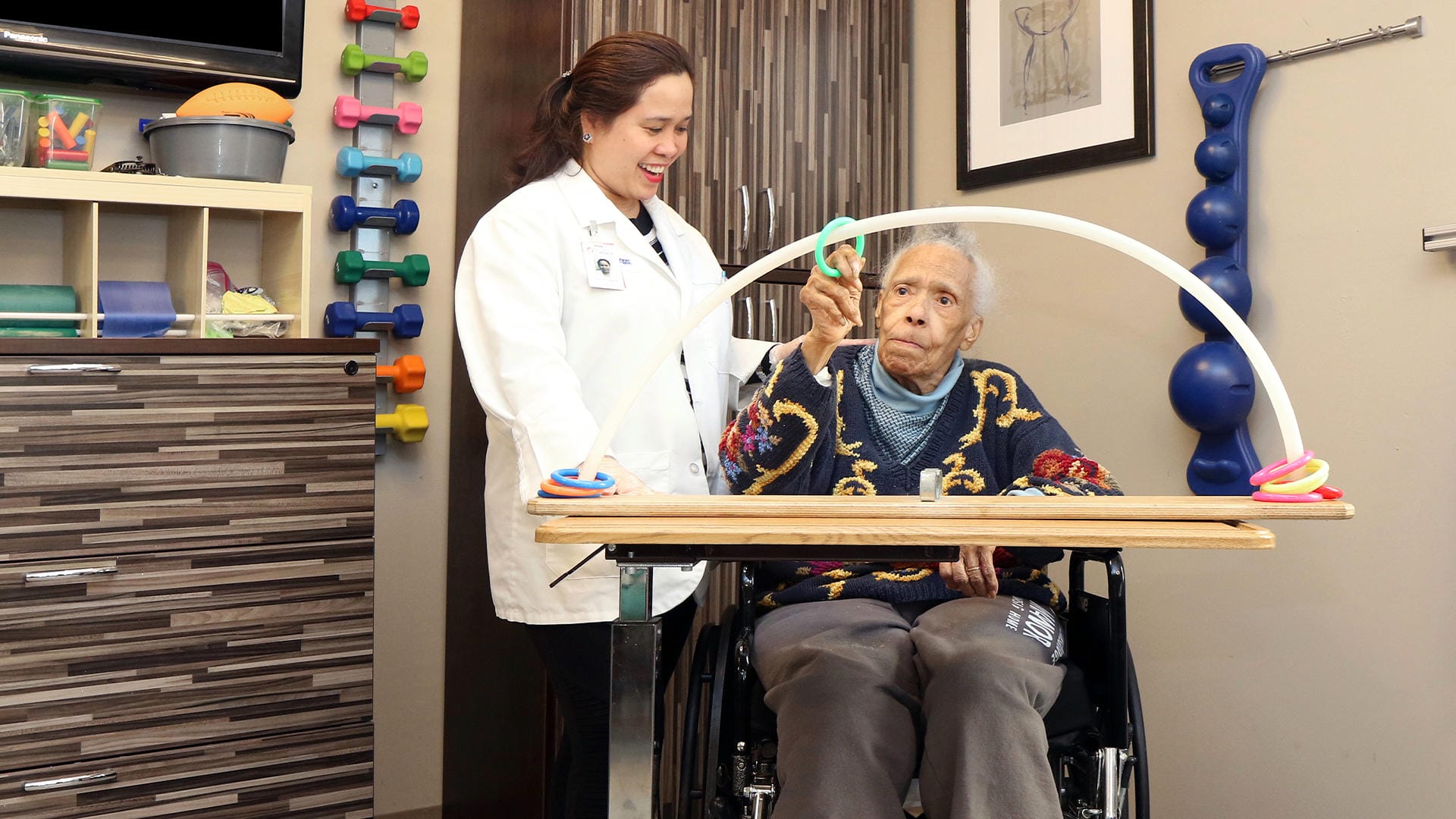
Occupational therapy may rehearse dressing, bathing and simple kitchen tasks because balance rarely fails on command. It slips while someone is tugging at a pant leg, carrying a mug or trying to do two things at once.
The Medication List Belongs in Orthopedic Fall Prevention
Dizziness after standing is sometimes blamed on age. That is too easy.
Medication effects, dehydration, pain, poor sleep, vision changes and illness can alter balance within days. Pain creates odd bargains: a patient protects one side, shortens the other step, then hurries because standing hurts. Sedating medicines and drugs that lower blood pressure deserve clinical review after a hospitalization or new prescription. Report lightheadedness, unusual sleepiness, confusion or a near-fall promptly.
Fear can be equally disruptive. Someone who has fallen may stop moving, lose strength and become less steady. Pushing through fear rarely fixes it. Supervised practice, a predictable routine and small increases in difficulty give the person evidence that a movement is manageable. For a resident living with dementia or recovering from stroke, short directions and a consistent setup can spare a great deal of confusion.
Preparing for Schenectady’s Fall Weather
September in the Capital Region can offer a warm afternoon and a chilly evening. Jackets come out, daylight fades earlier, and wet leaves collect near curbs. Rehab practice can account for the season without turning autumn into a menace.
Try the coat before discharge. Can it go on without letting go of the walker at the wrong moment? Practice the actual steps and threshold when possible. Plan errands for better light and weather. Keep a phone within reach.
The plan also needs a response to a near-fall. Write down what happened, including time of day, shoes, activity and any dizziness. A pattern may show up quickly. “Nothing happened” is comforting. It is not much of an investigation.
Care. Support. Positive Outcomes. Centers Health Care.
A person can arrive after joint surgery and still need cueing, help managing weakness after a stroke, or continuing nursing support. Schenectady Center provides short-term rehabilitation, orthopedic care, stroke care, dementia care and long-term care for needs that do not fit into one tidy category. The care plan has to reflect the person in the bed.
The immediate goal may be returning home. For someone else, it is a safer transfer, more dependable walking, greater comfort or enough strength to participate in daily life. Progress can be quick for a week and stubborn the next. Staff stay with that process, revising the approach when the first idea does not hold up.
Sometimes the gain is a flight of stairs. Sometimes it is one steady turn before sitting down.
Steps to Home
The front door is a poor place to discover that one more skill needed practice. At Schenectady Center, Steps to Home keeps discharge planning tied to the life waiting beyond rehab. Therapists and nursing staff track functional progress, identify obstacles and work with patients and families on mobility, daily tasks, equipment and a safer home routine. The useful question is concrete: what still has to go right for this person to get through that door and manage the hours afterward? Each answer shapes the next session.
Our Steps to Home series follows patients through rehabilitation and the journey from hospital to home: