World PT Day 2026: Rebuilding Strength After Stroke at Steuben Center in Bath
World Physiotherapy sets a theme every year for September 8, and 2026’s landed on cardiovascular disease and stroke — not exactly a surprise, given CVD still tops global mortality lists and stroke drags physical therapy into nearly every phase of recovery that follows. Bath doesn’t see the international campaign materials. It sees the patients.
Search “stroke rehabilitation Bath NY” and most of what comes back reads generic: arm exercises, walking programs, the usual stock photos. What actually happens in a session at Steuben Center looks more specific than that, and a lot of it has less to do with a hospital hallway and more to do with a gravel driveway in October, a hill on the way into town, a truck cab someone needs to climb into without a hand from anyone.
What Stroke Rehabilitation Bath NY Patients Actually Work On
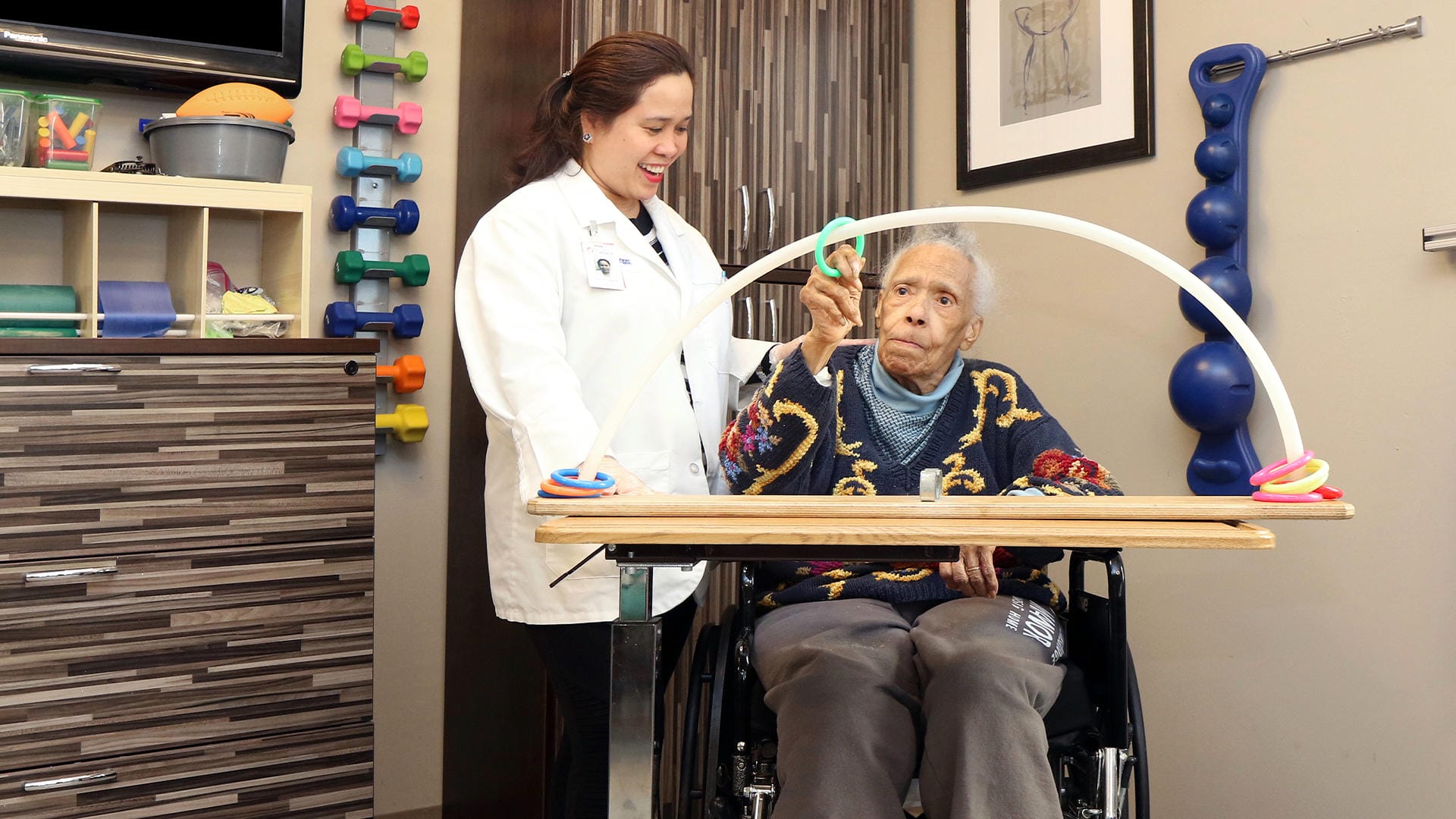
Ask a patient to reach for a cup once, not much changes. Ask fifteen times, and the nervous system starts rewriting instructions. Repetitive task practice runs on that logic — the backbone of arm and hand work at Steuben Center, grasping, releasing, standing up from a chair over and over until it stops needing conscious thought. Stroke rarely wipes out movement outright. It garbles the signal: a shoulder stalls before it initiates, a foot catches mid-swing, a hand closes around something but won’t quite let go. Passive stretching alone doesn’t fix much of that. Volume and specificity carry more of the actual load, and that’s roughly where current rehabilitation research keeps landing too.
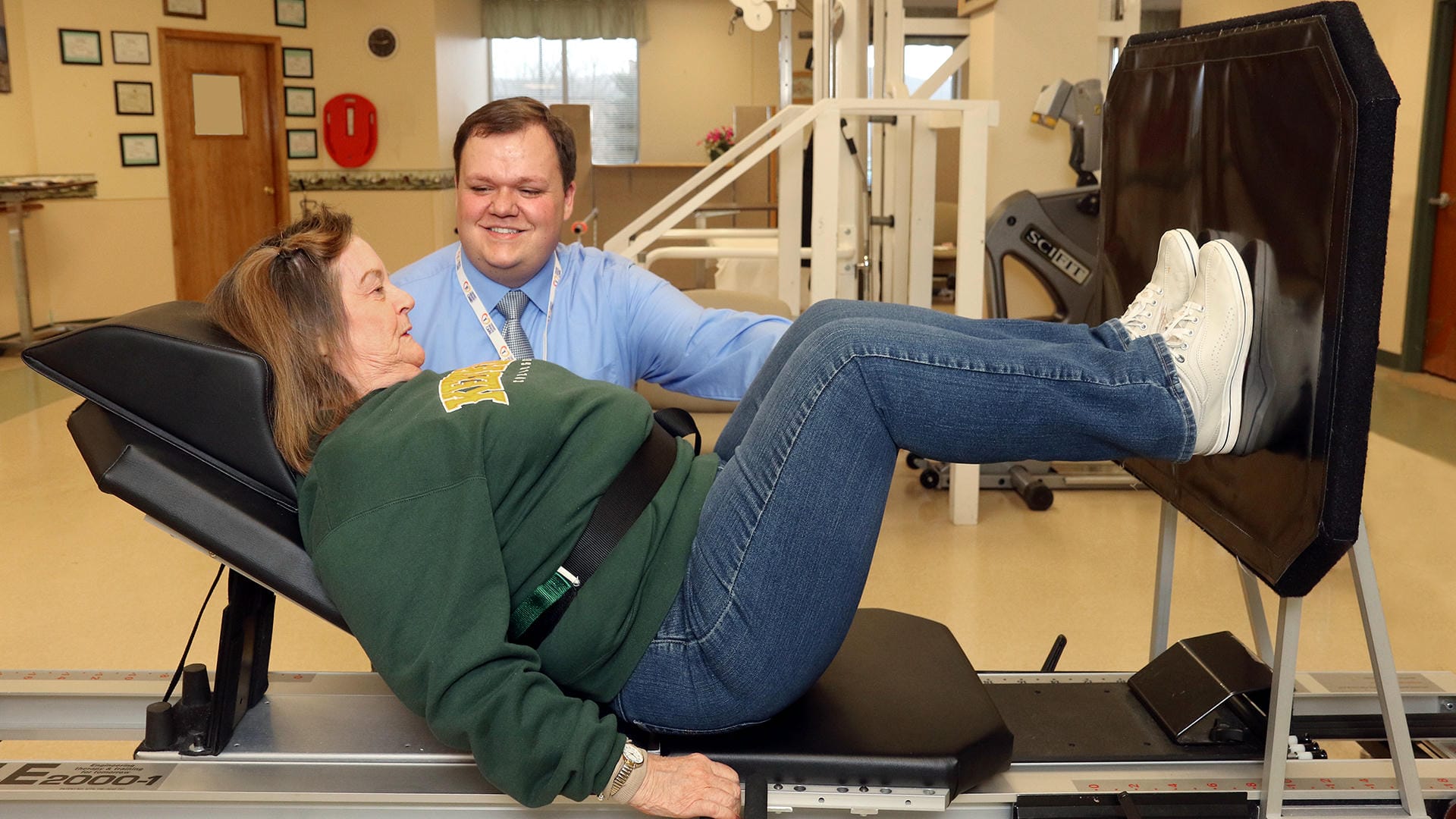
Compensation patterns draw the closest attention during gait work — a hip hiking up because the ankle won’t dorsiflex on its own, a stance spread wide to fake stability that isn’t actually there. Therapists watch for those substitutions constantly, because they’re exactly what raw walking-speed numbers miss. Group circuit training helps expose them: pace changes, turns, obstacles thrown into a walking loop instead of a straight hallway, closer to what a Bath sidewalk looks like in February than any clinic corridor. Falls risk gets tracked from the first session, not added on once someone’s already navigating ice and uneven ground on their own.
Two Numbers That Shape Arm Recovery
Whether a patient qualifies for constraint-induced movement therapy usually comes down to two specific measurements — roughly twenty degrees of wrist extension and ten degrees of finger extension in the affected hand. Clear that bar, and restricting the stronger arm for hours at a stretch becomes a viable option, forcing the brain to reroute effort toward the weaker side instead of relying on old habits. Miss it, and the approach shifts toward bilateral tasks and functional electrical stimulation, building strength before the forced-use method makes sense. Neither path is faster than the other. They’re suited to different stages of the same recovery.
Pacing Fatigue, Rebuilding Aerobic Capacity
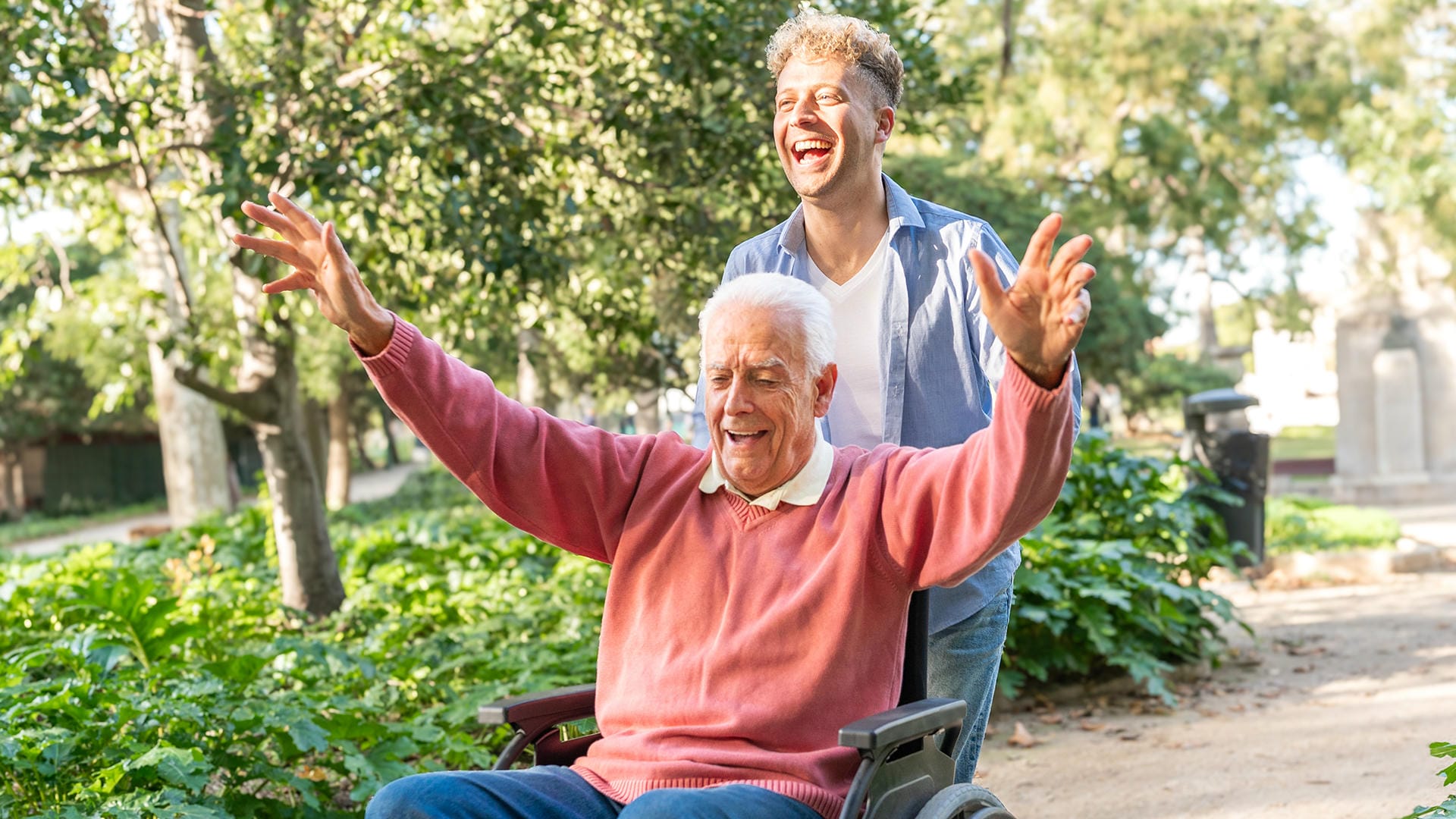
More than half of stroke survivors deal with lasting fatigue, and it rarely presents as obvious tiredness — more often it’s irritability, or someone abruptly refusing to continue a task that felt fine minutes earlier. That unpredictability shapes how aerobic work gets built at Steuben Center: short bouts of walking or stationary cycling, gradually extended toward twenty or thirty minutes most days, with heart rate and perceived exertion actually tracked instead of guessed at. Nobody starts week one at a target heart rate on a treadmill. Building tolerance slowly isn’t caution for its own sake; pushing too hard too early tends to set recovery back rather than speed it along.
Steps to Home: Making Stroke Rehabilitation Bath NY Progress Stick
None of it holds up if it stays inside a gym. Therapists work backward from whatever a patient actually needs to manage — three steps with no railing, a car seat set higher than it should be, a farmhouse kitchen doorway too narrow for a walker to clear. Around Bath and the wider Southern Tier, that usually means practicing on uneven ground before the driveways ice over, coordinating with family on home modifications, figuring out who handles the mailbox at the end of a long gravel road once someone’s home alone again. Recovery that only exists in a clinic doesn’t survive contact with rural New York.
Stroke Care and Short-Term Rehab at Steuben Center
Steuben Center in Bath offers Stroke Care and Short-Term Rehab, backed by Pain Management, Dementia Care, and Wound Care for patients whose recovery involves more than one issue at a time. That range counts for something in a county where driving to five separate specialists isn’t always realistic. More on the programs available: Steuben Center.
Care. Support. Positive Outcomes. Centers Health Care.
Rehabilitation, skilled nursing, and long-term care make up the core of what Steuben Center offers people across Bath and the Southern Tier, stroke care included — the same task-specific approach World PT Day 2026 is putting a spotlight on this year. Not every patient is aiming for the same outcome. Some are working back toward home. Others are managing dementia care, ongoing pain, or a wound needing more attention than a walk-in visit allows. The endpoint isn’t fixed. It depends on who’s in the room.
Progress after a stroke rarely moves in a straight line. Some weeks look like clear gains. Others feel like nothing changed at all, and the staff at Steuben Center stay through both kinds — pushing when pushing helps, easing off when it doesn’t, keeping an eye on whatever the next realistic step actually is.
Some of that progress arrives in obvious leaps. Most of it comes in inches — a few more degrees of wrist extension, a longer walk before the fatigue sets in. Either way, it adds up.
Our Steps to Home series follows patients through rehabilitation and the journey from hospital to home: