Orthopedic Recovery After Joint Surgery: What a Rehab Plan Should Include
People underestimate how much work comes after the operating room. The surgery itself — hip replacement, knee arthroplasty, shoulder repair — takes a few hours. The recovery takes months, and how those months are managed determines whether a person walks out of the process with full function or a permanent limp and a drawer full of pain medication they can’t shake.
A 2025 study out of a rehabilitation medicine department followed 836 surgical patients split into two groups — standard post-op care versus an ERAS-based protocol. The ERAS group healed faster on every measured dimension: shorter hospital stays, quicker joint function recovery, faster fracture healing. Spend enough time around orthopedic rehab and none of that surprises you. What the study put numbers to, clinicians have been watching play out for years at the bedside.
The First Six Weeks of Orthopedic Rehab After Surgery
Weeks zero through six are where the trajectory gets set. Miss the window, push too hard, under-manage pain, skip early mobilization — any of those errors compound. Some patients spend months undoing what went wrong in the first six weeks.
Pain management sits at the center of this stage — not as an end in itself, but as a condition that allows early mobilization to happen at all. A patient in uncontrolled pain won’t do their exercises, won’t participate in therapy, and will compensate with movement patterns that create secondary problems. Multimodal analgesia, which combines different drug classes and techniques to reduce reliance on any single agent, is now standard in evidence-based orthopedic rehab settings. The goal is adequate pain control without suppressing the patient’s ability to engage.
Early mobilization means something specific. Most patients begin weight-bearing exercises within 24 to 48 hours of surgery in a well-run program. Not aggressive strengthening — nobody is doing squats on day two — but enough movement to prevent blood clots, manage swelling, and signal the body to begin healing along functional lines. Blood clot risk runs high after orthopedic procedures specifically because of how the body responds to joint surgery — immobility, inflammation, altered circulation. Movement is part of how you address that risk. Not aggressive movement, but deliberate, supervised, early.
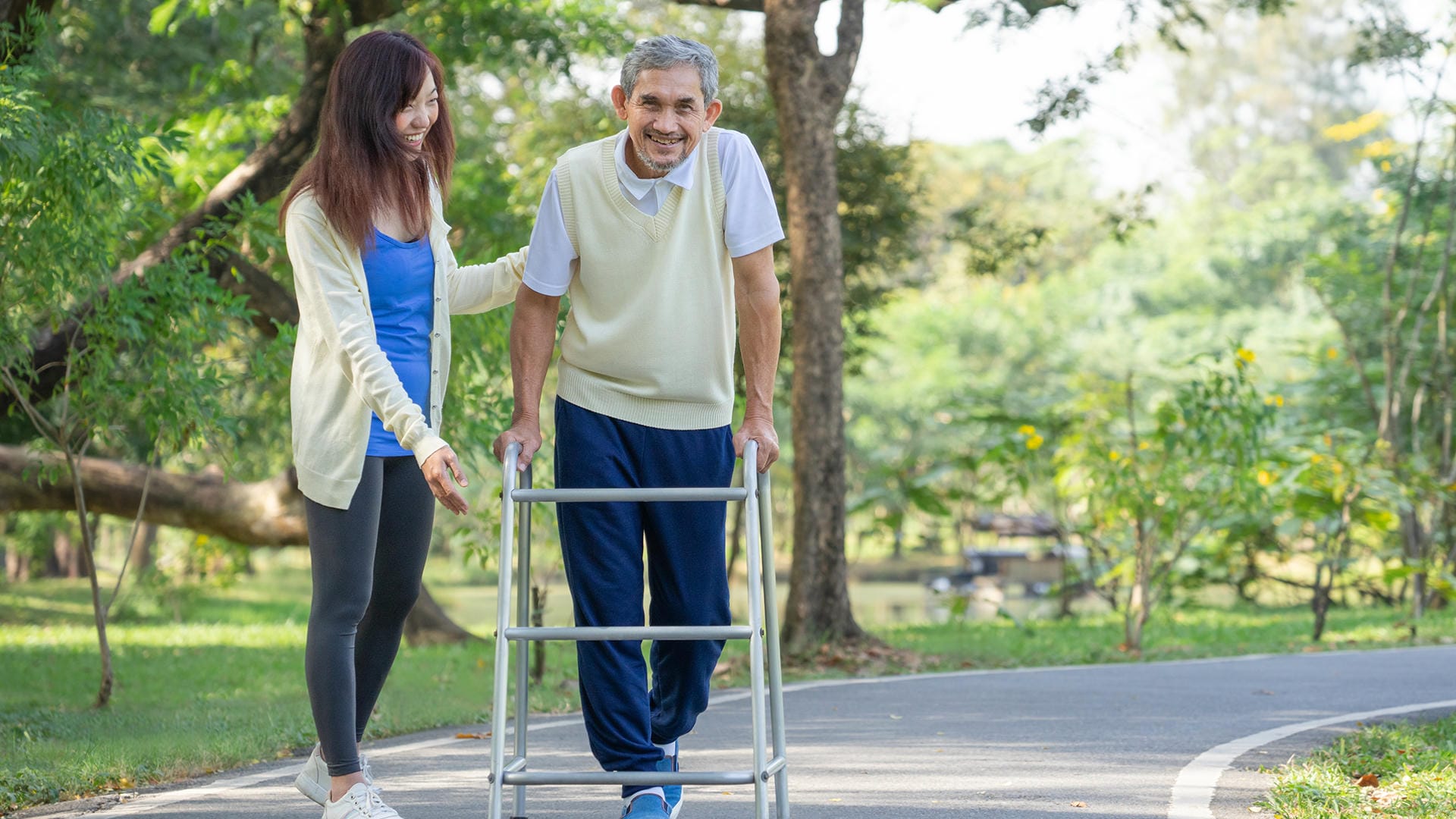
The clinical literature flags a specific threshold: patients who can’t ambulate at least 300 feet by week two face a readmission risk more than four times higher within 30 days. Transitioning off a walker by weeks four to six is the directional goal — not universal, varies by procedure and patient — but programs that don’t have a benchmark at all aren’t tracking the right thing.
What a Strong Orthopedic Rehab After Surgery Program Actually Tracks
Range of motion and strength get most of the attention, but a competent program is tracking other things simultaneously.
Compensatory movement patterns after joint surgery establish themselves quickly. A patient favoring the operated side for too long will develop hip and lower back mechanics that outlast the original injury by years. Gait analysis isn’t a luxury item in a good orthopedic rehab program; it catches substitution patterns before they calcify.
Balance and proprioception. After knee or hip replacement, the body’s positional sensing in that joint is altered. Retraining it is a distinct therapeutic task, not a byproduct of general strengthening.
Discharge readiness has a practical definition. Getting off a toilet seat unassisted. Managing a single flight of stairs. Getting dressed without sitting on the floor. None of that is poetic, but those are the specific capabilities that determine whether someone goes home or stays in a monitored setting. Physical and occupational therapy work together on exactly this, which is why programs that silo the two disciplines tend to miss things.
Between six weeks and the three-month mark, the focus shifts. Strength and coordination take priority over pain management, which should be tapering by then. Low-impact cardio — pool walking, stationary cycling — comes back into the picture. Full recovery for a total knee replacement can run nine to twelve months; hip replacement often moves faster. Neither is a straight line.
Pain Management as a Clinical Discipline, Not an Afterthought
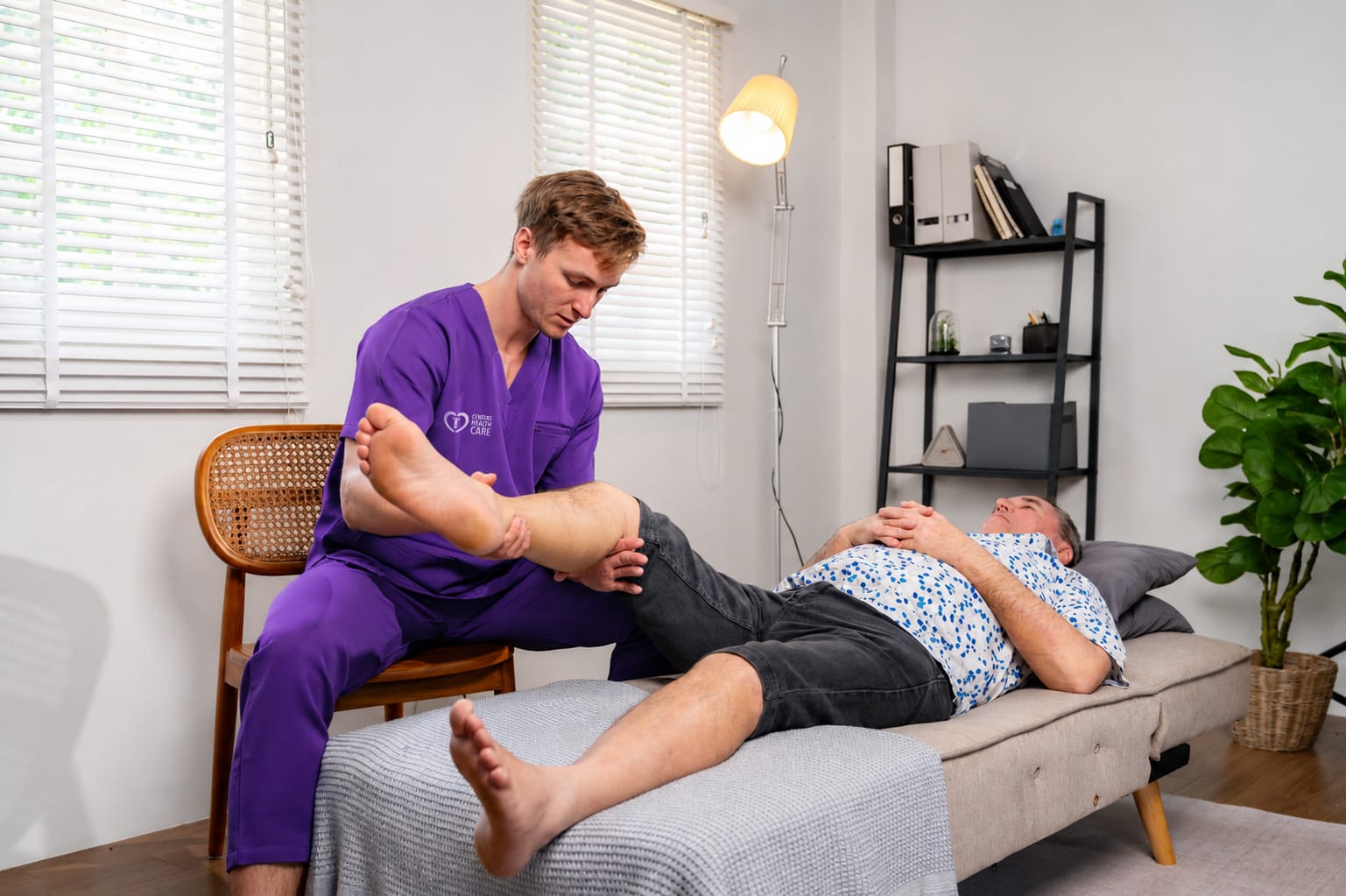
One thing worth saying plainly: pain management in a quality orthopedic rehab program is its own area of clinical expertise. It involves knowing when pain signals healing versus damage, how to titrate medication as function improves, and how to use non-pharmacological tools — therapeutic modalities, positioning, manual therapy techniques — to keep a patient functional without escalating to opioids.
The ERAS protocol research is consistent on this point. Patients in well-managed pain programs use fewer opioids. That’s partly a better patient experience, and partly a clinically significant outcome — opioid-related complications are a documented rehab disruptor. Programs that take pain management seriously as a discipline, not just a comfort measure, tend to produce better functional outcomes by the three-month mark.
Short-Term Rehab and the Discharge Decision
Heading home directly from the hospital after total joint replacement isn’t the right call for most people. Wound status still needs monitoring. Some medications still require clinical administration. The physical demands of even a prepared home environment — stairs, bathroom transfers, getting in and out of bed — can exceed what a patient can safely manage alone in the first week or two. Short-term inpatient rehab exists precisely for this gap.
Time elapsed post-surgery is a poor discharge metric on its own. The real questions are functional: Is wound healing clean? Can the patient transfer without a second person spotting them? Are they managing a flight of stairs? Programs that track those criteria rather than counting calendar days catch patients who look like they should be ready but aren’t — and also catch patients who could go home sooner than the default timeline suggests.
Short-term rehab facilities that coordinate closely between nursing, physical therapy, occupational therapy, and pain management — rather than running those tracks in parallel without communication — consistently show better outcomes. Coordination isn’t a soft benefit. It’s mechanistically why integrated programs outperform fragmented ones.
Orthopedic Rehab at Fulton Center
Fulton Center carries orthopedic care, pain management, and short-term rehab under one roof as part of the Centers Health Care network. That integration matters more than it sounds — a patient’s pain management protocol and physical therapy progression need to be calibrated together, not handed off between departments that don’t talk. For those coming out of joint surgery who aren’t ready to go straight home, Fulton Center is set up to manage the specific demands of that transitional period.
Care. Support. Positive Outcomes. Centers Health Care.
Centers Health Care provides rehabilitation, skilled nursing and long-term care for people with a wide range of needs. Whether someone is recovering from surgery, managing an illness or simply needs more support than can be provided at home, our staff is there to help.
The goal is not exactly the same for everyone. It may be returning home, becoming stronger, staying independent or simply feeling better and more comfortable from one day to the next. There will be progress, setbacks and difficult days along the way. Our job is to be there through all of it, and to help each patient or resident get as far as he or she can.
Sometimes that progress comes in large steps. More often, it comes in small ones. Either way, every step matters.
Our Steps to Home series follows patients through rehabilitation and the journey from hospital to home: