Orthopedic Rehab After Surgery: How Seniors Build Strength Safely

Three feet from the bed to a chair can settle an argument. The walker advances. The operated leg hangs back. Both hands grip harder than they did an hour ago, and sitting down becomes a small engineering project.
The joint may be repaired; the person attached to it is still recovering. Anesthesia, swelling, pain, poor sleep, and the inactivity that often preceded surgery all show up in that short crossing. Orthopedic care and rehab after surgery works with what is there that morning. How much load is permitted? Can the knee hold during a turn? Does dizziness arrive on standing? The thigh was weak. The dizzy spell was worse.
Orthopedic Rehab After Surgery Begins With the Operation’s Rules
A therapist checks the operative report and surgeon’s orders before asking for an extra step. “Weight bearing as tolerated” allows the patient to load the limb within symptoms and control. Partial, toe-touch, and non-weight-bearing orders mean something else entirely. After a shoulder repair, active lifting may be restricted even when the arm feels surprisingly good. Hip precautions can vary with the surgical approach. Fracture fixation brings its own timetable.
This is one reason two seniors with similar-looking scars may have very different sessions. The repair sets the boundaries; age, prior mobility, cognition, heart and lung endurance, and the home layout shape the work inside them. A cane is not a graduation prize. It replaces the walker when gait quality, balance, and the clinician’s assessment support the change.
The First Strength Gains Look Almost Too Small
On day one, the foot rocks at the ankle. The thigh tenses against the bed. A heel inches backward and returns. There may be no dumbbell anywhere in sight. Those modest jobs give the calf, quadriceps, and healing joint something specific to do before heavier work is appropriate.
The knee-replacement guideline published in July 2026 is quite direct on several points. Range-of-motion treatment can mix passive movement with active-assisted and active exercise. Motor training and progressive resistance belong in the plan. For an uncomplicated primary knee replacement, routine use of a continuous passive-motion machine does not.
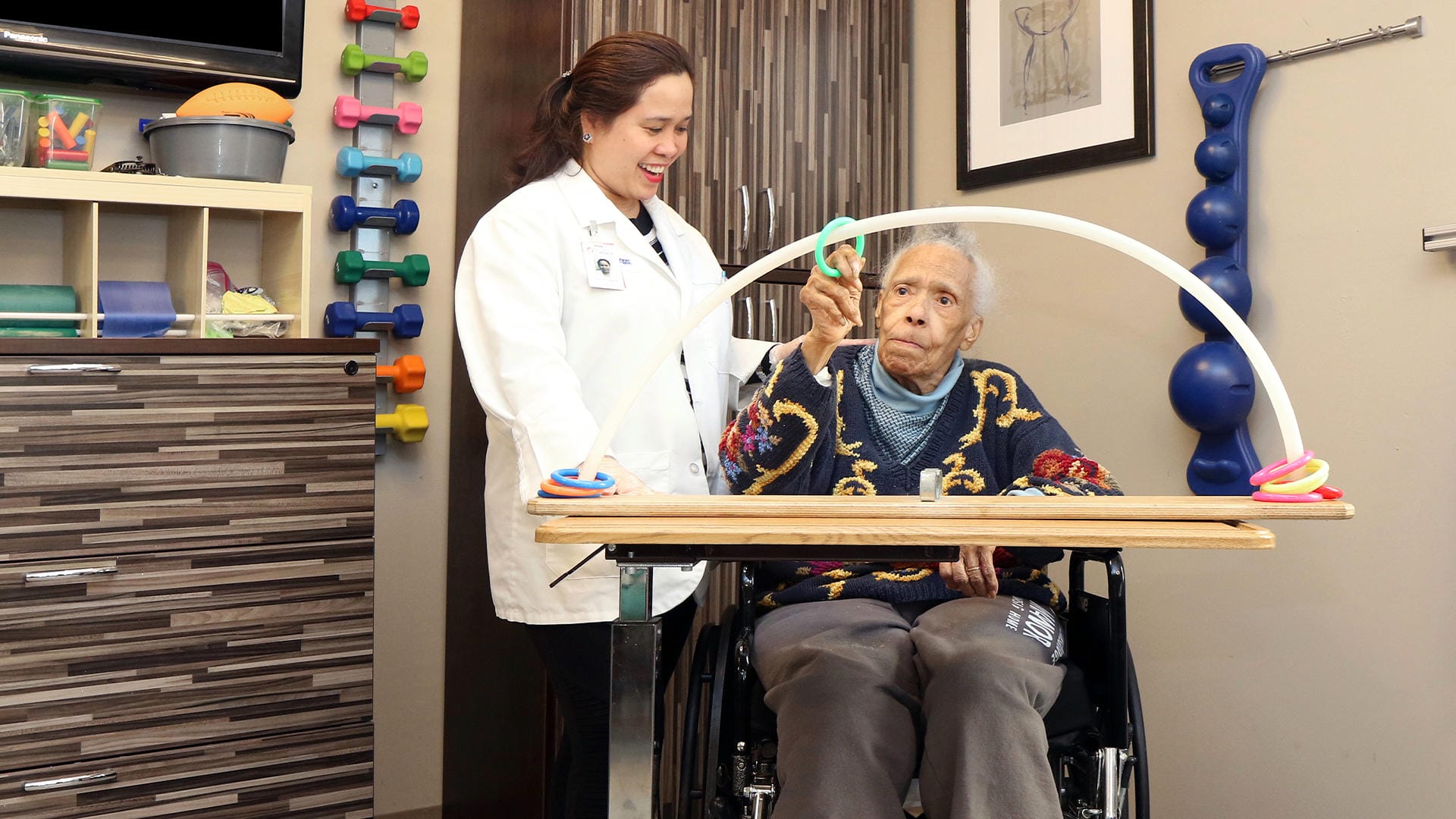
Then the room becomes the gym. Rolling to the bed’s edge, standing from a firm chair, reaching the walker safely, getting on a toilet, and making a controlled turn all expose weaknesses that ten tidy repetitions may miss. Occupational therapy adds the stubborn details: socks, bathing, lower-body dressing, a refrigerator shelf that suddenly seems miles away.
How Orthopedic Rehab After Surgery Gets Measured
“Stronger today” sounds encouraging. It tells the next therapist almost nothing.
A stopwatch can make the picture less fuzzy. How long did five chair rises take? Timed Up and Go has a blunt little choreography: chair rise, three meters out, turn, return, sit. Gait speed and a goniometer reading add two more numbers. The awkward parts belong in the record as well: a backward shove into the chair, one knee dodging the load, six nervous steps around the turn.
Then there is the Borg scale, numbered from 6 through 20 for reasons few patients find intuitive. Patients generally call 11 “light.” At 13, the usual description is “somewhat hard.” No therapist reads that answer in isolation. Blood pressure, pulse, breathing, symptoms, and the recovery after activity stay on the page beside it. Surgeon’s restrictions and cardiac concerns have the final word. “I’m tired” now has some edges.
Pain, Swelling, and the Incision Have to Be Read Together
At tomorrow’s session, what happened tonight will count. Did the knee settle after rest? Is the dressing still dry? Can the leg accept the same load, or did it buckle on the way to breakfast? A working muscle ache and a new sharp catch do not belong in the same box. Neither do yesterday’s puffiness and a sudden jump in swelling.
Cold treatment may be used for swelling after knee replacement. The 2026 guideline says so, but names no best device, duration, or timetable. That leaves room for the care plan, skin checks, sensation, circulation, and a barrier between cold and bare skin.
Certain changes end the exercise discussion. Write them beside the phone if need be: an incision growing redder, new drainage, fever, pain veering worse. Report those promptly. A tender or reddened calf, especially with fresh one-sided swelling, brings a clot into the question. Chest pain? Breathing suddenly short? Call emergency services right then.
The Walker Is Part of the Treatment
A walker parked across the room is decorative furniture.
Safe rehab includes hand placement before standing, enough space for the device to move, heel-first contact when instructed, and turns without planting the foot and twisting over it. Stairs are practiced according to the patient’s operation, weight-bearing status, railing, and home setup. New York State’s fall-prevention guidance emphasizes stronger legs and better balance; after surgery, both have to be rebuilt while the person is already moving through daily life.
Families can help by clearing loose rugs and cords, bringing often-used items between waist and shoulder height, and providing a firm chair with arms. They should not pull someone up by the hands, abandon the prescribed device because the hallway is narrow, or add repetitions on a good afternoon. Enthusiasm has caused its share of next-morning swelling.
A Safe Plan Leaves Room for Bad Days
Recovery rarely climbs in a straight line. Last night’s sleep ran thin. The morning medicine left the patient woozy. Outside, an August afternoon in New York turned six sidewalk minutes into plenty. That session can move indoors. Chair transfers, standing time, walker placement, one troublesome turn; there is work available without chasing distance.
A useful plan names the exercise, repetitions, help needed, equipment, restrictions, and reasons to stop. It also says whom to call. Before discharge, hand the instructions back to the senior and family. Ask them to show the transfer and describe tomorrow’s routine aloud. A polite nod has fooled more than one busy room.
Care. Support. Positive Outcomes. Centers Health Care.
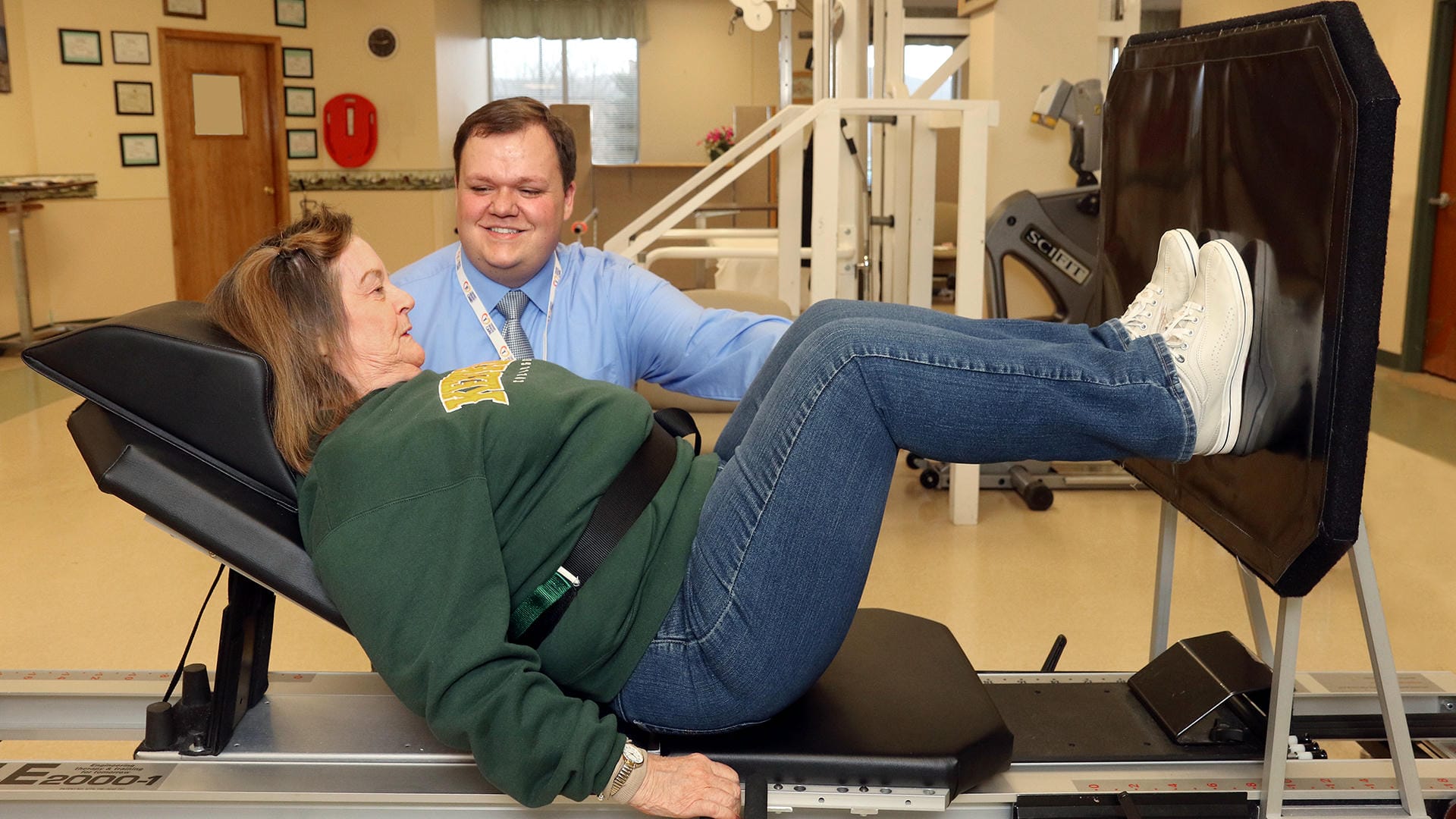
At Holliswood Center, a repaired joint is one entry on a rather busy list. The orthopedic and short-term rehab work reaches into the hallway, bathroom, bedside, and eventually the front door. Nurses keep an eye on the incision. Therapists work from the surgical restrictions while testing transfers, walking, endurance, and ordinary daily tasks.
Some people arrive with cardiac concerns that affect exercise tolerance. Others need additional wound monitoring, more time, or long-term care. The destination is individual. One resident may be working toward a front stoop and a familiar kitchen; another may be trying to stand with less help or sit comfortably through a family visit.
Progress sometimes shows up in a measurement. Sometimes it is the first calm turn with a walker after three anxious attempts.
Steps to Home
The Centers Health Care Steps to Home approach keeps discharge in view throughout rehabilitation. The team practices the tasks the senior will actually face, reviews equipment and precautions, coordinates with family, and watches for gaps that could turn into trouble after arrival. Home is more than an address on a form. It is a particular bed height, bathroom doorway, set of stairs, medication routine, and Tuesday morning.
Our Steps to Home series follows patients through rehabilitation and the journey from hospital to home: