Pain Management During Summer Rehab: Helping Therapy Stay on Track
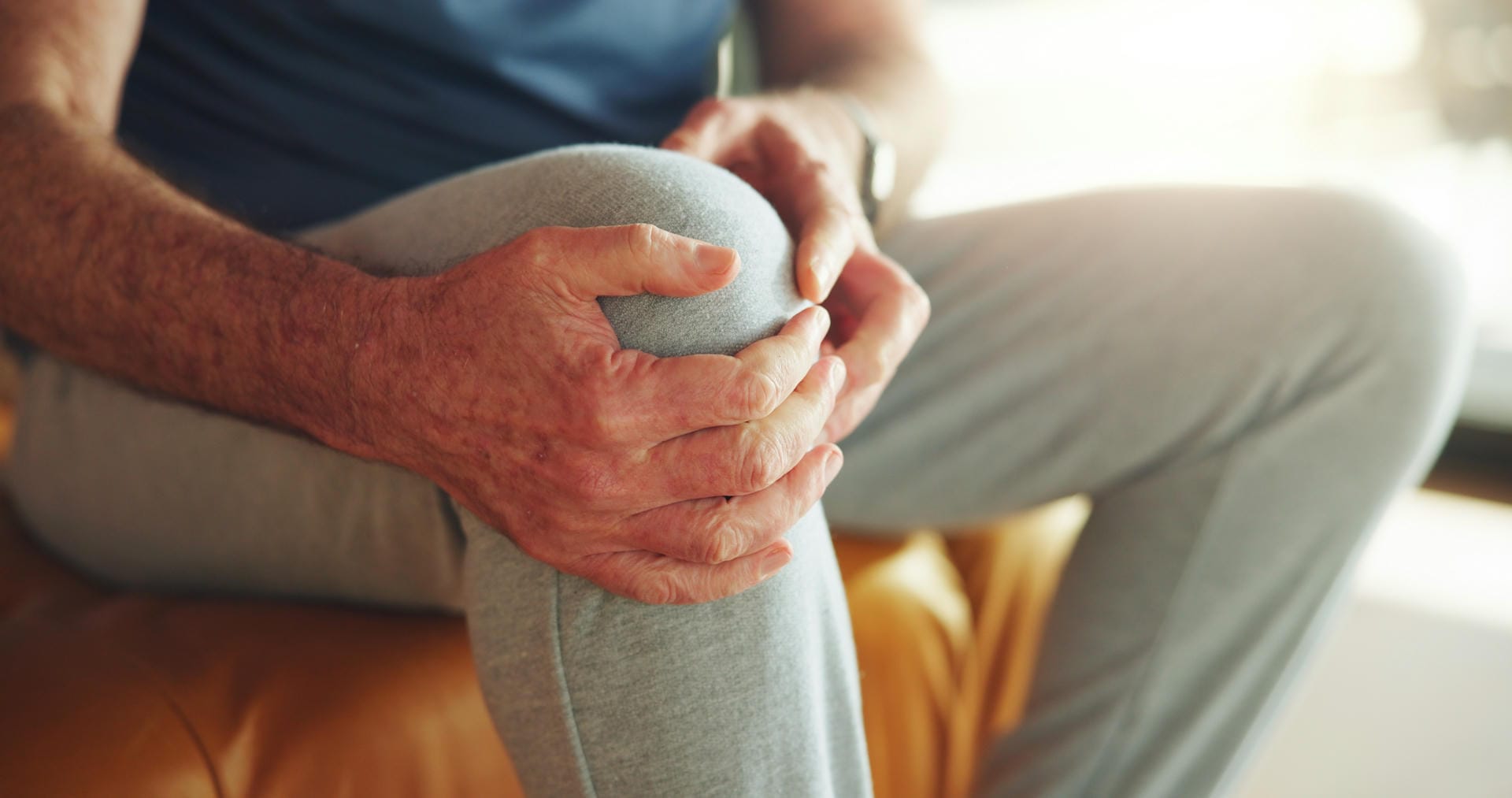
A knee that behaved fine in March can turn on you by July. Nobody plans for that. Synovial fluid gets sluggish in heat, joints swell more than patients expect, and a therapist who built a clean six-week gait plan in spring finds herself renegotiating it mid-summer because the patient’s pain tolerance dropped along with the barometric pressure.
Pain management during rehab gets treated like a footnote sometimes. It isn’t one. A patient guarding a hip, bracing through every transfer, breathing shallow through a set of reps — that’s not low motivation, that’s an unmanaged nervous system overriding whatever goals got written down at intake.
Opioids fell out of favor for a reason most people skip past: a sedated patient doesn’t do PT well. Grogginess and balance work don’t mix, and a fall during a transfer sets a patient back further than the pain itself would have. So units around New York lean multimodal now — acetaminophen on a schedule, NSAIDs when cardiac status clears it, nerve blocks for the right post-surgical candidates. Cryotherapy gets used more than people assume. TENS units show up in treatment rooms next to mats. Some therapists build paced breathing into the rougher stretches of a session, which sounds soft until you watch it actually lower someone’s guarding mid-rep.
Stroke recovery breaks the model entirely. Central pain syndromes don’t map onto a standard 1-to-10 scale — patients describe burning, electrical jolts, sensations that don’t correspond to tissue damage in any way a numeric scale captures cleanly. Clinical staff adjust how they document this rather than forcing every chart into the same format. It’s messier. That’s the honest version.
Cardiac rehab brings its own complication. Chest wall soreness after a sternotomy responds to positioning and breath control in ways medication timing alone won’t fix, and the spikes tend to hit right before exertion phases — not at rest, which means therapists end up watching the clock almost as closely as the pain scores.
Where Summer Actually Changes the Math
Humidity does something to lower-extremity swelling that’s well documented anecdotally even if the mechanism isn’t fully nailed down — patients who sit more, especially those with limited mobility, retain more fluid in heat. A short-term rehab patient discharging in July starts from a different inflammatory baseline than one leaving in February. Staff who’ve worked both seasons notice it without needing a chart to confirm it.
Hydration plays into this too, and it’s underrated. Mild dehydration — common, especially among older adults who under-drink reflexively even when prompted — lowers pain threshold and accelerates fatigue mid-session. Some rehab units in 2026 have started tracking fluid intake alongside pain logs during summer months. Treating them as one variable instead of two separate boxes to check.
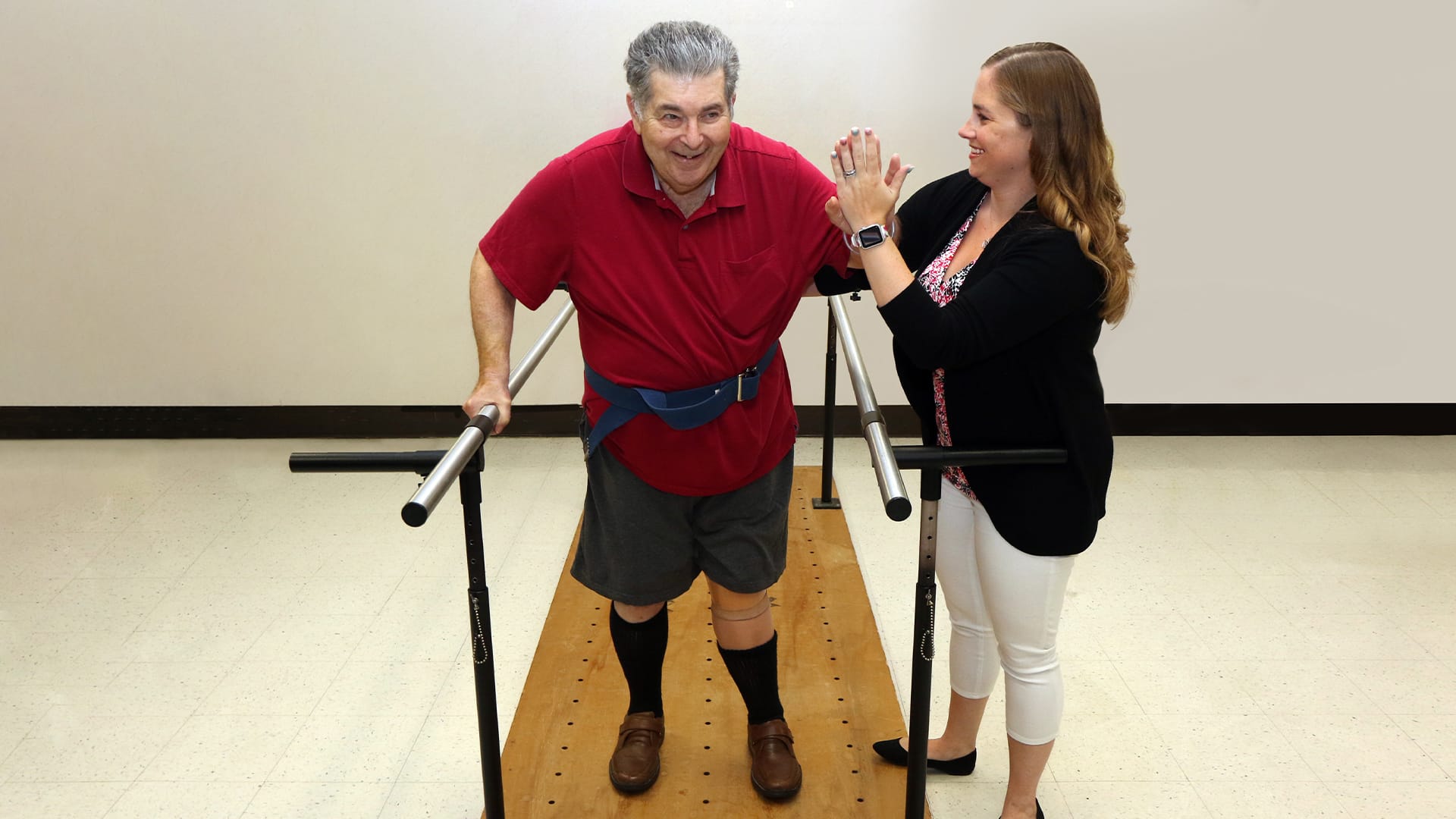
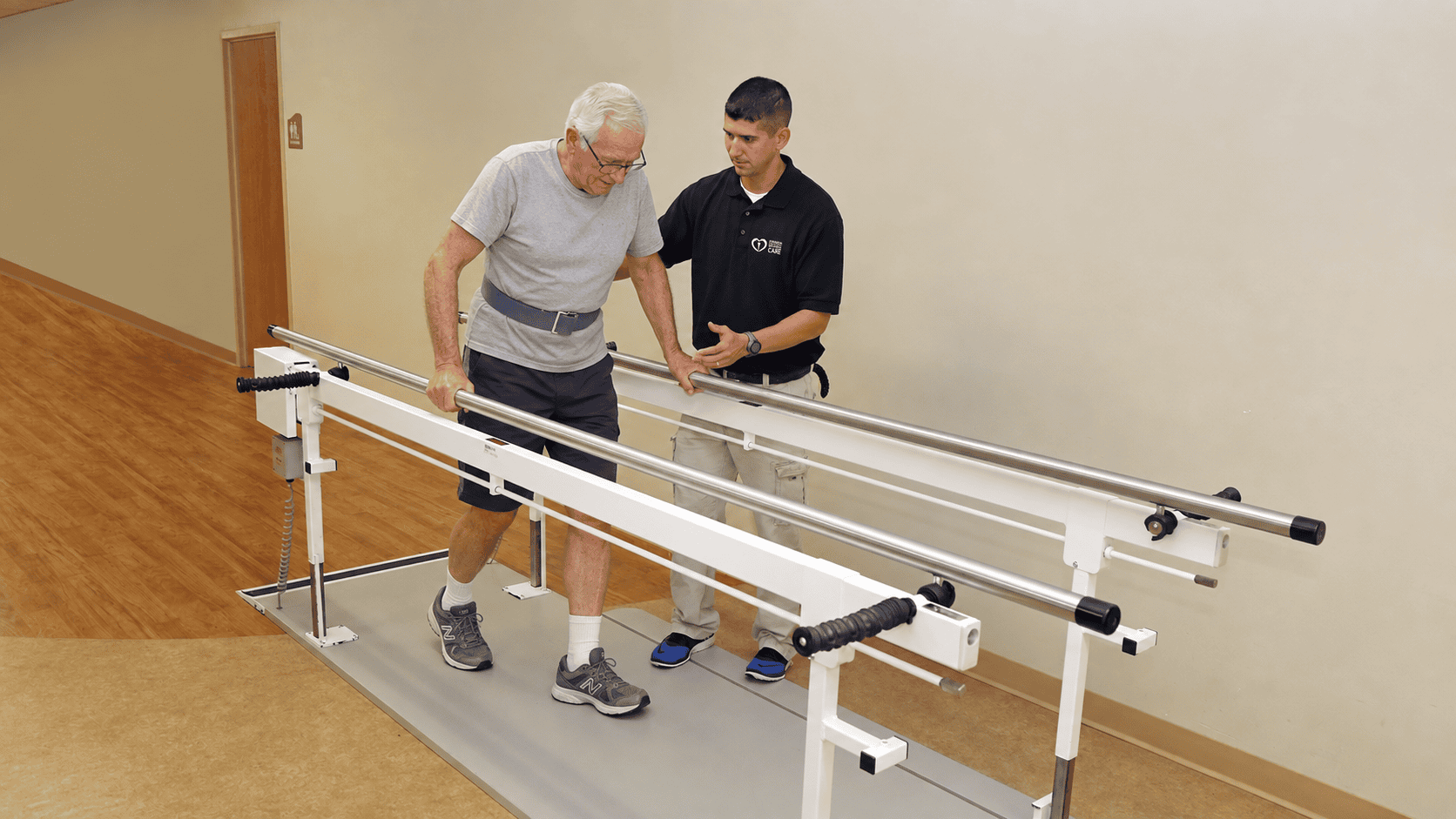
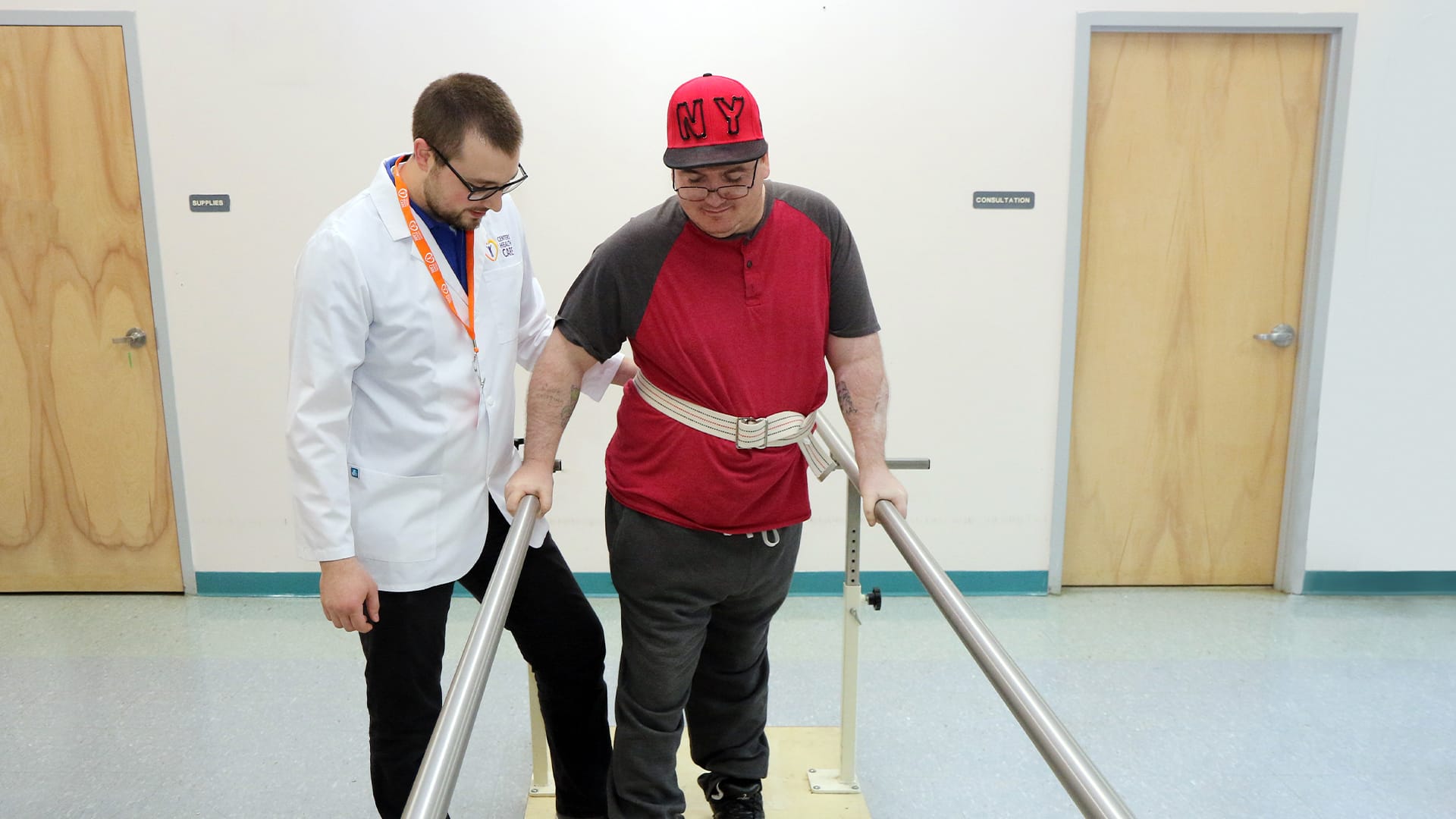
Pain management during rehab shows up in small, almost boring ways when it’s working right. A patient finishing a full set without bracing on the parallel bars. Someone reporting a 3 instead of a 7 before a transfer. Sleep returning, which sounds unrelated until you watch a poorly-rested patient arrive at 9am therapy already guarded and stiff before anyone’s touched them.
Discharge planners read these as functional markers, not comfort metrics — a patient who can’t tolerate forty-five minutes of PT isn’t leaving on schedule, full stop. Pain control isn’t running parallel to rehab. It’s underneath it.
New York orthopedic surgeons have pushed earlier into preemptive pain protocols heading into 2026 — starting multimodal regimens pre-surgically instead of reacting after the fact, trying to blunt the post-op pain cascade before it sets in. Facilities receiving these patients downstream get a head start when that upstream protocol held. Therapists notice it in how fast early mobility work gets tolerated.
Bushwick Center
Bushwick’s rehab population skews mixed — younger orthopedic cases alongside older adults working through cardiac recovery or stroke-related deficits, and the pain management approach at Bushwick Center has to flex across both. Staff coordinate medication timing with positioning strategy and therapy scheduling so that a heat wave doesn’t quietly undo a week of progress. Cardiac care, stroke recovery, orthopedic rehab, and wound care all run through that same pain management lens, with long-term care available for residents whose needs go past a short-term stay. Full service details live at the Bushwick Center facility page.
Care. Support. Positive Outcomes. Centers Health Care.
Centers Health Care provides rehabilitation, skilled nursing and long-term care for people with a wide range of needs. Whether someone is recovering from surgery, managing an illness or simply needs more support than can be provided at home, our staff is there to help.
The goal is not exactly the same for everyone. It may be returning home, becoming stronger, staying independent or simply feeling better and more comfortable from one day to the next. There will be progress, setbacks and difficult days along the way. Our job is to be there through all of it, and to help each patient or resident get as far as he or she can.
Sometimes that progress comes in large steps. More often, it comes in small ones. Either way, every step matters.
Our Steps to Home series follows patients through rehabilitation and the journey from hospital to home: