Pain, Mobility, and Rehab: Helping Seniors Return to Daily Activities

Ask a physical therapist what the hardest week of short-term rehab is and most won’t say the first one. The first week people are still scared enough to listen. It’s week three, once the hip stops throbbing and the patient decides they feel fine, that things fall apart — someone tries to stand up alone at 2 a.m. for the bathroom, or skips the cane because the room “isn’t that far.” Glens Falls Center builds its rehab for mobility program around that exact stretch, not just the dramatic early days after a fall or a stroke.
Orthopedic cases and stroke cases don’t behave the same way, and treating them like they do is how programs fail people.
Rehab for Mobility Looks Different for a Broken Hip Than a Stroke
A hip fracture patient usually knows, on some level, what recovery is supposed to feel like. The surgeon sets weight-bearing limits, therapists build a gait plan on top of that. The arc is fairly linear even when it’s slow: walker this month, cane by next, maybe nothing by the time the weather turns. Stroke recovery doesn’t cooperate like that. The NIH Stroke Scale gets used early to sketch out where the deficits actually are, because “weakness on one side” can mean six different things depending on what part of the brain took the hit. From there therapists lean on the Berg Balance Scale and the Tinetti assessment, less to hand someone a score and more to decide, day by day, what’s safe to attempt.
Families are often surprised by how much early mobilization changes the outcome. Getting a patient upright within a day or two of being medically cleared isn’t optional anymore; a week flat on a hospital mattress can strip more strength than a full month of therapy puts back.
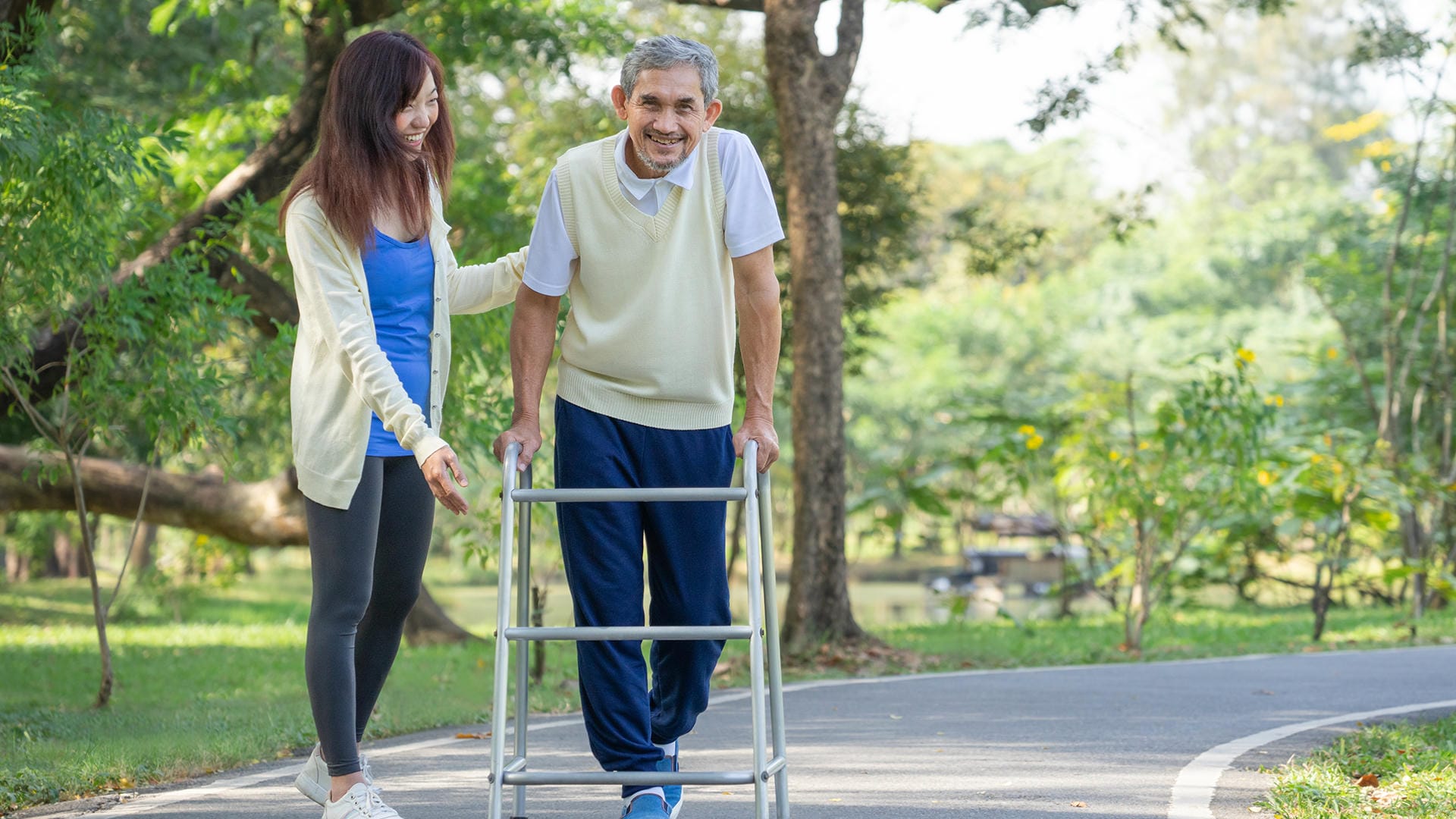
Warren County in August helps, honestly. Longer daylight, dry sidewalks, curbs you can actually practice on instead of hallway substitutes. Therapists here push outdoor gait work whenever the season allows it, because walking to a mailbox and walking a hallway are not the same skill, whatever a chart says.
Progress does get tracked with something more concrete than a gut feeling: Functional Independence Measure scores, taken at admission and rechecked through the stay, covering things like transferring, dressing, managing stairs. Numbers don’t replace watching someone walk. They just catch what a good day or bad day can hide.
Pain That Isn’t Handled Right Stops Rehab Before It Starts
Nobody pushes through a hard therapy session on unmanaged pain. That’s not toughness, that’s just how bodies work. The team leans multimodal — non-opioid medication scheduled around the clock where it fits, ice or heat depending on the tissue, positioning adjustments, and dosing timed to land before therapy instead of after someone’s already given up on the session. Patients who can self-report use the Numeric Rating Scale. Patients with dementia or significant cognitive impairment get watched instead, for grimacing, guarding, changes in appetite. A scale from one to ten can’t ask them directly.
Here’s the part that surprises people: too little pain control and too much sedation cause the identical outcome. A patient who’s overmedicated can’t participate any better than one who’s in agony. Both leave someone sitting in a chair instead of standing at a walker.
Skin Breakdown Is a Mobility Problem Wearing a Wound Care Disguise
A pressure injury on a heel doesn’t sound like it should derail a hip recovery, but it does, constantly. Risk gets flagged using the Braden Scale on the way in, then reassessed on a schedule because the risk factors — poor mobility, moisture, weak nutrition — describe most rehab patients almost by definition. Offloading boots, repositioning schedules, and negative pressure wound therapy in tougher cases all come into play. Families rarely think about protein until it becomes the missing piece; a body trying to rebuild skin and rebuild strength at the same time needs fuel for both jobs, and there isn’t enough to go around if intake is low.
Nobody Can Promise a Length of Stay, and Be Honest If They Do
Two patients with the identical diagnosis can leave on entirely different timelines, and it usually comes down to what’s waiting for them at home. Stairs change everything. Living alone changes everything. So does how the body actually responds once therapy starts, which nobody can predict from an admission chart alone. Physical therapy, occupational therapy, and speech-language pathology — when swallowing or communication took a hit — work toward the same functional goals but stay separate disciplines, syncing up through team meetings rather than each charting its own private course.
Care. Support. Positive Outcomes. Centers Health Care.
Glens Falls Center provides orthopedic care, pain management, short-term rehab, stroke care, and wound care for people recovering from surgery, illness, or injury who need more support than they can get at home alone.
The goal isn’t the same for every patient walking through the door. Some are aiming to go home outright. Others just want the stairs back, or a steadier version of tomorrow than today. Progress happens alongside setbacks, and some days are harder than others regardless of how the chart looks. What the team can promise is showing up through all of it and helping each patient or resident get as far as they’re able.
Sometimes that’s a big leap forward. Most of the time it’s smaller. Every step still counts toward the same finish line.
Steps to Home
Planning for discharge doesn’t wait until the week someone leaves. The team maps a patient’s actual house early — how many entry steps, where the bathroom sits, who’s around on a Tuesday afternoon if help’s needed — and shapes the last stretch of therapy around that reality instead of a generic goal. Family training, equipment recommendations, and a follow-up plan with outpatient or home-based therapy fill out the rest. None of it guarantees a smooth landing. It just gives the mobility built inside the building an actual chance once the front door shuts behind them.
Our Steps to Home series follows patients through rehabilitation and the journey from hospital to home: