Pulmonary Rehab Program After a Tough Winter: When Respiratory Therapy Can Help Recovery
March came and the worst of it passed. The fevers broke, the hospitalizations slowed, the pharmacy lines got shorter. But plenty of people — older adults especially — walked out of hospitals and nursing units still not quite right. Breath-wise. Endurance-wise. The ability to cross a room without needing a minute to recover.
That didn’t fix itself by spring.
New York had a genuinely rough respiratory season. The state health commissioner declared influenza prevalent statewide in early December 2025, which is basically an official acknowledgment that things were already getting bad. By January, CDC data was showing the highest combined respiratory hospitalizations of the entire 2025–26 season in a single week — flu, COVID, and RSV all pressing on the system at once. New York’s own surveillance reports documented 22 active respiratory outbreaks in nursing homes during peak periods. For residents who already had reduced lung capacity going into winter, that’s not just a rough few weeks. That’s a potentially lasting setback.
Influenza B was the dominant strain here. It carries real risk of secondary bacterial pneumonia. That inflammation — if it settles in, if it goes partially untreated, if someone spent days immobile in a hospital bed — can leave airways compromised well past the point where a patient is officially “recovered.”
The gap nobody prepares families for
Nobody tells you this part. The hospital discharges someone, the paperwork says “recovered,” and then you get home and realize climbing one flight of stairs leaves them gripping the railing and waiting. Lung function doesn’t snap back just because the fever broke. For a lot of older adults coming out of a serious winter illness, what they’ve got left is meaningfully less than what they walked in with — and nobody’s scheduling a follow-up to address that specific thing. A pulmonary rehab program is built for exactly this gap. Not the acute crisis. The long tail after it.
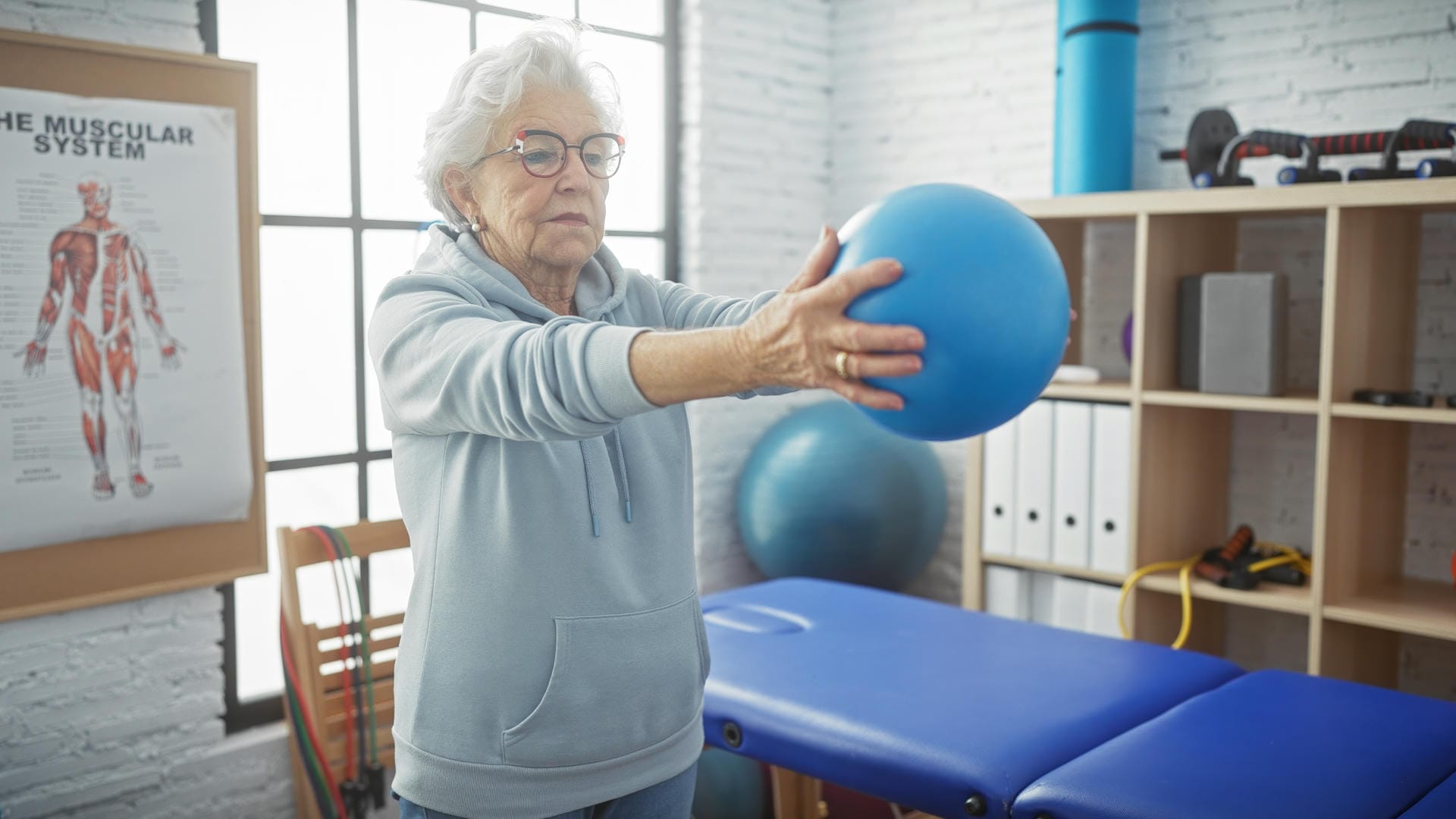
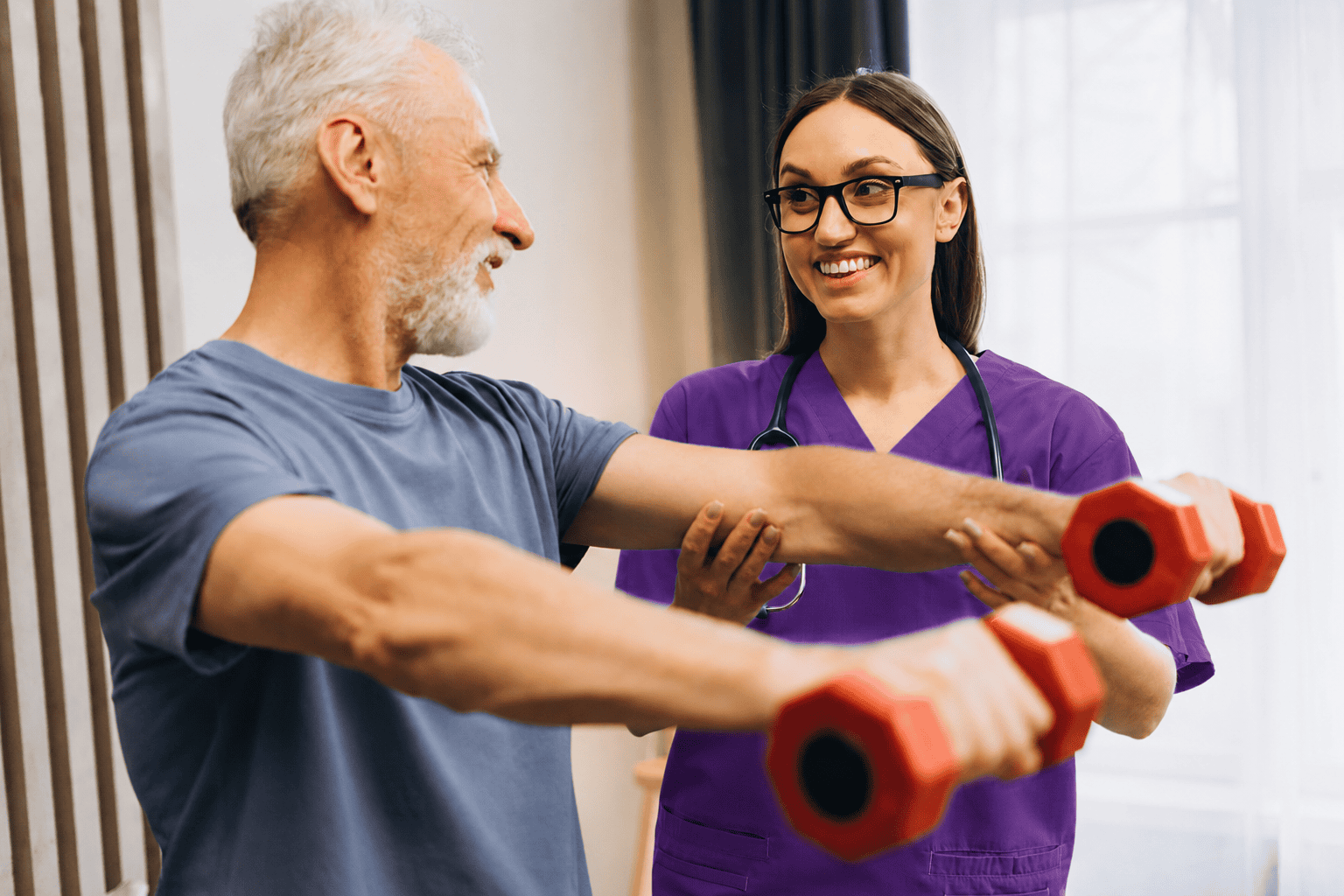
Pulmonary rehab is medically supervised. It’s not just breathing exercises in a hallway. It involves structured, graduated physical activity — treadmill work, resistance training calibrated to what someone can actually tolerate — alongside direct instruction in breathing techniques. Pursed lip breathing sounds almost too simple to matter. It does matter. So does learning to pace exertion before the body starts compensating badly — that shallow, rapid pattern that kicks in when someone’s scared and winded is actually making things worse, and it becomes a habit fast. Respiratory therapists work on breaking it. Medication is the other piece that gets fumbled constantly. Someone leaves the hospital with two inhalers, a rescue and a maintenance, and genuinely has no idea which is which or whether they’re using either correctly. That’s not a knock on patients — the discharge process moves fast and breathing instruction rarely survives it intact.
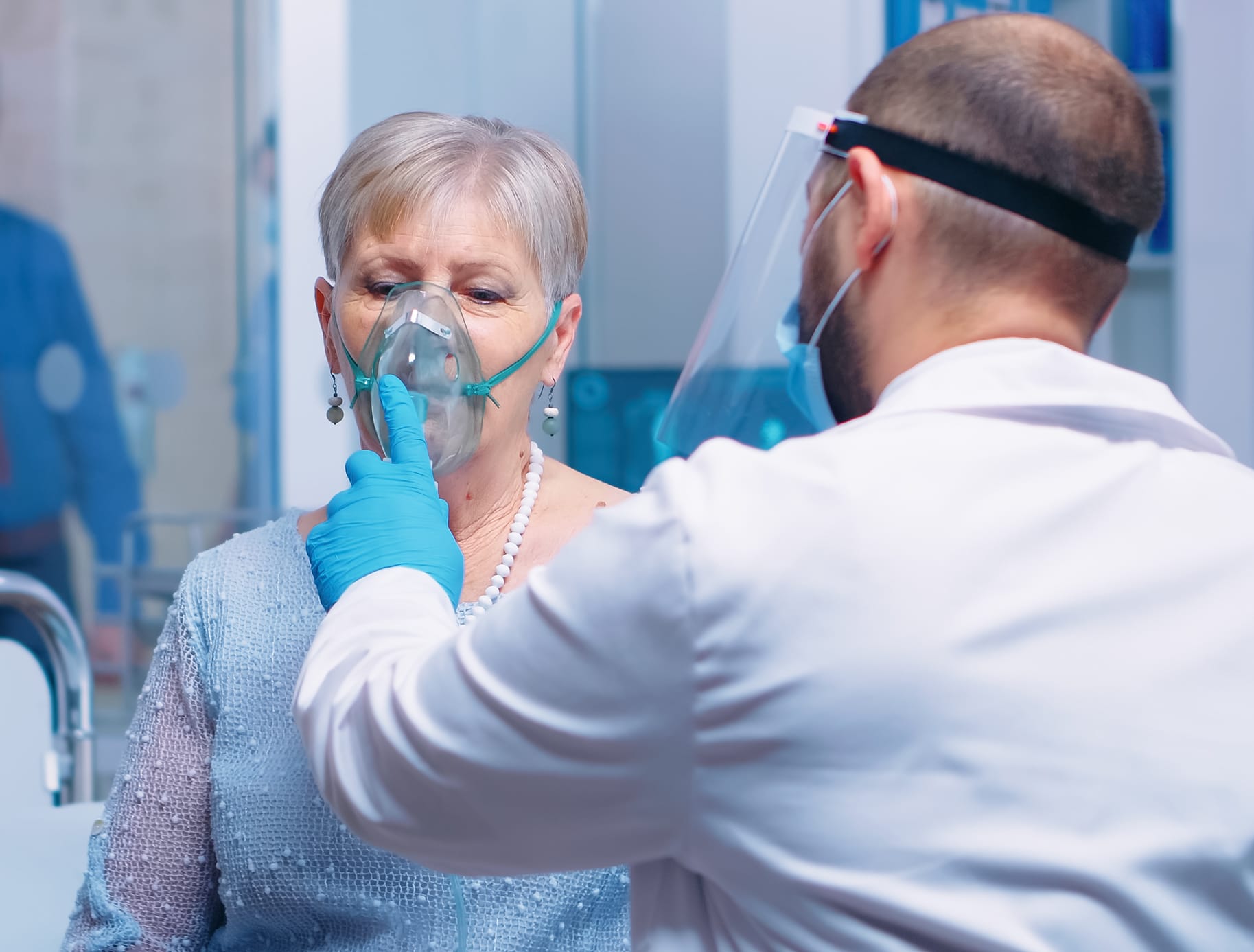
The conditions it’s formally designed for include COPD, emphysema, chronic bronchitis, pulmonary fibrosis, and bronchiectasis. Post-viral respiratory decline — the kind of functional loss that follows a bad flu, a COVID hospitalization, or a bout of pneumonia — increasingly gets addressed within these programs too. Patients who needed supplemental oxygen during their illness, who had anything involving the lower respiratory tract, who are still satting low on exertion weeks later: these are the people a pulmonary rehab program is meant for.
Why outpatient isn’t always the first move
The standard outpatient model — go to a clinic twice a week, do your sessions, drive home — works for patients who have the stamina and independence for it. A lot of people coming out of a winter hospitalization don’t. Not yet.
Getting to an outpatient clinic requires things a lot of post-hospitalization patients don’t have yet. A reliable ride. Enough energy that the trip itself doesn’t wipe them out before therapy starts. Family availability on whatever days the clinic runs. Strip those away and the rehab doesn’t happen, or happens inconsistently, which is almost the same thing. A skilled nursing facility removes the logistics entirely — therapy is there, the patient is there, the clinical staff watching are there. A drop in oxygen mid-session gets caught because the therapist is standing there. With outpatient, what happens between visits stays between visits.
Respiratory recovery is not linear. Someone can do well three days running and then hit a wall on day four for no obvious reason. Outpatient settings don’t catch that. The therapist sees what happens during the session and that’s it. In a facility where respiratory and physical therapy teams share the same patient, share notes, talk to each other — the program actually adjusts based on what the patient is doing, not what they reported doing. There’s a difference.
When to actually push for this
Pulmonary rehab doesn’t get offered automatically. Families often have to ask. Signs that it’s worth pressing for: persistent shortness of breath on exertion weeks after the acute illness resolved; oxygen saturation that dips with minimal activity; a pre-existing lung condition that the winter illness appears to have worsened; or a physician who cleared someone for discharge but flagged lung function as still below prior baseline.
A pulmonary function test — spirometry — can establish whether capacity has measurably declined since before the illness. That’s a useful starting point. But honestly, even without formal testing, functional signs tell the story. If someone is breathing differently than they were six months ago, if they’re moving less because breathing has become more effortful, the question is worth raising.
The season was hard. The lungs took the hit most directly. Recovery from serious respiratory illness doesn’t follow a neat arc — sometimes it stalls right around the point where patients get sent home and everyone assumes the hard part is done.
A structured pulmonary rehab program, in the right setting with the right team, is often what actually gets it moving again.
Brooklyn Center for Rehabilitation and Healthcare
Brooklyn Center for Rehabilitation and Healthcare is at 170 Buffalo Ave in Brooklyn. Short-term rehabilitation is a core part of what they do, and the RehabStrong program gets shaped around each patient individually — not pulled off a shelf. For someone whose lungs took a hit this winter, that’s worth a call: 718.252.9800.