Rebuilding Strength After Stroke – What Makes Our Therapy Approach Unique
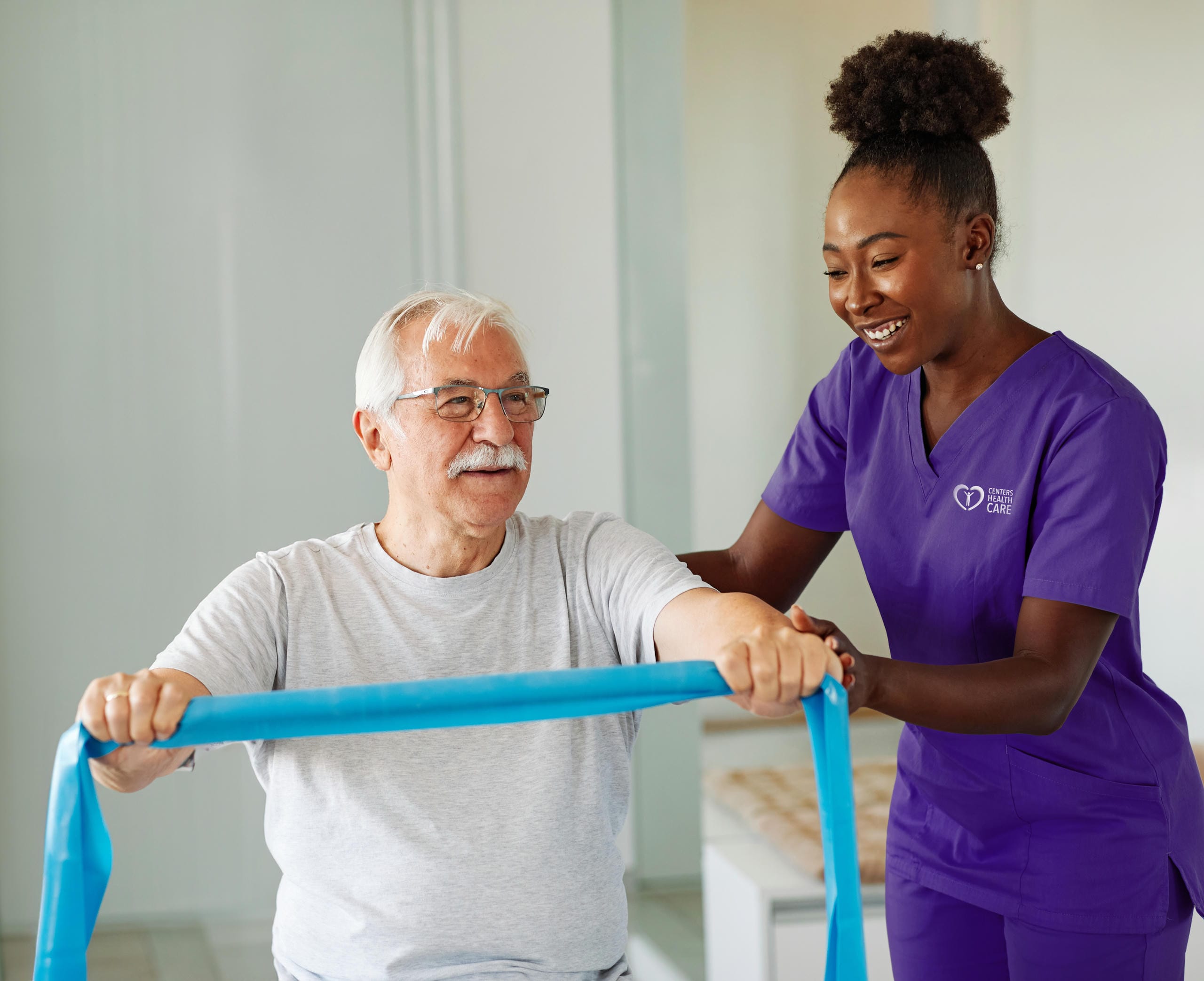
A stroke does not only interrupt a life. It interrupts a routine. Somebody who was getting dressed without a second thought now has to stop and think about balance, buttons, grip, speech, swallowing, even how to turn safely in a bathroom. That is why post-stroke recovery is never really about one thing. This isn’t only about building strength back up. It’s about being able to do ordinary things again without every little move feeling like work. For one person that may mean walking more steadily. For somebody else it’s finding words faster, following a conversation, or managing basic daily tasks without getting overwhelmed.
At Centers Health Care, we try to keep that reality front and center. Not the brochure version of recovery. The real one. The one where a patient wants to stand long enough to brush teeth at the sink, answer a question without losing the word halfway through, or make it from bed to bathroom without feeling like every step is a gamble. That is where our therapy teams begin. We look closely at what changed, what matters most to the patient, and what has to happen first to move forward safely.
That approach matters because post-stroke recovery can be uneven. One person may regain leg strength before hand function comes back. Another may walk fairly well but still struggle with attention, processing, or speech. Sometimes the problem that throws a family most is swallowing. Nobody sees that one coming until meals start taking twice as long, or stop feeling safe. In other cases, a patient may look better physically but still have trouble organizing steps, making quick judgments, or keeping up with normal conversation. Those issues are part of stroke rehab too. They affect real life at home, which is why therapy has to deal with more than movement alone.
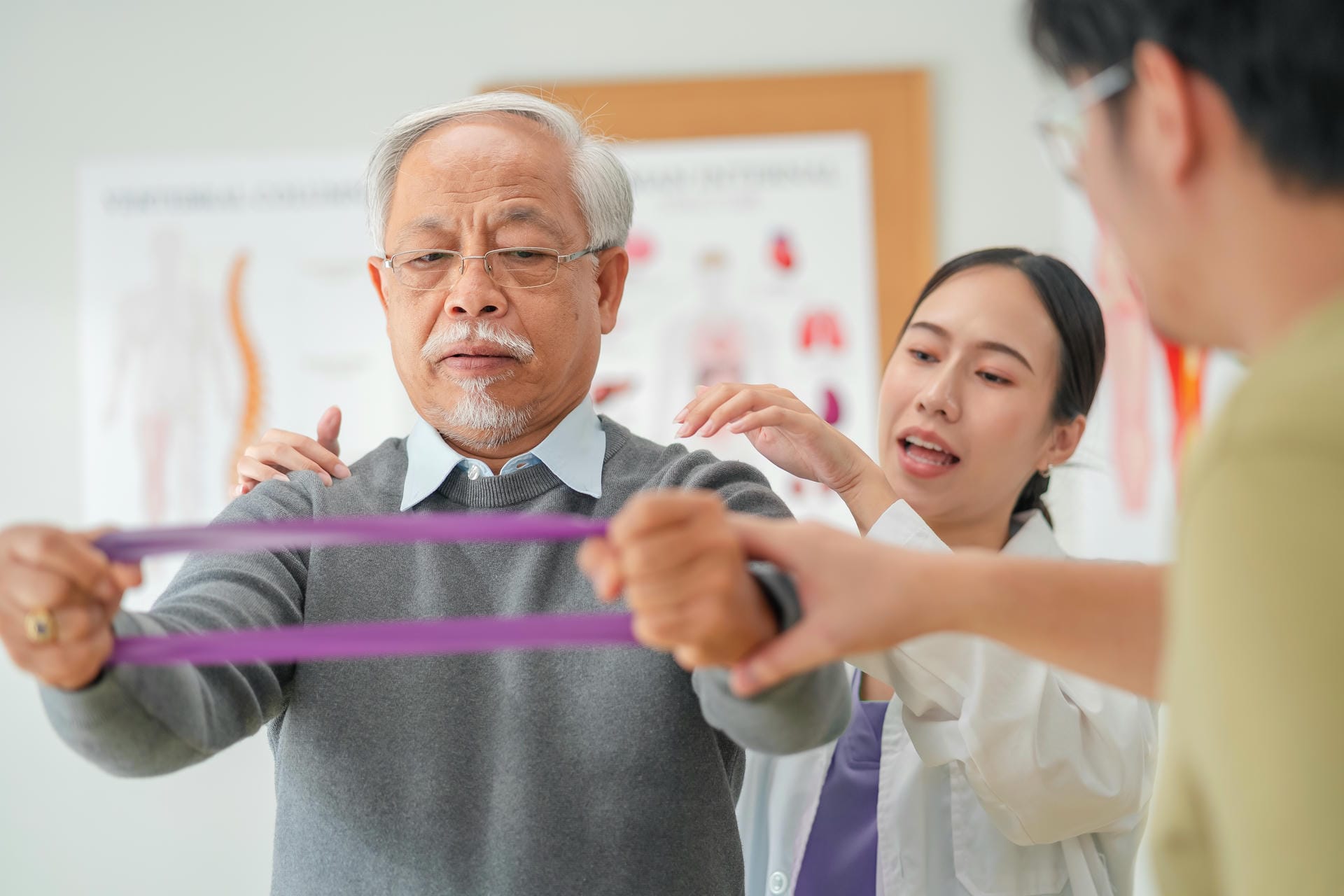
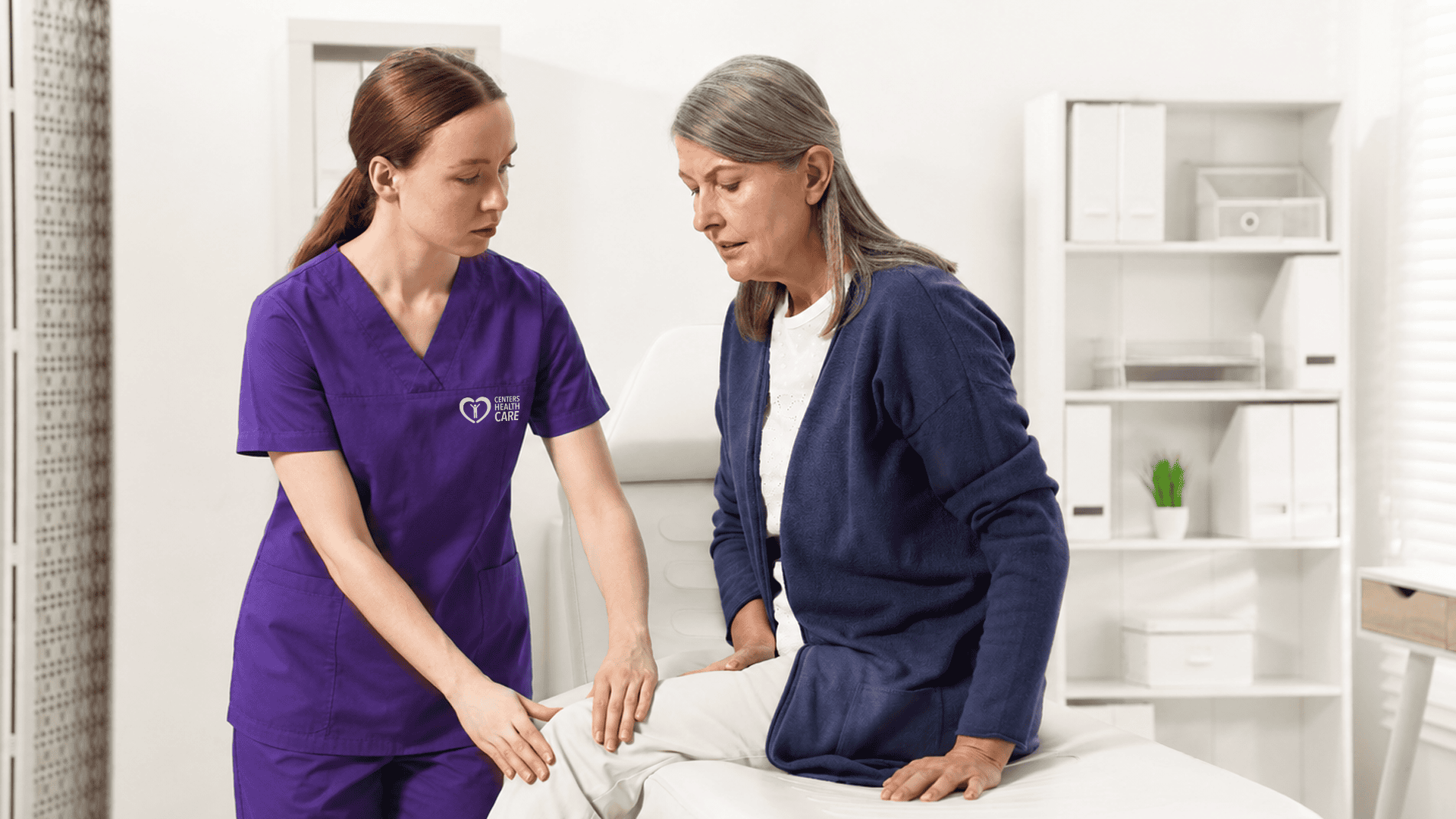
That’s why stroke rehab here is handled across several therapy disciplines instead of in a silo. Physical therapy works on walking, balance, transfers, stamina, and safer movement from place to place. Occupational therapy gets into the everyday stuff people notice fast once it becomes hard — getting dressed, bathing, grooming, reaching, using the hands better, and managing normal routines with less help. Speech therapy may address communication, memory, thinking, voice, and swallowing. Taken together, it gives the patient something more useful than a general rehab plan. It gives them work that matches the problems they’re actually dealing with.
You can feel the difference when therapy is tied to daily function instead of generic exercise. If a patient’s goal is getting in and out of a car, therapy should look like that. If home has tight turns, a narrow bathroom, a few steps at the entrance, or a spouse who will be helping with transfers, those details should shape the work. The American Stroke Association’s guidance for living at home after stroke makes the same point from another angle: rehab should focus on daily tasks like eating, dressing, bathing, moving around safely, and preparing the home environment for independence.
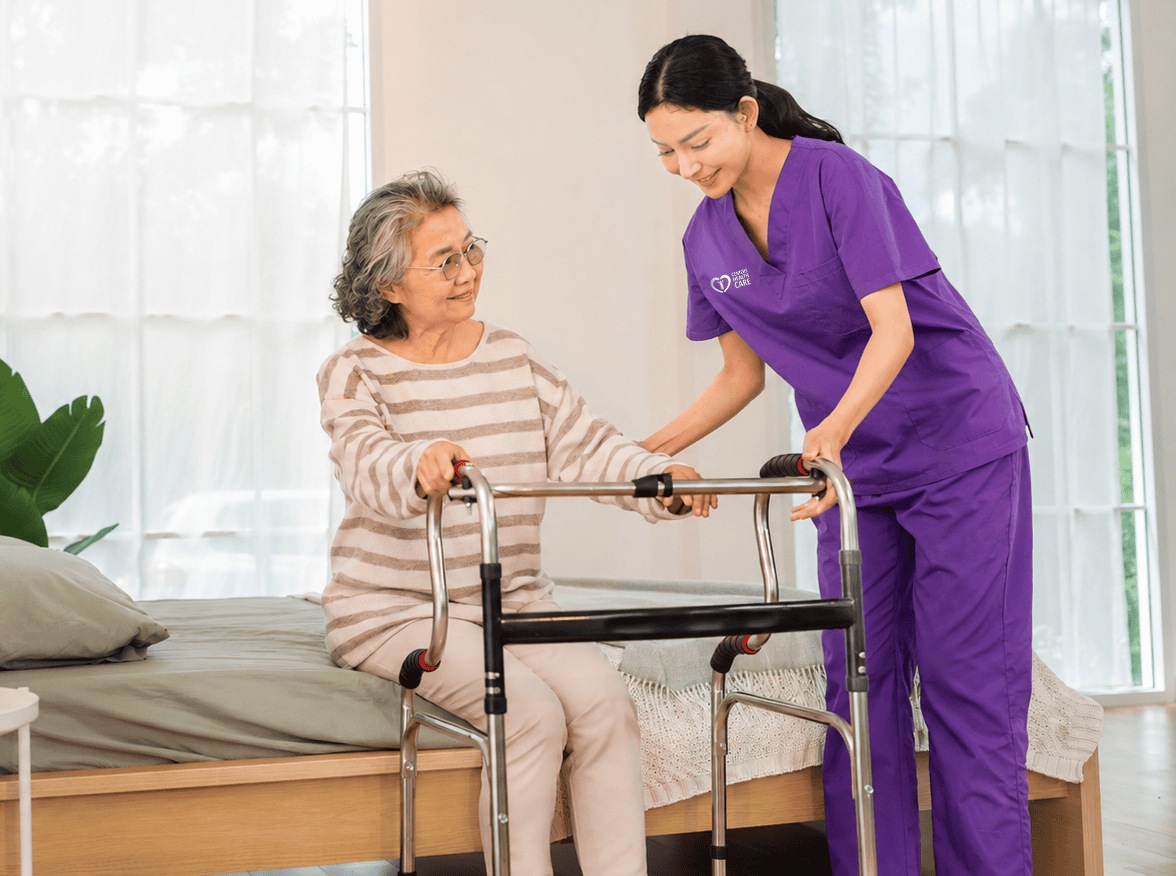
Another part of the Centers approach is consistency. Post-stroke recovery usually goes better when patients keep practicing, keep moving, and keep building on what they did the day before. That is one reason our 7-day therapy model matters. It helps patients stay in rhythm. Progress is tracked. The plan gets adjusted. Small wins do not get brushed off because those small wins are often what lead to the bigger ones. A safer transfer. Better posture at the edge of the bed. Clearer speech at lunch. A steadier turn with a walker. Those moments count.
We also use technology when it actually serves the rehab goal. That may include balance tracking and tools like BlazePod to work on reaction time, visual scanning, stepping accuracy, and attention. The point is not to make therapy look futuristic. The point is to give therapists another way to challenge timing, movement, and coordination in a way patients can feel and track. For some people, that means working on clean foot placement. For others, it may mean responding faster, scanning more accurately to one side, or managing movement while distracted. When it is done right, the technology supports the therapist. It does not replace the therapist.
Family involvement matters more than people realize at first. Recovery does not pause when the session ends. It carries over into the rest of the day too — during meals, transfers, family visits, phone calls, and the planning that comes before discharge. Caregiver support and the amount of rehab a person gets can make a real difference in how recovery goes. It also notes that the first few months after stroke are often especially important, even though gains can continue well beyond that. That is why we involve families throughout the process and not only at the end, when everyone is suddenly expected to know what to do.
That family piece is especially real in New York. Going home here may mean a walk-up building, a cramped apartment, winter sidewalks, or a bathroom that was never designed with rehab in mind. It may mean planning around follow-up visits, transportation, and a living setup that worked fine before the stroke but no longer does. New York State’s stroke system puts major emphasis on getting patients to the right level of stroke care quickly through its designated stroke center program. Rehab has to pick up where the hospital leaves off. That transition matters, because this is usually the stage where patients start working toward the nuts and bolts of daily life again.
What sets Centers apart is not some single piece of equipment or a polished line on a brochure. It is the mix of frequency, clinical range, progress tracking, and practical thinking. Patients are not only told to “get stronger.” They are guided through the work of becoming safer, steadier, and more independent in ways that mean something once they leave rehab. Speech and occupational therapy are not side notes. The emotional side matters too, and it gets attention here. Family training is not saved for the last minute. It is all part of the same effort.
Post-stroke recovery is rarely neat. Some days go well. Some do not. A patient may make quick gains in one area and feel stuck in another. It may simply mean one area is moving slower than another. That happens all the time after stroke. The rehab team may need to change the exercise, break the goal into smaller parts, or spend more time on one stubborn problem. We’ve seen patients who started out needing heavy assistance begin moving with better control and less hands-on help. We’ve seen speech improve in bits and pieces before it starts to sound smoother. Confidence usually returns in pieces. A steadier transfer. A clearer sentence. One less hand needed. Then another good day builds on that.
At the start, a patient may struggle to stand squarely, raise an arm with control, get words out cleanly, or finish a meal without someone stepping in. Over time, those small gains can add up to something bigger: getting home more safely, doing more independently, and feeling more like life is livable again. That’s the point of post-stroke recovery. Not some perfect ending. Real improvement in the places that count.
Concord Center: Stroke Rehab with the Small Stuff Taken Seriously
Concord Center on Madison Street fits naturally into a stroke-recovery piece because the work there is not only about “getting stronger” in the broad, shiny brochure sense. It’s the less glamorous stuff too: relearning a safer transfer, working on swallowing or speech, building enough balance to cross a room without panic, and figuring out what a patient can actually handle after discharge. Concord lists physical therapy, occupational therapy, and speech therapy as part of its rehab services, with individualized plans, skilled nursing, onsite medical staff, and EMR-based communication helping the team keep track of changes as they happen. That’s important after a stroke, where progress may come in awkward little increments. A good day, then a rough one. A few steps forward, then a reminder that the brain and body don’t always heal on schedule. Concord’s role is to help patients keep working through that uneven stretch, with enough structure around them that the next step feels possible.
Care. Support. Positive Outcomes. Centers Health Care.
See real stroke recovery stories in our Steps to Home series:
Start your recovery with a team that believes in every step.