Rehab After a Fall: Why June Is a Good Time to Rebuild Strength
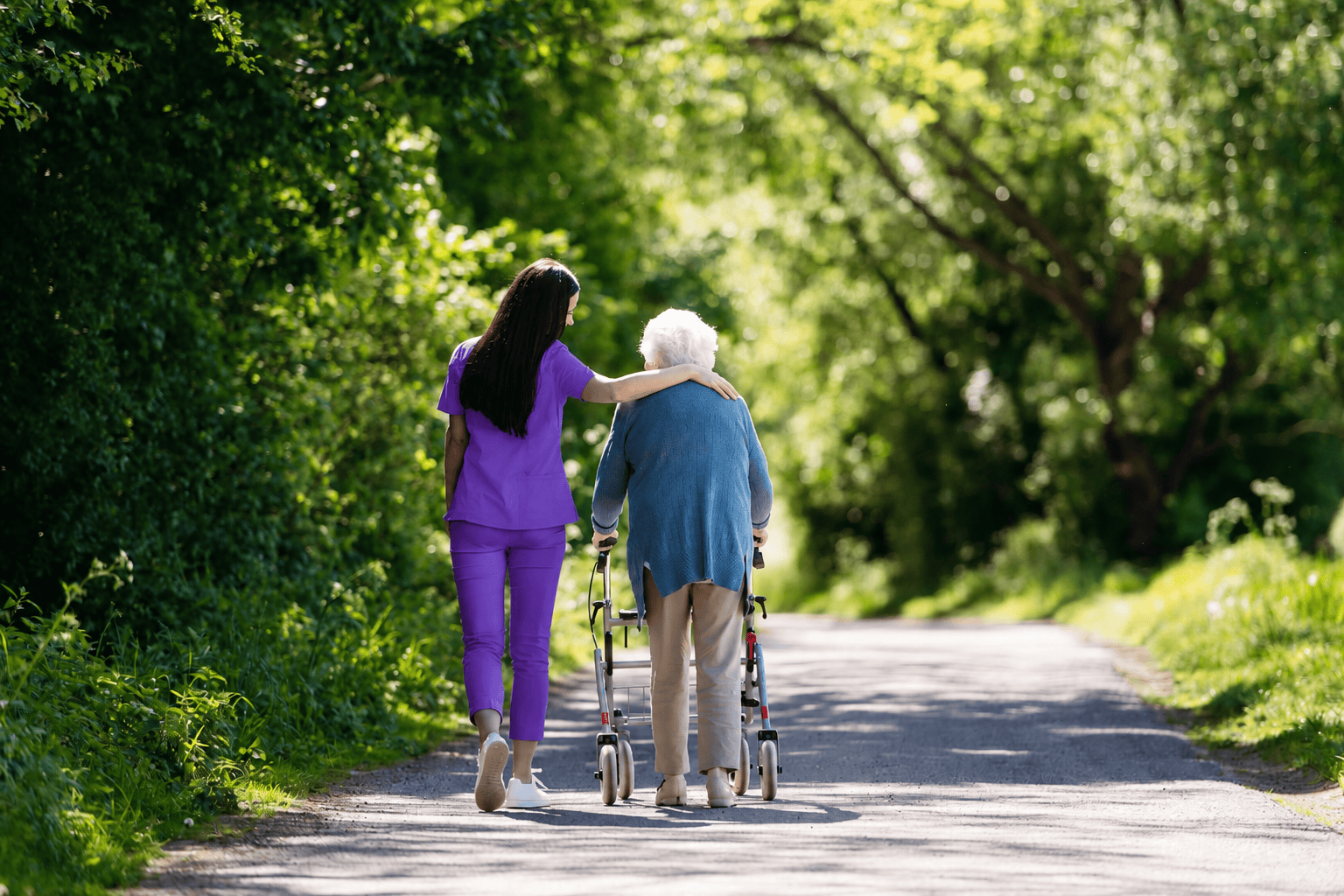
Most people don’t think of June as medically significant. It’s a month for graduations, beach trips, the general loosening that happens when winter stops having authority. But for older adults coming out of a fall injury — or managing the lingering weakness that follows one — early summer is genuinely one of the better windows to start structured rehabilitation. The reasons aren’t sentimental.
What a Fall Actually Does to the Body
A hip fracture gets the attention. The wrist, the contusion, the imaging — those are the presenting problems, and they’re real. What gets missed in the initial chaos is what happens after: the body compensating, protecting, redistributing load away from whatever hurts. Gait narrows. Muscle groups that weren’t involved in the original injury start bearing weight they weren’t designed for. That secondary adaptation is often what sends someone back to the ER six weeks later.
Among New York State hospitalizations for fall-related hip fractures, nearly 69% of patients were discharged to a skilled nursing facility — not because home was off the table forever, but because the recovery arc required structured support that an apartment can’t provide. Physical and occupational therapy aren’t amenities in that context. They’re the mechanism.
There’s also a psychological piece that both short-term rehab and long-term rehab programs take seriously now. Fear of falling again is itself a fall risk. Targeted leg and hip strengthening has been shown to improve walking speed and reduce repeat fall risk by over 25% among older adults, but getting patients to engage with that work requires rebuilding confidence alongside strength.
Why Rehab After a Fall Works Better When You Start in June
Winter creates friction for recovery. Ice, limited daylight, the general reluctance to move when it’s 22 degrees out — none of that helps a rehabilitation timeline.
Summer changes the equation in ways that aren’t purely motivational. Vitamin D synthesis requires UVB exposure — sitting near a window doesn’t cut it — and older adults in rehab settings often run deficient well into recovery. Muscle function and bone remodeling both depend on adequate levels. A patient who gets twenty minutes of actual sunlight during a supervised outdoor walking session is receiving something the February version of that same session can’t replicate, regardless of how carefully the indoor program is designed.
There’s also the visit factor. Families show up more in summer. That’s not a soft observation — sustained motivation over a six-to-eight-week rehab timeline is genuinely hard to maintain, and external accountability has measurable effects on therapy participation rates. Clinicians know this even when the research on it stays vague.
Research has found that targeted balance training can yield a 34% improvement in fall recovery performance after just three weeks, with further gains continuing through six weeks. Starting in June leaves a substantial runway before fall — which, not coincidentally, is when fall rates among older adults tend to spike again.
What Short-Term Rehab Actually Looks Like
Exercise is usually not where a physical therapist starts. Before any strengthening protocol gets introduced, there’s a full intake: medication review, blood pressure baseline, balance assessment, cognitive screening, gait observation. Footwear. Living environment. Whether the bathroom has a grab bar. The fall already happened — the job now is figuring out why and what the body is actually capable of before loading it with resistance work.
From there, the program builds. Lower-body strengthening — legs, hips, core — because those muscle groups play the key roles in stability. Balance and coordination training, which works on reaction time and proprioception, not just raw strength. Pain management strategies are woven through the process, since unmanaged pain restricts mobility and compounds recovery timelines.
Post-fall orthopedic recovery doesn’t run on a schedule. A hip that cooperates through Thursday can lock up by Saturday for no obvious reason. Swelling fluctuates. Pain levels shift with sleep, with weather, with how much the patient pushed the day before. Programs built around rigid weekly progression benchmarks tend to frustrate this reality more than they address it.
The Orthopedic and Cardiac Connection
A fall is rarely the whole story. Cardiovascular disease, peripheral neuropathy, medication-induced orthostatic hypotension, undiagnosed osteoporosis — any of these can be upstream causes that the fracture just made visible. Treating the hip without addressing what contributed to the fall leaves the same exposure in place. Orthopedic and cardiac care running in parallel isn’t belt-and-suspenders caution. It’s closing the loop on why the person fell at all.
Undertreated pain doesn’t just hurt. It changes behavior — patients stop participating, stop sleeping, stop eating properly, and the whole recovery trajectory degrades. Blood pressure goes up. Inflammatory response prolongs. Physical therapists working with patients whose pain is actively managed see better session-to-session gains than those working around unaddressed discomfort. Pain protocols aren’t a comfort measure added on top of rehab. They’re structural.
Rochester Center
For individuals recovering from a fall on the western side of New York State, Rochester Center offers the combination of services that post-fall recovery actually requires: Orthopedic Care, Short-Term Rehab, and Pain Management delivered under one roof, alongside Cardiac Care, Stroke Care, Wound Care, and Long-Term Care options for patients with more complex needs. June is the right time to get ahead of the curve rather than manage it from behind.
Care. Support. Positive Outcomes. Centers Health Care.
Centers Health Care provides rehabilitation, skilled nursing and long-term care for people with a wide range of needs. Whether someone is recovering from surgery, managing an illness or simply needs more support than can be provided at home, our staff is there to help.
The goal is not exactly the same for everyone. It may be returning home, becoming stronger, staying independent or simply feeling better and more comfortable from one day to the next. There will be progress, setbacks and difficult days along the way. Our job is to be there through all of it, and to help each patient or resident get as far as he or she can.
Sometimes that progress comes in large steps. More often, it comes in small ones. Either way, every step matters.
Our Steps to Home series follows patients through rehabilitation and the journey from hospital to home: