Rural Rehab Planning in July: What to Ask Before Choosing a Nursing Home

Summer discharge planning has its own rhythm. Hospitals move faster in July — staffing shifts, vacation coverage, the usual seasonal churn — and families in rural counties end up making rehab decisions on a tighter clock than they’d like. Granville sits far enough from the density of downstate facilities that “just tour a few places” isn’t really an option. You get one or two real candidates, sometimes fewer.
What Makes Rural Nursing Home Rehab Different This Summer
Forty minutes changes things. A daughter driving in from Fort Ann after a shift can make it to Slate Valley Center before dinner; the same trip to a facility near Albany eats her whole evening. That gap ends up dictating how often family shows up to a therapy session, which affects how fast anyone notices a plateau. Rural facilities also tend not to farm patients out. A cardiologist reviewing a chart down the hall beats a fax sent to a specialist’s office three towns over. Fewer handoffs means fewer places for a detail to get lost.
There’s also the staffing reality. Rural facilities in Washington County have had to get creative about recruiting therapists and nursing staff, and the good ones lean hard on cross-training. A physical therapist who understands stroke recovery protocols as well as post-surgical orthopedic timelines brings continuity that a rotating cast of specialists can’t always match.
Questions to Ask Before Rural Nursing Home Rehab Begins
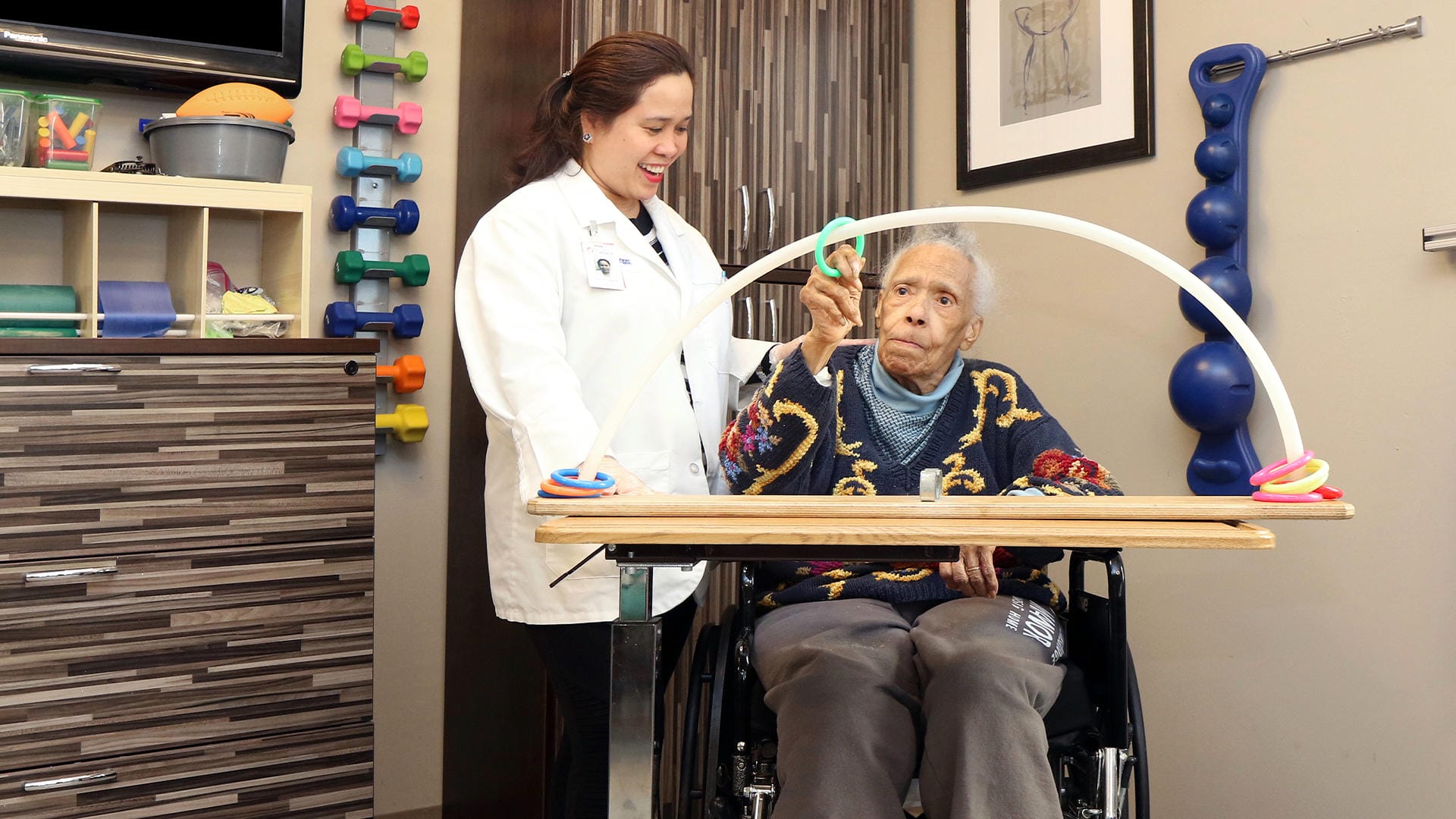
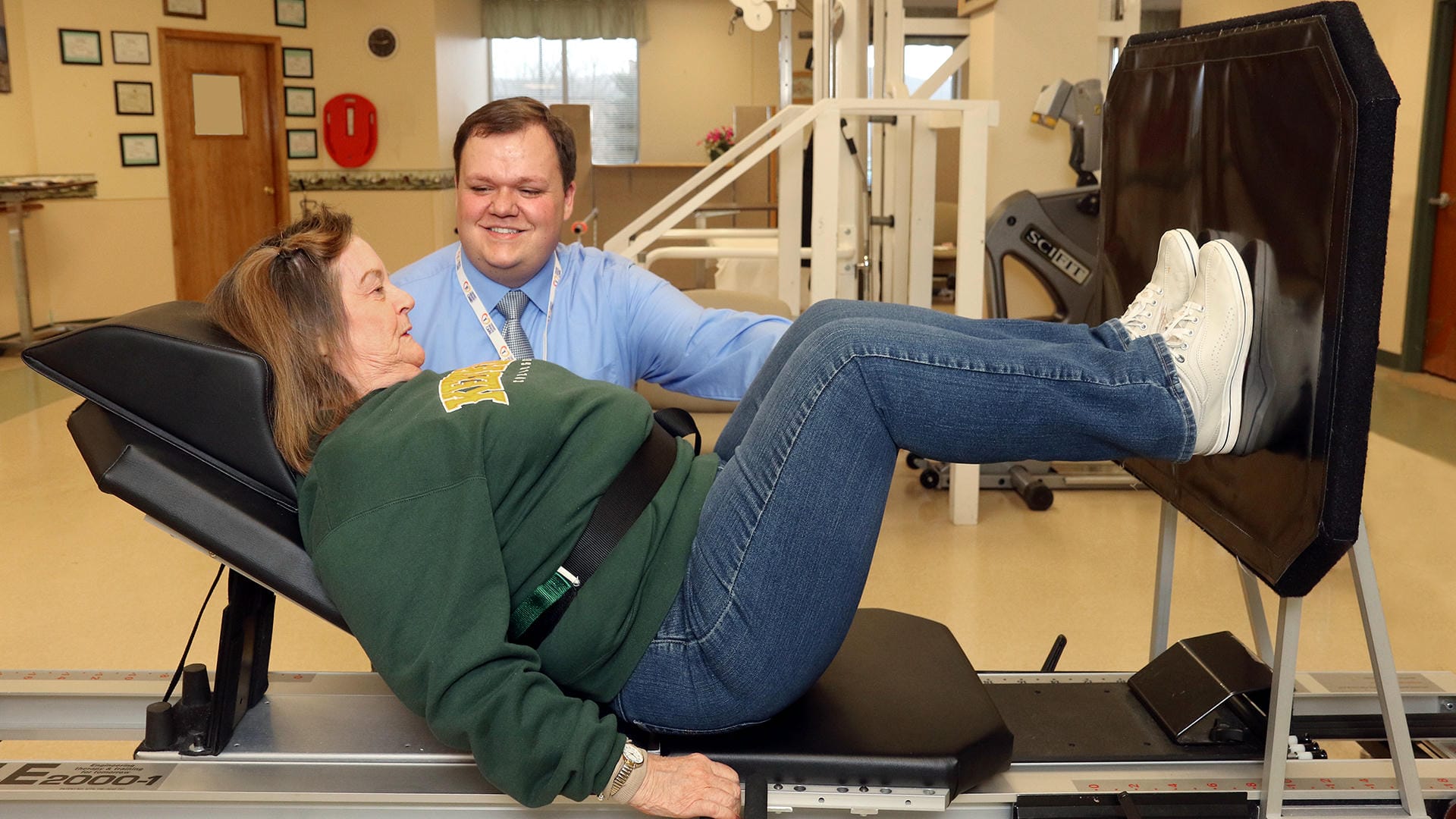
Ask about therapy frequency first, not last. Some facilities offer daily sessions, others three times a week, and the difference matters enormously for someone recovering from a stroke or hip replacement where early, consistent mobilization drives outcomes. Ask who’s on the care team for pain management specifically — not just “do you manage pain” but which clinicians, what protocols, how often plans get reassessed.
Ask who actually looks at a wound and how often — not the marketing answer, the schedule. Some places check daily, some check when a shift happens to notice. Get a name if you can, not just “our nursing staff.” Cardiac patients need the same specificity turned toward monitoring: what readings trigger a phone call to the doctor, what gets logged and forgotten until morning rounds.
Nobody mentions the flat stretch until you’re living in it. Stroke patients especially — a week where the therapist’s notes read almost identical day to day, then suddenly a grip strengthens or a leg holds weight it couldn’t hold Monday. Worth asking straight out how staff talk about that in-between period. Some facilities log it as stalled progress, start hedging about outcomes. Others just say the nervous system rewires on its own timeline and keep the sessions running unchanged. Six weeks is long enough that the answer to that one question ends up mattering more than almost anything else on a tour.
Granville families should also ask about long-term care transition planning even when short-term rehab is the immediate goal. Needs shift. A facility that can pivot from short-term rehab to long-term care without uprooting someone spares families a second disruptive move later.
Slate Valley Center, located in Granville, handles this range directly — Short-Term Rehab, Long-Term Care, Cardiac Care, Stroke Care, Orthopedic Care, Pain Management, and Wound Care under one clinical roof. For a rural nursing home rehab search in Washington County, that consolidation is worth weighing seriously against facilities that split services across multiple locations.
Care. Support. Positive Outcomes. Centers Health Care.
Slate Valley Center handles the full stretch of it. Cardiac recovery. Stroke rehab. Orthopedic healing after a hip or knee replacement. Wounds that need daily eyes on them. Pain that needs an actual plan instead of a standing order nobody revisits. Someone coming off surgery gets folded into that same team as someone who just needs more support than a spouse alone can manage at home.
The goal isn’t identical for every patient walking through the door. For one person it’s returning home within weeks. For another, it’s regaining enough strength to manage daily tasks independently. Some days bring real progress. Others bring setbacks nobody saw coming. The job of the team at Slate Valley Center is showing up through all of it, helping each patient or resident get as far as they’re able to go.
Sometimes that progress arrives in big jumps — a patient walking unassisted for the first time since surgery. More often it’s smaller: a wound closing a little more, a grip strengthening slightly, a night without pain interrupting sleep. Both count.
Steps to Home
Rural rehab planning doesn’t end with picking a facility. It continues through every week of therapy, every conversation with a nurse about how a wound is healing, every small adjustment to a pain management plan. Families in Granville and across Washington County who ask the sharper questions upfront — about therapy frequency, care team consistency, and what happens when recovery doesn’t go in a straight line — tend to feel steadier through the process. The path home looks different for everyone recovering from a stroke, a cardiac event, or an orthopedic surgery, but it starts with picking a team built to walk that path alongside them.
Our Steps to Home series follows patients through rehabilitation and the journey from hospital to home: