Rural Rehab After a Summer Hospital Discharge: What Families Should Plan Early

A discharge date lands on a Tuesday afternoon, and suddenly someone’s adult daughter is driving forty-five minutes from Oneonta trying to figure out who’s going to be home when her father can’t climb the porch steps. That’s the version of rural rehab after hospital discharge nobody prepares for until it’s already happening. Hospitals in upstate New York’s more sparsely populated counties discharge patients on a clock, and the gap between hospital bed and home readiness doesn’t close itself.
Distance changes everything about how recovery gets staged. A patient leaving a hospital in Cooperstown or the surrounding Otsego County area isn’t choosing between three nearby options the way someone in a denser metro corridor might. Geography narrows the field, and so the decision about where rehabilitation happens has to get made earlier, with fewer do-overs available if the first plan doesn’t fit.
Why Rural Rehab After Hospital Discharge Looks Different in Otsego County
Rural roads in July mean tourist traffic crawling toward the Baseball Hall of Fame, and that’s not a small detail for a family trying to coordinate visits or transport an elderly parent to follow-up appointments. Summer in this part of New York brings its own scheduling friction — agricultural labor demands pull family caregivers away during exactly the weeks recovery requires consistent supervision, and that tension rarely makes it into discharge paperwork.
Cardiac events and strokes don’t wait for convenient seasons. Stroke care in a rural setting depends heavily on how quickly post-acute rehabilitation begins; the literature on stroke recovery timelines consistently points to the first weeks after the acute event as the window where therapy intensity matters most for regaining function. A facility positioned close to the discharging hospital shortens that gap. One positioned two counties away doesn’t, regardless of how good its program is on paper.
Orthopedic recovery has its own rural wrinkle. Someone six weeks post-hip-replacement in a farmhouse with a steep driveway faces a different functional bar than someone in a single-level condo near a paved sidewalk. Rehab planning that ignores the home environment a patient is actually returning to tends to produce readmissions, plain and simple.
What Families Should Ask Before Discharge Day Arrives
Start with transportation, because in rural counties it’s the variable that breaks plans. Who drives to therapy appointments if outpatient follow-up is part of the picture? Is there a family member free on weekday mornings, or does the plan rely on a single short-term rehab stay covering enough ground that outpatient visits become minimal?
Ask about the specific condition, not the general category. Wound care protocols for a diabetic patient differ substantially from wound care for a surgical incision, and a rural family should know which clinical pathway applies to their relative before signing discharge paperwork. Pain management plans should be discussed with equal specificity — what’s the tapering schedule, who manages it after the short-term rehab stay ends, and what happens if symptoms spike on a weekend when the regular care team isn’t immediately reachable.
Long-term care decisions get rushed in rural settings more than people realize. A family facing a sudden cardiac diagnosis in an aging parent sometimes has days, not weeks, to evaluate whether short-term rehab will be sufficient or whether the trajectory points toward something more sustained. Asking the clinical team directly — what does six months from now likely look like — produces more useful answers than guessing.
Bring the home into the conversation early. Stairs, bathroom layout, distance to the nearest pharmacy, whether cell service is reliable enough for telehealth check-ins — none of this shows up in a hospital chart, but all of it determines whether a discharge plan actually holds once someone’s back in a rural household instead of a hospital bed.
Building a Recovery Timeline That Survives Contact With Reality
Rehabilitation plans built around averages fail rural patients more often than urban ones, because the support infrastructure assumed in those averages — nearby outpatient clinics, short commutes, family members five minutes away — doesn’t exist the same way out here. A realistic timeline accounts for the actual distance between a patient’s home and ongoing therapy, the actual availability of the people expected to help, and the actual demands a New York summer places on rural households juggling fieldwork, tourism-season jobs, and caregiving simultaneously.
Stroke and cardiac patients benefit from rehab teams that coordinate closely with the discharging hospital’s clinical notes rather than starting assessment from scratch. Orthopedic patients benefit from facilities that understand rural home environments well enough to set realistic mobility goals instead of generic ones. None of this is exotic. It’s just specific, and specificity is what rural rehab planning tends to lack when families are moving fast under a discharge deadline.
Cooperstown Center: Rehab Support Rooted in the Region
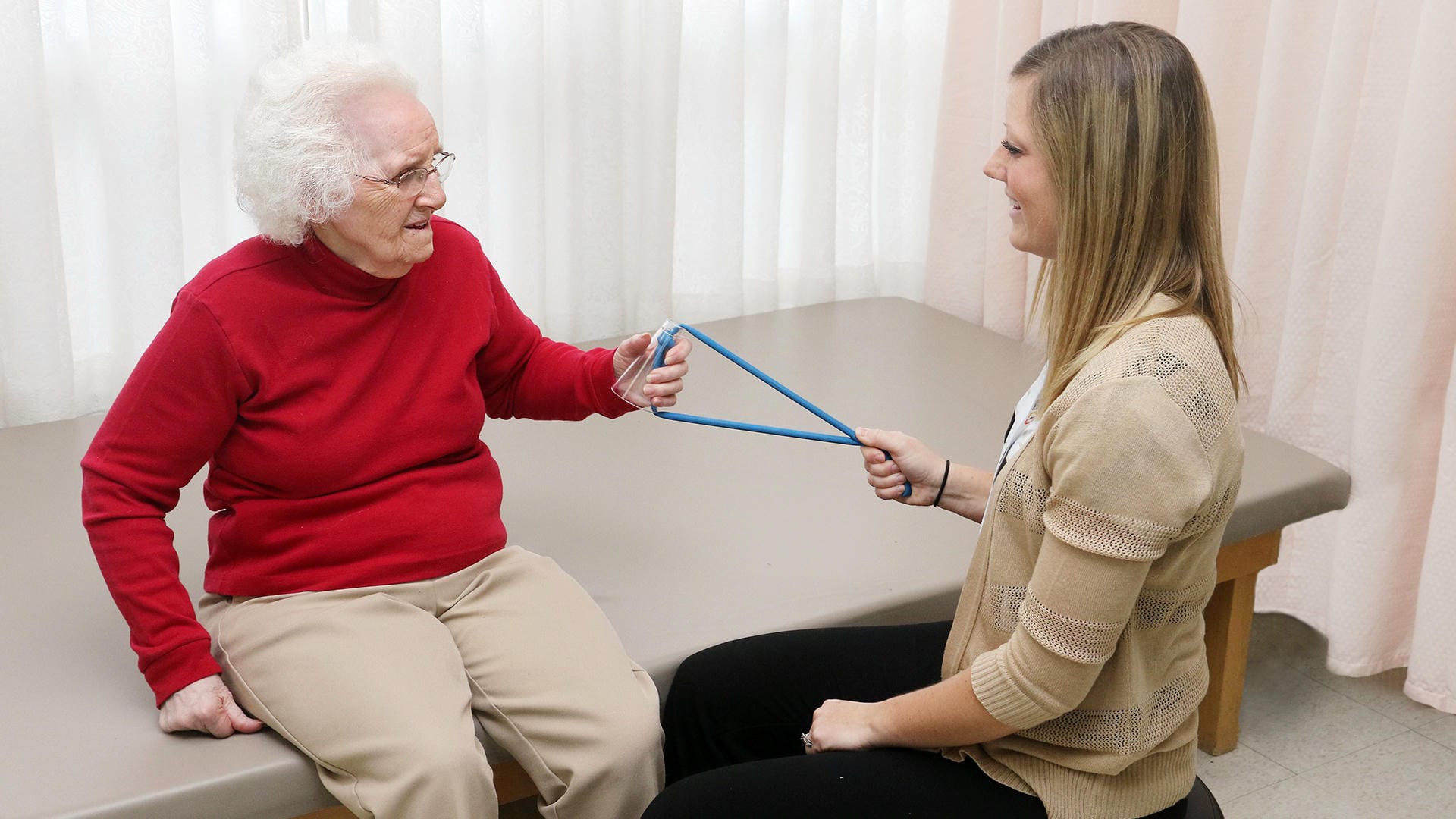
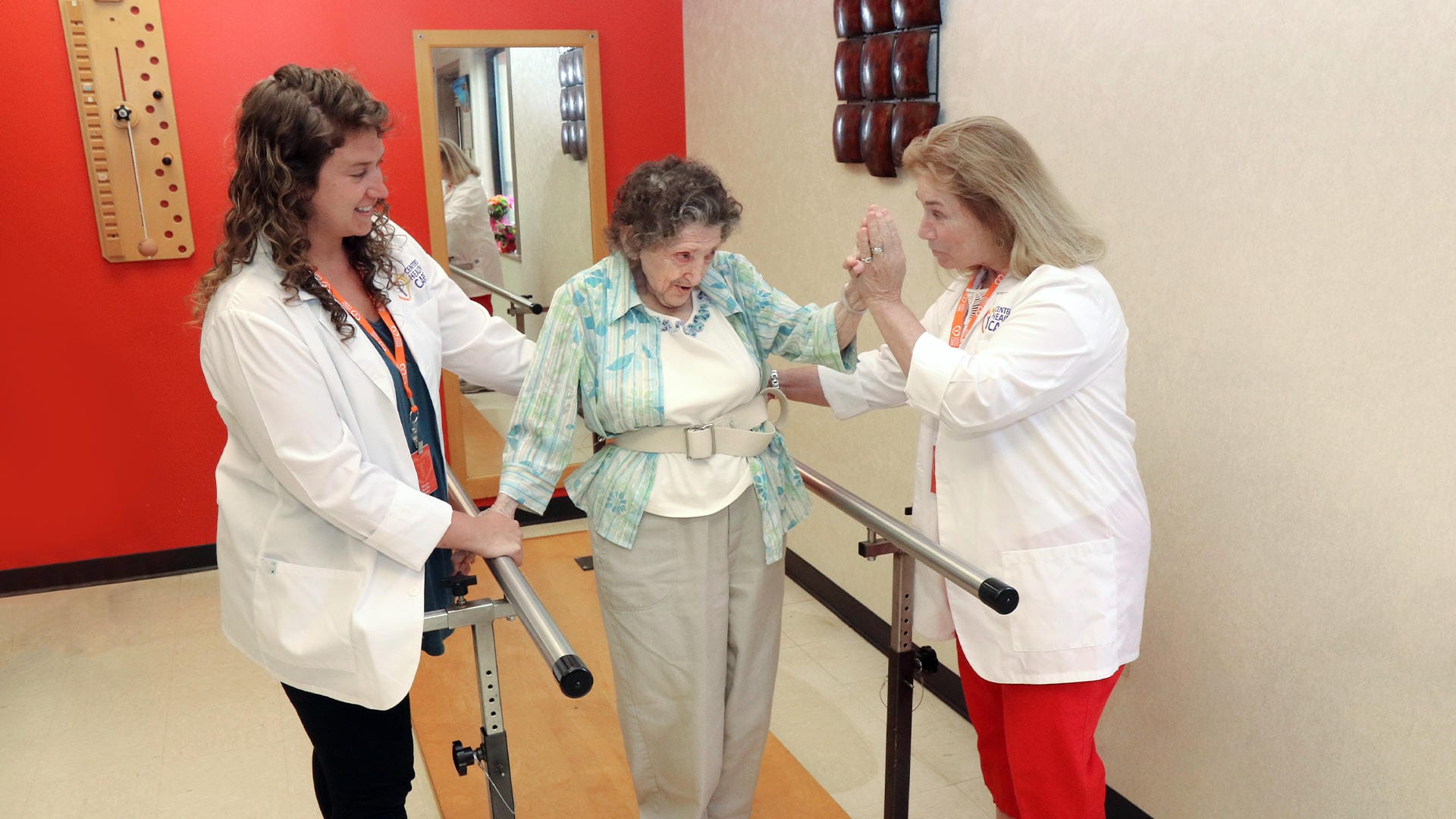
Cooperstown Center sits in the heart of Otsego County, close enough to area hospitals that the handoff from acute care to rehabilitation doesn’t stretch across counties or cost families a half-day drive. The center’s service lines read like a direct response to what rural summer discharges actually demand: Short-Term Rehab for patients aiming to return home on a defined timeline, Cardiac Care and Stroke Care for the time-sensitive recoveries where early intervention shapes long-term outcomes, Orthopedic Care for joint replacements and fracture recoveries navigating uneven rural terrain back home, Wound Care for the slower, detail-heavy healing process that surgical and diabetic patients alike require, Pain Management for recoveries where comfort and function have to be balanced carefully, and Long-Term Care for families facing decisions that extend well past a single rehab stay. For a rural family planning a discharge this summer, having that full range under one roof, in one location, removes at least one variable from an already complicated equation. Learn more about Cooperstown Center’s services at https://cooperstown-center.facilities.centershealthcare.org/.
Care. Support. Positive Outcomes. Centers Health Care.
Centers Health Care provides rehabilitation, skilled nursing and long-term care for people with a wide range of needs. Whether someone is recovering from surgery, managing an illness or simply needs more support than can be provided at home, our staff is there to help.
The goal is not exactly the same for everyone. It may be returning home, becoming stronger, staying independent or simply feeling better and more comfortable from one day to the next. There will be progress, setbacks and difficult days along the way. Our job is to be there through all of it, and to help each patient or resident get as far as he or she can.
Sometimes that progress comes in large steps. More often, it comes in small ones. Either way, every step matters.
Our Steps to Home series follows patients through rehabilitation and the journey from hospital to home: