Skilled Nursing vs. Rehab: What to Choose after Being Discharged from the Hospital
Getting discharged normally should be reason to celebrate. And it is. But it’s also the moment the questions hit: Where are we going next? Who’s helping? What happens if something goes sideways at home?
You’ll usually hear the following options: skilled nursing and rehab. These terms are loosely , confusing families and loved ones. In truth, they overlap, but they’re not the same.
A simple way to separate them: skilled nursing is about medical coverage, and rehab is about getting function back.
If the main issue is medical stability, think Skilled Nursing.
Skilled nursing is for the person who isn’t in crisis anymore, but also isn’t ready to be “left alone with a pill organizer and a prayer.”
If the hospital stay was for something serious—stroke, heart event, kidney problems, major infection, a tough surgical recovery—there’s often a period afterward where things can swing quickly. That’s when 24/7 clinical oversight matters.
In a skilled nursing setting, the team is focused on medical needs like:
- nursing care and monitoring day and night
- medication management (including changes and timing)
- wound care and post-surgical recovery support
- watching for complications early, before they become another ER visit
Hospitals are built for acute care—the emergency phase. Skilled nursing is post-acute care—the “we’re out of danger, but we’re not out of the woods” phase.
If the main issue is strength and daily function, that’s Rehab.
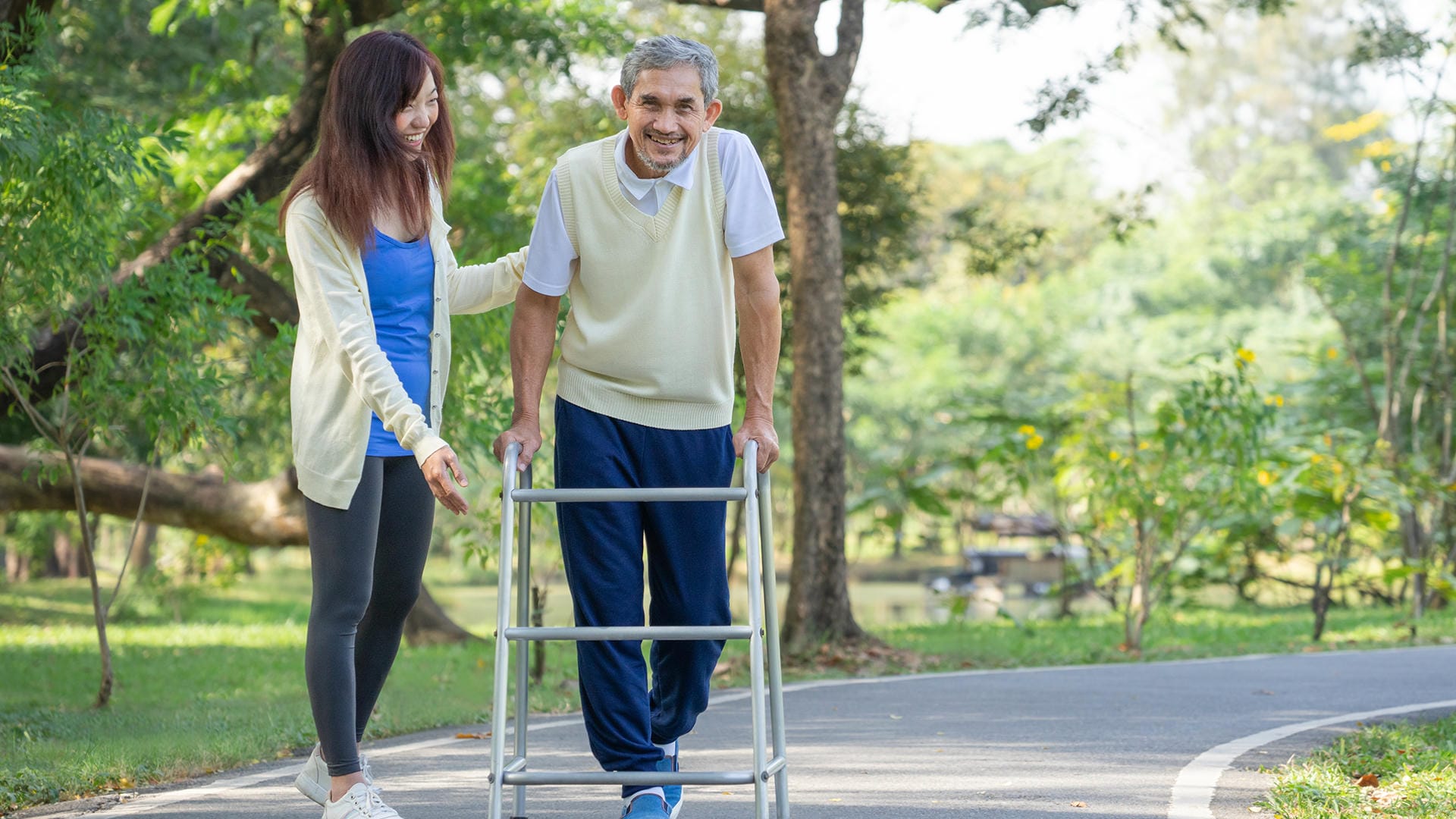
Rehab is what people picture when they say, “I just need to get my strength back.”
After an illness or surgery, the weird part is how ordinary things suddenly aren’t ordinary. Standing up. Getting dressed. It’s the little things that make it obvious something changed. Walking to the bathroom without feeling unsteady. Standing up without grabbing the dresser. Carrying a cup of coffee and hoping your hands cooperate.
Rehab generally is therapy focused. Depending on what you’re personally recovering from, rehab can and may involve a multiple therapists, specializing in one or more of the following:
- Physical therapy: focus on strength, balance, endurance, and walking
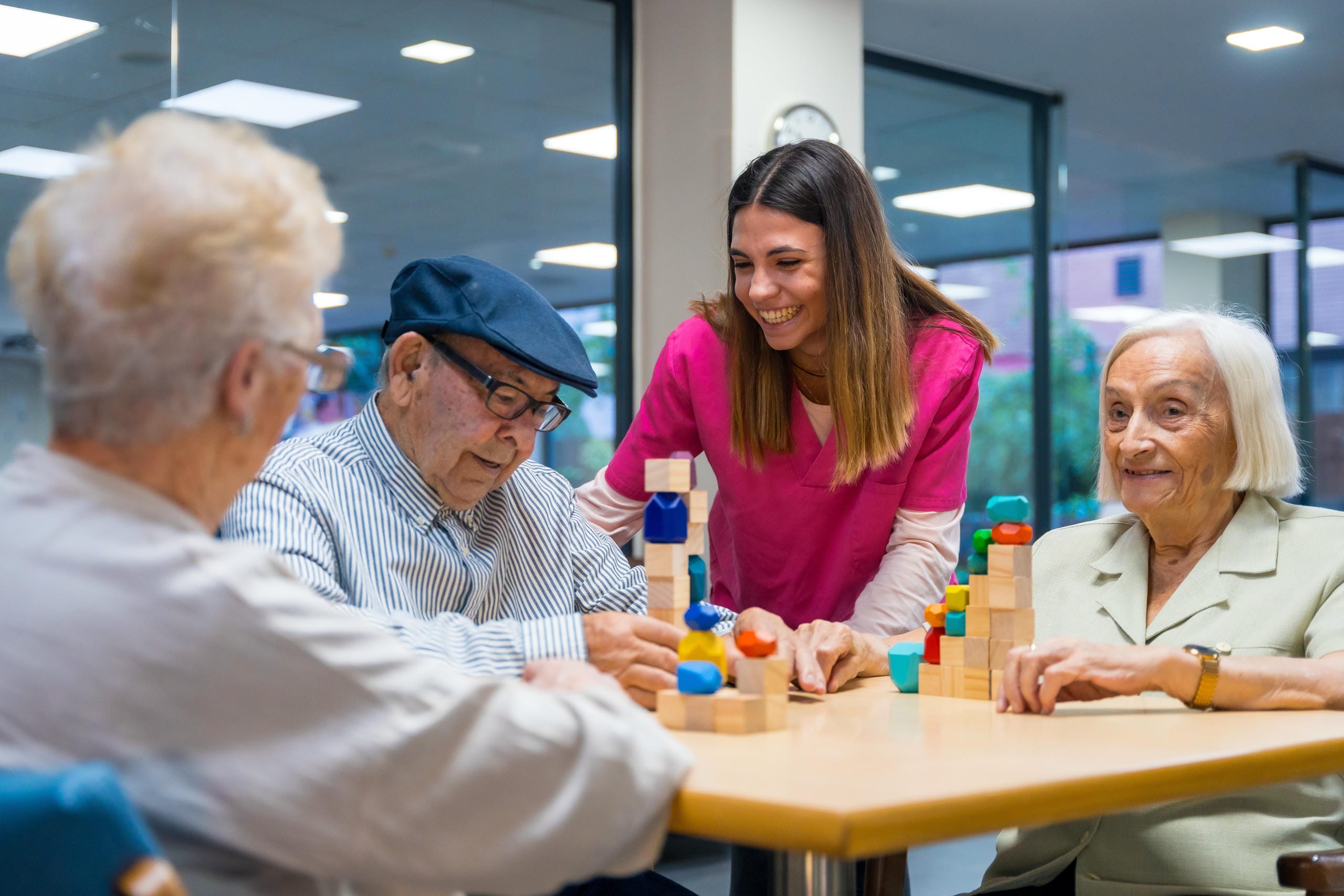
- Occupational therapy: focus on daily basics—bathing, dressing, stairs, cooking, home routines
- Speech therapy: focus on swallowing, speech, and sometimes memory/attention (often after stroke or certain neurological conditions)
Rehab is practical. It’s about doing, repeating, rebuilding. Some days it’s slow. Some days you surprise yourself.
Here’s the part most families don’t realize: you may need both.
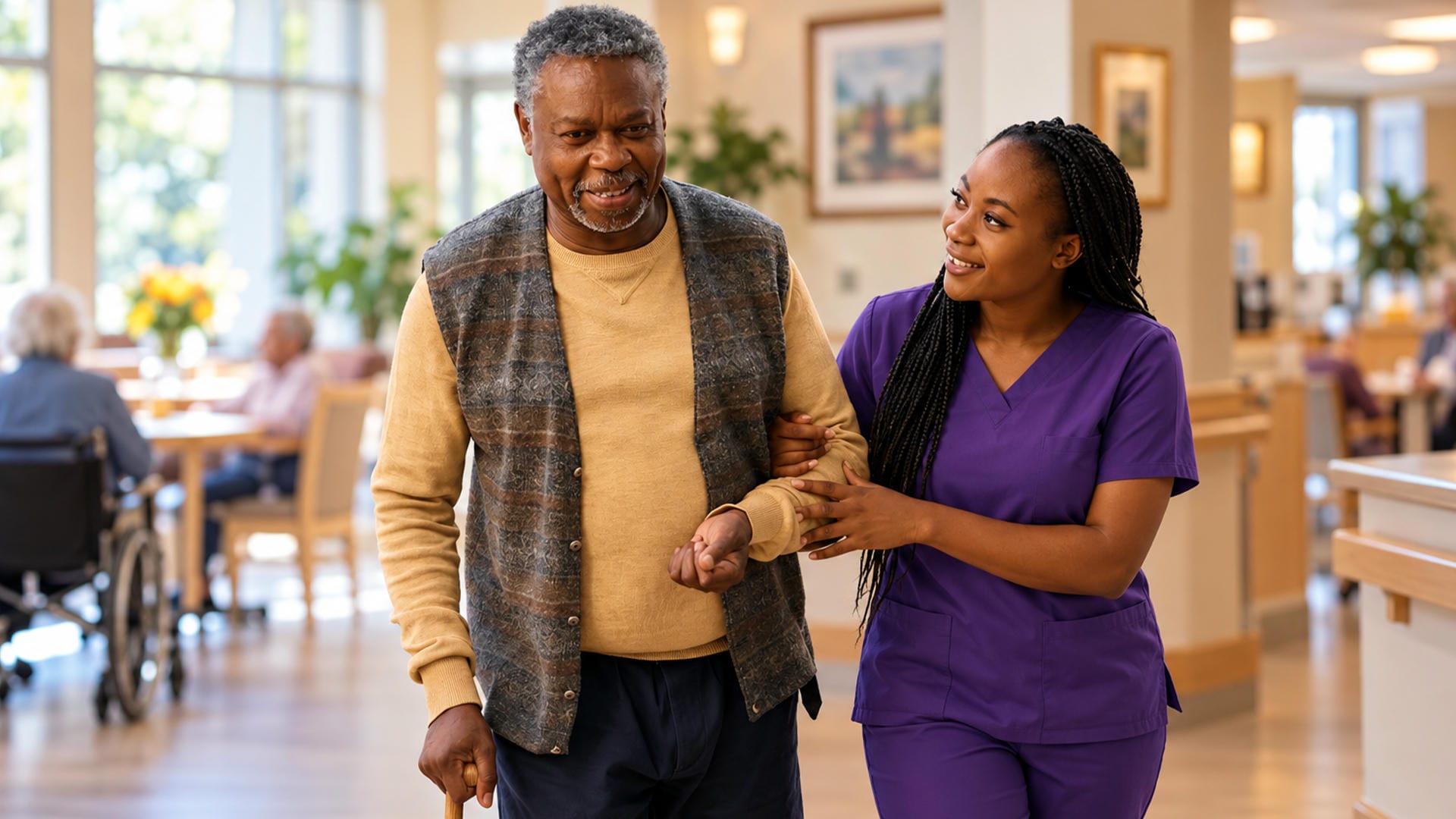
Most people don’t fit neatly into one box, which necessitates both skilled nursing and rehab to work hand in hand.
Someone can be doing therapy to rebuild function and still need the skilled nursing aspect for important items such as medications, wound care, monitoring, or other medical. Hence, many skilled nursing facilities also have on-site therapy, in order that recovery doesn’t get split into two separate tracks.
A simple way to frame it:
- If missing a dose, falling, or a complication is the big risk → skilled nursing matters.
- If the big problem is weakness and daily functioning → rehab matters.
- If both are true → you want a place that can handle both at the same time.
Fulton Center: When the Patient Needs Both
Fulton Center in Gloversville is a good example of why the “skilled nursing or rehab?” question can get tricky after a hospital stay. A patient may be ready for PT and OT, but still need someone watching the other pieces: blood pressure, pain, wound care, medication changes, appetite, or the fogginess that sometimes shows up after days in a hospital bed. Fulton offers short-term rehab along with nursing care, so the plan does not have to pretend those needs live in separate boxes. One patient may spend the morning working on transfers and walking distance, then need a nurse’s eye later when fatigue, pain, or a new symptom shows up. Another may need a slower start before therapy can do much good. The right setting is the one that can read the patient in front of them and adjust, instead of forcing the discharge plan to fit a label.
Skilled Nursing and Rehab at Centers Health Care
At Centers Health Care, skilled nursing and rehab work alongside each other, with therapy plans tailored to the patient and clinical support based on what’s actually going on during recovery—not a generic template. Would you like to see what that looks like in real life? Watch patient stories in our Steps to Home series.
If you’d like to learn more, schedule a tour and see firsthand how skilled nursing and rehabilitation can work together to support recovery and everyday quality of life.