
Ventilator and Wound Care Support: Planning for Complex Nursing Care Recovery Needs
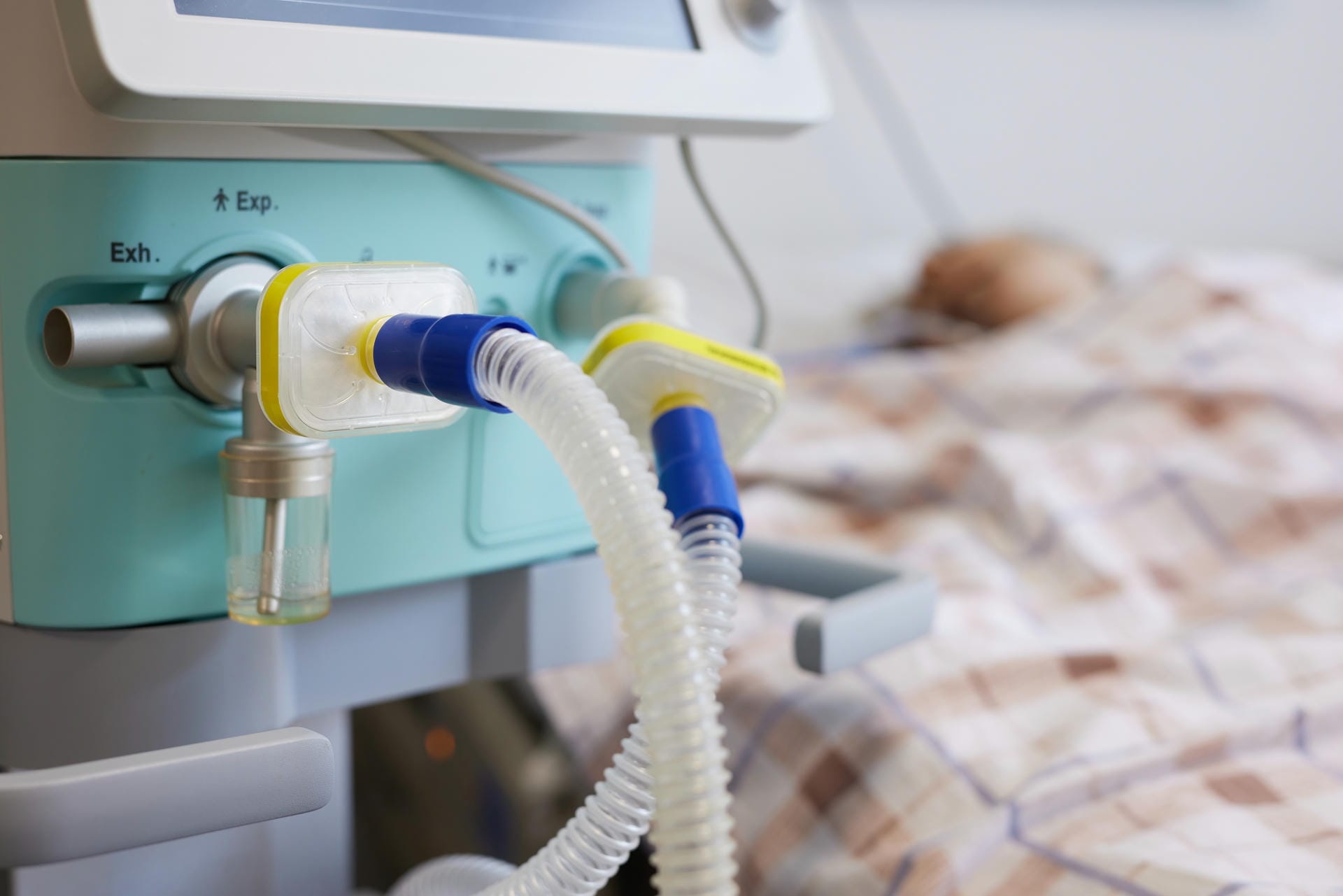
Watch a careful bed turn. One staff member manages the shoulders and hips while another keeps the ventilator tubing from tugging. The heels need protection. So does the wound. Halfway through, the resident becomes anxious and the plan pauses. This is hardly dramatic work from the hallway. Up close, it is a chain of judgments.
That chain is complex nursing care. A breathing plan alters the way someone can sit, sleep and move. Skin condition may limit those same choices. Pain, fatigue and communication pile on. Recovery happens with everything on the table at once, including the awkward parts.
Complex Nursing Care Starts Before the Transfer
The word “stable” makes me nervous in a transfer packet. It needs a timestamp and numbers beside it. Ventilator mode, oxygen setting and alarm limits are a start. Add the airway size, the resident’s usual secretions, how often suctioning has been needed and the signal he or she gives when something feels wrong. A blink may carry more information than a paragraph copied forward for three days.
Now open the wound note. I want today’s measurements, the deepest tissue damage seen, the drainage and the condition of the skin nearby. If a pressure injury once reached Stage 4, it remains documented as a healing Stage 4; it does not travel backward through the stages. That small charting distinction preserves the story.
There is also a New York checklist hiding in 10 NYCRR 415.38. Long-term ventilator programs are expected to have pulmonary physician direction, trained caregivers, an assigned registered nurse on each shift, respiratory therapy as residents require it, rehabilitation and maintained equipment. Staff assess whether less ventilator support or a future discharge may be feasible. I would ask how those requirements show up on an ordinary Wednesday, not during a tour.
Positioning Is a Complex Nursing Care Decision
“Turn every two hours” is familiar advice. It is not a complete strategy. Frequency, angle, support surface, heel offloading, moisture, medical stability and the wound’s location all influence the schedule. Small weight shifts may be appropriate between larger turns. A person with respiratory difficulty may tolerate only gradual changes. Forcing a textbook position that causes breathlessness solves nothing.
The friction point is often the head of the bed. Elevation may be ordered to help manage respiratory or aspiration concerns; gravity can also pull the body downward, producing shear over the sacrum. Staff may use wedges, pillows, heel protectors, pressure-redistributing surfaces and careful lift techniques based on the resident’s assessment. There is some plain mechanics involved. Skin dragged across a sheet is still skin dragged across a sheet, no matter how sophisticated the equipment nearby.
Wound measurements and photographs, when permitted and handled under facility policy, give the team a trend rather than a vague impression. Drainage amount, tissue appearance, odor after cleansing and the condition of the wound edge belong in that review. Pain should be checked before, during and after a dressing change. If therapy leaves the resident too exhausted to tolerate wound care later, the schedule needs another look.
Infection Control Inside Complex Nursing Care
I look at the bedside cart first. Fresh dressings on one side, used material headed for disposal on the other. Respiratory pieces should not wander into the wound setup. A blood-pressure cuff or other shared item gets cleaned before moving along. None of this photographs well. Good.
Current Enhanced Barrier Precautions apply to many nursing-home residents who have a chronic wound or an indwelling device, including a tracheostomy tube. During a turn, bath, dressing change, close transfer or ventilator task, staff use a gown and gloves. Wound irrigation and tracheostomy work can splash, so eye and face protection may enter the setup. Standard Precautions remain in force underneath all of it.
What should a visitor say something about? A new smell after the wound has been cleansed. Redness spreading beyond yesterday’s border. More drainage, thicker secretions, repeated alarms, fever, confusion, unusual drowsiness. “He seems off” is a fair opening sentence. Follow it with what changed and when you noticed.
Questions Families Can Ask About Complex Nursing Care
I would skip “Do you provide wound care?” The answer is already on the website. Ask what happens at 7 p.m. when a dressing is suddenly saturated. Ask who can adjust the day after a rough night on the ventilator. Then listen for names, roles and a process rather than adjectives.
Try a few nuts-and-bolts questions. Where does emergency electricity reach? When was the ventilator last serviced? Can wound pain treatment be timed before the dressing change? Who compares this week’s measurement with last week’s? And if the resident tolerates only a slight turn, who decides what comes next?
The handoff question is my favorite: how will tonight’s nurse learn that therapy noticed a new problem at 3:20 this afternoon? Respiratory, nursing, dietary, medical, wound and rehabilitation notes can become six tidy monologues. Complex nursing care depends on the conversation between them.
A goal may shrink for a while. Five minutes sitting upright, without panic or extra help, can be honest progress. Leave it at five.
Care. Support. Positive Outcomes. Centers Health Care.
Triboro Center sits on Teller Avenue in the Bronx. By noon, one resident’s schedule might already include ventilator care, wound treatment, pain management and rehabilitation. The Center lists those services, along with long-term care and hospice care. Six program names fit easily on a page. The person in the bed experiences one Tuesday.
Centers Health Care works with people after surgery, through illness and during longer periods when home cannot safely supply enough help. Rehabilitation may lead the day. Skilled nursing may. For another resident, maintaining strength or easing discomfort is the sensible target.
An honest week can hold an exhausting setback and a decent transfer two days later. Staff stay with both. Improvement is sometimes visible only because yesterday’s dressing change hurt more.
Steps to Home
I would build the first night home backward. Start with the number somebody will answer at 2 a.m., and put it on the refrigerator. Then ask who changes the evening dressing, where the spare respiratory supplies are kept and what the family does when an alarm refuses to settle. Medication lists and follow-up appointments get one last comparison. Steps to Home should leave very little improvisation for that first night. Home will provide enough of its own.
Our Steps to Home series follows patients through rehabilitation and the journey from hospital to home: