World Food Day 2026: How Nutrition Supports Wound Healing and Recovery at Ellicott Center
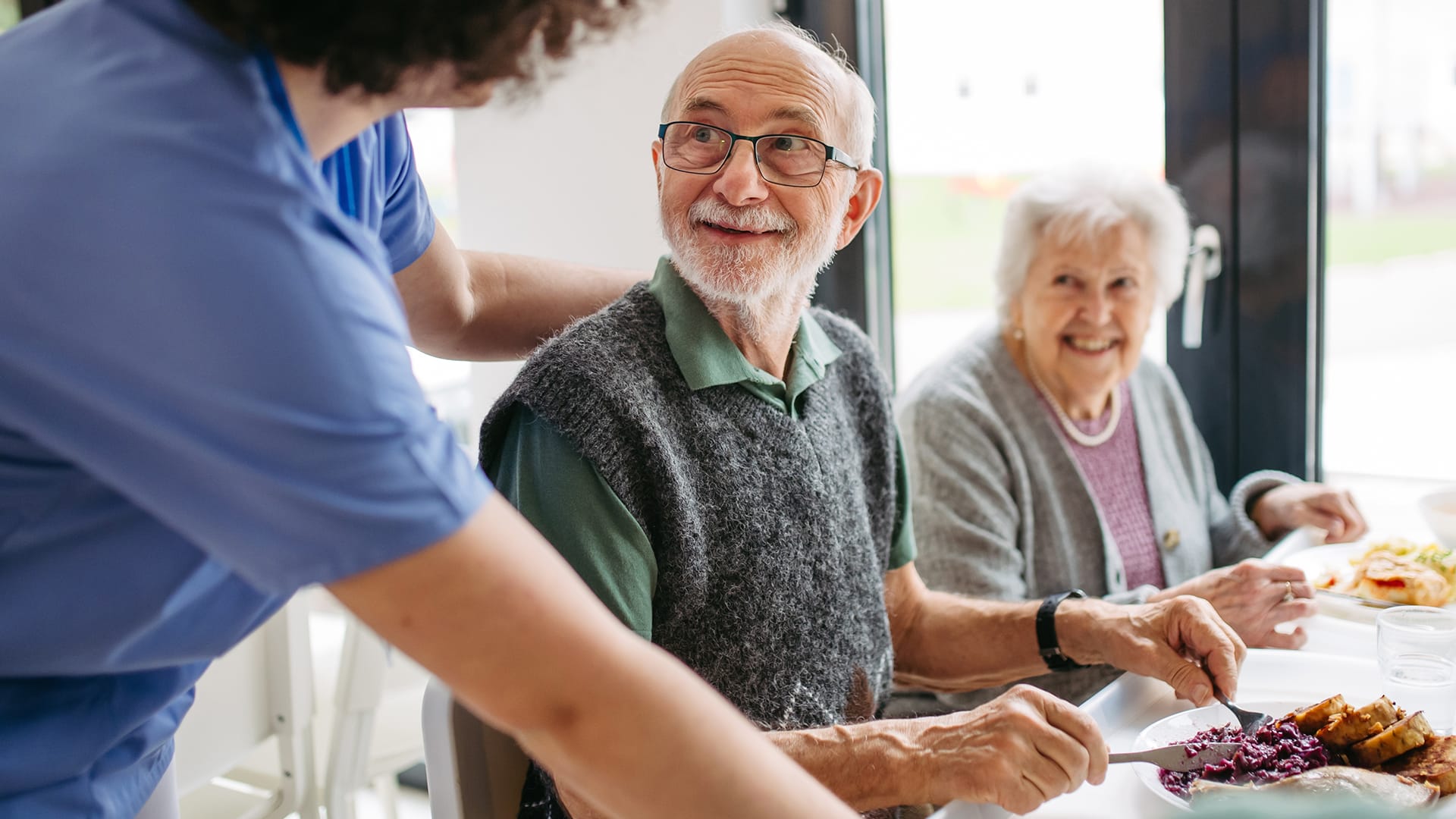
‘Did you eat?’ ‘Yes.’ That settles the question until somebody looks at the plate. A few bites of toast, perhaps, and the eggs still sitting there.
On October 16, World Food Day, I’d put a less festive question on the table: what happens when somebody recovering from a wound has very little interest in lunch? It comes up without much ceremony. A daughter notices looser trousers. Dad says the meat is too much trouble.
For families researching wound care in Buffalo NY, ask about those meals during your visit. Tell the nurse what you saw. There’s usually more to discuss than whether the resident likes the cooking.
Wound care in Buffalo, NY: What happened to the appetite?
‘He never ate much.’ Families know these things. Still, I’d be careful with that explanation if a little lunch has dwindled to almost nothing.
Write down what you’ve seen before speaking to the nurse. Did he leave the meat because it hurt to chew? Were the dentures bothering him? Did he complain that food tasted strange after a prescription changed? Medication can alter taste and dry the mouth. It’s worth bringing the actual complaint into the conversation.
For a pressure injury, I’d also want to go over the nutrition assessment with the dietitian. The Mini Nutritional Assessment appears among the tools in the International Pressure Injury Guideline. You needn’t learn to score it. You can say, ‘He used to eat the whole sandwich. Now he takes two bites and gives up. What should we check?’
Ask for a protein goal somebody can explain
Lunch was chicken, potatoes and carrots. Dad ate the potatoes. When you speak to the dietitian, give the second version; it’s the one that describes his intake.
The body uses protein in repairing tissue. It needs enough food overall, too. I’d ask what his daily goal looks like on a plate. Must it be meat? Could yogurt work, or eggs, beans or fish? Get examples that fit his allergies, diet orders and swallowing needs. A family should leave that conversation knowing what to offer.
If meals aren’t enough, the dietitian may suggest a supplement. Find out how much, which product, and when he should have it. There’s no need to experiment with a protein powder somebody recommended. Kidney disease can affect the plan, for one thing. Tell the team what he will eat willingly and what he keeps leaving. You may have been watching that happen for weeks.
Before filling the water pitcher again
‘Have another glass.’ It’s almost automatic when you’re visiting somebody who seems to be drinking very little. Before pouring, though, find out whether the care team has set a limit.
Someone with heart or kidney disease may have quite specific fluid instructions. A heavily draining wound, fever or diarrhea can also alter the calculation. I’d want the nurse’s answer to ‘What should he be drinking over the whole day?’ rather than guess from one afternoon. Ask where soup fits, if you bring some from home.
Check the cup as well. Some lids are awkward. A drink may be out of reach. When help is needed to lift it, a full pitcher can sit untouched all afternoon.
Before adding another supplement
I’d bring the bottles to the conversation. All of them, including the one someone recommended for ‘skin health.’ Has the dietitian seen what your relative was taking at home?
There’s a reason to ask. Tissue repair involves vitamin C and zinc, but choosing a dose takes more information than that. Extra zinc can upset the copper balance. Unless a clinician is supervising treatment, adults generally shouldn’t go beyond a combined 40 mg of zinc daily from food, supplements and other sources. Check the total with the team.
You can ask, ‘Is there a deficiency we’re trying to correct?’ Or, ‘Does the prescribed nutrition drink already contain this?’ A wound that’s slow to heal can make a family impatient. I’d still get an answer before adding another bottle to the table.
Wound care in Buffalo, NY: Put the meal preferences in the conversation
‘He’s never liked that.’ You’ve eaten with him for years; the dietary staff haven’t. Tell them what usually disappears from his plate and what he has always pushed aside. Familiar dishes, religious requirements and family food traditions are useful things to bring up.
Ellicott Center describes these sorts of accommodations on its nutrition page, including personal preferences, allergies, religious beliefs and physical comfort. The page also mentions tableside assistance for residents with limited motor abilities. I’d explain the awkward parts: he can hold a spoon, say, but needs somebody to open containers.
Before bringing food from home, run it past staff. Discuss storage, allergies and the texture he’s allowed to eat. After a stroke, swallowing instructions may include a particular liquid thickness or food consistency. ‘Can he have this soup as it is?’ is a better question to settle before lunch.
Care. Support. Positive Outcomes. Centers Health Care.
Centers Health Care provides rehabilitation, skilled nursing and long-term care for people with a wide range of needs. Whether someone is recovering from surgery, managing an illness or simply needs more support than can be provided at home, our staff is there to help.
The goal is not exactly the same for everyone. It may be returning home, becoming stronger, staying independent or simply feeling better and more comfortable from one day to the next. There will be progress, setbacks and difficult days along the way. Our job is to be there through all of it, and to help each patient or resident get as far as he or she can.
Sometimes that progress comes in large steps. More often, it comes in small ones. Either way, every step matters.
Our Steps to Home series follows patients through rehabilitation and the journey from hospital to home: