World Heart Day 2026: Recognizing Hidden Heart Symptoms During Recovery at Martine Center in White Plains | Cardiac Recovery White Plains NY
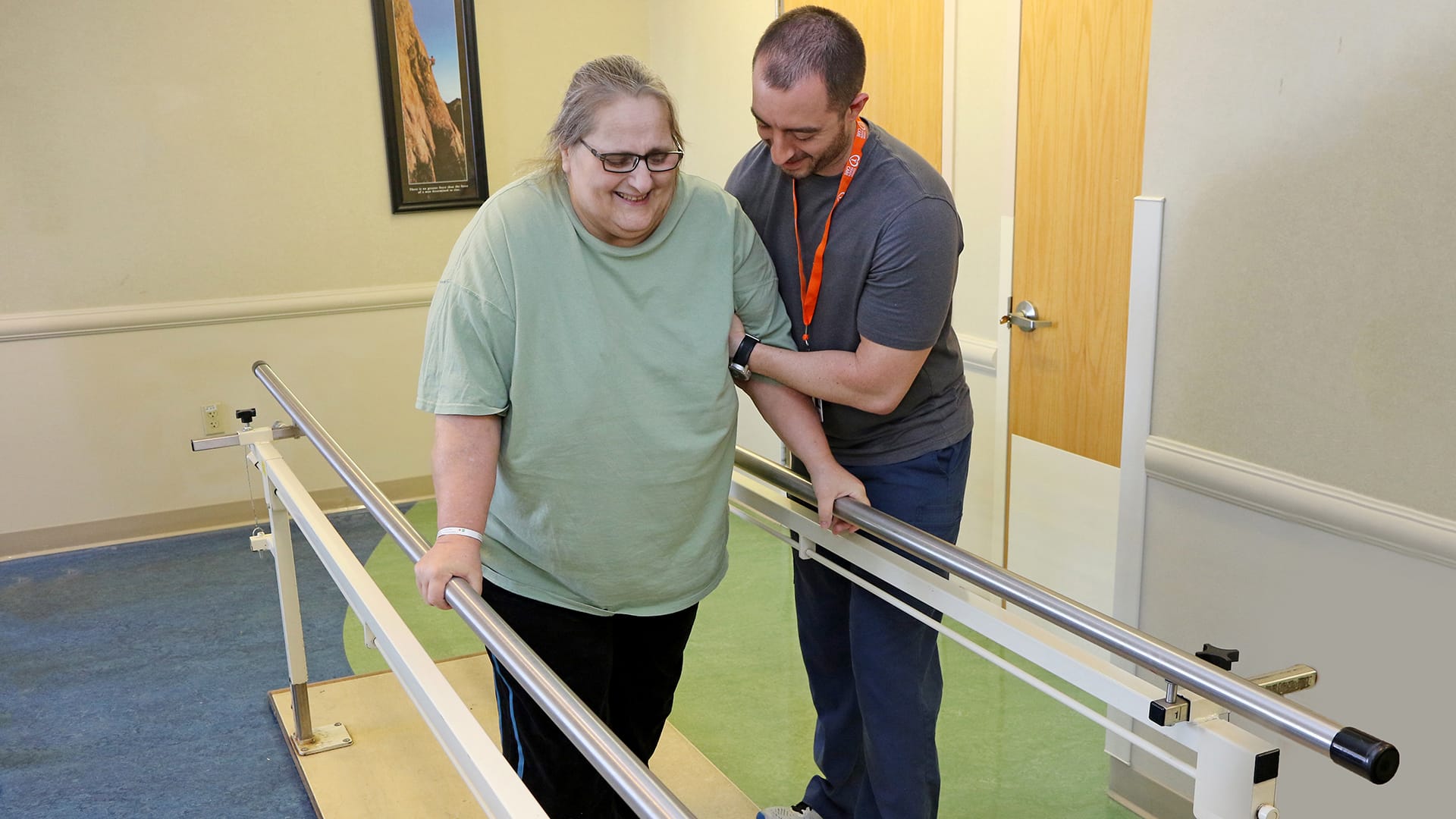
A walk to the bathroom takes longer than it did three days ago. Someone who was talking comfortably through therapy now needs a pause halfway across the room. Another person says, “I’m just tired,” and leaves it there.
During heart recovery, those small changes deserve attention.
World Heart Day returns on September 29, 2026, with the World Heart Federation continuing its “Don’t Miss a Beat” campaign. This year’s message puts unusual weight on symptoms that can be missed, dismissed or explained away. That fits recovery especially well. A person coming back from a cardiac event, surgery or a serious illness may already expect fatigue, weakness and a slower pace. The hard part is noticing when the pattern has changed.
There is plenty of reason for New Yorkers to pay attention. The New York State Department of Health reports that 7.9% of adults said they had experienced a heart attack, angina or coronary heart disease, or stroke in 2023. Among adults 65 and older, the figure was 18.6%.
What Can Change During Cardiac Recovery White Plains NY
Chest pain is the symptom everybody knows. Recovery teams watch for more than that.
New shortness of breath during activity, unusual exhaustion, dizziness, fainting, or a change in existing chest discomfort can all be reasons to speak up. The comparison point counts. A person who has been walking the same hallway for four days and suddenly needs two extra stops has given the care team useful information. So has the patient who can complete therapy but takes much longer than usual to recover afterward.
Current cardiac-recovery guidance tells patients to report new chest discomfort, new shortness of breath with activity, extreme fatigue, dizziness and fainting.
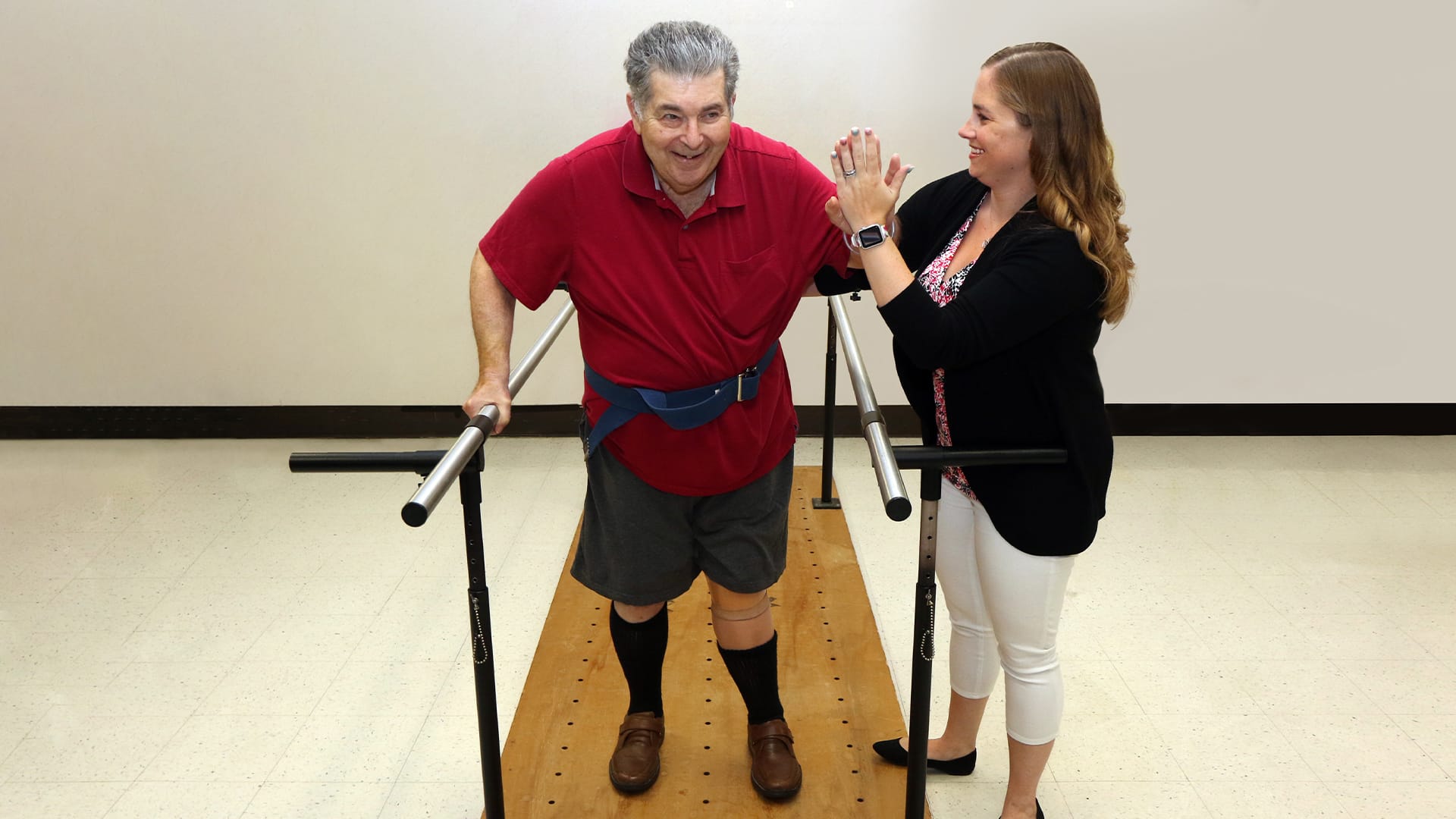
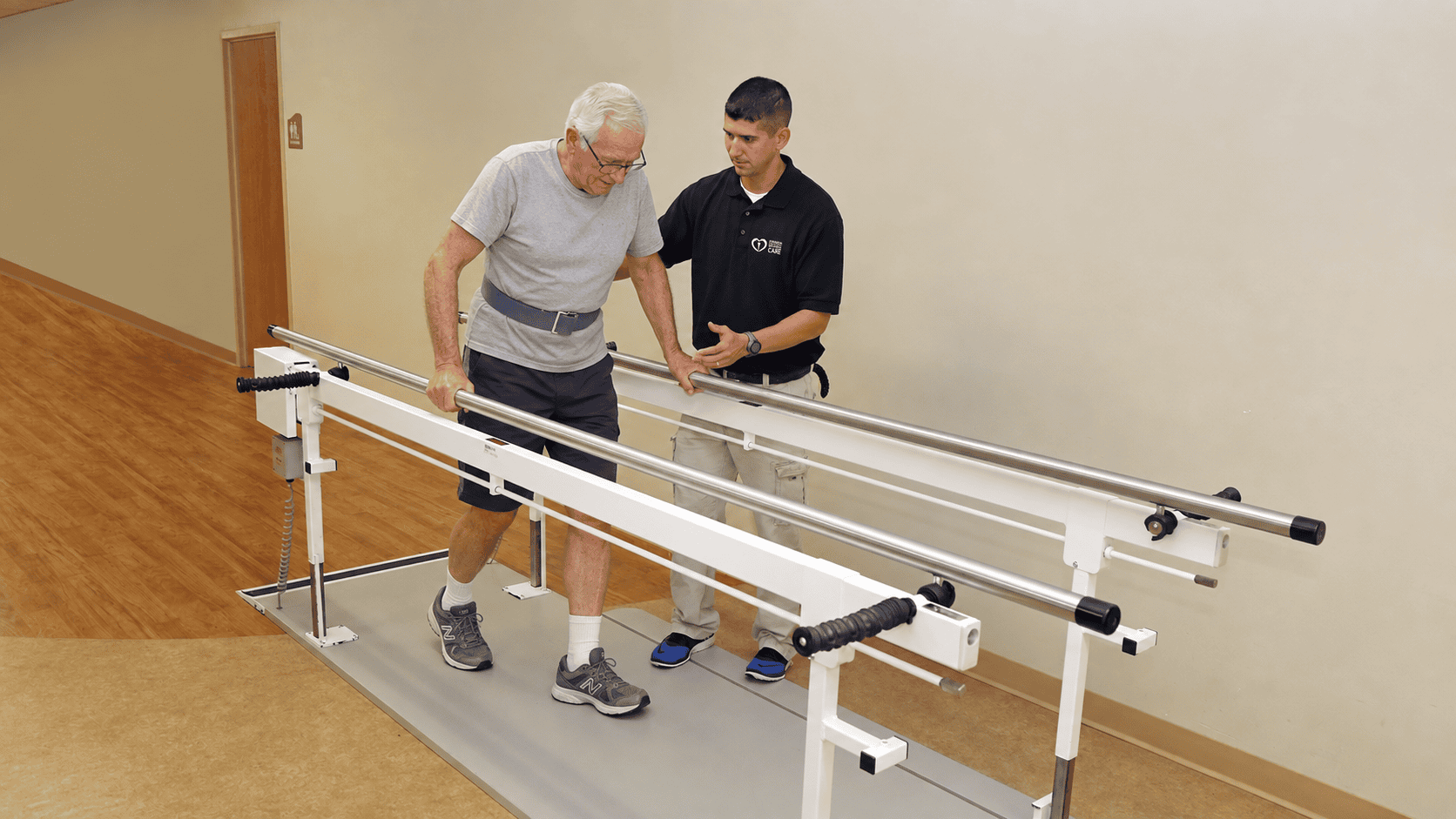
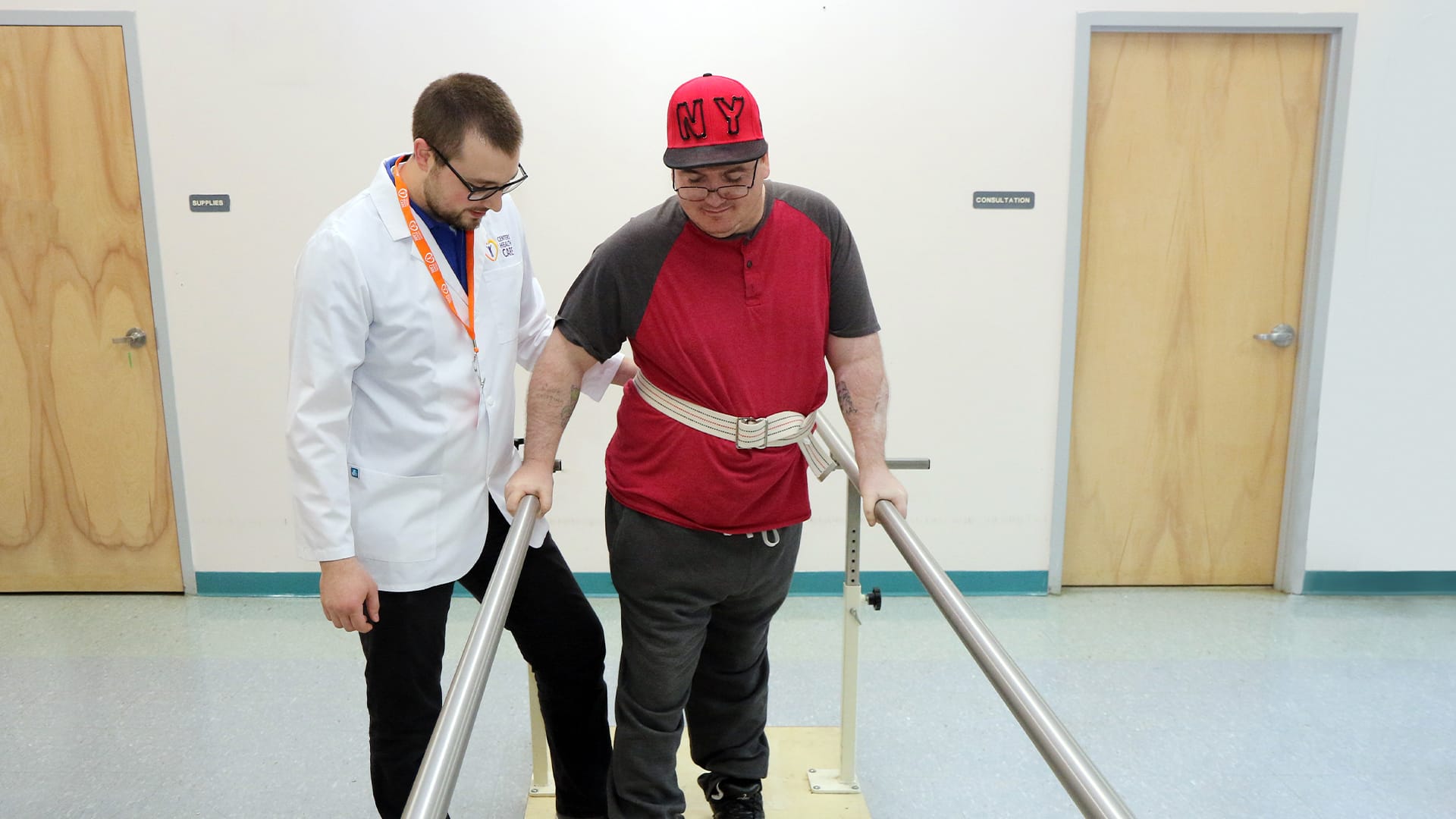
A structured rehabilitation setting gives staff plenty of repeatable observations. Getting out of bed. Walking a familiar distance. Dressing. Standing at a sink. Participating in therapy. Day after day, there is a baseline. Sometimes a change becomes obvious there before a patient has found the words to describe it.
Exercise Tolerance During Cardiac Recovery White Plains NY
Rebuilding endurance usually happens in increments. A few more minutes. Another lap. A little less assistance.
A rehab note saying only “patient exercised” leaves out the useful part: how the body handled the work.
Heart rate and blood pressure may be monitored as clinically appropriate, and patients may be asked how hard an activity feels. Even a basic “talk test” has value. During moderate activity, a person should generally be breathing harder while still able to carry on a conversation. Warm-up and cool-down periods allow heart rate and breathing to rise and fall gradually.
The numbers never tell the whole story. Therapists also see gait, balance, facial color, coordination, how much help is needed, whether someone becomes lightheaded and how quickly breathing settles afterward.
A session that looked routine on Monday may look different on Thursday. Nobody needs to diagnose the reason on the spot to recognize that the change should be mentioned.
Medication Consistency During Cardiac Recovery White Plains NY
Pill schedules can get crowded after a cardiac hospitalization. Some medications control blood pressure or heart rate. Others may reduce clotting risk, manage cholesterol or support treatment of heart failure and related conditions. The exact list varies by patient, and instructions can change over time.
Consistency is the practical part. Take medications as prescribed, ask when an instruction is unclear and tell the healthcare team about side effects instead of quietly skipping doses. Medication lists and simple tracking routines can help when several prescriptions are involved.
That gets more important as a regimen becomes complicated. Current cardiovascular guidance notes that heavier medication burdens can make adherence harder and side effects more difficult to sort out. If the regimen starts causing trouble, the clinical team can review it. Stopping medication independently can create a second problem.
This is one area where boring is good. Same medication. Correct dose. Correct time. Questions raised before they turn into guesswork.
When a New Symptom Should Be Reported
Some recovery symptoms can be watched and discussed. Others need a faster response.
A new change in chest discomfort, breathlessness with activity, marked fatigue, dizziness or fainting should be reported to the healthcare team. Symptoms that suggest a heart attack or stroke require emergency action and a call to 911.
Families can be useful observers here. They may notice that someone is sleeping far more than usual, eating less because activity feels exhausting, or avoiding a walk that had become routine.
None of those observations proves there is a new heart problem. They belong in the conversation anyway. Recovery is easier to follow when everyone is working from the same facts.
Progress Is Usually Uneven
A cardiac recovery plan has to leave room for good days, flat days and the occasional day that looks like somebody took two steps backward.
Core cardiac rehabilitation spans several areas: patient assessment, cardiovascular risk-factor management, nutrition, psychosocial care, aerobic and strength training, physical-activity counseling and outcomes assessment. In skilled rehabilitation, that wider view becomes important because heart recovery may be happening alongside stroke recovery, pain, weakness, wound healing or the loss of stamina that follows a long illness.
The best progress note may be mundane.
Less help getting up. A steadier turn. Five more minutes of activity. No dizziness today. A patient remembering the afternoon medications without prompting.
Small findings build a picture over time. Sometimes a shift in that picture is the first clue that the plan needs another look.
Care. Support. Positive Outcomes. Centers Health Care.
For people seeking cardiac recovery in White Plains, NY, Martine Center combines Cardiac Care and Short-Term Rehab with Long-Term Care, Stroke Care, Hospice Care, Pain Management and Wound Care. The White Plains team includes nurses and therapists, onsite medical staff, individualized rehabilitation planning and electronic charting designed to keep the people involved in a resident’s care in communication; the center describes its rehab approach as focused on helping patients grow stronger and work toward returning home. Learn more about Martine Center
Care. Support. Positive Outcomes. Centers Health Care.
Centers Health Care provides rehabilitation, skilled nursing and long-term care for people with a wide range of needs. Whether someone is recovering from surgery, managing an illness or simply needs more support than can be provided at home, our staff is there to help.
The goal is not exactly the same for everyone. It may be returning home, becoming stronger, staying independent or simply feeling better and more comfortable from one day to the next. There will be progress, setbacks and difficult days along the way. Our job is to be there through all of it, and to help each patient or resident get as far as he or she can.
Sometimes that progress comes in large steps. More often, it comes in small ones. Either way, every step matters.
Our Steps to Home series follows patients through rehabilitation and the journey from hospital to home: