World Osteoporosis Day 2026: Orthopedic Care in Schenectady, NY and Safer Fall Movement at Schenectady Center
Somebody’s grandmother steps off a curb on Altamont Avenue in late October, right onto a slick mat of maple leaves. She puts a hand out. The wrist breaks. In the emergency room nobody calls it a bone disease, they call it bad luck, and a few weeks go by before a density scan tells a different story.
World Osteoporosis Day falls on October 20, a Tuesday this year, and the 2026 campaign goes by the slogan “That’s Osteoporosis,” built around ordinary people talking about their own fractures. Smart choice. The condition is notorious for keeping its mouth shut. Bone thins for years with no pain at all, and then a fall from standing height does damage a fall from standing height has no business doing.
Ballpark: about one woman in three over 50 will break something because of osteoporosis, and roughly one man in five. Upstate the calendar doesn’t help. Ice season is maybe six weeks out.
Why a Broken Wrist Deserves a Second Look
Hip fractures grab the headlines. Fair enough, since something like 300,000 older Americans get hospitalized with one every year and around 95 percent of those start with a fall. Wrists and spines usually go first, though. A compression fracture in a vertebra can pass for a cranky back, and plenty of people only notice when their slacks seem to have gotten longer.
Break one bone this way and a second break gets a lot likelier, mostly over the next twelve to twenty-four months. Bone specialists call that stretch imminent fracture risk, about as cheerful as it sounds. Rehab after a plated wrist or a pinned hip ends up with a double job. Heal the bone. Then figure out what put her on the floor. Wet leaves? Blood pressure dipping every time she stands? A new pill that makes evenings foggy? Bifocals on the stairs?
Sometimes there’s no clean answer. A fracture after 50 is still a good reason to ask the physician about a DXA scan and whether bone-building medication belongs in the plan.
What Orthopedic Care in Schenectady, NY Looks Like After a Fall
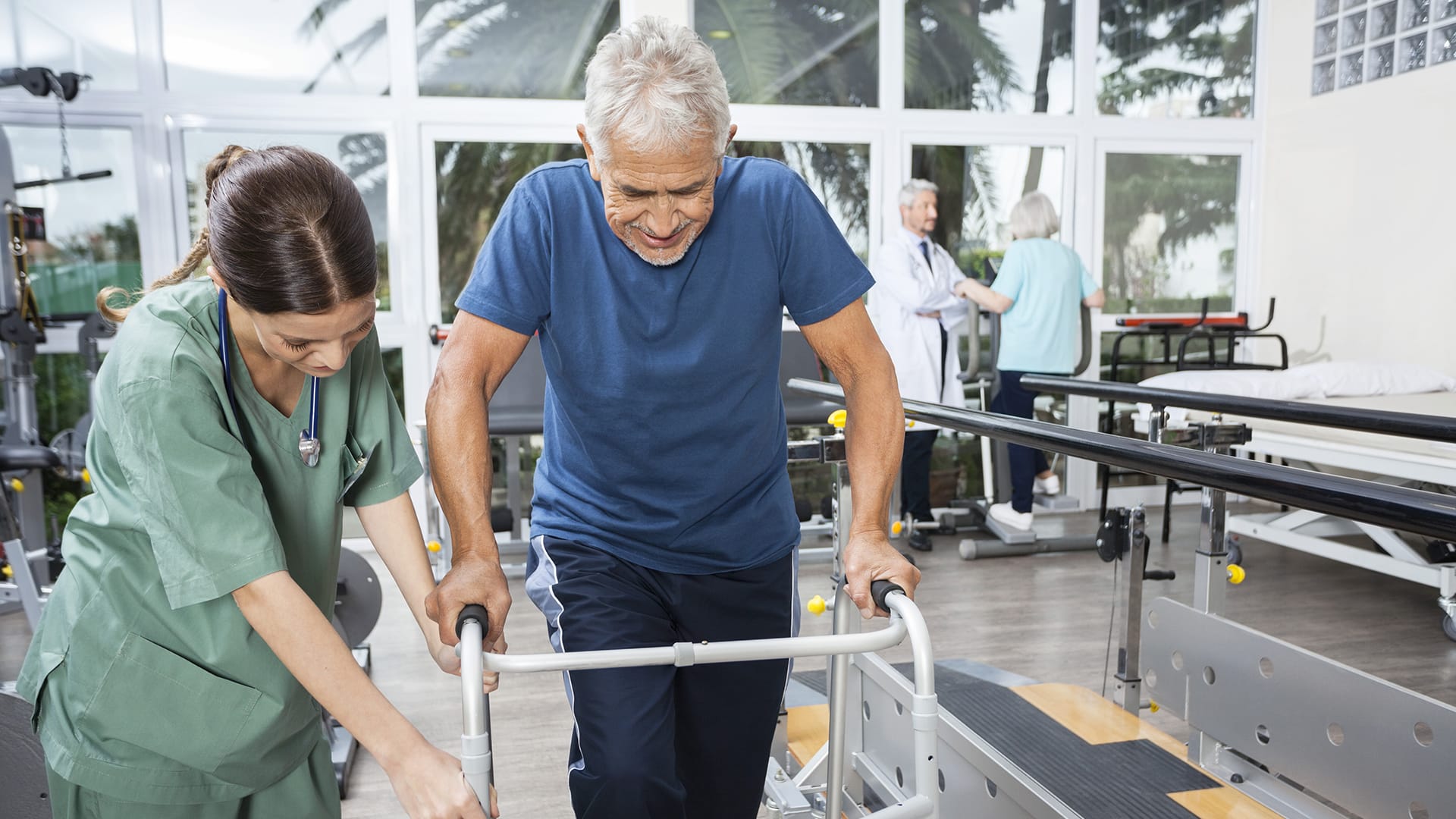
Therapists love a stopwatch, and the stopwatch is not interested in your excuses. Timed Up and Go is about as glamorous as it sounds. Up out of the chair, ten feet out, turn, ten feet back, down. If that takes twelve seconds or more, somebody writes it down and the fall-risk box gets a check. The 30-Second Chair Stand just counts how many times you get all the way up with your arms crossed over your chest. There’s a four-stage balance test that keeps narrowing the stance until you’re on one foot, plus the Berg Balance Scale, 14 tasks long, including reaching forward and turning around to look behind you.
Those numbers get retested. Progress tends to show up on paper before the patient buys it.
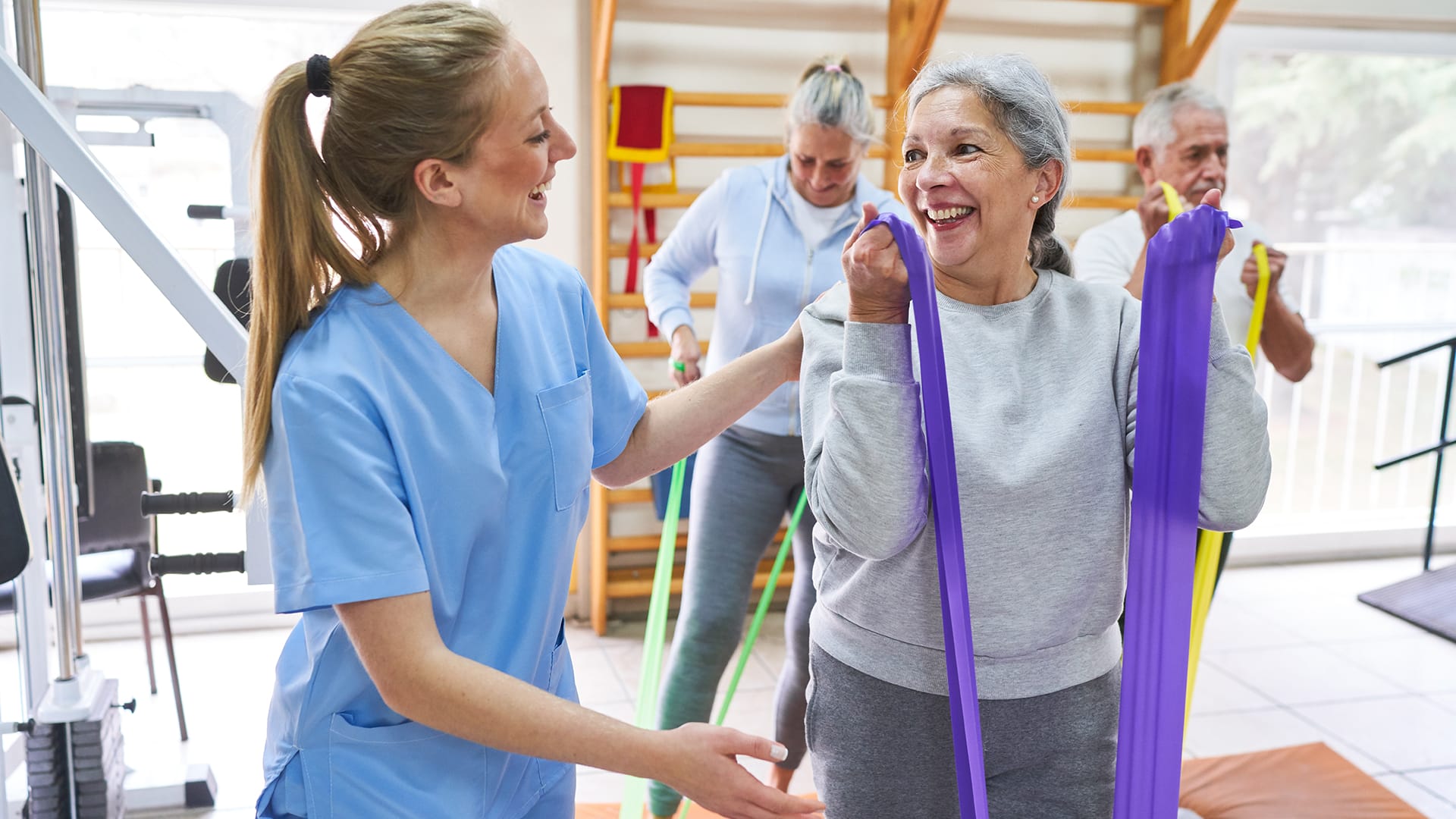
Then the strengthening, which has its own rulebook. Crunches are out for anybody whose vertebrae are already thin, and so is that bend-and-twist thing everyone does to get the laundry basket out from under the bed, forty times a day, without ever thinking about it. On the mat you’d more likely catch glute squeezes and quad sets. At the counter, heel raises, both hands down. Somebody shifting weight left, right, left. And the heel-to-toe walk along the hallway rail, which looks a lot like a roadside sobriety test except nobody’s getting a ticket. Had the hip replaced from the back? Then the surgeon’s rules ride along too. Knees stay below the hips. Legs uncrossed. Toes aimed straight ahead, never turned in. Pain management gets scheduled around all of it so the toughest session of the day doesn’t land on the sorest hour.
Shoes, Chairs and the 2 a.m. Bathroom Run
Ask a physical therapist which footwear they’d outlaw and you’ll get the answer before you finish the question. Backless slippers. Your uncle has worn the same pair since the Carter administration? Mazel tov to your uncle. The shoe they’d sign off on has a back to it. Thin, firm sole, so the foot can feel the floor. Barely any heel, and wide. Laces or a strap that stiff fingers can deal with. Velcro counts.
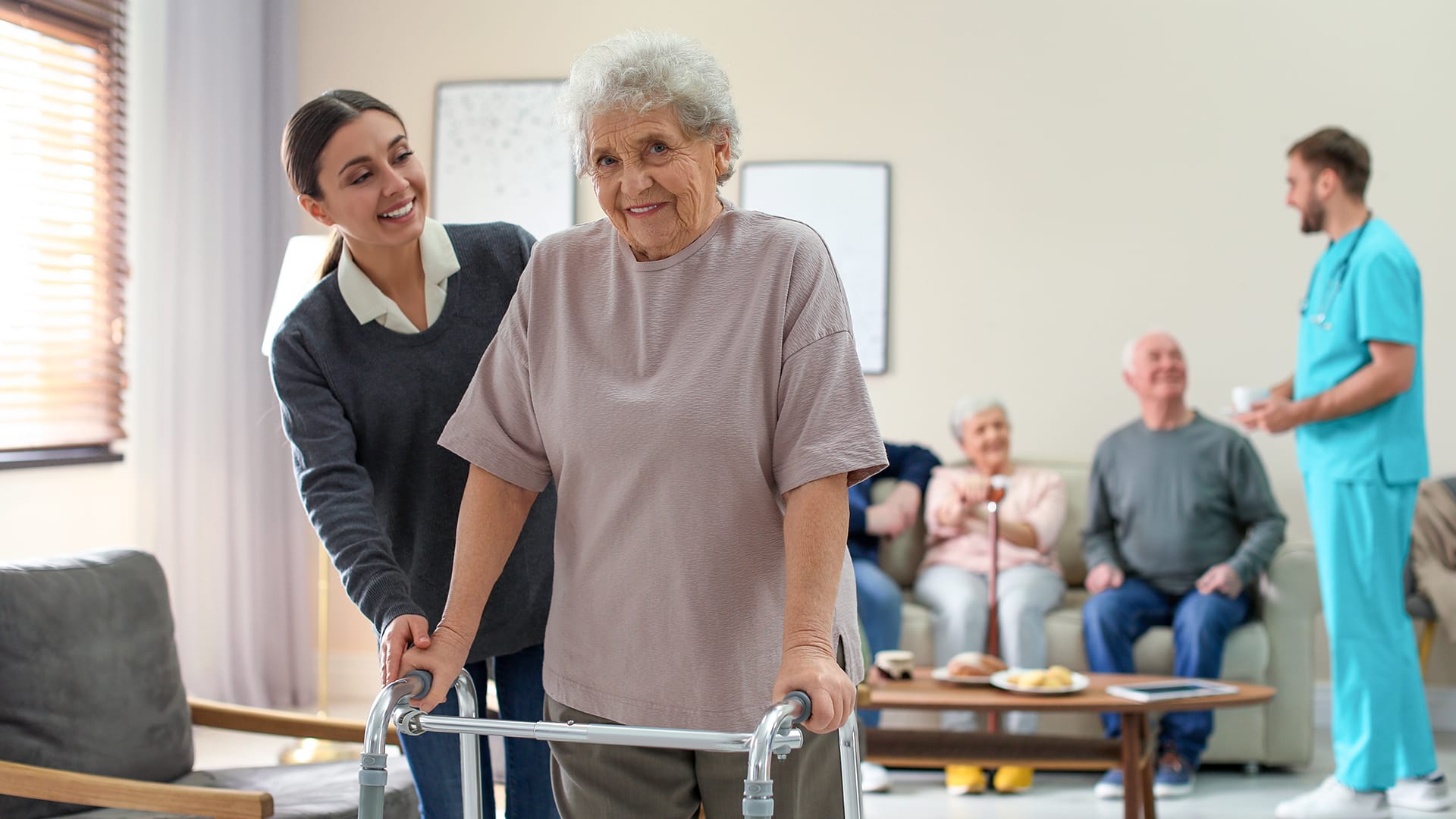
Standing up from a chair seems like the last skill anybody needs to relearn. Scoot to the front edge. Feet back under the knees. Nose over toes, push off the armrests. Hauling yourself up on the walker is how walkers tip over, and therapists correct that one about a hundred times a week. Bed to commode, toilet to standing, car seat to curb. All of it gets practiced.
Nights are trouble. Groggy, in a hurry, dark hallway. Plug-in lights along the route from bed to bathroom are about the easiest fix in this whole article.
Questions to Settle Before Anyone Says “Discharge”
Home is where the plan meets reality, so raise these early, not during the last week:
Start at the front door. Three steps, five, a whole staircase? Is there a railing, and is it on the side of the good arm? Does the tub have a high wall to step over, and would a transfer bench fit? Grab bars, or is everyone quietly planning to grab the towel rack? (Towel racks aren’t built for that.) Who’s around for the first few days home? And then the clutter nobody thinks about until a walker wheel catches on it: the hall runner, a phone charger cord, a cat with a habit of napping across the doorway.
Some OTs will ask the family to snap pictures of the bathroom and the stairs on their phones. Sounds fussy. Saves arguments later.
Then there’s the fear. After a fall, lots of people start moving less on purpose, the legs weaken, and the next fall gets likelier. Clinicians even have a questionnaire for it, the Falls Efficacy Scale–International. Confidence comes back slowly and mostly by doing things. Walking the hallway again. Carrying a cup of tea in one hand. Sitting down on a toilet lower than the one at rehab.
Orthopedic Care Schenectady NY Families Can Reach on Altamont Avenue
Altamont Avenue, number 526. Ask families how they ended up picking a rehab and the drive comes up a lot more often than the brochure, and honestly? Fair. Mom’s in rehab working on getting up off the toilet by herself, and you’d like to drop off clean socks on a Tuesday without losing the whole afternoon to I-890. At Schenectady Center the orthopedic care, pain management and short-term rehab people all work under one roof. Her therapist and the nurse tracking her pain scores can compare notes over coffee. Stroke, wound and dementia care are on the menu as well, plus long-term care for people who end up staying. Anybody weighing the orthopedic care offered in Schenectady, NY has available can come by this week and ask the blunt questions, about fall risk and about how long recovery honestly takes.
Care. Support. Positive Outcomes. Centers Health Care.
Centers Health Care provides rehabilitation, skilled nursing and long-term care for people with a wide range of needs. Whether someone is recovering from surgery, managing an illness or simply needs more support than can be provided at home, our staff is there to help.
The goal is not exactly the same for everyone. It may be returning home, becoming stronger, staying independent or simply feeling better and more comfortable from one day to the next. There will be progress, setbacks and difficult days along the way. Our job is to be there through all of it, and to help each patient or resident get as far as he or she can.
Sometimes that progress comes in large steps. More often, it comes in small ones. Either way, every step matters.
Our Steps to Home series follows patients through rehabilitation and the journey from hospital to home: