World PT Day 2026: How Beth Abraham Center Supports Cardiac and Stroke Rehabilitation Bronx Families Can Build On
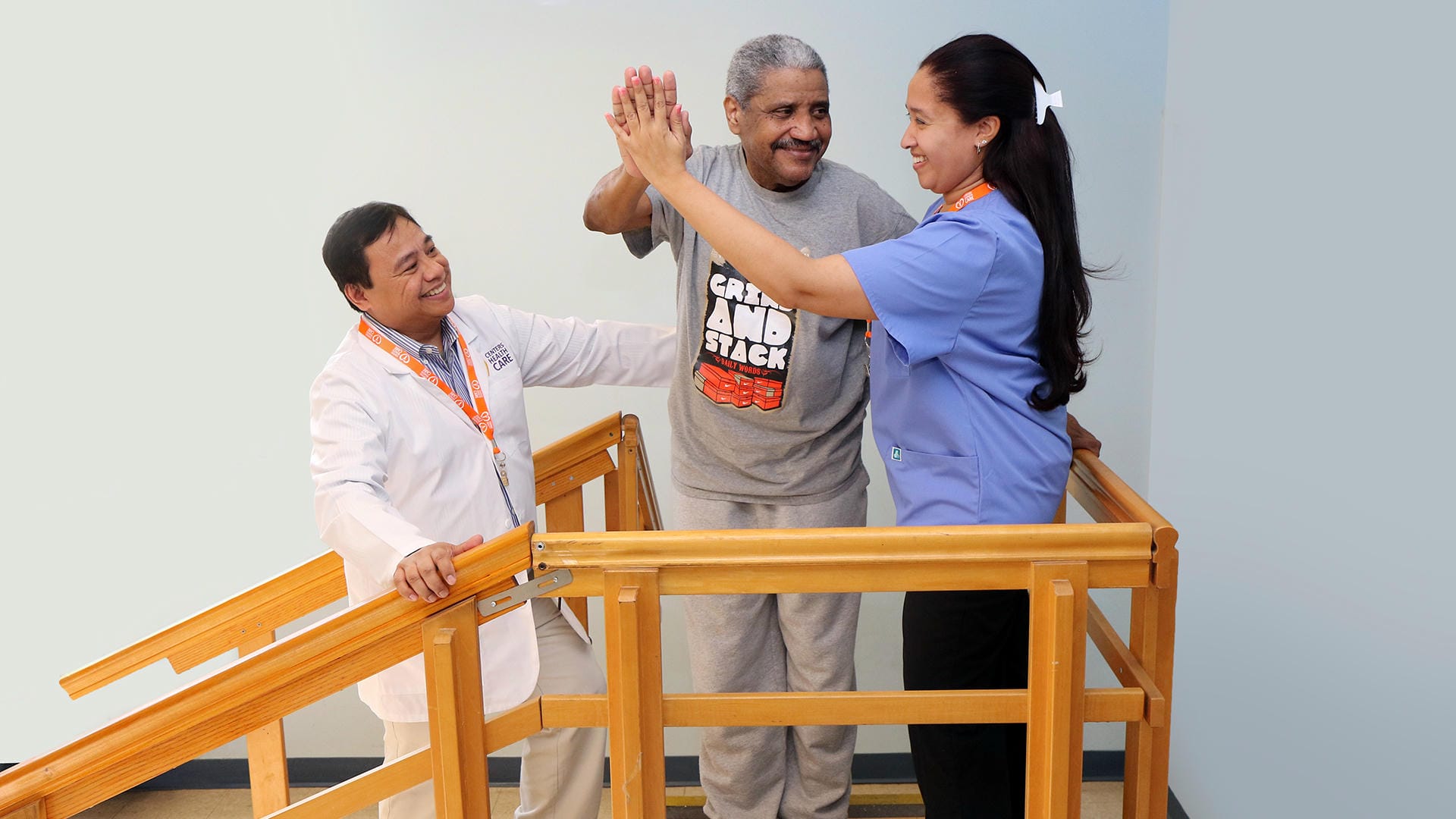
The distance from a bed to a bathroom can feel absurdly long after a stroke. Following a serious cardiac event, even getting dressed may leave someone winded. Families usually notice these ordinary struggles before they learn the clinical terms for them. Physical therapists do, too. They watch how a patient rises, where the knee wobbles, when breathing changes and whether the person can turn without losing balance.
That is a useful way to approach World PT Day on September 8. The 2026 campaign looks at physiotherapy and physical activity in the prevention, management and rehabilitation of cardiovascular disease and stroke. Its subject is global; the work itself gets very local. In the Bronx, recovery may mean handling an apartment hallway, a curb on Allerton Avenue or the walk from the front door to a familiar bus stop.
What Cardiac and Stroke Rehabilitation Bronx Patients Actually Practice
“Walk farther” sounds like a goal, though it gives a therapist very little to work with. How far? At what pace? With which device? What happened to blood pressure, heart rate, breathing and leg control along the way? A usable plan turns the broad wish into something observable.
For one person, progress might show up in the six-minute walk test. Someone else may begin with repeated sit-to-stands from a firm chair, a short gait-speed measure or a timed transfer. Therapists can also use tools such as the Berg Balance Scale or Timed Up and Go when those measures fit the patient’s condition. The point of testing is not to collect impressive-looking numbers. It is to see what changed and decide what needs changing next.
Cardiac recovery calls for graded effort. Sessions may combine a warm-up, carefully dosed walking or cycling, light resistance work and a cool-down, while the team checks symptoms and vital-sign response. A rating of perceived exertion gives the patient another way to describe how hard the body is working. Two people moving at the same speed can be having very different sessions.
Why Cardiac and Stroke Rehabilitation Bronx Plans Cannot Be Identical
Thirty feet down the hall: fine. The turn back toward the chair: suddenly, not fine. Someone can have enough strength to walk straight ahead and still struggle badly when direction changes. Stroke leaves odd combinations like that. Sensation, vision, timing or attention may be the larger problem on a given morning.
Heart recovery has another sort of arithmetic. A few minutes upright may be easy; minute six may bring breathlessness. An illness-related layoff can weaken the legs at the same time. Add fear of provoking another episode and a patient may move far below what the body can safely tolerate. A therapist has to sort out the limit before trying to extend it.
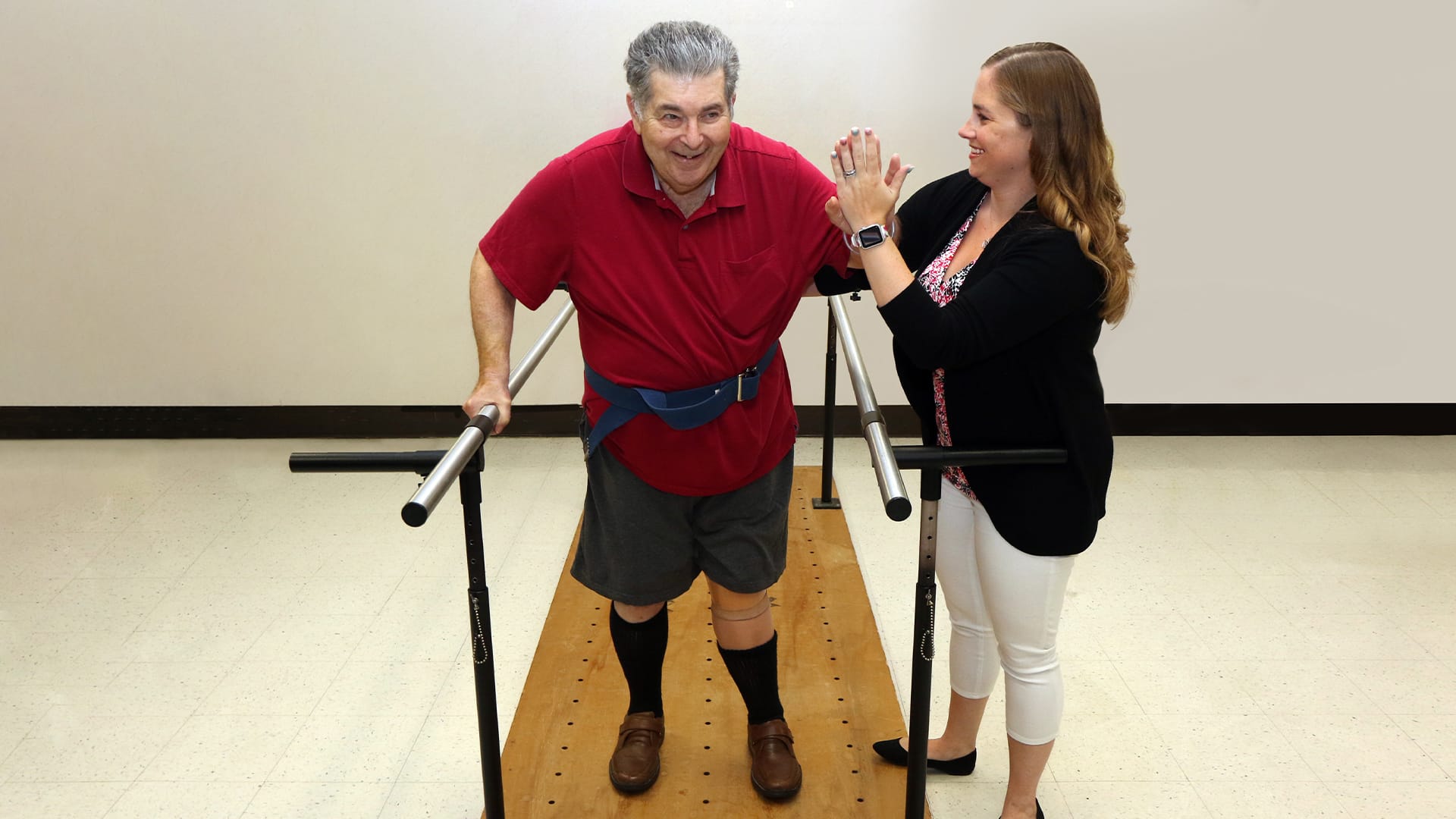
Then there is the chair. Feet move back. The nose comes forward. Hands push, the hips rise, and the patient has to finish standing without pitching ahead. Later, the same sequence runs in reverse without dropping into the seat. It looks fussy because it is. Change the chair height or the position of one foot and the result may change with it.
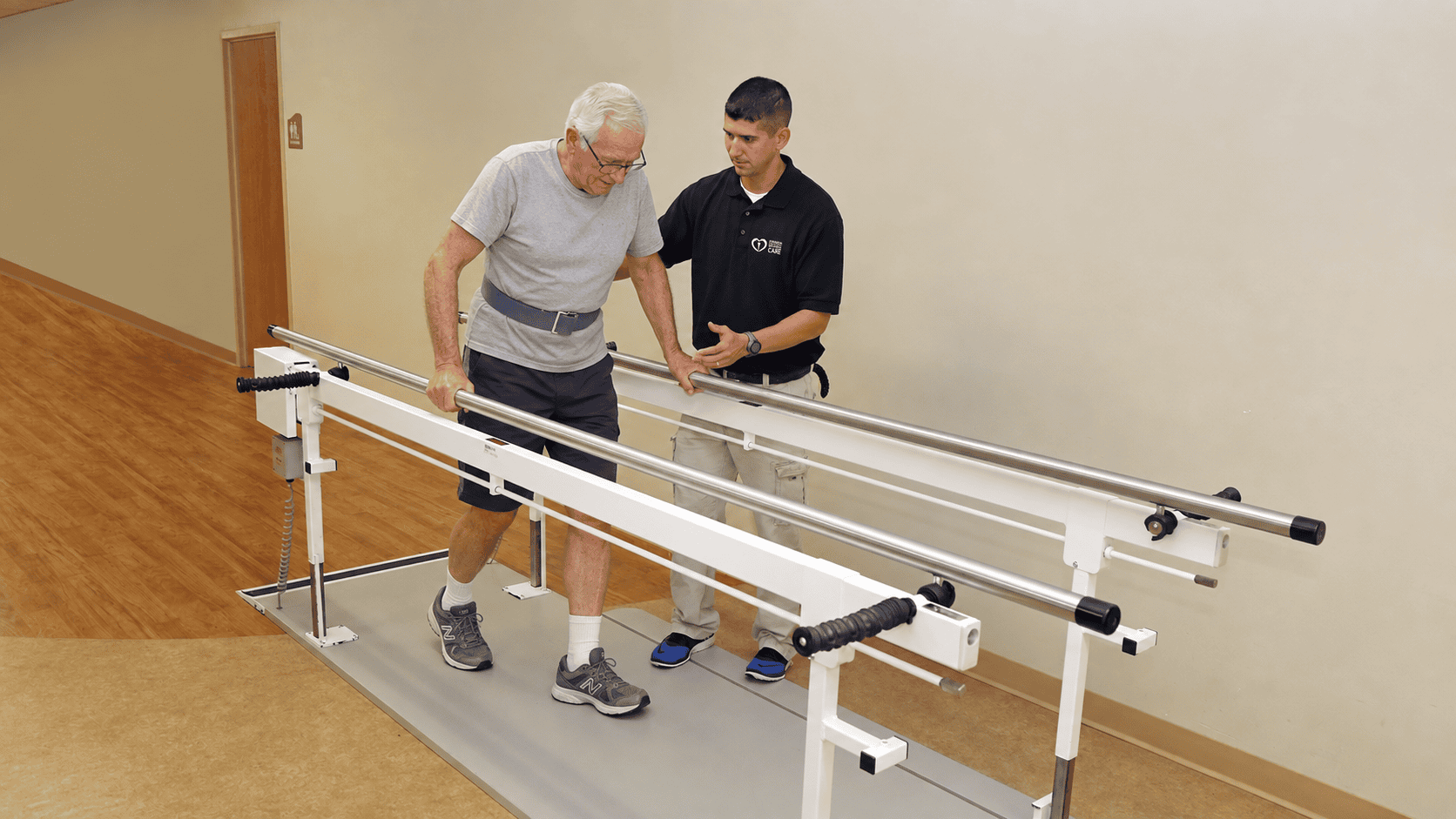
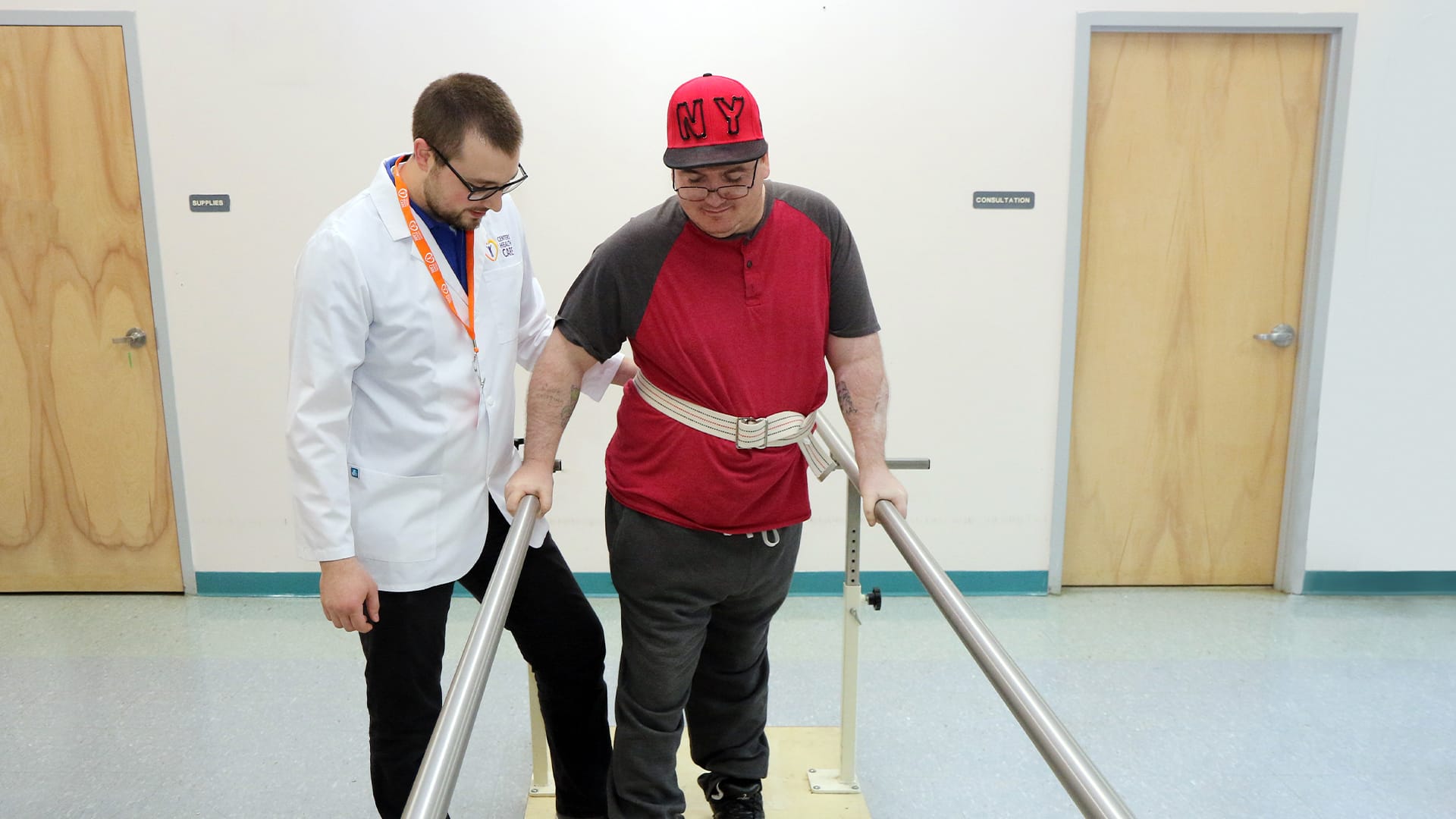
Caregivers practice, too. They learn where to stand, how much help to offer and why tugging a weak arm is a poor shortcut. Balance drills may begin with quiet standing and eventually include reaching, turns, thresholds and changing surfaces. The order depends on what happened today, not what a stock handout says should happen in week three.
The September Problem: Recovery Has to Leave the Therapy Room
“The walker fits everywhere except the bathroom.” A family can mention that in passing and change the whole discharge discussion. Door width, the route from bed to toilet, chair arms and the number of steps at the entrance are hardly glamorous details. They are often the useful ones.
The Bronx outside the apartment is less forgiving than a therapy gym. Elevator doors hurry. Sidewalk slabs sit unevenly. A trip to the corner may involve a stoop, two curbs and people moving around the walker. Practice inside gives the team a starting point; it does not recreate Tuesday afternoon on Allerton Avenue.
Nor does Labor Day switch off summer. New York can stay hot well into September, a concern for somebody with cardiovascular disease. Certain medicines also affect heat tolerance. Before outdoor activity, the patient’s own instructions on exertion, weather and fluids take priority. A cheerful order to “get some walking in” leaves out the important part.
Personal routines make the plan less abstract. Enough stamina to attend services. A safe way to reach the corner store. Tea made without holding a hot cup in the same hand needed for a walker. Physical and occupational therapy can work through those situations from different angles. If stroke has changed swallowing, speech, attention or communication, speech-language therapy has a role. Nurses see the hours between sessions, including the sore shoulder at night or the fatigue that arrives after lunch. That information can send tomorrow’s session in a new direction.
Beth Abraham Center and Cardiac and Stroke Rehabilitation Bronx Recovery
Allerton Avenue is where the broad World PT Day theme becomes a Bronx question: what will this person need to do after leaving the building? Beth Abraham Center has Cardiac Care, Stroke Care and Short-Term Rehab on its service list, along with Orthopedic Care, Pain Management, Wound Care and Long-Term Care. The overlap is worth noticing. A heart condition can set the walking pace while a sore knee changes the stride; skin or wound concerns may affect footwear and weight-bearing. Therapy goals have to survive all of those facts. Perhaps the target is a steadier turn. Perhaps it is the endurance to reach a familiar bus stop. “Back in the neighborhood” is made out of such pieces.
Steps to Home: Care. Support. Positive Outcomes. Centers Health Care.
“What comes next?” sounds like one question. Usually, it contains five. Can the person stand safely, manage the morning routine, tolerate the walk, handle a painful joint and get through lunch without being spent?
At Beth Abraham Center, an answer may draw on rehabilitation, skilled nursing or long-term care within Centers Health Care. A patient coming back from stroke will arrive with one set of problems. Cardiac illness, surgery, a hard-to-heal wound or increasing need for day-to-day help brings another. The staff has to begin with the person in front of them, not the category on the chart.
Home may remain the destination. Independence may mean doing one more part of dressing without help. Comfort may be the sensible goal for now. Progress has an untidy calendar, with an excellent Monday followed by a rough Thursday for no obvious reason.
So the work continues from wherever Thursday left it. Ten extra feet counts. One safe transfer counts. Tomorrow can argue with the plan when it gets here.
Care. Support. Positive Outcomes. Centers Health Care.
Centers Health Care provides rehabilitation, skilled nursing and long-term care for people with a wide range of needs. Whether someone is recovering from surgery, managing an illness or simply needs more support than can be provided at home, our staff is there to help.
The goal is not exactly the same for everyone. It may be returning home, becoming stronger, staying independent or simply feeling better and more comfortable from one day to the next. There will be progress, setbacks and difficult days along the way. Our job is to be there through all of it, and to help each patient or resident get as far as he or she can.
Sometimes that progress comes in large steps. More often, it comes in small ones. Either way, every step matters.
Our Steps to Home series follows patients through rehabilitation and the journey from hospital to home: