World Spine Day 2026: Orthopedic Rehabilitation Troy NY, Pain Management, and Safer Movement at Troy Center
Last Friday was October 16. Most of Troy spent it raking leaves, or watching the Hudson turn the color of dishwater, or fighting about whether it’s too early to turn on the heat. A smaller crowd marked World Spine Day, running this year under the banner “Spine Health for Life.”
Slogans are cheap. This one at least has a point buried in it. Around 619 million people worldwide were dealing with low back pain in 2020, and the projections land somewhere near 843 million by 2050. Plenty of them will be somebody’s grandmother on Marvin Avenue, and some of them already are.
Orthopedic Rehabilitation Troy NY Style: Rules First, Then Reps
The first week after a lumbar surgery or a compression fracture is mostly about rules. No bending past ninety degrees at the hip. No lifting. No twisting. Therapists abbreviate it BLT, which is a lousy name for a sandwich nobody ordered.
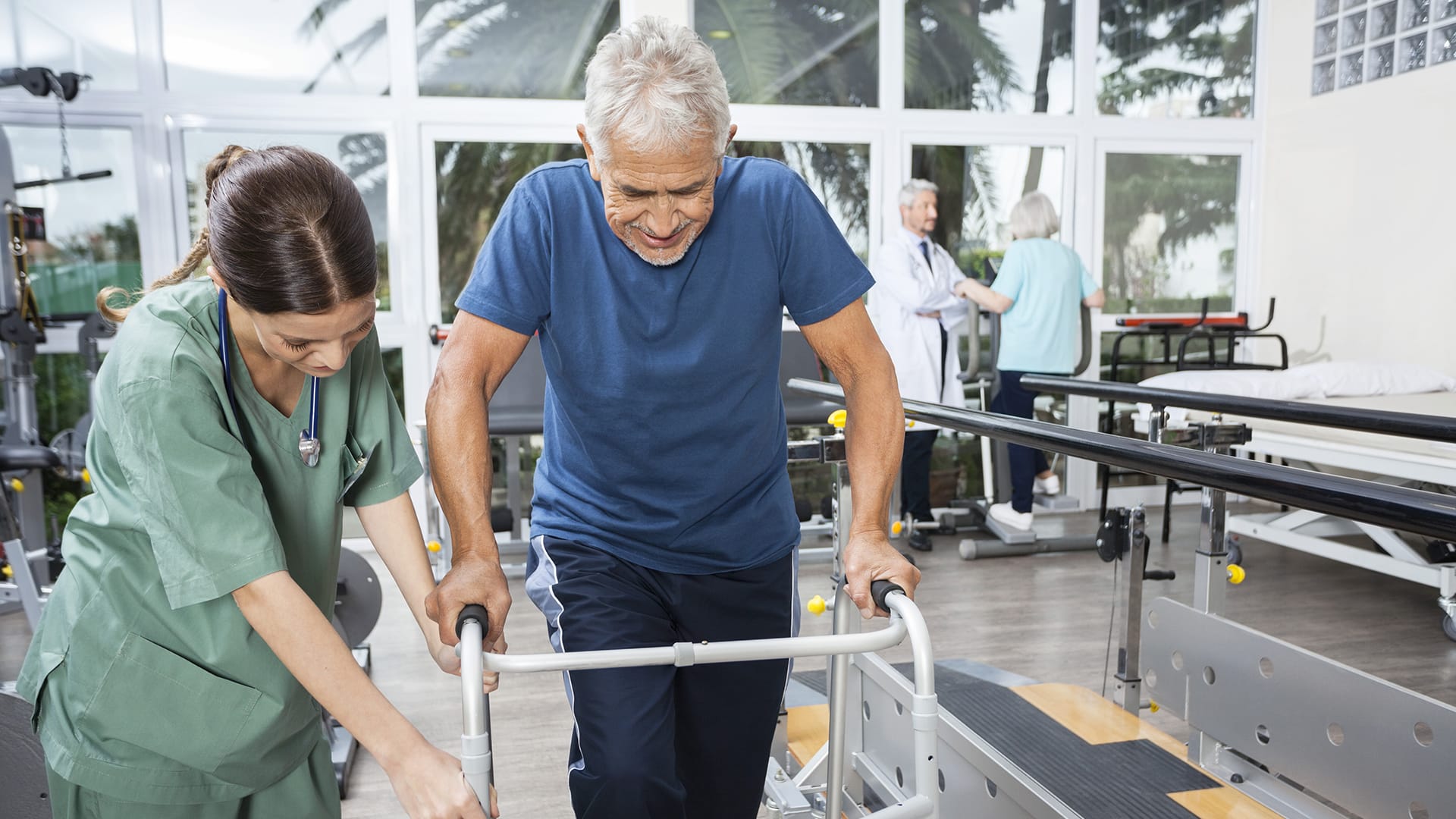
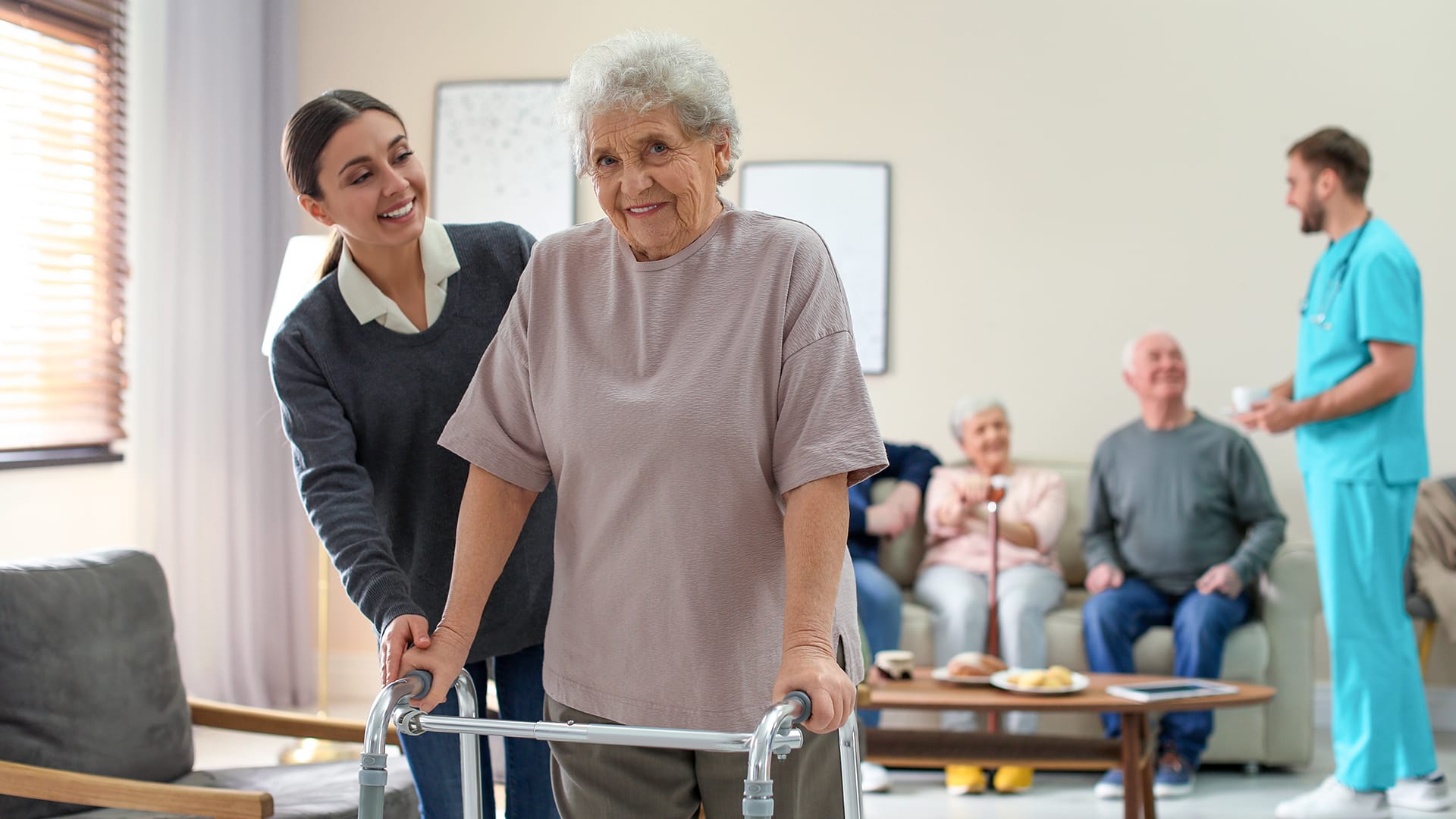
Then the restrictions ease off, slowly. Getting out of bed by log-rolling gets practiced until patients are bored of it. Sit-to-stand drills happen from chairs of different heights, because the recliner at home won’t be the same as the one in the gym. Gait training with a rolling walker. Core work so subtle a visitor would assume the patient was napping.
Osteoporosis complicates all of it. A vertebra can collapse from a hard cough or from dropping into a chair too fast, and a fair number of those fractures get discovered by accident on an x-ray taken for something else entirely.
Lifting Like You Plan to Keep Your Back
Every October somebody’s uncle decides to carry the air conditioner down to the basement himself.
Safe lifting mechanics haven’t changed in decades. Feet apart. Load close to the belly. Bend at the hips and knees, and leave your back roughly where it was while you stood there admiring the box. Turn with your feet. The waist stays out of it. People know all this, more or less, and then they go and do the opposite.
Before discharge, therapists usually hand residents a weight ceiling. After lumbar surgery it’s often in the five-to-ten pound range for the first several weeks. A full gallon of milk weighs about 8.6 pounds. So does a decent bag of groceries. Funny how that number gets more respect than any poster about bending your knees.
Snow season in the Capital Region is a few weeks out. Shoveling combines lifting, twisting, and cold muscles at 6 a.m. Plan accordingly, or plan on a neighbor’s kid with a shovel.
Posture, Pacing, and the Long Afternoon in a Chair
Posture advice tends to come out sounding like a nun with a ruler. Sit up straight. Okay, but nobody holds one position perfectly for hours, and nobody should try. Spines like variety. In the gym, the working rule is to shift position roughly every half hour, even if it means standing at the bedside for a minute with staff close by.
Pacing is harder to teach.
Patients who feel terrific on Tuesday do everything on Tuesday and pay for it Wednesday. Therapists call it boom-and-bust, and they push a quota system against it: walking distance or exercise reps get set by the clock or by count, never by mood, and they go up in small planned increments. It’s dull. It also beats heroics most weeks.
How to Describe Pain So the Team Can Use It
“It hurts” is true and nearly useless.
Our pain management staff will ask for the 0-to-10 number, sure. Then they keep digging. Where does it start? Does it travel down a leg? Sharp, burning, achy, electric? Bad first thing in the morning and loosening up by lunch, or fine until the third lap of the hallway? Does it get you up at 3 a.m.?
The answers do a lot of sorting. Burning that shoots below the knee hints at a nerve. Stiffness that eases with movement leans mechanical. Pain spiking at night while lying still goes straight to the physician.
Then there’s the resident with advanced dementia, who isn’t going to hand anybody a number. For her the nurses watch instead. PAINAD is the usual checklist: how’s she breathing, is she moaning, what’s the face up to, is she guarding or fidgeting, does a hand on the shoulder settle her down. Families help here more than they guess. You know what your mother’s face does when something’s off. Tell us.
Keep notes on the back of an envelope if that’s what’s lying around. When it hit, what you were doing, the number, one word for what it felt like. Three days of that envelope teaches a therapist more than an hour of chatting at the bedside, guaranteed.
Orthopedic Rehabilitation that Families Can Find on Marvin Avenue in Troy, NY
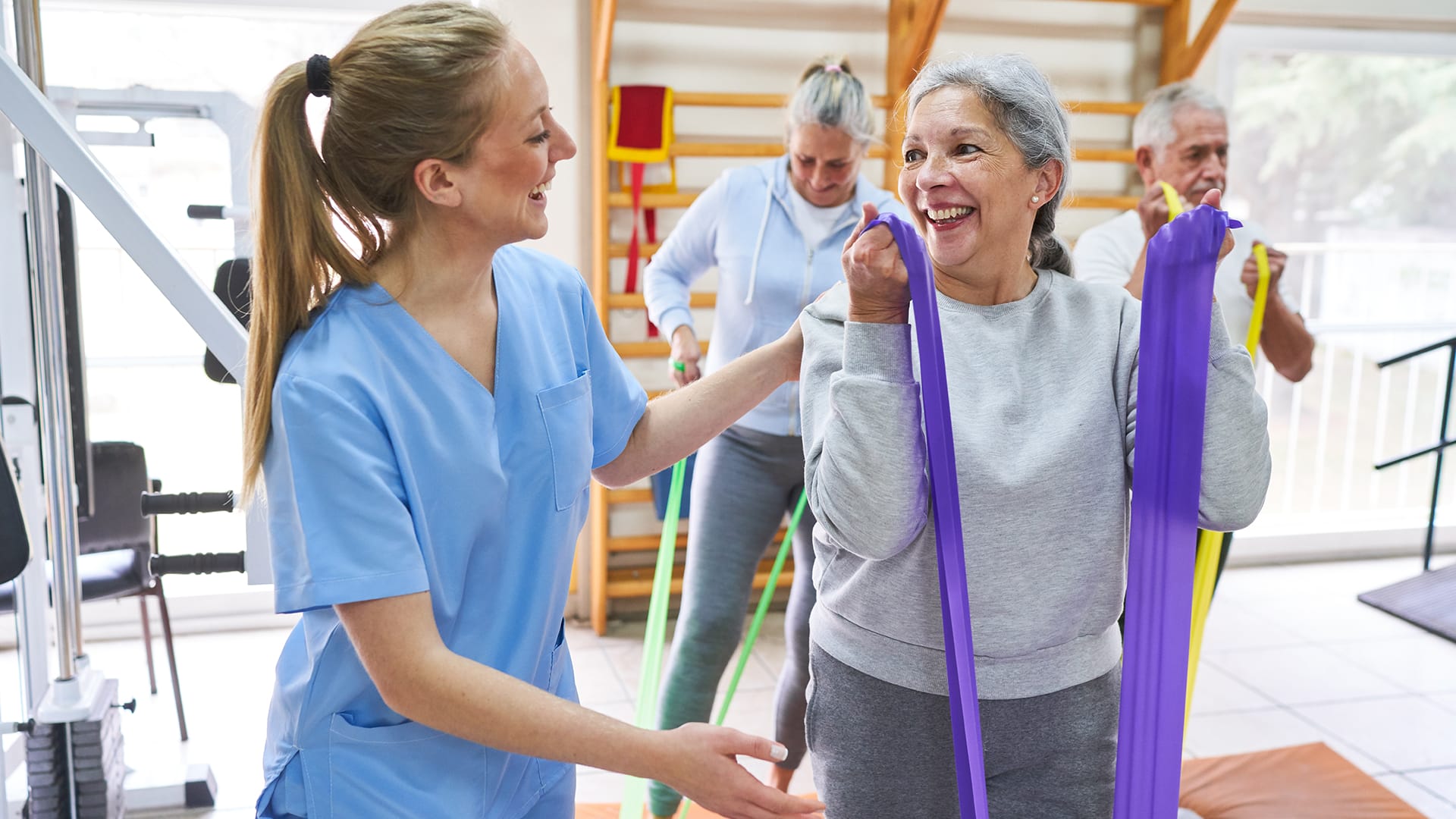
Troy Center sits at 49 Marvin Avenue, and the therapy gym there has seen its share of new hips, healing vertebrae, and people who swore they were fine right up until they tried to put on socks. The orthopedic team, the pain management folks and the short-term rehab therapists share a hallway and, more usefully, share notes. Stroke Care, Wound Care and Long-Term Care are in the building too, for anyone whose stay runs longer than planned. On the 16th the staff did a little World Spine Day session with residents. Lifting, posture, pacing. Then a round of practice putting pain into words, the kind a nurse can write into a care plan and do something with.
Care. Support. Positive Outcomes. Centers Health Care.
Centers Health Care provides rehabilitation, skilled nursing and long-term care for people with a wide range of needs. Whether someone is recovering from surgery, managing an illness or simply needs more support than can be provided at home, our staff is there to help.
The goal is not exactly the same for everyone. It may be returning home, becoming stronger, staying independent or simply feeling better and more comfortable from one day to the next. There will be progress, setbacks and difficult days along the way. Our job is to be there through all of it, and to help each patient or resident get as far as he or she can.
Sometimes that progress comes in large steps. More often, it comes in small ones. Either way, every step matters.
Our Steps to Home series follows patients through rehabilitation and the journey from hospital to home: