
Wound Care After Hospitalization: Summer Risks Families Should Understand
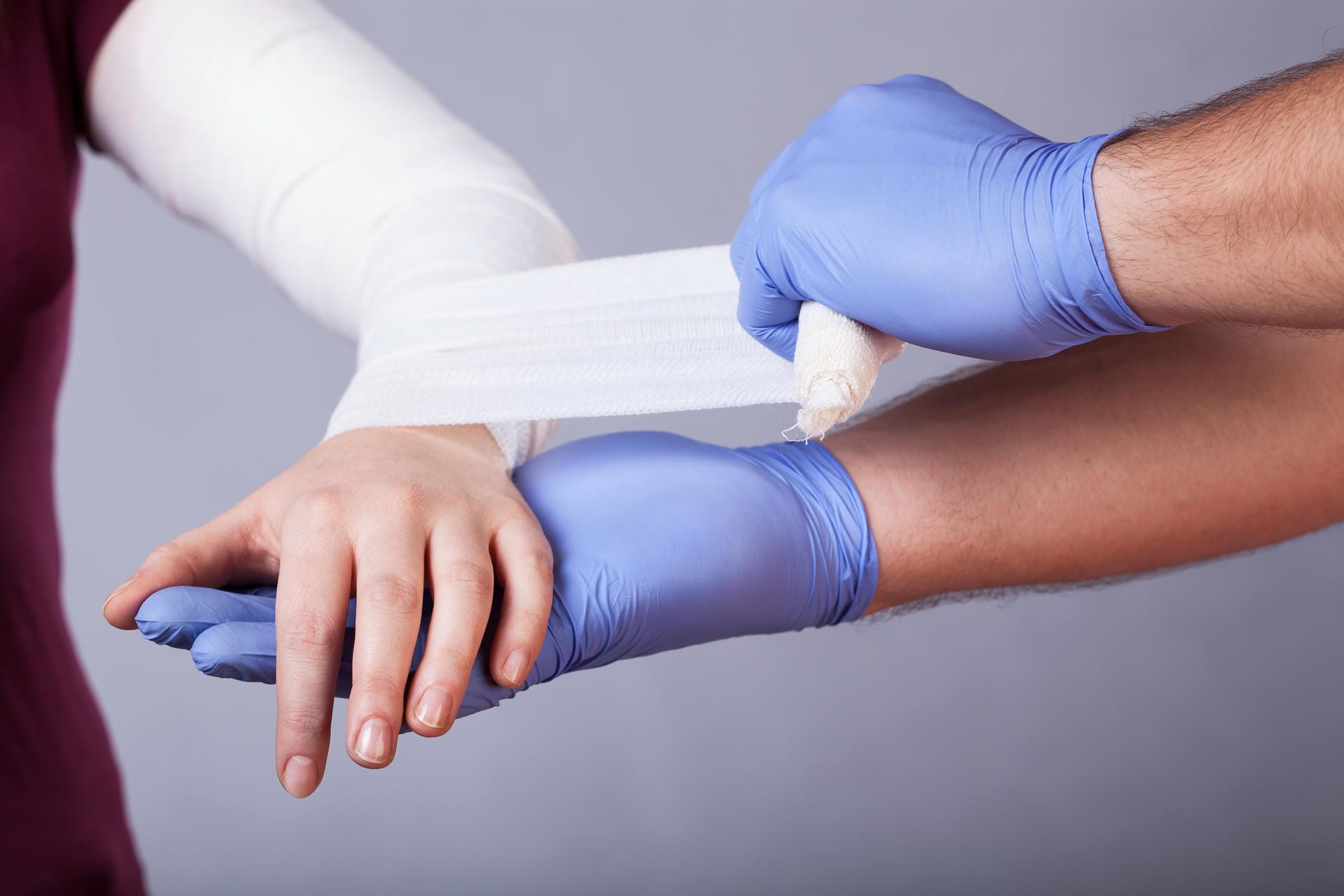
Ninety-four degrees and a bandage that’s been damp since noon. That combination shows up in emergency rooms across upstate New York every July, usually a day or two after a family assumed everything was on track. The wound itself often looked unremarkable at discharge. Small, clean margins, nothing alarming. Heat has a way of changing that timeline without anyone noticing until it’s already changed.
Discharge instructions cover pills and follow-up dates. They rarely mention that a heat index in the 90s alters how skin tolerates a dressing, or that sweat trapped under gauze for half a day creates conditions bacteria find pretty accommodating. I’ve talked to enough discharge nurses to know this gets glossed over constantly — there’s a lot to cover in twenty minutes, and moisture management around wound care after hospitalization just doesn’t make the list.
Here’s the mechanism, roughly. Skin needs a dry, stable surface to close properly. Sweat interferes with that. So does the reverse problem — rooms cooled aggressively by air conditioning can dry out skin at an incision’s edge, cracking tissue that was otherwise healing fine. Patients recovering from hip or knee procedures deal with this constantly, since tension around those incisions is already high before you factor in dry indoor air fighting humid outdoor air all day.
What Changes About Wound Care After Hospitalization in Hot Weather
Older patients lose their thirst signal earlier than younger ones. That’s not a minor detail. Dehydrated tissue has less elasticity, worse circulation to the extremities, and a wound that should close in ten days can stretch to two weeks under those conditions. A geriatrician I’ve spoken with put it plainly: by the time an elderly patient feels thirsty, they’re already behind on fluids.
Appetite drops in extreme heat too, right when the body needs extra protein for collagen production. Families sometimes see this as a minor summer inconvenience. Clinically it’s closer to a setback, because tissue repair without adequate protein intake simply slows down, regardless of how good the wound care regimen looks on paper.
Catching Problems Early
A dressing checked once in the morning misses everything that happens by mid-afternoon. Six hours of sweat against skin, and the margin around a wound starts behaving differently than it did at breakfast. Spreading redness. Warmth that wasn’t there an hour ago. Drainage gone thick, or a shade darker, or carrying a smell nobody noticed the day before. A temperature of 99.4 gets waved off in a lot of households — “it’s just the heat in here” — and that assumption is exactly how a minor issue gets a two-day head start.
Bacteria don’t slow down for August the way people do. Warm, damp tissue is close to ideal for them, and infections that would crawl along in February can move through a wound site in a fraction of the time come July. Families sometimes second-guess the instinct that something looks wrong. Usually the instinct was correct, and the delay was the mistake.
Care. Support. Positive Outcomes. Centers Health Care.
Wound care at Steuben Center runs alongside short-term rehabilitation, cardiac care, pain management, stroke care, orthopedic care, and long-term care, with staff who’ve dealt with enough July admissions to know a generic dressing schedule doesn’t hold up against actual New York summer conditions. Protocols shift based on what a patient’s skin is doing that week, not a template pulled from a binder. That’s usually the gap families don’t realize existed until someone’s paying attention to it consistently. More information is available at Steuben Center.
Steps to Home
A dressing schedule built for a climate-controlled hospital room falls apart fast in a kitchen with no air conditioning at three in the afternoon — ask about that difference specifically before discharge, not after. A log helps too, even a rough one scrawled on a notepad, because two weeks of gradual change is nearly impossible to track from memory alone. Fluids go on a schedule, not a thirst cue, particularly for anyone older. Most of this comes down to somebody actually looking, on the ordinary days when there’s nothing obviously wrong to look at.
Our Steps to Home series follows patients through rehabilitation and the journey from hospital to home: